

Turbt Procedure: An Evidence-Based Patient Guide

TURBT removes bladder tumors through a scope passed into the urethra and does not require an external surgical incision. The tissue removed during TURBT helps determine whether cancer is present, how deep it has grown and whether further treatment is needed.
Key Takeaways
- TURBT removes bladder tumors through a scope passed into the urethra and does not require an external surgical incision.
- The tissue removed during TURBT helps determine whether cancer is present, how deep it has grown and whether further treatment is needed.
- Many people return to light activities within days, while internal bladder healing commonly takes several weeks.
- Temporary burning with urination, blood-tinged urine and urinary urgency can occur after the procedure.
- Prompt medical advice is important for fever, inability to pass urine, worsening pain or heavy bleeding with clots.
A TURBT procedure, or transurethral resection of bladder tumor, is an operation performed through the urethra to remove visible bladder tumors and obtain tissue for laboratory testing. It is central to diagnosing, staging and treating many bladder tumors without making an incision in the abdomen.
Overview: What Is a TURBT Procedure?
A TURBT procedure stands for transurethral resection of bladder tumor. A urologist passes a narrow camera instrument, called a cystoscope or resectoscope, through the urethra into the bladder. Small instruments are then used to remove visible tumor tissue and, when needed, a small sample of the underlying bladder muscle.
The procedure has two important purposes. It can remove tumors that are limited to the inner bladder lining, and it provides tissue for a pathologist to examine. This assessment identifies the tumor type, grade and depth of invasion, which guide the next steps in care. In many cases, TURBT is the first treatment for suspected bladder cancer.
TURBT patient education should emphasize that the operation is both diagnostic and therapeutic. Although a tumor may be fully removed during the procedure, further monitoring or treatment can still be needed because bladder tumors can recur. A urologist uses the pathology findings, imaging results and a person’s overall health to develop an individualized follow-up plan.
Who May Need TURBT and How It Is Planned
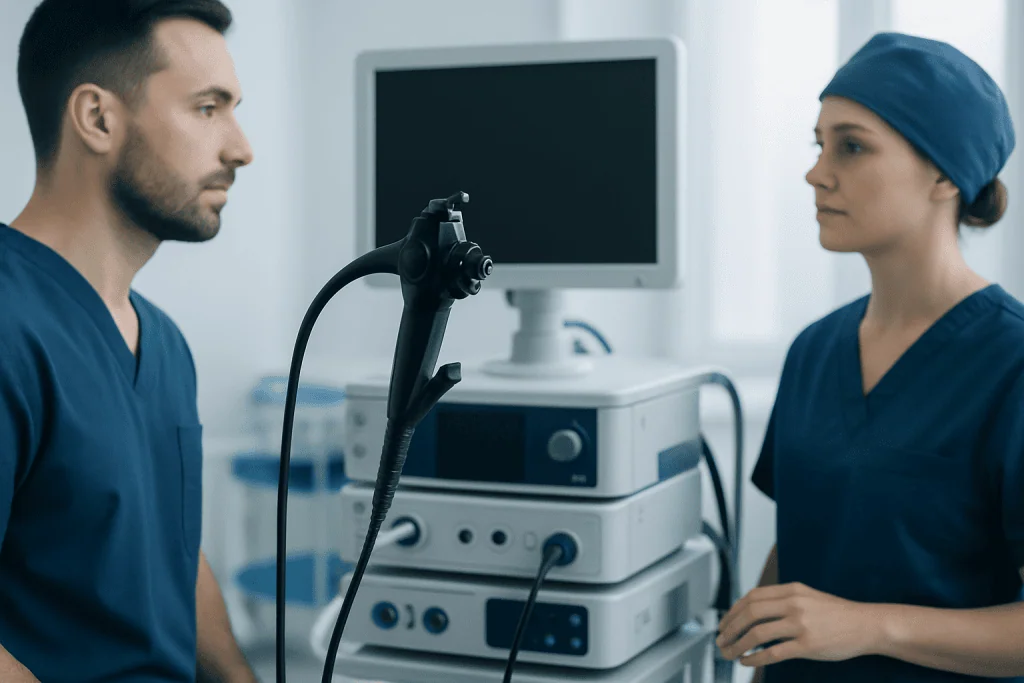
A clinician may recommend TURBT when cystoscopy, urine testing or imaging suggests a bladder tumor. Common reasons for assessment include visible blood in the urine, blood detected only on testing, urinary symptoms that need investigation, or an abnormal area seen in the bladder. Not all blood in the urine is caused by cancer, but it should be evaluated promptly.
Before TURBT, the care team reviews medical history, medications, allergies and anesthesia risks. Blood-thinning medicines, diabetes medicines and certain supplements may need special instructions before surgery; they should not be stopped without direction from the prescribing clinician. Tests may include urine analysis, urine culture, blood tests, imaging and an electrocardiogram when appropriate.
Current TURBT guidelines generally support complete visual removal of bladder tumors when safely possible and obtaining adequate tissue to assess depth. For selected higher-risk or larger tumors, a repeat TURBT may be advised after the first operation. This can confirm staging, remove residual tumor and improve treatment planning.
Procedure documentation may include a TURBT procedure code for clinical records, insurance administration and billing systems. The specific code depends on factors such as the size, number and location of tumors and the work performed. Coding questions are best addressed by the hospital’s billing or administrative team.
How a TURBT Procedure Works: Step by Step

TURBT is usually performed in an operating room under general anesthesia or spinal anesthesia, so the person does not feel pain during the procedure. The surgical team confirms the planned procedure, reviews safety checks and positions the patient appropriately. Antibiotics may be given in selected situations to reduce infection risk.
The urologist inserts the resectoscope through the urethra into the bladder. Sterile fluid gently fills the bladder, allowing the lining and tumor to be viewed. Using a wire loop, laser or other specialized instrument, the urologist removes the tumor in small pieces or as a larger specimen when possible. Bleeding points are controlled during the operation.
The removed tissue is sent to a pathology laboratory. The report typically describes whether the tissue is cancerous, the cell grade and whether the tumor has reached the muscle layer of the bladder. These details distinguish non-muscle-invasive disease from muscle-invasive disease and help determine whether surveillance, bladder-based medicine, repeat surgery or other treatment is appropriate.
At the end of surgery, a temporary urinary catheter may be placed to drain urine and allow bladder irrigation if needed. Some people go home the same day, while others stay overnight depending on the extent of resection, bleeding, medical conditions and recovery from anesthesia.
Benefits, Limitations and Risks of TURBT
The main benefit of TURBT is that it allows direct removal and accurate examination of bladder tumor tissue without an abdominal incision. For many early bladder tumors, it can remove all visible disease. It also provides information that cannot reliably be obtained from scans alone, especially whether the tumor has entered the bladder muscle.
TURBT is an established and commonly performed urologic procedure, but it is not risk-free. Short-term effects can include burning during urination, urinary frequency, urgency, mild pelvic discomfort and pink or lightly blood-stained urine. These effects often improve as the bladder lining heals.
Less common complications include urinary infection, significant bleeding, urinary retention due to blood clots, injury to the bladder wall and, rarely, a hole in the bladder known as perforation. A larger or deeper tumor, multiple tumors, certain medical conditions and use of blood-thinning medication can affect the individual risk profile.
One limitation is that TURBT alone may not prevent future tumors. Depending on pathology, a urologist may recommend medication placed directly into the bladder, close cystoscopic surveillance, repeat resection or additional cancer treatment. The pathology review appointment is therefore an essential part of the overall treatment process.
Recovery Timeline and What Not to Do After TURBT
Recovery after TURBT varies with the size, number and depth of tumors removed. Most people are awake and monitored for a few hours after anesthesia. If a catheter is used, it may be removed before discharge or kept temporarily when the bladder needs additional drainage. The care team provides individualized instructions about drinking fluids, pain relief and medicines.
For the first several days, mild burning, frequent urination and a small amount of blood in the urine can be expected. Urine may become pinker after activity, then clear with rest and hydration. Many people can resume light daily activities within a few days, but should follow their surgeon’s advice about work, driving and exercise.
What not to do after TURBT? Until the urologist says it is safe, patients should avoid heavy lifting, strenuous exercise, cycling, constipation and activities that increase abdominal pressure. They should avoid driving while taking sedating pain medicine or while still affected by anesthesia. Sexual activity may also need to wait until bleeding and discomfort have settled and the surgeon has provided clearance.
Drinking adequate fluids, unless a clinician has advised fluid restriction, may help keep urine flowing and reduce clot formation. Patients should take prescribed medicines as directed and contact their care team before restarting blood thinners. They should not assume that persistent or increasing bleeding is normal.
How Long Does It Take for the Bladder to Heal After a TURBT?
How long does it take for the bladder to heal after a TURBT? The surface lining of the bladder often begins to recover within days, and many symptoms improve over one to two weeks. However, deeper areas where tumor tissue was removed may take several weeks to heal fully, particularly after a large or extensive resection.
During healing, intermittent urinary urgency, discomfort or small amounts of blood can occur. The pace of recovery differs between individuals and may be longer for people who had several tumors removed, needed a catheter for longer, have a urinary infection or are receiving additional bladder treatment.
A follow-up visit is often arranged to discuss pathology results and recovery. The urologist may recommend future cystoscopy because recurrence can occur even after a successful initial resection. Attending scheduled surveillance appointments is one of the most important parts of long-term bladder tumor care.
Is TURBT Considered High Risk Surgery?
Is TURBT considered high risk surgery? TURBT is generally considered a minimally invasive endoscopic operation rather than high-risk open surgery. It is commonly performed and usually has a relatively short recovery period. However, every operation has risks, and the appropriate risk assessment depends on the individual rather than the procedure name alone.
Factors that can increase risk include older age, heart or lung disease, kidney impairment, uncontrolled diabetes, active infection, use of anticoagulant medicines and the size or location of the tumor. Tumors near the bladder wall or ureter openings may require particular care. Anesthesia-related risks are also considered before surgery.
People can help make the procedure safer by providing a complete medication list, reporting prior anesthesia problems, following fasting instructions and arranging support for the journey home. The surgical and anesthesia teams explain personalized risks, alternatives and expected recovery before consent is obtained.
What Is the Success Rate of Transurethral Resection of a Bladder Tumor?
What is the success rate of transurethral resection of a bladder tumor? There is no single success rate that applies to every person because outcomes depend on the tumor’s size, number, grade, stage and whether it has invaded bladder muscle. For many non-muscle-invasive tumors, TURBT can remove all visible tumor and provide the information needed to guide effective next treatment steps.
Success should be understood in more than one way: complete visible removal, accurate staging, preservation of bladder function and long-term control of recurrence. Some bladder tumors return after TURBT, even when the initial procedure was technically successful. This reflects the biology of bladder cancer and is why ongoing surveillance is recommended.
Higher-grade tumors, tumors invading deeper layers and tumors with certain pathology features may need additional treatment beyond TURBT. This may include medicine delivered into the bladder, further surgery, systemic therapy, radiation therapy or a combination of approaches. The urologist can explain what the pathology report means for an individual outlook.
Acibadem International’s multidisciplinary specialists and JCI-accredited hospitals support international patients needing assessment and treatment planning for bladder tumors. Coordinated care may involve urology, pathology, medical oncology, radiation oncology and anesthesia teams when appropriate.
When to Seek Medical Care
Patients should contact their surgical team promptly if they develop a fever, chills, worsening lower abdominal pain, persistent vomiting, inability to pass urine, large blood clots or heavy red bleeding in the urine. These symptoms may indicate a complication that needs timely assessment.
Medical advice is also appropriate if burning or urinary frequency becomes progressively worse rather than gradually improving, or if there are signs of infection such as cloudy, foul-smelling urine with feeling unwell. Emergency care is appropriate for severe pain, fainting, chest pain, breathing difficulty or an inability to urinate accompanied by bladder discomfort.
After recovery, any new episode of visible blood in the urine should be discussed with a clinician, even if it is painless or resolves quickly. Follow-up cystoscopy and urine testing should be completed as scheduled, since monitoring can identify recurrence early.
Frequently asked questions
Is TURBT painful?
TURBT is performed under general or spinal anesthesia, so patients should not feel pain during the operation. Afterward, temporary burning during urination, bladder spasms or pelvic discomfort can occur. The care team can recommend appropriate symptom relief.
Will I need a catheter after TURBT?
Some patients need a urinary catheter after TURBT, particularly after larger resections or when bladder irrigation is needed. It may be removed on the day of surgery or left in place for a short period. The surgeon will explain the expected plan before discharge.
Can a TURBT remove all bladder cancer?
TURBT can remove all visible tumor in many cases of non-muscle-invasive bladder cancer. However, pathology may show that additional treatment is needed, and bladder tumors can recur over time. Regular follow-up is important even after a complete resection.
When can someone return to work after TURBT?
Many people return to desk-based or light work within several days to one or two weeks, depending on symptoms and the extent of the procedure. Jobs involving heavy lifting or strenuous activity may require more recovery time. The treating urologist can provide individualized guidance.
Why might a repeat TURBT be recommended?
A repeat TURBT may be advised when the first specimen does not adequately assess the bladder muscle, when a tumor is high grade or large, or when residual tumor is possible. It can improve staging accuracy and help ensure that visible disease has been removed. The recommendation depends on the pathology report and clinical findings.
What should I expect at the pathology follow-up appointment?
The urologist explains whether the tumor was cancerous, its grade and how deeply it extended into the bladder wall. The appointment also covers whether further treatment or repeat TURBT is recommended. Patients may find it helpful to bring questions and a family member or support person.
References
- American Urological Association
- European Association of Urology
- National Cancer Institute
- National Health Service
- American Cancer Society
This article is for general information only and is not a substitute for professional medical advice. Please consult a qualified doctor about your individual situation.
Oncology care in Turkey — second opinion and treatment plan
JCI-accredited · board-certified surgeons · reply within 24h

More from the Health Library



Related Specialists

Prof. Dr. Umut Yavuz
Orthopedic Surgery & Traumatology
Dt. İrem Coşar Tüfekçi
Oral & Dental Health
Dr. Mehtap Baştugral
Clinical Laboratory
Assoc. Prof. Dr. Osman Serhat Güner
General Surgery