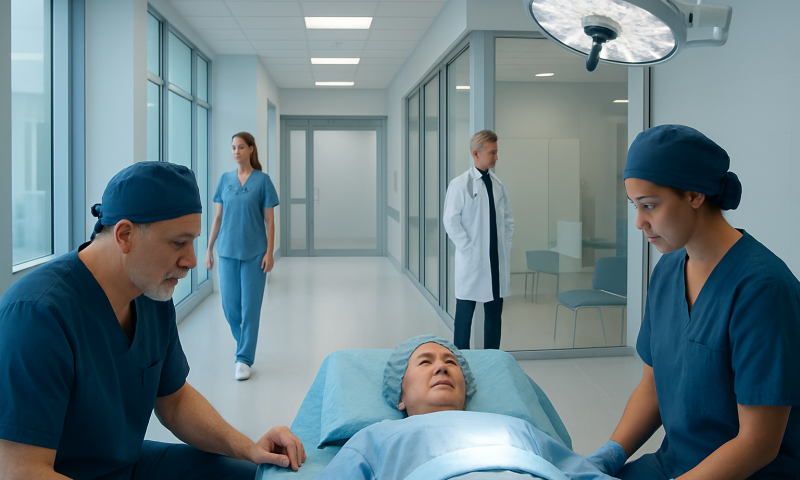
Danger of Colonoscopy after Age 75: Preparation, Procedure and Results

Routine colorectal cancer screening is generally individualized from ages 76 to 85 rather than automatically stopped at age 75. Older adults may have a higher chance of dehydration from bowel preparation, sedation-related problems, bleeding, or bowel perforation than younger adults.
Key Takeaways
- Routine colorectal cancer screening is generally individualized from ages 76 to 85 rather than automatically stopped at age 75.
- Older adults may have a higher chance of dehydration from bowel preparation, sedation-related problems, bleeding, or bowel perforation than younger adults.
- A colonoscopy may still be important after age 75 when symptoms, anemia, a positive stool test, or a history of polyps are present.
- Prior negative colonoscopies, serious health conditions, frailty, and personal preferences all help guide the decision.
- Stool-based tests and CT colonography may be appropriate alternatives for selected people, but an abnormal result can still require colonoscopy.
The danger of colonoscopy after age 75 is not the same for every person. While serious complications remain uncommon, the balance between screening benefit and procedure-related risk becomes more individual with age, overall health, previous screening results, and life expectancy.
Overview: Is Colonoscopy Dangerous After Age 75?
The danger of colonoscopy after age 75 is usually low when the procedure is medically appropriate and carefully planned, but the risks can increase with age-related frailty, heart or lung disease, kidney problems, use of blood-thinning medicines, and difficulties tolerating bowel preparation or sedation. For many healthy older adults, colonoscopy can still be performed safely; however, it should not be treated as an automatic routine test.
After age 75, clinicians usually weigh the possible benefit of finding or preventing colorectal cancer against the immediate burdens and risks of testing. This decision is especially important for screening, which is done in people without symptoms. Colonoscopy remains a different situation when it is needed to investigate rectal bleeding, unexplained iron-deficiency anemia, a lasting change in bowel habits, weight loss, or a positive stool screening test.
The most useful question is not simply whether a person is “too old” for colonoscopy. It is whether colonoscopy is likely to provide meaningful benefit for that individual, considering their health, function, previous screening history, family history, and goals of care.
How Colonoscopy Works and Why It May Be Recommended
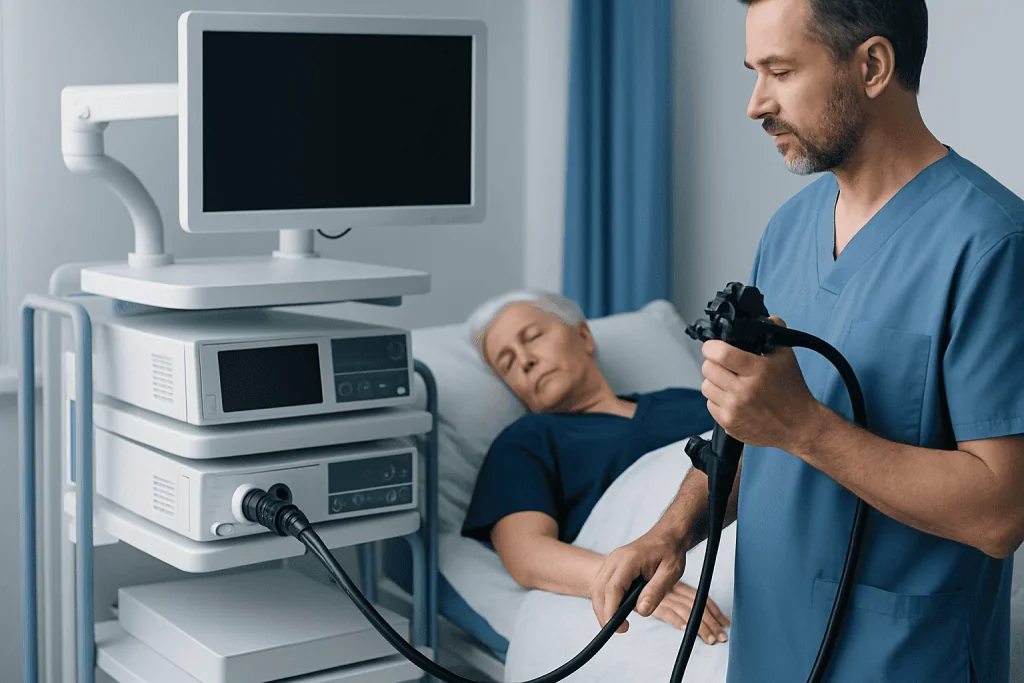
Colonoscopy is a procedure that allows a gastroenterologist to examine the lining of the rectum and colon using a thin, flexible tube with a small camera. It can identify inflammation, bleeding sources, polyps, and cancer. Unlike many screening tests, it can also remove most polyps during the same procedure, helping prevent some colorectal cancers from developing.
It may be recommended as a screening examination, as follow-up after a positive stool test, or to assess concerning symptoms. The procedure is also commonly used for surveillance in people who have previously had polyps or who have a higher-than-average risk because of family history or certain bowel conditions.
Before proceeding, the medical team reviews the reason for the test and whether a less invasive option could answer the clinical question. When direct examination and possible polyp removal are needed, colonoscopy evaluation and treatment may be the most informative approach.
Candidacy After Age 75: Who May Benefit Most?
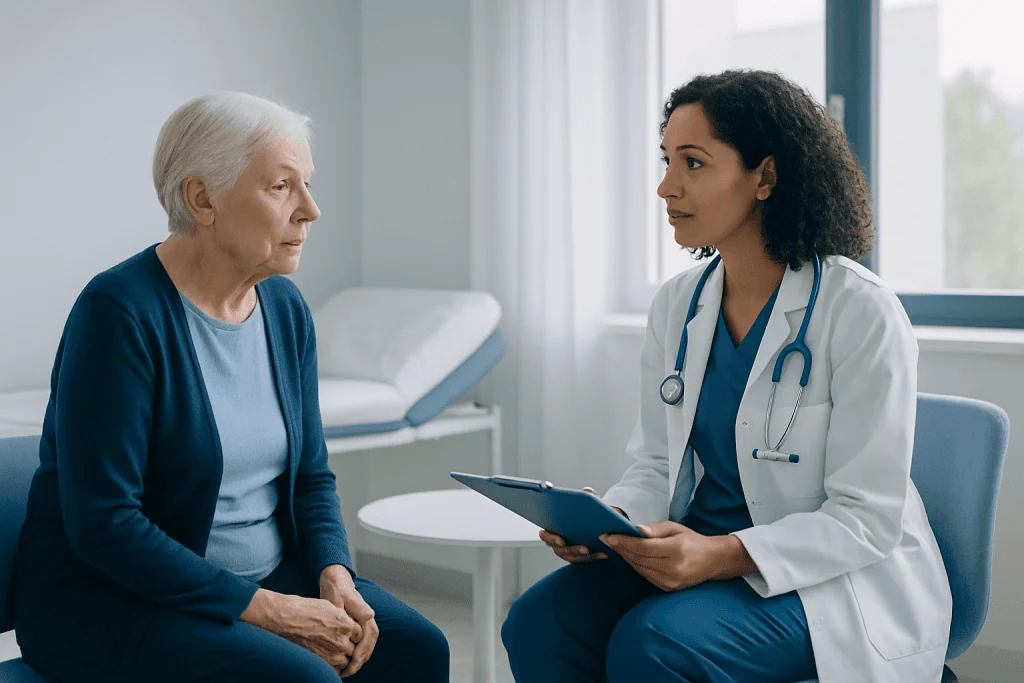
Age alone does not determine candidacy. A healthy, independent person in their late seventies who has never been screened, has a strong family history of colorectal cancer, or has symptoms may benefit more from colonoscopy than a person of the same age with several serious illnesses and prior normal screening examinations.
For average-risk adults without symptoms, many professional guidelines recommend that routine colorectal cancer screening be individualized between ages 76 and 85. Factors often considered include whether the person has had adequate prior screening, their ability to undergo treatment if cancer is found, their risk of complications, and their expected overall health over the coming years. Routine screening is generally not recommended after age 85.
Colonoscopy is not only a screening tool. If a person has warning symptoms or an abnormal noninvasive screening result, a clinician may recommend it regardless of age, provided the likely benefits outweigh the risks. A careful pre-procedure assessment can identify issues such as unstable heart disease, poorly controlled lung disease, kidney impairment, cognitive difficulties, or medications that need adjustment.
Shared decision-making is central. The person, family where appropriate, primary clinician, and gastroenterology team can discuss what the test could change, what alternatives exist, and whether the individual would want further treatment if a serious condition were detected.
Preparation and Procedure: What Happens Step by Step
Preparation begins several days before the examination. The care team provides instructions about diet, bowel-cleansing medication, and medicines. Bowel preparation is essential because residual stool can hide polyps or other abnormalities. In older adults, preparation may require extra planning to prevent dehydration, low blood pressure, electrolyte changes, falls, or problems managing diabetes medicines and diuretics.
On the day of the procedure, the patient is assessed for vital signs, allergies, medical conditions, and medication use. Sedation is often given to improve comfort. During colonoscopy, the specialist gently advances the scope through the rectum and colon, examines the lining, and may take biopsies or remove polyps. The examination itself commonly lasts less than an hour, although preparation and recovery take longer.
Most people need an adult to accompany them home because sedative medicines can temporarily affect coordination and judgement. The care team gives individualized instructions about restarting usual medicines, particularly blood thinners, diabetes medicines, and drugs that affect blood pressure or fluid balance.
Good preparation and medication review are practical ways to reduce avoidable risk. Older adults should tell the team about past reactions to anesthesia or sedation, sleep apnea, constipation, kidney disease, recent hospitalizations, and any difficulty drinking the prescribed bowel-cleansing solution.
Benefits, Risks, and Recovery Timeline
The main benefit of colonoscopy is that it can detect colorectal cancer early and remove precancerous polyps. It can also help explain symptoms that may be caused by conditions such as diverticular disease, inflammation, hemorrhoids, or cancer. In people with an appropriate reason for testing, the information gained can guide treatment and provide reassurance when significant disease is not found.
Possible short-term effects include bloating, cramping, gas, nausea, tiredness, and temporary changes in bowel movements. These usually improve within a day. After sedation, rest is advised for the remainder of the day, and driving, alcohol, important legal decisions, and strenuous activity should be avoided until the effects have worn off.
Serious complications are uncommon but include bleeding, especially after polyp removal, a tear in the bowel wall called perforation, infection, and complications related to sedation or underlying heart and lung conditions. The chance of complications tends to rise in older adults, particularly those with multiple medical conditions, reduced mobility, frailty, or use of certain medicines. The clinician can explain the person’s individual risk before the procedure.
Recovery is often straightforward. Many people return to their usual diet and routine the next day, unless the clinician gives different advice after a biopsy or polyp removal. Results may be discussed immediately for visible findings, while biopsy results can take several days.
At What Age Do Doctors No Longer Recommend Colonoscopies?
Doctors do not use one age cutoff for every colonoscopy. For average-risk people without symptoms, routine colorectal cancer screening is generally individualized from ages 76 through 85. It is commonly stopped after age 85 because the potential benefits of screening are unlikely to outweigh the risks and burdens for most people.
A previous history of screening matters greatly. An older adult with several prior normal colonoscopies may have little to gain from another screening examination, while someone who has never been screened may still benefit if they are in good overall health. A person with rectal bleeding, anemia, a positive stool test, or other concerning symptoms may need diagnostic evaluation at any age.
The decision should therefore be based on health status rather than chronological age alone. A clinician may advise against colonoscopy when the bowel preparation, sedation, or possible treatment of a finding would create more burden than benefit for the individual.
What Percentage of People Over 75 Get Colon Cancer?
There is no single percentage that accurately describes how many people over 75 get colon cancer, because risk differs by age, sex, family history, prior screening, lifestyle factors, and location. Colorectal cancer becomes more common with increasing age, and many diagnoses occur in adults older than 65. However, most people over 75 will not develop colon cancer.
Population-level risk is not enough to determine whether one person should have colonoscopy. Prior normal screening lowers the likelihood that an asymptomatic person has an advanced lesion, whereas a personal history of polyps, inflammatory bowel disease, a close relative with colorectal cancer, or new symptoms may increase concern.
When colorectal cancer is diagnosed, care may involve several specialties. Depending on the findings, assessment and management may include colorectal cancer care alongside gastroenterology, surgery, oncology, radiology, and supportive care services.
How Risky Is a Colonoscopy in the Elderly?
Colonoscopy is generally considered safe, but it is somewhat riskier in elderly adults than in younger adults. The most important risks are not caused by age alone; they are more closely linked to frailty, chronic illness, medication use, the need to remove a large polyp, and the ability to tolerate bowel preparation and sedation.
Bleeding may occur after a biopsy or polyp removal and is often manageable, although it occasionally requires additional treatment. Perforation is rare but serious and may require hospital care or surgery. Sedation can contribute to low blood pressure, breathing problems, confusion, or heart rhythm concerns in susceptible people. Dehydration and electrolyte disturbances during preparation are also important considerations for older adults.
Risk can be reduced through a detailed health review, individualized preparation instructions, careful sedation planning, and coordination with clinicians who manage heart disease, diabetes, kidney disease, or anticoagulant therapy. Patients should not stop prescribed medicines on their own; medication changes should be directed by the treating team.
What Is the Alternative to a Colonoscopy for the Elderly?
For average-risk adults who need screening rather than investigation of symptoms, stool-based tests may be appropriate alternatives. These include fecal immunochemical testing, which checks for hidden blood in stool, and stool DNA testing combined with blood detection. These options do not require sedation or bowel preparation, but they need to be repeated at recommended intervals and an abnormal result usually requires colonoscopy.
CT colonography, sometimes called virtual colonoscopy, uses imaging to evaluate the colon. It usually still requires bowel preparation and may identify findings outside the colon, which can occasionally lead to further testing. If polyps or suspicious areas are found, standard colonoscopy is generally needed for biopsy or removal.
Choosing an alternative depends on why testing is needed. New bleeding, unexplained anemia, or an abnormal stool test often requires direct visualization of the colon rather than another screening test. A clinician can help match the test to the person’s health, priorities, and ability to complete follow-up if needed.
When to Seek Medical Care
Prompt medical assessment is important for rectal bleeding, black or tar-like stools, unexplained iron-deficiency anemia, persistent changes in bowel habits, ongoing abdominal pain, unexplained weight loss, or marked fatigue. These symptoms can have many causes, but they should not be assumed to be a normal part of aging.
After colonoscopy, urgent medical care is needed for severe or worsening abdominal pain, fever, repeated vomiting, fainting, shortness of breath, heavy rectal bleeding, black stools, or bleeding that does not settle. Mild gas and brief cramping can occur after the procedure, but severe symptoms should be assessed without delay.
For international patients needing individualized gastrointestinal assessment, Acibadem International’s multidisciplinary specialists and JCI-accredited hospitals can evaluate colonoscopy suitability, investigate symptoms, and coordinate appropriate care. The best next step is a consultation with a qualified clinician who can review overall health and prior screening history.
Frequently asked questions
Is colonoscopy after age 75 always dangerous?
No. Colonoscopy is not automatically dangerous after age 75, and many healthy older adults undergo it safely. The risk depends more on overall health, frailty, medical conditions, medications, bowel preparation, and sedation needs than on age alone.
Why is bowel preparation more difficult for some older adults?
Bowel-cleansing medicines can cause diarrhea and fluid loss, which may lead to dehydration, dizziness, low blood pressure, or electrolyte changes. Older adults with kidney disease, heart disease, diabetes, or diuretic use may need individualized instructions and closer monitoring.
Can a person over 75 have a colonoscopy if they have never been screened?
Possibly. A previously unscreened person in good health may still benefit from screening after age 75, especially if they would be able and willing to have treatment if cancer were found. The decision should be made with a clinician after reviewing individual risks and preferences.
Should an older person have colonoscopy after a positive stool test?
A positive stool test usually needs follow-up because it cannot identify the source of bleeding or abnormal DNA on its own. Colonoscopy is often the recommended next test, although the clinician should assess whether the person can safely undergo it and discuss alternatives when appropriate.
How long does it take to recover from colonoscopy in an elderly person?
Most people feel well enough to resume usual activities the next day, although tiredness, bloating, and mild cramping may occur on the day of the procedure. Recovery can take longer when someone is frail, becomes dehydrated during preparation, or has other health conditions.
Can colonoscopy find and prevent colon cancer?
Colonoscopy can identify polyps and allow many of them to be removed during the examination. Because some polyps can develop into cancer over time, removing them can reduce colorectal cancer risk in appropriately selected patients.
References
- United States Preventive Services Task Force
- American Cancer Society
- U.S. Centers for Disease Control and Prevention
- National Institute on Aging
- American Society for Gastrointestinal Endoscopy
This article is for general information only and is not a substitute for professional medical advice. Please consult a qualified doctor about your individual situation.
Persistent digestive symptoms? Get evaluated in Turkey
JCI-accredited · board-certified surgeons · reply within 24h
Check your numbers in seconds
BMI, calories, due date, blood pressure and 30+ more clinical calculators — free, instant, doctor-reviewed ranges.