Does Ketamine Therapy Get You High: How It Works, Results and What to Expect

Ketamine may produce brief dissociative or altered-perception effects during treatment, especially with intravenous administration. Medical ketamine therapy is different from recreational use because it involves screening, individualized dosing, monitoring, and recovery supervision.
Key Takeaways
- Ketamine may produce brief dissociative or altered-perception effects during treatment, especially with intravenous administration.
- Medical ketamine therapy is different from recreational use because it involves screening, individualized dosing, monitoring, and recovery supervision.
- Ketamine is sometimes considered for treatment-resistant depression and may also be used in specific medical settings for pain or anesthesia.
- Not everyone is a suitable candidate; certain heart, vascular, psychiatric, substance-use, pregnancy, and medical factors require careful assessment.
- Patients should not drive, drink alcohol, make important decisions, or return to unsafe activities until fully recovered after a session.
Does ketamine therapy get you high? Medically supervised ketamine can cause temporary changes in perception, detachment, or dreamlike feelings, but its purpose is symptom relief under careful clinical monitoring—not intoxication. The experience, suitability, benefits, and risks vary between individuals and treatment methods.
Overview: Does Ketamine Therapy Get You High?
Ketamine therapy can cause temporary sensations that some people describe as feeling “high,” including altered perception, lightness, detachment from the body or surroundings, vivid thoughts, or a dreamlike state. In a medical setting, however, these effects are anticipated, time-limited, and monitored by trained clinicians. The aim is to treat a health condition or relieve symptoms, not to create intoxication.
Ketamine is an anesthetic medicine that has been used in hospitals for many years. At lower, carefully controlled doses, it may be considered for some people with depression that has not improved with standard treatments. A related medicine, esketamine, is administered as a nasal spray in regulated clinical settings for selected depressive disorders. The best approach depends on the diagnosis, medical history, local regulations, and the treating clinician’s judgment.
A person’s experience can vary substantially. Some feel calm or emotionally distant, while others have unpleasant confusion, anxiety, nausea, or sensory changes. Medical teams prepare patients for these possibilities, observe them during treatment, and provide a safe recovery period afterward.
How Ketamine Works in the Brain
Ketamine works differently from many commonly prescribed antidepressants. It primarily affects the glutamate system, a chemical-signaling network involved in learning, mood, stress responses, and brain adaptability. By blocking a type of glutamate receptor called the NMDA receptor, ketamine may trigger downstream changes in communication between brain cells.
Researchers continue to study exactly how these changes may reduce depressive symptoms in some people. Ketamine appears to influence several pathways rather than acting through one single mechanism. Its effects may occur more quickly than those of traditional antidepressants for some patients, but a rapid response is not guaranteed and does not mean it is appropriate for everyone.
Ketamine-related treatments should form part of a wider mental health plan. This may include psychiatric assessment, psychotherapy, sleep and lifestyle support, medication review, and follow-up for symptoms such as depression. A clinician can help clarify whether ketamine is a reasonable option and how progress should be measured safely.
Who May Be a Candidate for Ketamine Therapy?

Ketamine may be discussed when depression remains significant despite appropriately tried standard treatments, often including antidepressant medication and psychotherapy. It is not usually the first treatment offered for depression. A comprehensive psychiatric evaluation is important because persistent low mood can have different causes and may occur alongside anxiety, trauma-related symptoms, bipolar disorder, substance-use concerns, or medical illness.
Before recommending treatment, clinicians generally review current medicines, previous psychiatric care, alcohol and drug use, blood pressure and heart health, liver or kidney disease, eye conditions, pregnancy status, and personal or family history of psychosis or mania. People with uncontrolled high blood pressure, certain cardiovascular conditions, active psychotic symptoms, or particular substance-use risks may need an alternative approach or additional specialist review.
Ketamine requires particular caution in people with bipolar disorder because antidepressant treatments can sometimes contribute to mood elevation or mania. It is also important to disclose all medicines and supplements, including sedatives, opioid pain medicines, stimulants, and alcohol use. Honest discussion helps the care team reduce avoidable risks and select the safest treatment plan.
- Symptoms should be assessed by a qualified mental health professional.
- The potential benefits should outweigh the individual risks.
- The person should be able to arrange safe transport and support after treatment.
- Ongoing mental health follow-up should be available.
What Happens During a Ketamine Treatment Session?
The process starts with an assessment and informed-consent discussion. The clinician explains the intended benefit, possible side effects, alternatives, expected monitoring, and practical requirements for the day. Patients may be advised to avoid alcohol and recreational substances beforehand and to follow specific instructions about food, drink, and regular medicines.
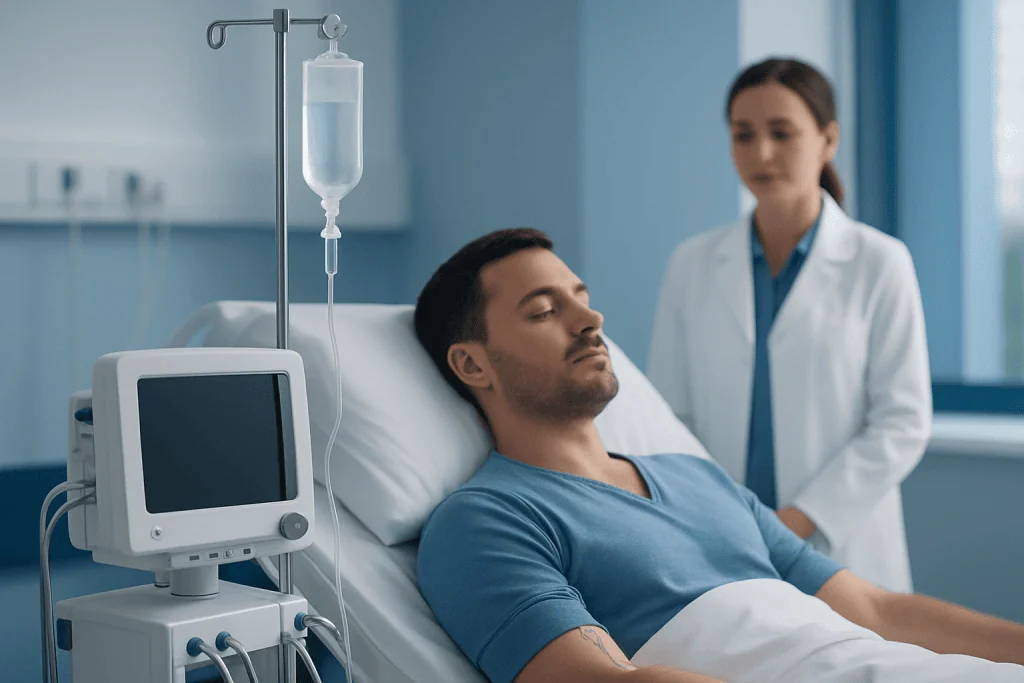
Ketamine can be given in different ways depending on the indication and service model, including intravenous infusion, injection, oral formulations in selected settings, or intranasal esketamine. During supervised treatment, staff typically check vital signs such as blood pressure, heart rate, and oxygen levels. The patient rests in a quiet, supported environment while the medication is administered and its effects are observed.
Some people notice effects during administration, while others mainly feel tired, mentally distant, or emotionally reflective. The clinical team can offer reassurance and respond if distress occurs. A treatment session may be followed by discussion of the experience and a plan for symptom tracking, psychological support, and future appointments. Ketamine treatment should always be provided through an appropriately regulated medical service, with safeguards suited to the individual.
Recovery Timeline and What to Expect Afterwards
Perceptual and dissociative effects usually lessen as the medicine wears off, though the precise timing depends on the route, dose, other medicines, and individual metabolism. Tiredness, dizziness, nausea, headache, blurred vision, or a sense of mental fog can continue for a period after the main effects have passed. A monitored recovery area allows staff to confirm that the person is stable before leaving.
Patients should arrange for a responsible adult or reliable transport home if advised by their treating team. They should not drive, cycle in traffic, operate machinery, drink alcohol, use recreational drugs, or make major financial, legal, or personal decisions until they are fully alert and have followed the clinic’s instructions. Returning to work or other activities should be guided by how the person feels and by medical advice.
Emotional responses may also vary. Some people feel relief, hope, or greater emotional openness, while others need time to process an unusual experience. Keeping follow-up appointments is important, especially if mood symptoms return, worsen, or change in a concerning way. Ketamine is not a replacement for crisis care, ongoing therapy, or a comprehensive plan for mental health.
Potential Benefits, Side Effects, and Longer-Term Risks
For carefully selected people with treatment-resistant depression, ketamine-based care may reduce symptoms, sometimes within a relatively short time frame. It may also be considered urgently by specialist teams in certain severe circumstances. However, responses differ: some people improve substantially, some have only partial or short-lived benefit, and others do not improve. Continued clinical review is essential.
Common short-term effects can include dissociation, changes in sight or sound perception, dizziness, sleepiness, nausea, vomiting, anxiety, increased blood pressure, and faster heart rate. These effects are one reason treatment is monitored. Rarely, a person may experience more intense agitation, confusion, or distress and require additional support during recovery.
Repeated or unsupervised use carries important risks. Ketamine has misuse and dependence potential, and heavy nonmedical use has been associated with bladder and urinary tract problems, memory difficulties, and other health harms. Medical teams therefore use structured screening, dosing, observation, and follow-up rather than advising self-treatment. Anyone considering treatment should ask how benefits, side effects, relapse prevention, and medication safety will be monitored over time.
When to Seek Medical Care
Anyone experiencing persistent depression, loss of interest, major sleep or appetite changes, difficulty functioning, or thoughts of self-harm should seek assessment from a qualified healthcare professional. A clinician can review symptoms, discuss established treatments, and determine whether referral to a psychiatrist or a specialist service is appropriate.
Urgent help is needed if a person has thoughts of harming themselves or someone else, feels unable to stay safe, develops severe confusion, hallucinations, chest pain, severe shortness of breath, or a severe physical reaction after any medicine. They should contact local emergency services, go to the nearest emergency department, or use an available crisis service rather than waiting for a routine appointment.
For international patients, Acibadem International’s multidisciplinary specialists and JCI-accredited hospitals can assess and treat complex mental health needs as part of coordinated care. Treatment decisions should be individualized, based on a full evaluation and ongoing communication with qualified clinicians.
Frequently asked questions
Does ketamine therapy make everyone feel high?
No. Experiences differ, and some people notice little altered sensation while others experience temporary dissociation or perceptual changes. Clinicians use screening, individualized protocols, and observation to manage these effects as safely as possible.
Is the feeling during ketamine therapy the same as recreational ketamine use?
No. Medical treatment differs because the medicine is prescribed for a specific clinical reason and delivered with assessment, controlled dosing, monitoring, and follow-up. Recreational use is unpredictable and can involve unsafe doses, contamination, interactions, accidents, and a risk of misuse.
How long do ketamine therapy effects last?
The immediate perceptual effects are generally temporary, but their duration varies with the treatment method, dose, and individual factors. Patients are observed until they meet discharge criteria and should follow the clinic's restrictions on driving and other activities afterward.
Can ketamine help depression immediately?
Some people experience improvement sooner than they have with conventional antidepressants, but responses are variable and not guaranteed. Even if symptoms improve quickly, continued follow-up and a broader mental health treatment plan remain important.
Who should avoid or use caution with ketamine therapy?
Suitability depends on the individual. Uncontrolled high blood pressure, some heart or vascular conditions, psychosis, mania, pregnancy, significant substance-use concerns, and certain other medical issues may make ketamine unsuitable or require specialist assessment.
Can a patient drive home after ketamine therapy?
Patients should not plan to drive themselves home after a ketamine session. They should arrange safe transport and avoid driving, machinery, alcohol, and important decisions until they are fully recovered and have followed their clinician's instructions.
References
- National Institute of Mental Health
- United States Food and Drug Administration
- American Psychiatric Association
- National Institute for Health and Care Excellence
- World Health Organization
This article is for general information only and is not a substitute for professional medical advice. Please consult a qualified doctor about your individual situation.
Explore treatments in Turkey — costs, top hospitals & a free quote
JCI-accredited · board-certified surgeons · reply within 24h
Check your numbers in seconds
BMI, calories, due date, blood pressure and 30+ more clinical calculators — free, instant, doctor-reviewed ranges.

More from the Health Library



Related Specialists

Dt. Alen Palancıoğlu
Oral Dental & Maxillofacial Surgery
Dr. Tülay Uyanık Demirbey
Anesthesiology
Dr. Damla Sivaz
Dermatology
Dr. Taner Bayraktar
Emergency Service