Treatment for Labral Tear of Shoulder: How It Works, Results and What to Expect

Many shoulder labral tears can be managed without surgery, especially when symptoms are mild and the shoulder is stable. The best treatment depends on the tear location, shoulder stability, age, sport or work demands, and associated injuries.
Key Takeaways
- Many shoulder labral tears can be managed without surgery, especially when symptoms are mild and the shoulder is stable.
- The best treatment depends on the tear location, shoulder stability, age, sport or work demands, and associated injuries.
- Arthroscopic labral repair uses small incisions and anchors to reattach torn labrum to the shoulder socket.
- Recovery requires a period in a sling followed by gradual rehabilitation; return to demanding overhead sport can take several months.
- Persistent pain after an injury, repeated dislocations, weakness or loss of shoulder function should be assessed by a clinician.
Treatment for a labral tear of the shoulder usually starts with activity changes, targeted physiotherapy and symptom relief. Arthroscopic surgery may be considered when pain, instability or loss of function continues despite non-surgical care, or when the tear is associated with repeated shoulder dislocation.
Overview: treatment for labral tear of shoulder
Treatment for labral tear of shoulder is tailored to the type of tear, the person’s symptoms and whether the shoulder is unstable. Many people improve with a structured physiotherapy programme, temporary changes to painful activities and appropriate pain management. Surgery is usually reserved for ongoing symptoms, recurrent dislocation or a tear that prevents a person from returning to necessary daily, work or sporting activities.
The labrum is a ring of firm cartilage around the edge of the shoulder socket, called the glenoid. It helps deepen the shallow socket and provides attachment points for ligaments and part of the biceps tendon. A tear may occur after a fall, dislocation, forceful pulling injury or repeated overhead movement. Common patterns include a superior labrum anterior-to-posterior (SLAP) tear and tears at the front or lower edge of the labrum after dislocation.
It is important to note that a labral tear visible on a scan does not always explain shoulder pain. Some changes can be present without causing symptoms, particularly with age. A specialist therefore considers the examination findings, medical history, imaging and the individual’s goals before recommending treatment.
Symptoms, causes and assessment
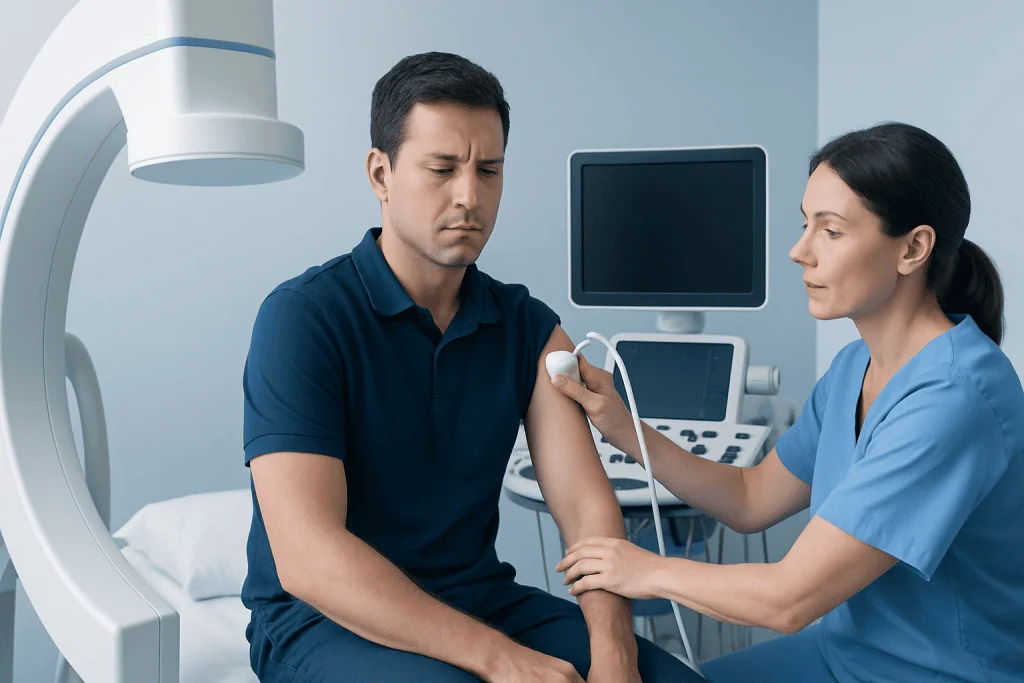
A labral tear may cause deep shoulder pain, catching, clicking, a feeling of locking or reduced confidence in the joint. Some people notice pain during overhead activity, throwing, lifting or pushing. When the tear is linked to instability, the shoulder may feel as though it is slipping out of position, or it may have dislocated or partly dislocated.
Acute tears can follow a fall onto an outstretched arm, a direct impact, a sudden traction injury or a shoulder dislocation. Repetitive overhead movement in sports and occupations may also contribute. Joint looseness, previous shoulder injuries and participation in contact or throwing sports can increase the likelihood of recurrent instability-related tears.
Assessment usually begins with a detailed history and shoulder examination. X-rays may be used to look for bone injury or changes related to dislocation. Magnetic resonance imaging (MRI), sometimes with contrast injected into the joint, can help identify labral injury and related damage to the rotator cuff, biceps tendon or bone. Imaging supports, rather than replaces, clinical decision-making.
Other shoulder problems can cause similar symptoms. These include rotator cuff tears, biceps tendon disorders, arthritis and neck-related pain. Establishing the main source of symptoms helps avoid treatment that is unlikely to be useful.
How non-surgical treatment works
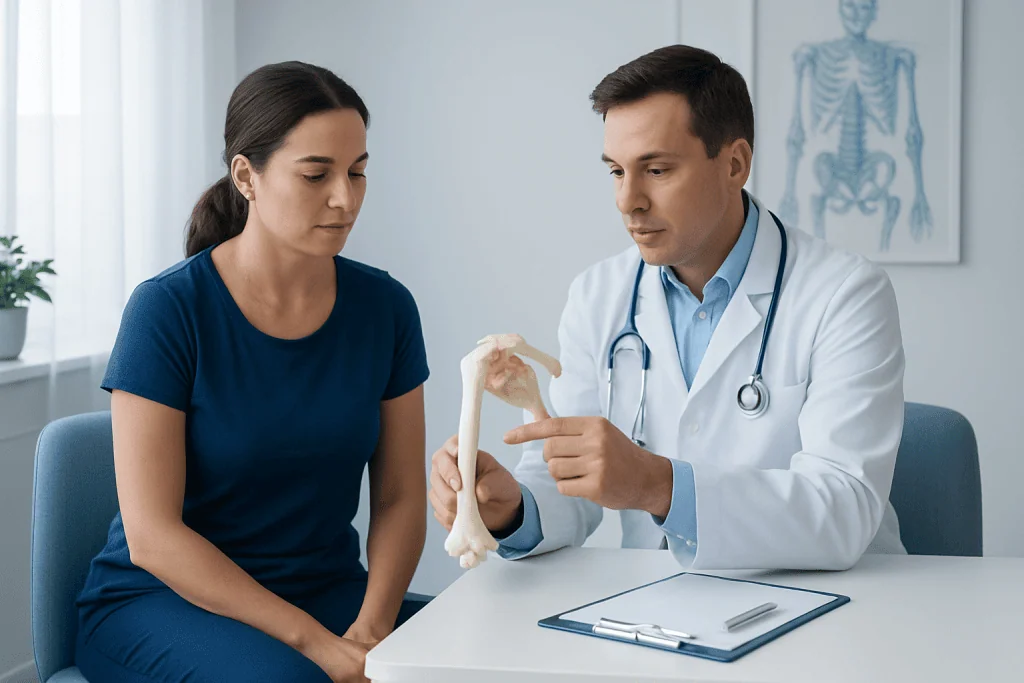
Non-surgical care is often the first option when there is no repeated dislocation, marked weakness or major loss of function. It aims to calm irritation, restore comfortable movement and improve the muscle control that keeps the shoulder centred in its socket. Avoiding or modifying movements that reliably trigger pain, particularly heavy lifting and repeated overhead activity, can give the shoulder time to settle.
Physiotherapy is central to conservative care. A programme commonly focuses on shoulder blade positioning, rotator cuff strength, range of motion and gradual return to functional activities. The plan should be adjusted to the person’s injury, symptoms and goals rather than relying on a single generic exercise routine.
A clinician may recommend short-term pain-relieving medicines where appropriate and safe for the individual. In selected cases, an injection may be discussed to help clarify the pain source or facilitate rehabilitation, but it does not repair a detached labrum. Persistent symptoms should prompt review rather than continued self-management through pain.
Non-surgical treatment can be particularly reasonable for people with a stable shoulder, manageable symptoms or lower physical demands. It may also be used before surgery to improve movement and strength, which can support later rehabilitation if an operation becomes necessary.
Shoulder labral tear surgery: how it works and who may benefit
Shoulder labral surgery is most commonly performed arthroscopically. This minimally invasive approach uses a small camera and specialised instruments inserted through several small incisions. The surgeon examines the joint directly, confirms the type and extent of injury, and treats associated problems when needed.
A labral repair reattaches detached tissue to the edge of the socket using small anchors and strong sutures. If a superior labral tear involves the biceps tendon attachment, the appropriate operation varies with age, tendon condition, activity demands and the exact injury. Some patients may be advised to have biceps tenodesis, which changes the attachment of the long head of the biceps tendon, rather than a direct superior labral repair.
Surgery may be considered for recurrent shoulder dislocation or subluxation, persistent pain and mechanical symptoms despite well-conducted rehabilitation, or an injury that prevents a person from meeting essential sporting or occupational demands. The decision is individual: a scan alone is not a reason for surgery, and an operation is not always the best answer for every tear.
Patients considering shoulder arthroscopy should discuss the expected benefit, alternative approaches, rehabilitation commitment and realistic timeline with an orthopaedic shoulder specialist. The aim is improved stability, function and symptom control, not simply a “normal” imaging result.
What happens during the procedure and recovery timeline
Before surgery, the team reviews medical history, medicines, allergies and anaesthesia suitability. The procedure is generally performed under general anaesthesia, often with additional regional anaesthesia to help control pain after the operation. During arthroscopy, fluid is used to improve visibility inside the joint, the tear is assessed, and the labrum is prepared and secured with anchors if repair is appropriate.
After surgery, most patients use a sling to protect the repair. The precise duration varies according to the repair and surgeon’s protocol, but early recovery is focused on protecting healing tissue rather than regaining full strength quickly. Hand, wrist and elbow movement is usually encouraged, while shoulder movements are introduced gradually under the guidance of the care team.
Rehabilitation commonly progresses through phases: protected motion, gradual restoration of active movement, strengthening, and finally sport- or work-specific training. Desk-based activities may be possible relatively early for some people, while physical work, heavy lifting and overhead sport require a longer, carefully supervised return. Full recovery often takes several months, and return to throwing or contact sports may take longer.
Follow-up appointments allow the team to monitor wound healing, pain, movement and stability. Following sling instructions and completing rehabilitation consistently are important parts of protecting the repair and achieving the best functional result.
Benefits, risks and realistic expectations
Potential benefits of surgery include improved shoulder stability, less pain related to the tear, fewer dislocation episodes and a more reliable return to daily activities or sport. Results depend on factors such as the type of tear, bone loss from prior dislocations, tissue quality, associated tendon injury, rehabilitation participation and whether activities are resumed at the recommended pace.
All surgery carries risks. For shoulder arthroscopy, these can include infection, bleeding, blood clots, stiffness, persistent pain, nerve or blood vessel injury, failure of the repair to heal, recurrent instability and the possible need for further treatment. Anaesthesia also has risks, which the anaesthesia team discusses before the procedure.
Early discomfort after repair is expected and is managed with the postoperative plan prescribed by the treating team. Pain should generally become more manageable over time. Increasing pain, fever, wound redness or drainage, new numbness, a cold or pale hand, or sudden swelling should be reported promptly.
A careful discussion of benefits and limitations is especially important for athletes and people with high-demand jobs. Surgery may improve stability and function, but it cannot eliminate every future injury risk, and returning too soon can compromise recovery.
How bad is shoulder labrum surgery recovery?
Shoulder labrum surgery recovery is significant but manageable for most people when they understand the stages and follow their rehabilitation plan. The first weeks can be inconvenient because the arm is protected in a sling and sleep, dressing, driving and personal care may need temporary adjustments. Assistance at home can be helpful during this period.
Recovery is not a matter of simply waiting for incisions to heal. The repaired labrum needs time to attach securely to bone, while the shoulder gradually regains mobility and strength. Physiotherapy is usually a months-long process, and progress can feel uneven as activity is advanced carefully.
The recovery experience varies by procedure, tear severity, the person’s baseline fitness and the demands they hope to return to. A specialist and physiotherapist can provide an individual timeframe for work, driving, exercise and sport rather than relying on a single universal schedule.
Is shoulder labral tear surgery worth it? Does a labral tear ever fully heal? How painful is a labrum tear repair?
Is shoulder labral tear surgery worth it? It can be worthwhile when there is recurrent instability, substantial ongoing pain or functional limitation after appropriate non-surgical treatment, particularly in people whose work or sport requires a stable shoulder. It may be less useful when the tear is an incidental scan finding or symptoms are likely caused by another shoulder condition. The decision should be based on shared planning with a specialist, balancing likely benefits against recovery demands and surgical risks.
Does a labral tear ever fully heal? The labrum has a limited blood supply, especially in some areas, so a detached tear may not reliably heal back in its original position without treatment. Symptoms can nevertheless improve substantially with rehabilitation as surrounding muscles support the shoulder and inflammation settles. Surgical repair is intended to promote healing by securing the torn labrum back to the bone.
How painful is a labrum tear repair? Pain is usually most noticeable in the first days after surgery and then improves progressively. The care team may use regional anaesthesia, prescribed pain relief, ice and positioning advice to support comfort. Pain that suddenly worsens, remains uncontrolled or occurs with concerning symptoms should be discussed with the treating team.
Acibadem International’s multidisciplinary orthopaedic, anaesthesia and rehabilitation teams at JCI-accredited hospitals assess and treat shoulder conditions for international patients, with care plans based on the individual injury and recovery needs.
When to seek medical care
Medical assessment is advisable after a shoulder dislocation, a significant injury followed by persistent pain, or symptoms such as catching, weakness, repeated slipping or loss of motion. Early evaluation can identify associated bone, tendon or nerve injuries and guide safe rehabilitation.
Urgent medical care is needed if the shoulder appears out of place, there is severe pain after trauma, the arm or hand becomes numb, weak, cold or pale, or a person cannot move the arm normally after an injury. A suspected dislocation should not be forced back into place outside an appropriate medical setting.
People already recovering from surgery should contact their clinical team if they develop fever, increasing wound redness or discharge, escalating pain, shortness of breath, chest pain, or new arm or hand circulation changes. These symptoms do not always indicate a serious problem, but they need timely professional advice.
Frequently asked questions
Can a shoulder labral tear heal without surgery?
Some people with a labral tear improve without surgery, particularly if the shoulder is stable and symptoms are mild to moderate. Physiotherapy can strengthen the muscles that support the joint and improve movement control. However, a detached labrum may not reliably reattach on its own, and persistent instability or disabling symptoms may require further assessment.
How is a labral tear in the shoulder diagnosed?
Diagnosis combines a discussion of symptoms and injury history with a physical examination of shoulder movement, strength and stability. X-rays may rule out bone injuries, while MRI or MRI arthrography may help identify labral damage. Scan findings are interpreted alongside symptoms because not every tear found on imaging causes pain.
How long is the arm in a sling after labrum repair?
The length of sling use depends on the type of repair and the surgeon’s rehabilitation protocol. It is commonly used for several weeks to protect the healing tissue. The surgical team will explain when it is safe to reduce sling use and begin each stage of shoulder movement.
When can someone drive after shoulder labral surgery?
Driving should wait until the person is no longer using a sling, is not taking medicines that impair alertness, and can safely control the vehicle in an emergency. This timing varies between patients and procedures. The surgeon should confirm when driving is appropriate.
Can a person return to sports after labral tear surgery?
Many people return to sport after rehabilitation, but the timeline and likelihood of return depend on the sport, injury pattern, surgical procedure and recovery progress. Overhead throwing and contact sports generally require later, sport-specific progression. Clearance should come from the treating surgeon and rehabilitation professional.
What happens if a labral tear is left untreated?
Some tears remain manageable with activity modification and rehabilitation, especially if there is no instability. In others, untreated symptoms may continue to limit movement, work or sport, and recurrent instability can lead to further joint damage. A clinician can advise whether observation, rehabilitation or surgery is most appropriate.
References
- American Academy of Orthopaedic Surgeons
- OrthoInfo
- American Shoulder and Elbow Surgeons
- National Institute of Arthritis and Musculoskeletal and Skin Diseases
- Mayo Clinic
This article is for general information only and is not a substitute for professional medical advice. Please consult a qualified doctor about your individual situation.
Joint and spine care in Turkey — expert assessment & treatment
JCI-accredited · board-certified surgeons · reply within 24h