Cart Therapy: How It Works, Results and What to Expect

CAR T therapy uses engineered immune cells to recognize a specific target on cancer cells. It is mainly used for certain relapsed or treatment-resistant blood cancers, although eligibility depends on the diagnosis, prior treatment and overall health.
Key Takeaways
- CAR T therapy uses engineered immune cells to recognize a specific target on cancer cells.
- It is mainly used for certain relapsed or treatment-resistant blood cancers, although eligibility depends on the diagnosis, prior treatment and overall health.
- The process includes assessment, T-cell collection, laboratory manufacturing, short-course chemotherapy and CAR T-cell infusion.
- Cytokine release syndrome and neurologic effects are important potential side effects, so monitoring at an experienced center is essential.
- Recovery and response assessment continue for months, with infection prevention and regular blood tests often needed.
CAR T therapy is a form of immunotherapy in which a person’s own T cells are collected, genetically modified in a laboratory to recognize cancer cells, and returned by infusion. It can produce durable responses for some blood cancers that have returned or not responded to standard treatment, but it requires careful preparation, close monitoring and specialist follow-up.
Overview: What Is CAR T Therapy?
CAR T therapy, short for chimeric antigen receptor T-cell therapy, is a personalized cancer immunotherapy. It uses T cells, which are white blood cells involved in immune defense, taken from the patient’s blood. In a specialized laboratory, the cells are given instructions to make a receptor that helps them identify a chosen marker on cancer cells.
After the modified cells are returned to the body, they can locate cells carrying that marker and attack them. CAR T therapy is not the same as conventional chemotherapy, radiation therapy or a stem cell transplant. It is a cell-based treatment designed for selected cancers and is delivered by teams with expertise in hematology, oncology, cellular therapy, neurology and intensive supportive care.
Currently approved uses vary by country and product, but CAR T therapy is used chiefly for certain B-cell blood cancers, including some lymphomas, leukemias and multiple myeloma. It is generally considered when cancer has relapsed after treatment or has not responded adequately to previous therapies. Research is also examining its role in other cancers and immune-related conditions.
How CAR T Therapy Works
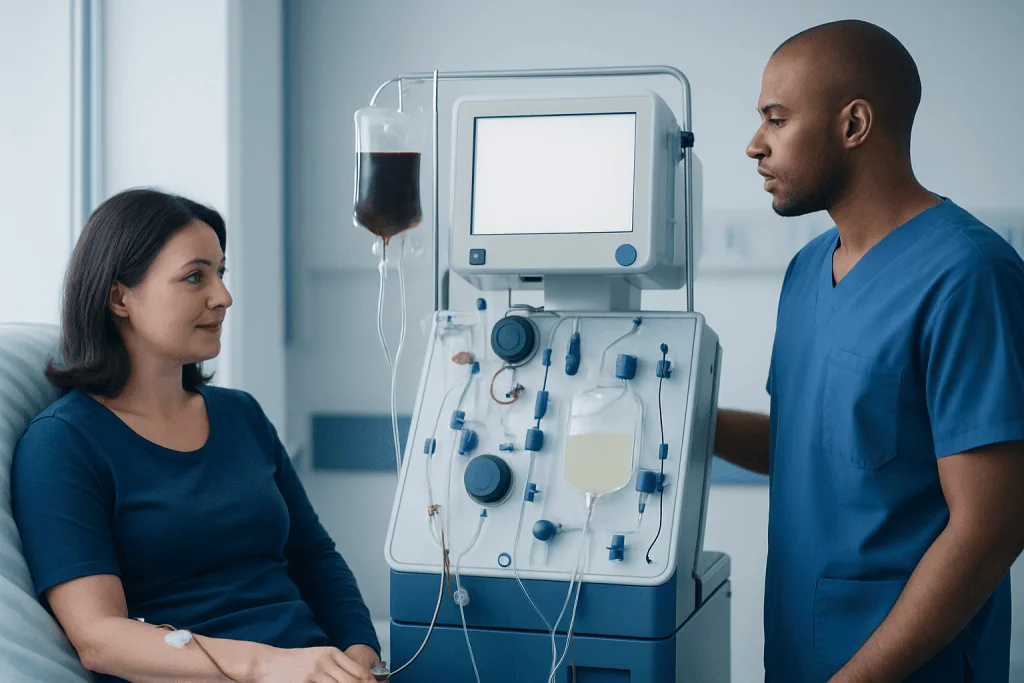
Cancer cells can sometimes avoid ordinary immune surveillance. CAR T therapy aims to strengthen a patient’s T-cell response by adding a chimeric antigen receptor, or CAR. This engineered receptor combines an external part that recognizes a marker on a cancer cell with internal signals that activate the T cell.
Many CAR T products for B-cell cancers target CD19, a protein found on many B cells. Some treatments for multiple myeloma target BCMA, a protein commonly present on myeloma cells. The target depends on the cancer type and the specific CAR T product being considered.
Once infused, CAR T cells may multiply and persist for a period of time. Their activity can reduce or eliminate detectable cancer in some patients. However, response is not guaranteed, and cancers can sometimes return or change in ways that make the target less visible to the engineered cells. The care team uses scans, blood tests, bone marrow tests or other assessments appropriate to the individual cancer to evaluate response.
Who May Be a Candidate?

Candidacy for CAR T therapy is determined individually. A multidisciplinary cancer team considers the exact diagnosis, disease stage and behavior, cancer-cell target, treatments already received, current disease burden and whether there are other suitable treatment options. Access also depends on whether an approved or clinically appropriate CAR T product is available for that cancer.
Overall health matters because the treatment can cause significant inflammation and may place stress on the heart, lungs, kidneys, liver and nervous system. Doctors review physical function, blood counts, infection status, organ function, medications and prior treatments. Age alone does not automatically decide eligibility; rather, the team considers a person’s ability to safely complete treatment and monitoring.
Active uncontrolled infection, severe organ dysfunction or rapidly progressing illness may require treatment or stabilization before CAR T therapy can proceed. Some people receive temporary treatment, often called bridging therapy, while their CAR T cells are being manufactured. This is intended to help control the cancer during the waiting period and is chosen according to the person’s disease and prior treatment history.
- Diagnosis that is known to respond to a CAR T product
- Cancer that has relapsed or is refractory after appropriate previous therapy
- Adequate organ function and clinical stability for treatment and observation
- Ability to attend frequent follow-up visits and follow infection-prevention guidance
The CAR T Therapy Process: Step by Step
The process begins with a specialist assessment and detailed planning. The care team confirms the diagnosis and treatment goal, performs baseline tests and discusses possible benefits, limitations and risks. Imaging, blood tests and sometimes bone marrow evaluation help establish a starting point for later response monitoring.
Next, T cells are collected through leukapheresis. During this outpatient procedure, blood passes through a machine that separates and collects white blood cells before returning the remaining blood components to the body. The collected cells are sent to a laboratory, where they are modified, expanded and tested. Manufacturing can take several weeks, and timing varies.
Before infusion, patients usually receive lymphodepleting chemotherapy over several days. This is not primarily intended to treat the cancer; it reduces certain immune cells and creates conditions that support the infused CAR T cells. The CAR T cells are then given through an intravenous infusion, often in a single session.
Close observation follows because reactions can occur in the days or weeks after infusion. Depending on the product, individual circumstances and local protocols, monitoring may take place in hospital or through intensive outpatient follow-up. Patients should plan for a caregiver and temporary accommodation near the treatment center when advised, as prompt assessment of symptoms is important.
Benefits, Results and Limits of Treatment
For eligible people with some difficult-to-treat blood cancers, CAR T therapy can lead to deep responses, including complete remission in some cases. For certain patients, these responses can last for years. The potential to achieve a meaningful response after prior treatments have not worked is a central reason the therapy may be considered.
Results differ substantially between cancers, CAR T products and individuals. Factors such as cancer biology, disease burden, previous therapies, the patient’s health and the ability of modified cells to expand can influence outcomes. A response may be rapid, but it can also take time to assess accurately as inflammation and treatment effects settle.
CAR T therapy has limitations. It is a complex treatment available only through appropriately equipped programs, and not every patient can receive it safely. Some cancers do not respond, while others may relapse after an initial response. If this happens, the oncology team can discuss further options, which may include additional systemic therapies, clinical trials, radiation treatment or transplant in selected circumstances.
People considering cellular therapies can benefit from a clear discussion of the expected aim of treatment: disease control, remission, preparation for another therapy or symptom-focused care. Shared decision-making helps align treatment choices with the person’s clinical situation and priorities.
Risks, Side Effects and Recovery Timeline
The most recognized early complication is cytokine release syndrome, or CRS. This occurs when activated immune cells release inflammatory signals. Symptoms can include fever, chills, low blood pressure, fast heartbeat, low oxygen levels and fatigue. CRS ranges from mild to severe and is treatable, but it requires early recognition and monitoring by an experienced care team.
Neurologic side effects, sometimes called immune effector cell-associated neurotoxicity syndrome, can include confusion, difficulty speaking or writing, headache, tremor, drowsiness or seizures. These effects are often temporary but can be serious. Patients and caregivers should report any change in alertness, speech, movement or behavior immediately.
Other possible effects include low blood cell counts, fatigue, nausea, reduced appetite, infections and low levels of normal antibodies. Because CAR T therapies targeting B cells can also reduce healthy B cells, some patients need immunoglobulin replacement or additional infection-prevention measures. Vaccination plans should be reviewed with the treatment team, as timing may need adjustment after therapy.
In the first few weeks, frequent review is common and energy levels may be reduced. Blood counts and immune recovery may take weeks to months, and follow-up continues over the longer term to assess cancer response and late effects. Patients should follow guidance about medications, food safety, exposure to infection, driving, travel and returning to work or school. Recovery is individual, so the team can provide a personalized timeline.
Preparing for Treatment and Ongoing Self-Care
Preparation is practical as well as medical. Patients may need a reliable caregiver, transport plan, accommodation close to the treatment center and a method for contacting the clinical team quickly. It is helpful to bring an up-to-date medication list and to tell the team about supplements, allergies, previous reactions to treatment and any new symptoms.
During recovery, infection prevention is particularly important. The care team may advise hand hygiene, avoiding close contact with people who are unwell, following food-safety precautions and reporting fever promptly. Patients should not start, stop or change medicines, vitamins or herbal products without checking first, as these may affect treatment or recovery.
Emotional support is also an important part of care. The uncertainty of serious illness and a complex treatment pathway can affect patients and families. Oncology nurses, psychologists, social workers and support groups may help with coping, caregiving responsibilities, work concerns and practical planning. At Acibadem International, multidisciplinary specialists in JCI-accredited hospitals support international patients undergoing assessment and treatment for appropriate hematologic cancers.
When to Seek Medical Care
Anyone being evaluated for CAR T therapy should contact their cancer team if the cancer symptoms worsen, if new symptoms develop, or if there are questions about testing, medicines or preparation. The treatment team should know about fever, cough, painful urination, diarrhea, vomiting, new rash, unusual bruising or bleeding, or a noticeable decline in strength or ability to eat and drink.
After CAR T-cell infusion, urgent medical assessment is needed for fever, chills, shortness of breath, chest pain, fainting, severe weakness, persistent vomiting, confusion, difficulty speaking, new tremor, severe headache, seizure or any rapidly worsening symptom. Patients should follow the center’s emergency instructions and inform emergency clinicians that they have recently received CAR T therapy.
Prompt communication is protective rather than a sign that treatment has failed. Many side effects are more manageable when addressed early, and the team can determine whether symptoms need monitoring, clinic assessment or emergency treatment.
Frequently asked questions
Is CAR T therapy a cure for cancer?
CAR T therapy can produce complete and sometimes long-lasting remissions in some people with certain blood cancers. However, it is not a guaranteed cure, and cancer can return after an initial response. The treating team can explain the realistic goals and expected outcomes for the individual diagnosis.
How long does the CAR T therapy process take?
The process includes evaluation, cell collection, laboratory manufacturing, preparation chemotherapy, infusion and close monitoring. Manufacturing commonly takes several weeks, although timing varies by product and clinical circumstances. Follow-up for treatment effects and response continues for months and often longer.
Is CAR T therapy painful?
The infusion itself is usually similar to receiving other treatments through an intravenous line. Leukapheresis involves needles or a central line and may cause temporary discomfort, while preparation chemotherapy can cause side effects. The more significant concerns are immune-related reactions after infusion, which the care team monitors closely.
What cancers can CAR T therapy treat?
CAR T therapy is primarily used for selected blood cancers, including certain B-cell lymphomas, <a href="https://acibademinternational.com/diseases/acute-lymphoblastic-leukemia/”>acute lymphoblastic leukemia and multiple myeloma. The exact approved indications depend on the country and the specific CAR T-cell product. It is not currently a routine treatment for most solid tumors.
How long do CAR T side effects last?
Some effects, such as cytokine release syndrome or neurologic symptoms, most often occur in the early period after infusion and may improve with treatment. Low blood counts, fatigue and increased infection risk can last longer, sometimes for weeks or months. Follow-up blood tests help guide recovery and supportive care.
Can a person receive CAR T therapy more than once?
Repeat CAR T therapy may be considered in selected situations, but it is not appropriate or available for everyone. Decisions depend on the original cancer, prior response, target expression, overall health and other treatment options. A cellular therapy specialist can review whether another cell-based treatment or a different approach is suitable.
References
- National Cancer Institute
- U.S. Food and Drug Administration
- American Cancer Society
- European Society for Medical Oncology
- Leukemia & Lymphoma Society
This article is for general information only and is not a substitute for professional medical advice. Please consult a qualified doctor about your individual situation.
Oncology care in Turkey — second opinion and treatment plan
JCI-accredited · board-certified surgeons · reply within 24h

More from the Health Library



Related Specialists

Dyt. Asel Özcan
Nutrition and Diet
Assoc. Prof. Dr. Nezih Ziroğlu
Orthopedic Surgery & Traumatology
Dr. Tijen Diri
Pediatrics
Prof. Dr. Gündüz Tezeren
Orthopedic Surgery & Traumatology