Blepharitis Alternative Treatment: How It Works, Results and What to Expect

Blepharitis is a common, often long-term inflammation of the eyelid margins that can cause burning, crusting and dry-eye symptoms. Warm compresses and gentle eyelid hygiene are evidence-based self-care foundations, rather than cures.
Key Takeaways
- Blepharitis is a common, often long-term inflammation of the eyelid margins that can cause burning, crusting and dry-eye symptoms.
- Warm compresses and gentle eyelid hygiene are evidence-based self-care foundations, rather than cures.
- “Natural” products may irritate the eyes or worsen symptoms; essential oils should not be placed in or near the eye unless specifically advised by an eye specialist.
- Improvement may begin within days, but meaningful control often takes several weeks and ongoing care may be needed.
- A clinician can check for related conditions, including dry eye, meibomian gland dysfunction, skin disease, allergy or infection.
- Urgent assessment is important for eye pain, reduced vision, marked light sensitivity, significant swelling or a red eye.
Blepharitis alternative treatment usually refers to supportive approaches such as warm compresses, careful eyelid cleansing, trigger management and selected in-clinic therapies. These measures can reduce symptoms and flare-ups, but persistent eyelid inflammation needs an eye-care assessment to identify its cause and guide safe treatment.
Overview: What Does Blepharitis Alternative Treatment Mean?
Blepharitis alternative treatment generally means non-prescription or supportive measures used alongside conventional eye care to control inflammation at the eyelid edge. The most useful approaches are usually practical rather than exotic: regular warm compresses, gentle lid cleansing, management of dry eye and treatment of contributing skin or oil-gland conditions. They can relieve symptoms and reduce recurrences, but they should not delay an eye examination when symptoms are new, severe or persistent.
Blepharitis affects the eyelid margins, where eyelashes grow and tiny oil-producing meibomian glands open. It may be associated with skin bacteria, oily debris, dandruff-like scaling, rosacea, allergy, mites or poor-quality oil secretions. It is not typically dangerous, but ongoing inflammation can be uncomfortable and may affect the tear film, the cornea or contact-lens comfort.
There is no single approach that works for every person. A safe plan starts by confirming the diagnosis and identifying whether the problem is mainly at the front of the lid near the lashes, farther back where the oil glands are located, or both. Many people also have dry eye symptoms and benefit from an integrated eye-surface care plan.
How Supportive and Alternative Approaches Work
Warm compresses are one of the best-supported home measures for posterior blepharitis and meibomian gland dysfunction. Gentle warmth can soften thickened eyelid oils, helping them move more freely into the tear film. This may improve tear stability and lessen fluctuating vision, gritty discomfort and evaporative dry eye.
After warming the lids, gentle eyelid massage and cleaning can remove accumulated debris around the lashes. Clinicians often recommend a clean warm washcloth or purpose-made heat mask, followed by an eyelid-cleaning product designed for use around the eyes. The technique should be gentle: scrubbing hard can further irritate delicate eyelid skin.
Other options may be appropriate only after clinical assessment. These include preservative-free lubricating drops for dry eye, treatment for eyelid mites when present, management of rosacea or seborrheic dermatitis, and office-based therapies aimed at warming or clearing blocked oil glands. Some people may benefit from specialist dry eye treatment when tear-film instability is contributing to symptoms.
“Natural” does not automatically mean safe for the eyes. Tea tree oil, herbal extracts, essential oils, homemade salt mixtures and cosmetic products can cause irritation, allergy or chemical injury if misused. Products should never be put into the eye unless they are specifically formulated for ophthalmic use and recommended by a qualified clinician.
Who May Benefit and What an Eye Assessment Involves

Supportive care may be suitable for adults and children with mild, recurrent eyelid crusting, irritation, burning or dry-eye symptoms once an eye-care professional has excluded other causes. It is especially relevant when examination suggests blocked meibomian glands, rosacea-associated eyelid inflammation or lash-line debris. People who wear contact lenses may need temporary changes in lens use while inflammation is active.
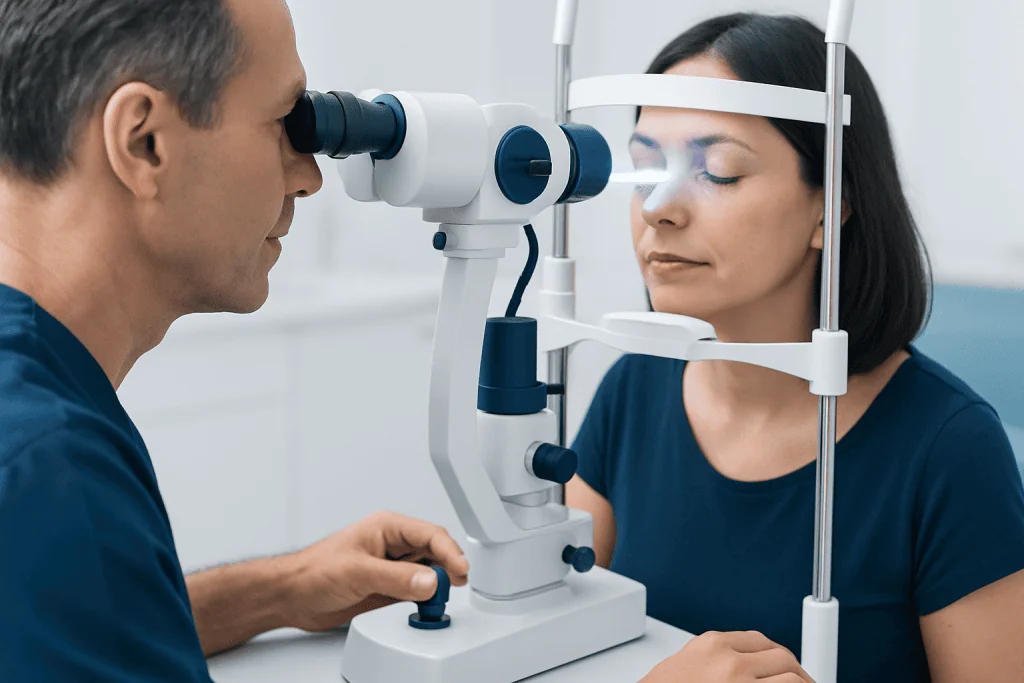
An ophthalmologist or optometrist will ask about symptoms, skincare and eye-makeup products, contact lenses, medications, skin conditions and previous eye problems. The examination may include inspection of the lid margins, lashes and glands, assessment of the tear film and surface of the eye, and a check of visual acuity. In selected cases, the clinician may look for mites, allergy, infection or corneal involvement.
Blepharitis can coexist with dry eye syndrome, and the symptoms often overlap. Identifying this connection helps avoid an overly narrow treatment plan. A clinician may also consider rosacea, eczema, seborrheic dermatitis, psoriasis or other inflammatory conditions affecting the skin around the eyes.
Alternative care is not a substitute for prescribed treatment when there is a clear medical indication. Depending on the cause and severity, a specialist may recommend medicated eye drops, ointment, oral treatment for associated skin disease, or targeted therapy for mites or gland obstruction.
A Typical Step-by-Step Eyelid Care Routine
A clinician may tailor the routine, but a common approach begins with clean hands and removal of contact lenses and eye makeup. A clean warm compress or approved heat mask is placed over closed eyes for several minutes, using comfortable—not hot—warmth. This step is intended to loosen debris and soften gland secretions.
Next, the person may gently massage the upper and lower lids toward the lash line using a clean fingertip, following the technique demonstrated by their clinician. This should not be forceful, and pressure directly on the eyeball should be avoided. Gentle massage may help express softened oils from the meibomian glands.
The final step is lid hygiene. A sterile eyelid wipe, foam or cleansing solution made for eyelid use can be applied along the base of the lashes with the eyes closed. Reusable compresses should be cleaned according to product instructions, and towels, cosmetics and eye products should not be shared.
During an active flare, daily care is often needed. Once symptoms are controlled, a less frequent maintenance routine may help prevent recurrence. A clinician can advise whether lubricating drops, prescription medicines or in-clinic gland treatment should be added rather than relying on home care alone.
How Long Does It Take to See Results From Blepharitis Treatment?
Some people notice less crusting or discomfort within several days of consistent warm compresses and lid hygiene. However, blepharitis often improves gradually. It may take two to six weeks of regular care to judge whether a routine is working, especially when blocked oil glands or dry eye are involved.
The timeline depends on the cause, severity and whether other conditions are present. Treatment for eyelid mites, bacterial overgrowth, rosacea or significant meibomian gland dysfunction may require a different schedule and additional therapy. Symptoms can also fluctuate with weather, screen use, cosmetics, contact lenses and general health.
Ongoing maintenance is common because blepharitis tends to relapse. If symptoms remain unchanged after a few weeks of careful treatment, worsen at any point, or repeatedly return, an eye specialist should reassess the diagnosis and plan.
What Gets Mistaken for Blepharitis?
Several eye and skin problems can resemble blepharitis. Dry eye disease can cause burning, grittiness, redness and intermittent blurred vision. Allergic conjunctivitis may produce itchiness, tearing and eyelid swelling, while irritant reactions can follow new cosmetics, lash products, facial cleansers or eye drops.
A stye or chalazion may cause a localized tender or painless eyelid lump rather than diffuse lid-margin inflammation. Conjunctivitis, contact-lens irritation, recurrent corneal erosion and some infections may also produce redness and discomfort. Skin disorders such as eczema, rosacea and seborrheic dermatitis can affect the eyelids and require broader management.
Persistent one-sided symptoms, loss or distortion of eyelashes, a non-healing eyelid lesion or recurrent swelling in the same location should be assessed by an ophthalmologist. These signs do not necessarily indicate a serious problem, but they warrant an accurate diagnosis rather than continued self-treatment.
What Vitamins Help Blepharitis?
No vitamin has been proven to cure blepharitis. A balanced diet that meets general nutritional needs supports overall eye and skin health, but supplements should not replace lid hygiene or clinician-directed treatment. Deficiencies are uncommon in people who eat a varied diet, and taking high-dose supplements without advice can cause harm or interact with medicines.
Omega-3 fatty acids have been studied for dry eye and meibomian gland dysfunction, with mixed results. Some individuals may find them helpful, while others do not. An eye specialist or primary-care clinician can help determine whether dietary changes or a supplement is appropriate, particularly for people who use blood-thinning medication, are pregnant or have chronic health conditions.
Vitamin A is essential for normal vision and the eye surface, but excess vitamin A can be toxic. It should not be self-prescribed in high doses for eyelid symptoms. If a clinician suspects a nutritional deficiency or another systemic condition, testing and individualized guidance are safer than trial-and-error supplementation.
Is There a Way to Permanently Get Rid of Blepharitis?
Blepharitis is often a chronic or recurrent condition, so a permanent cure is not always possible. The realistic goal is long-term control: reducing inflammation, keeping the lid margins clean, improving gland function and treating triggers or associated conditions. Many people achieve comfortable, stable symptoms with a consistent maintenance plan.
When a specific contributing factor is identified, targeted treatment can make a substantial difference. For example, managing rosacea, treating eyelid mites, changing irritating cosmetics or improving meibomian gland function may reduce repeated flares. Stopping treatment as soon as symptoms improve can allow debris and gland blockage to build up again.
Regular review is useful when episodes are frequent or difficult to control. Acibadem International’s multidisciplinary specialists and JCI-accredited hospitals can evaluate eyelid inflammation and related eye-surface conditions for international patients, with care plans based on the underlying cause.
Benefits, Risks and When to Seek Medical Care
The benefits of appropriate blepharitis care can include less irritation, reduced crusting, improved contact-lens comfort and better tear-film stability. Warm compresses and properly designed lid cleansers are generally low risk when used gently and hygienically. The main limitation is that improvement often requires consistent long-term care.
Possible problems include skin irritation from cleansers or cosmetics, worsening symptoms from overly hot compresses, and eye-surface irritation from unsuitable homemade or herbal preparations. Contact lenses should not be worn when the eye is very red, painful or producing discharge unless a clinician advises otherwise. Eye makeup should be replaced regularly and avoided during significant flares.
When to seek medical care: Prompt assessment is advised for reduced or changing vision, significant eye pain, marked sensitivity to light, injury, severe redness, increasing eyelid swelling, fever, pus-like discharge, or a rash involving the eyelids. Medical review is also appropriate when symptoms do not improve with gentle care, recur frequently, or occur in a child.
Emergency care is important if there is sudden vision loss, severe pain, chemical exposure or a rapidly worsening swollen red eye. These symptoms are not typical of uncomplicated blepharitis and need urgent evaluation.
Frequently asked questions
Can warm compresses cure blepharitis?
Warm compresses can help loosen eyelid debris and improve the flow of meibomian gland oils, which may reduce symptoms. They do not usually cure a tendency toward blepharitis, so maintenance lid care is often needed. A clinician can advise the safest method and frequency.
Can I use tea tree oil for blepharitis?
Tea tree oil can irritate the eyes and eyelid skin if it is concentrated or used incorrectly. Some professionally formulated treatments may be used for confirmed eyelid mites under clinical guidance. Homemade mixtures and essential oils should not be applied in or near the eyes.
Should I stop wearing contact lenses during a blepharitis flare?
It is often sensible to pause contact-lens wear when the eyes are red, uncomfortable or producing discharge. This can reduce irritation and allow the eye surface to recover. An eye-care professional can advise when lenses can be safely resumed and whether lens hygiene needs to change.
Does blepharitis cause blurry vision?
Blepharitis can cause temporary blurred or fluctuating vision when it disrupts the tear film or leads to dry eye. Vision should clear with blinking or lubricating treatment in many cases. Persistent, sudden or marked vision changes need prompt medical assessment.
Can eye makeup make blepharitis worse?
Eye makeup, lash extensions, old cosmetic products and incomplete makeup removal can irritate the eyelid margins or trap debris. Avoiding makeup during active inflammation and replacing eye products regularly may help. People should choose products carefully and stop any product that causes irritation.
Is blepharitis contagious?
Most forms of blepharitis are not contagious. It is commonly linked to oil-gland dysfunction, skin conditions, irritation or normal bacteria on the skin. However, an eye professional should evaluate symptoms that could represent infectious conjunctivitis or another contagious eye condition.
References
- American Academy of Ophthalmology
- National Eye Institute
- Mayo Clinic
- British Association of Dermatologists
- American Optometric Association
This article is for general information only and is not a substitute for professional medical advice. Please consult a qualified doctor about your individual situation.
Explore treatments in Turkey — costs, top hospitals & a free quote
JCI-accredited · board-certified surgeons · reply within 24h