Allergic Conjunctivitis

Quick answer
Allergic conjunctivitis is inflammation of the eye’s conjunctiva triggered by allergens such as pollen, dust, or pet dander, causing redness, itching, tearing, and swelling. Treatment focuses on reducing allergen exposure and relieving symptoms with eye drops, cold compresses, and allergy medicines, while ophthalmology specialists assess the eyes and tailor care to the severity and trigger.
What is allergic conjunctivitis?
Allergic conjunctivitis is inflammation of the conjunctiva: the thin, clear membrane that covers the white part of the eye and lines the inside of the eyelids, caused by an allergic reaction. When a person who is sensitive to a particular substance, called an allergen, comes into contact with it, the immune system releases chemicals such as histamine. In the eye, this release leads to redness, itching, tearing, and swelling. The condition is coded H10.1 in the ICD-10 classification system, which doctors use to record diagnoses.
Unlike infectious forms of conjunctivitis (often called “pink eye”), allergic conjunctivitis is not caused by bacteria or viruses and is not contagious. You cannot pass it to another person, and you cannot catch it from someone else.
Allergic conjunctivitis is very common. It affects children and adults of all ages, and it often occurs in people who also have other allergic conditions such as hay fever (allergic rhinitis), asthma, or eczema (atopic dermatitis). In many people the condition is seasonal, flaring when pollen counts are high in spring or summer. In others it is perennial, meaning it occurs year-round, usually because of indoor allergens such as dust mites, mold, or animal dander. Understanding what is allergic conjunctivitis, and how it differs from infection, helps patients avoid unnecessary antibiotics and find relief with the right approach.
Symptoms
Allergic conjunctivitis symptoms usually affect both eyes at the same time, which is one clue that distinguishes it from many infections, which often start in one eye. The hallmark symptom is itching. In fact, many eye specialists say that if the eyes do not itch, the diagnosis of allergy is less likely.
Common allergic conjunctivitis symptoms include:
- Itchy eyesoften intense, and usually the most bothersome symptom
- Redness in the whites of both eyes
- Watery, tearing eyes
- Burning or gritty sensation, as if something is in the eye
- Swollen or puffy eyelids, sometimes with swelling of the conjunctiva itself (called chemosis), which can make the eye surface look glassy or jelly-like
- Stringy, clear mucus discharge, rather than the thick yellow or green discharge typical of bacterial infection
- Sensitivity to light in more severe cases
- Dark circles under the eyes, sometimes called “allergic shiners,” caused by congestion
Symptoms often occur together with nasal allergy symptoms such as sneezing, a runny or blocked nose, and an itchy throat. Rubbing the eyes usually makes the itching and swelling worse, because rubbing releases more histamine.
How symptoms differ by type
Doctors recognize several forms of allergic eye disease, and symptoms vary somewhat between them:
- Seasonal allergic conjunctivitis: symptoms flare during pollen seasons and settle at other times of year. Episodes are usually mild to moderate.
- Perennial allergic conjunctivitis: symptoms are present year-round and are often milder but more persistent, typically linked to indoor allergens.
- Vernal keratoconjunctivitis: a less common but more severe form seen mainly in boys and young men, often in warm climates. It can cause intense itching, thick mucus, and, in some cases, involvement of the cornea (the clear front window of the eye), which may threaten vision if untreated.
- Atopic keratoconjunctivitis: a chronic, potentially severe form seen mainly in adults with eczema. It can also affect the cornea and requires specialist care.
- Giant papillary conjunctivitis: an allergy-like reaction most often related to contact lens wear, causing itching, mucus, and lens intolerance.
For most people, allergic conjunctivitis is uncomfortable but does not damage vision. The severe forms listed above are exceptions and need ongoing care from an eye doctor.
Causes and risk factors
Allergic conjunctivitis causes come down to an overreaction of the immune system. In sensitized people, the immune system mistakes a harmless substance for a threat. Specialized cells in the conjunctiva, called mast cells, release histamine and other inflammatory chemicals when they encounter the allergen. Histamine makes small blood vessels leak and widen, producing the redness, swelling, watering, and itching typical of the condition.
Common allergens that trigger allergic conjunctivitis include:
- Pollen from trees, grasses, and weeds (the usual cause of seasonal symptoms)
- Dust mites, microscopic creatures found in bedding, carpets, and upholstered furniture
- Animal dander, which is tiny flakes of skin from cats, dogs, and other furred animals
- Mold spores, both indoor and outdoor
- Cosmetics, eye drops, or contact lens solutions, which can cause contact-type allergic reactions in some people
Risk factors that make allergic conjunctivitis more likely include:
- A personal history of other allergic conditions, such as hay fever, asthma, or eczema
- A family history of allergies, since the tendency to develop allergic disease often runs in families
- Living in areas with high pollen counts or significant air pollution, which can worsen symptoms
- Contact lens wear, particularly for giant papillary conjunctivitis
Irritants such as smoke, strong perfumes, and chlorine in swimming pools do not cause true allergy, but they can inflame the eye surface and make allergic symptoms feel worse.
Diagnosis
Allergic conjunctivitis diagnosis is usually clinical, meaning the doctor makes the diagnosis based on your symptoms, your medical history, and an examination of your eyes. In most cases, no special tests are needed.
During the assessment, the doctor will typically:
- Take a detailed historyasking when symptoms occur, whether both eyes are affected, whether the eyes itch, whether symptoms follow a seasonal pattern, and whether you have other allergic conditions or known triggers.
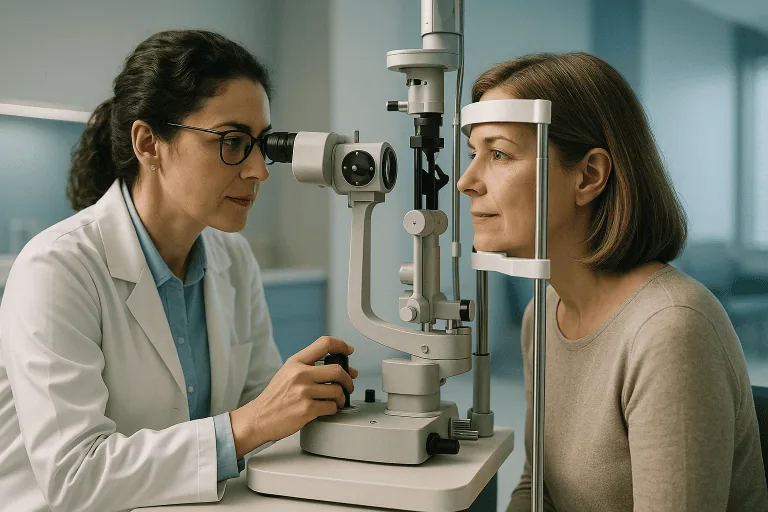
- Examine the eyesoften with a slit lamp, which is a special microscope with a bright light that lets the doctor look closely at the conjunctiva, eyelids, and cornea. The doctor may look for small bumps called papillae on the inside of the eyelids, which are common in allergic eye disease.
- Check visionto confirm that sight is not affected, since uncomplicated allergic conjunctivitis should not reduce vision.
Additional tests are sometimes used, particularly when the diagnosis is unclear, symptoms are severe, or identifying the trigger would change treatment:
- Skin prick testing: tiny amounts of common allergens are placed on the skin, usually the forearm, and lightly pricked. A small raised bump indicates sensitivity to that allergen. This test is usually carried out by an allergy specialist.
- Blood tests: tests that measure allergen-specific IgE antibodies (immune proteins involved in allergic reactions) can help identify triggers when skin testing is not suitable.
- Conjunctival scraping or tear sampling: rarely, a sample from the eye surface may be examined for certain cells associated with allergy, mainly in specialized settings.
Imaging such as scans is not needed to diagnose allergic conjunctivitis. Part of the doctor’s job is to rule out other causes of red, irritated eyes, including viral or bacterial conjunctivitis, dry eye disease, and blepharitis (inflammation of the eyelid margins), because these conditions are treated differently. At hospital groups such as Acibadem, allergic conjunctivitis is typically managed within the ophthalmology (eye) department, sometimes together with allergy and immunology specialists when trigger testing or immunotherapy is being considered.
Treatment options
Allergic conjunctivitis treatment aims to relieve symptoms, reduce inflammation, and, where possible, limit contact with the allergen. Treatment is usually stepwise: doctors start with simple measures and add medication if needed. There is no single cure, but most people achieve good control with the right combination of steps.
Allergen avoidance and self-care
Avoiding or reducing exposure to the trigger is the foundation of treatment. Depending on your allergen, your doctor may suggest:
- Keeping windows closed and staying indoors when pollen counts are high
- Wearing wraparound sunglasses outdoors to reduce pollen reaching the eyes
- Washing hands and face, and showering after time outdoors during pollen season
- Using allergen-proof covers on mattresses and pillows and washing bedding in hot water if dust mites are the trigger
- Keeping pets out of bedrooms and washing hands after handling animals
- Avoiding rubbing the eyes, which worsens the reaction
Simple comfort measures also help: cool compresses over closed eyes can ease itching and swelling, and preservative-free artificial tears (lubricating eye drops) can wash allergens off the eye surface and soothe irritation. Contact lens wearers are often advised to pause lens use during flare-ups.
Medications
When avoidance and self-care are not enough, several types of medication are commonly used:
- Antihistamine eye drops: these block histamine, the main chemical responsible for itching and redness, and relieve symptoms relatively quickly.
- Mast cell stabilizer eye drops: these prevent mast cells from releasing histamine in the first place. They work best when used regularly and started before symptoms peak, for example before pollen season begins.
- Dual-action eye drops: many modern prescription drops combine antihistamine and mast cell stabilizing effects and are often a first choice for ongoing symptoms.
- Oral antihistamines: tablets or syrups can help when eye symptoms occur alongside nasal allergy symptoms, though some oral antihistamines can dry the eyes and are less targeted than drops.
- Nonsteroidal anti-inflammatory (NSAID) eye drops: occasionally used to reduce inflammation and discomfort.
- Corticosteroid eye drops: reserved for severe or persistent cases and used for short periods under close supervision by an eye doctor. Long-term or unsupervised steroid use can raise pressure inside the eye, contribute to cataract formation, and increase infection risk, so these drops should never be used without medical guidance.
Decongestant (“get the red out”) drops sold over the counter may whiten the eyes temporarily, but doctors generally advise against using them for more than a few days, because they can cause rebound redness when stopped.
Immunotherapy
For people with significant, persistent allergies confirmed by testing, allergen immunotherapy may be an option. This treatment involves giving gradually increasing amounts of the allergen, as injections under the skin or as tablets or drops under the tongue, to train the immune system to tolerate it. Immunotherapy is a long-term commitment, typically lasting several years, and is managed by allergy specialists. It can reduce symptoms in many patients, though responses vary from person to person.
Procedures and surgery
Surgery is not a treatment for ordinary allergic conjunctivitis. In rare, severe forms such as vernal or atopic keratoconjunctivitis with corneal complications, an ophthalmologist may consider additional interventions, but these situations are uncommon and handled case by case in specialist care.
Living with allergic conjunctivitis and outlook
The outlook for allergic conjunctivitis is generally good. It is a manageable condition, and for most people it does not cause lasting harm to the eyes or vision. Seasonal forms often improve once the relevant pollen season ends, and some children find their symptoms lessen as they grow older, although this cannot be promised in any individual case.
Because allergy reflects a long-term tendency of the immune system, symptoms may return whenever you are exposed to your trigger. Many people learn to anticipate their difficult seasons and, with their doctor’s guidance, start preventive eye drops a couple of weeks before symptoms usually begin. Keeping a simple diary of when symptoms flare can help you and your doctor identify patterns and triggers.
Practical points for daily life include managing indoor allergens, avoiding eye rubbing, following instructions for any prescribed drops (including how to store them and how long to use them), and reviewing contact lens habits with your eye doctor if lenses seem to worsen symptoms. People with the rarer severe forms, such as vernal or atopic keratoconjunctivitis, need regular follow-up with an ophthalmologist, since these conditions can involve the cornea and require closer monitoring. With consistent management, most patients keep their symptoms at a level that does not interfere significantly with work, school, or sleep.
Frequently asked questions
What is allergic conjunctivitis in simple terms?
It is an allergic reaction on the surface of the eye. The thin membrane covering the white of the eye and the inner eyelids becomes inflamed when it contacts something you are allergic to, such as pollen, dust mites, or pet dander. This causes itching, redness, watering, and swelling, usually in both eyes. It is not an infection and cannot be spread to other people.
Is allergic conjunctivitis contagious?
No. Allergic conjunctivitis is caused by your own immune system reacting to an allergen, not by bacteria or viruses, so it cannot be passed between people. However, viral and bacterial conjunctivitis can look similar and are contagious, which is one reason it is worth having persistent red eyes checked by a doctor rather than assuming the cause.
Can allergic conjunctivitis go away on its own?
Often, yes, at least temporarily. Symptoms usually settle once exposure to the allergen ends, for example when pollen season finishes or after you leave a house with a pet you are allergic to. The underlying allergy, however, tends to persist, so symptoms commonly return with the next exposure. Treatment focuses on controlling symptoms and, in selected cases, retraining the immune system with immunotherapy.
How serious is allergic conjunctivitis? Can it damage my eyes?
For the great majority of people, allergic conjunctivitis is uncomfortable but not dangerous, and it does not damage vision. Rare severe forms, such as vernal and atopic keratoconjunctivitis, can affect the cornea and may threaten sight if left untreated, which is why severe, persistent, or vision-affecting symptoms should always be evaluated by an eye specialist. Frequent hard eye rubbing is also discouraged, as it can irritate the eye surface.
What is the best allergic conjunctivitis treatment?
There is no single best option for everyone. Most people do well with a combination of allergen avoidance, cool compresses, lubricating drops, and antihistamine or dual-action allergy eye drops. Doctors may add short courses of stronger anti-inflammatory drops for severe flares, always under supervision. If allergies are severe and confirmed by testing, immunotherapy may be discussed. Your doctor can tailor a plan to your triggers and symptom pattern.
Can I wear contact lenses if I have allergic conjunctivitis?
Many people with allergies can wear contact lenses, but it is often best to pause lens wear during a flare, since allergens and inflammatory chemicals can build up on lenses and worsen irritation. Some patients find daily disposable lenses more comfortable during allergy season. Also, most eye drops should not be put in while lenses are in place, so ask your eye doctor how to time your drops and lens wear.
How do doctors tell allergic conjunctivitis apart from infection?
Doctors rely on the pattern of symptoms and an eye examination. Allergy typically affects both eyes, itches intensely, produces watery or stringy clear discharge, and often accompanies nasal allergy symptoms. Infections more often start in one eye, may cause thick yellow or green discharge, and can follow a cold or contact with someone who has pink eye. When the picture is unclear, an eye examination, and occasionally allergy testing, helps confirm the diagnosis.
When to see a doctor
Mild, familiar allergy symptoms can often be managed with self-care and over-the-counter drops. However, you should see a doctor if symptoms are severe, last more than a few days despite treatment, keep coming back, or if you are unsure whether the cause is allergy or infection. Children with significant or persistent eye symptoms should also be assessed, particularly boys with intense seasonal itching, which can suggest vernal keratoconjunctivitis.
Seek prompt medical attention, urgently, if needed, if you notice any of the following red-flag warning signs, as they may indicate a more serious eye condition rather than simple allergy:
- Eye pain that is more than mild irritation or grittiness
- Reduced or blurred vision that does not clear with blinking
- Marked sensitivity to light
- Thick yellow or green discharge, which suggests infection
- Symptoms in only one eye that persist or worsen
- A feeling that something is stuck in the eye that does not go away
- Intense redness with severe eyelid swelling, especially with fever or feeling unwell
- Symptoms in a contact lens wearer that include pain, light sensitivity, or vision change, since lens-related infections can progress quickly
- An eye injury or chemical splash preceding the symptoms
If you are already using steroid eye drops, do not extend or repeat the treatment on your own; follow-up with the prescribing eye doctor is important because of the risks associated with unsupervised steroid use. In hospital settings such as Acibadem, urgent eye complaints are assessed by ophthalmology teams who can distinguish allergic conjunctivitis from conditions that need different or more urgent treatment.
Medically reviewed by the Acıbadem International Medical Board September 3, 2026
See our medical review board →
Update history
- PublishedJune 14, 2026
- Medical review approvedSeptember 3, 2026
- Last content updateSeptember 2, 2026