Red Light Therapy Neuropathy: How It Works, Results and What to Expect
Red and near-infrared light therapy is being studied as a supportive treatment for neuropathy symptoms, not a proven cure. Some people may notice temporary improvement in pain or comfort, while others may have no meaningful response.
Key Takeaways
- Red and near-infrared light therapy is being studied as a supportive treatment for neuropathy symptoms, not a proven cure.
- Some people may notice temporary improvement in pain or comfort, while others may have no meaningful response.
- Neuropathy should be assessed for treatable causes, including diabetes, vitamin deficiencies, medication effects, alcohol use, and nerve compression.
- A clinician can help determine whether light therapy is appropriate and ensure it does not delay evidence-based treatment.
- New weakness, rapidly worsening numbness, balance problems, foot wounds, or sudden symptoms require prompt medical assessment.
Red light therapy neuropathy refers to using low-level red or near-infrared light to try to ease neuropathy symptoms such as burning, tingling, or pain in the feet. It may be a supportive option for selected people, but research remains limited, results vary, and identifying the cause of neuropathy is essential.
Red Light Therapy Neuropathy: What It Means
Red light therapy neuropathy describes the use of low-level red or near-infrared light on areas affected by peripheral neuropathy, most commonly the feet and lower legs. The goal is usually to reduce symptoms such as burning, prickling, numbness, sensitivity to touch, or aching discomfort. It is also called photobiomodulation or low-level light therapy.
Red light therapy may help some people feel more comfortable, but it is not established as a cure for nerve damage and should not replace a medical evaluation. The quality of research is mixed, with different devices, treatment schedules, and causes of neuropathy studied. For this reason, a person’s response can be difficult to predict.
Peripheral neuropathy is a broad term for damage or dysfunction of nerves outside the brain and spinal cord. Diabetes is a common cause, but neuropathy can also be related to vitamin B12 deficiency, kidney disease, thyroid disease, alcohol exposure, some medicines, autoimmune conditions, infections, inherited disorders, or pressure on a nerve. Diabetic neuropathy is one important form that benefits from careful blood glucose management and regular foot care.
How Does Red Light Therapy Work for Neuropathy?
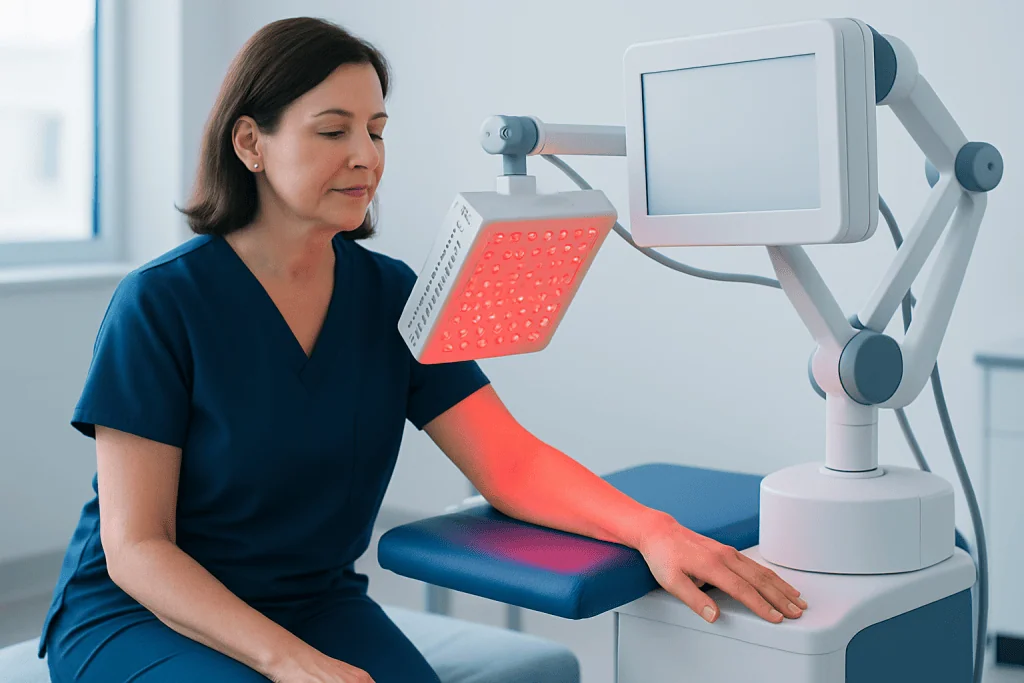
Red light therapy devices deliver specific wavelengths of visible red light or invisible near-infrared light to the skin. Unlike ultraviolet light, these wavelengths do not tan the skin and are not intended to damage tissue. Near-infrared light can reach somewhat deeper than visible red light, although the amount of light reaching an affected nerve depends on the device, body area, and tissue thickness.
Researchers believe photobiomodulation may influence cell activity, circulation, inflammation-related signaling, and the energy-producing structures within cells called mitochondria. These effects could potentially support tissue repair processes or change how pain signals are perceived. However, these biological theories do not prove that light treatment repairs damaged peripheral nerves in real-world clinical settings.
In practice, red light therapy is best viewed as a possible adjunct for symptom management rather than a replacement for treating the underlying cause. For example, controlling diabetes, correcting a nutritional deficiency, adjusting an offending medicine under medical supervision, or treating a compressed nerve may have a greater impact on long-term nerve health.
Who May Be a Candidate and What Happens During Treatment?

A person may consider red light therapy after a clinician has assessed the cause and pattern of neuropathy. It may be discussed for stable, chronic symptoms, particularly when an individual is already following a treatment plan for the underlying condition but still has discomfort. A neurological examination and, when needed, blood tests, nerve conduction studies, electromyography, or imaging can help clarify the diagnosis.
Red light therapy may not be suitable as a self-directed first step when symptoms are new, rapidly progressing, one-sided, or accompanied by weakness. It should also be approached carefully in people with reduced sensation, open wounds, active skin disease, a history of photosensitivity, or use of medicines that increase light sensitivity. A clinician can advise on device safety and whether the treatment area should be avoided.
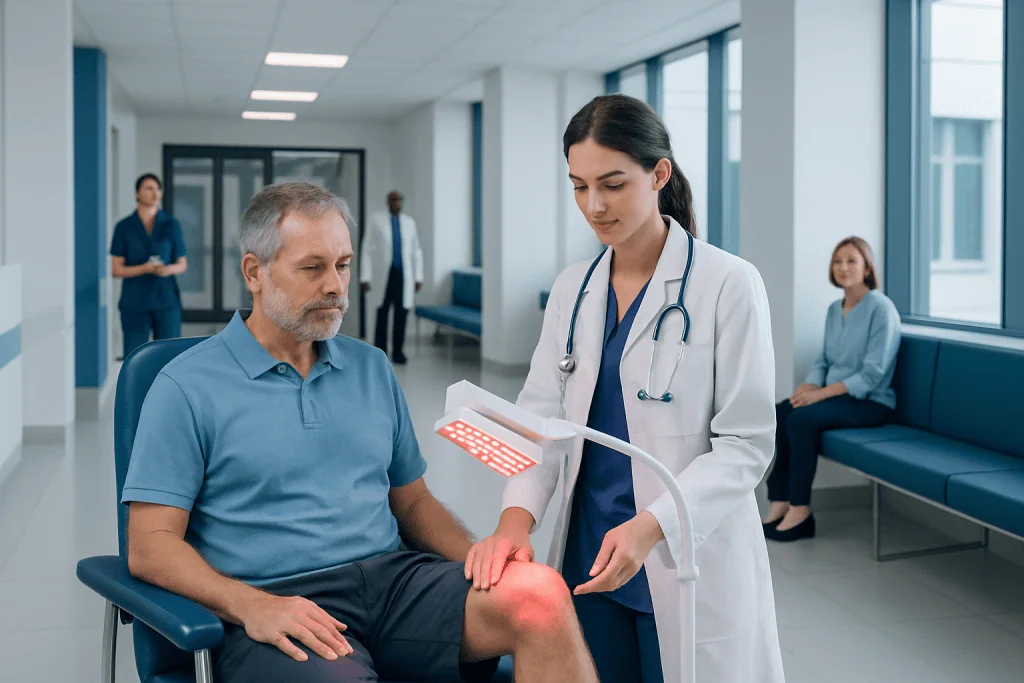
During a supervised session, the clinician positions a light panel, pad, or handheld device over the affected area, usually without breaking the skin. The treatment is generally painless; a person may feel mild warmth, but it should not be uncomfortably hot. Sessions vary in duration and schedule because there is no universally accepted protocol for neuropathy. A rehabilitation or pain specialist may incorporate supportive modalities within an individualized physical therapy and rehabilitation program.
- Symptoms, skin condition, and foot circulation may be checked before treatment.
- The device is placed at the recommended distance from the skin for its specific design.
- Eyes should be protected when advised, particularly around bright light sources.
- Progress should be assessed by changes in pain, sleep, walking comfort, balance, and daily function—not only by sensation during a session.
Benefits, Limits, Risks and Recovery Expectations
The potential benefit of red light therapy is symptom relief with a noninvasive approach. Some small studies and clinical experiences suggest possible improvements in pain or sensory symptoms for certain people, but findings are not consistent enough to establish it as standard neuropathy treatment. It is not known to reliably restore normal nerve function or prevent complications such as diabetic foot ulcers.
There is usually no recovery period after a session. Most people can return to normal activities immediately. If a benefit occurs, it is more likely to develop gradually across repeated sessions than immediately after one treatment. Keeping a simple symptom diary can help distinguish a sustained improvement from normal day-to-day variation.
Side effects are usually mild when an appropriate device is used correctly, but may include temporary warmth, redness, skin irritation, headache, or eye discomfort from bright light exposure. Burns are uncommon but possible with excessive heat, prolonged exposure, poor-quality devices, or use on skin with reduced sensation. People with neuropathy should not rely on feeling heat as a safety signal.
It is important not to use red light therapy as a reason to postpone proven care. Regular foot checks, properly fitting footwear, exercise and rehabilitation when appropriate, glucose management for diabetes, and clinician-guided pain treatment remain important parts of care.
How Long Does It Take Red Light Therapy to Help Neuropathy in Feet?
There is no reliable timetable for how long it takes red light therapy to help neuropathy in feet. If a person responds, changes in comfort may be noticed after several sessions or over several weeks, rather than after a single treatment. Others may not experience meaningful improvement at all.
How long it takes for red light therapy to work on neuropathy may depend on the cause, severity, duration of nerve symptoms, device characteristics, treatment schedule, and whether the underlying condition is being controlled. Long-standing nerve damage is generally less likely to improve quickly than symptoms related to a reversible contributor that is addressed early.
How often a person should use red light therapy for neuropathy should be decided with a qualified clinician or according to a medically appropriate device protocol. More frequent or longer sessions are not necessarily more effective and may raise the risk of skin overheating. If symptoms worsen or there is no meaningful benefit after a reasonable clinician-agreed trial, the approach should be reviewed rather than continued indefinitely.
Can Red Light Therapy Reverse Neuropathy?
Red light therapy has not been shown to reliably reverse neuropathy. It may help some people with pain or discomfort, but there is insufficient evidence that it consistently regenerates damaged nerves, restores numbness, or removes the underlying cause of peripheral neuropathy.
Whether neuropathy can improve depends largely on its cause. Nerve symptoms may improve when a reversible problem is found and treated, such as a vitamin deficiency, poorly controlled diabetes, alcohol-related injury, medication toxicity, or nerve compression. In other cases, especially when nerve damage is advanced or longstanding, care may focus on preventing progression, reducing pain, preserving mobility, and protecting the feet.
A comprehensive neurological assessment is valuable because numbness and burning can have different causes that require different treatment. For example, pain from a pinched spinal nerve may need a different plan from diffuse diabetic neuropathy. Red light therapy should only be considered as one possible supportive tool within that broader plan.
Why Don't Doctors Recommend Red Light Therapy?
Some doctors may not routinely recommend red light therapy because current evidence for peripheral neuropathy is limited and inconsistent. Studies have used different wavelengths, device strengths, treatment durations, and patient groups, making it difficult to identify the most effective approach or to know who is most likely to benefit.
Doctors also prioritize treatments that address the cause of neuropathy and have stronger evidence for safety and effectiveness. These may include managing diabetes or another medical condition, correcting deficiencies, reviewing medications, treating nerve compression, using clinician-prescribed medicines for neuropathic pain when appropriate, and supporting balance and mobility through rehabilitation.
This does not necessarily mean red light therapy is unsafe or never useful. Rather, it means it should be discussed realistically: it may be an optional adjunct for selected people, not a replacement for diagnosis or established care. A clinician can also help a person avoid devices that make unsupported claims about curing nerve damage.
What Is the Most Successful Treatment for Neuropathy?
The most successful treatment for neuropathy is treatment tailored to its cause. There is no single best treatment for everyone. For diabetic neuropathy, steady blood glucose management, cardiovascular risk reduction, foot protection, and symptom treatment are central. For vitamin-related neuropathy, safely correcting the deficiency may be important; for compression neuropathy, relieving pressure on the nerve may be considered.
Neuropathic pain is often managed with a combination of strategies. Depending on the person’s diagnosis, health history, and symptoms, a clinician may recommend specific prescription medicines, topical treatments, exercise, physical therapy, sleep support, and psychological pain-management approaches. Regular foot inspection and podiatric care are especially important for people who have numbness or diabetes.
Specialist evaluation is particularly helpful when symptoms affect walking, sleep, work, or safety. Acibadem International’s multidisciplinary specialists and JCI-accredited hospitals assess and treat neurological conditions for international patients, coordinating neurology, endocrinology, rehabilitation, pain care, and other services when needed. Neurology assessment can help identify the cause of nerve symptoms and develop an evidence-based care plan.
Red light therapy may be considered only after the core treatment plan is in place. It should be measured against meaningful goals, such as less pain at night, improved walking tolerance, or better sleep, rather than assumed to work solely because it is noninvasive.
When to Seek Medical Care
A person should arrange a medical appointment for new numbness, tingling, burning pain, reduced sensation, or balance changes—especially if symptoms persist, interfere with sleep, or affect both feet. Early assessment may identify a treatable cause and can help prevent injuries that go unnoticed because of reduced feeling.
Urgent medical care is needed for sudden weakness, facial drooping, difficulty speaking, loss of bladder or bowel control, rapidly spreading numbness, severe back pain with leg weakness, or sudden loss of coordination. These symptoms can indicate conditions that need prompt evaluation and are not appropriate for self-treatment with a light device.
People with diabetes or reduced foot sensation should seek care promptly for a blister, cut, ulcer, redness, swelling, drainage, color change, or unexplained warmth in a foot. Until assessed, they should avoid heating pads and should not apply any device to broken or infected skin unless specifically advised by their healthcare professional.
Frequently asked questions
How does red light therapy help with neuropathy?
Red and near-infrared light may affect cellular activity, local circulation, and pain-related signaling. These effects may reduce discomfort for some people, but evidence does not show that it reliably repairs damaged nerves. It should be used, if at all, alongside treatment for the cause of neuropathy.
Is red light therapy safe for neuropathy in the feet?
It is generally noninvasive, but safety depends on the device, exposure time, skin condition, and medical history. People with reduced sensation may not recognize excessive heat, so burns or irritation can occur. A clinician should advise before use, particularly if there are wounds, diabetes-related foot problems, or photosensitivity.
Can I use red light therapy every day for neuropathy?
There is no universally accepted daily schedule for neuropathy. Using it more often or for longer does not necessarily improve results and may increase the chance of skin irritation or overheating. A healthcare professional can help determine whether a time-limited trial is appropriate.
Will red light therapy help numbness as well as pain?
Some people seek light therapy for numbness, tingling, burning, or pain, but responses vary. Research does not show consistent restoration of normal sensation or nerve function. Persistent numbness still requires evaluation because it can increase the risk of unnoticed foot injuries.
Should red light therapy be used instead of neuropathy medication?
No. A person should not stop or change prescribed neuropathy treatment without consulting the clinician who manages their care. Red light therapy may be considered a supportive option for selected individuals, but it does not replace treatment for conditions such as diabetes, vitamin deficiency, or nerve compression.
What should I do if my neuropathy is getting worse?
Worsening pain, spreading numbness, weakness, falls, or changes in walking should be assessed by a doctor. Prompt review is also important for foot wounds, redness, swelling, or infection signs. The clinician can reassess the diagnosis, look for reversible causes, and adjust the treatment plan.
References
- National Institute of Neurological Disorders and Stroke
- National Institute of Diabetes and Digestive and Kidney Diseases
- American Academy of Neurology
- American Diabetes Association
- Mayo Clinic
This article is for general information only and is not a substitute for professional medical advice. Please consult a qualified doctor about your individual situation.
Explore treatments in Turkey — costs, top hospitals & a free quote
JCI-accredited · board-certified surgeons · reply within 24h