Can IBS Be Diagnosed by Colonoscopy: Preparation, Procedure and Results

Colonoscopy cannot directly confirm IBS because IBS usually does not cause visible inflammation, ulcers or structural bowel changes. Doctors commonly diagnose IBS using symptom-based criteria, medical history, examination and targeted tests when needed.
Key Takeaways
- Colonoscopy cannot directly confirm IBS because IBS usually does not cause visible inflammation, ulcers or structural bowel changes.
- Doctors commonly diagnose IBS using symptom-based criteria, medical history, examination and targeted tests when needed.
- A colonoscopy may be appropriate for people with rectal bleeding, anemia, unintentional weight loss, new symptoms later in life or a relevant family history.
- IBS can make bowel preparation more uncomfortable for some people, but it does not usually prevent an effective colonoscopy.
- Most people return to usual activities the day after colonoscopy, although sedation means driving should be avoided on the procedure day.
Can IBS be diagnosed by colonoscopy? No. Irritable bowel syndrome (IBS) is diagnosed from a person’s symptom pattern and the absence of warning signs or another identifiable cause; colonoscopy may be used selectively to exclude conditions that can resemble IBS.
Can IBS Be Diagnosed by Colonoscopy?
Can IBS be diagnosed by colonoscopy? No. A colonoscopy cannot directly diagnose irritable bowel syndrome (IBS), because IBS is a disorder of gut-brain interaction that usually does not produce visible damage or changes in the lining of the colon. The test can, however, help a doctor rule out other causes of symptoms when there is a clinical reason to do so.
IBS can cause recurring abdominal pain associated with bowel movements, constipation, diarrhea, or a change in stool frequency or appearance. Symptoms can be very real and disruptive even when the bowel looks normal during testing. A normal colonoscopy may therefore be reassuring, but it is only one part of a broader assessment.
For many people with typical symptoms and no alarm features, extensive testing is not necessary. A clinician will consider age, symptom history, family history, examination findings and selected laboratory or stool tests before deciding whether colonoscopy would add useful information.
What Colonoscopy Can and Cannot Show
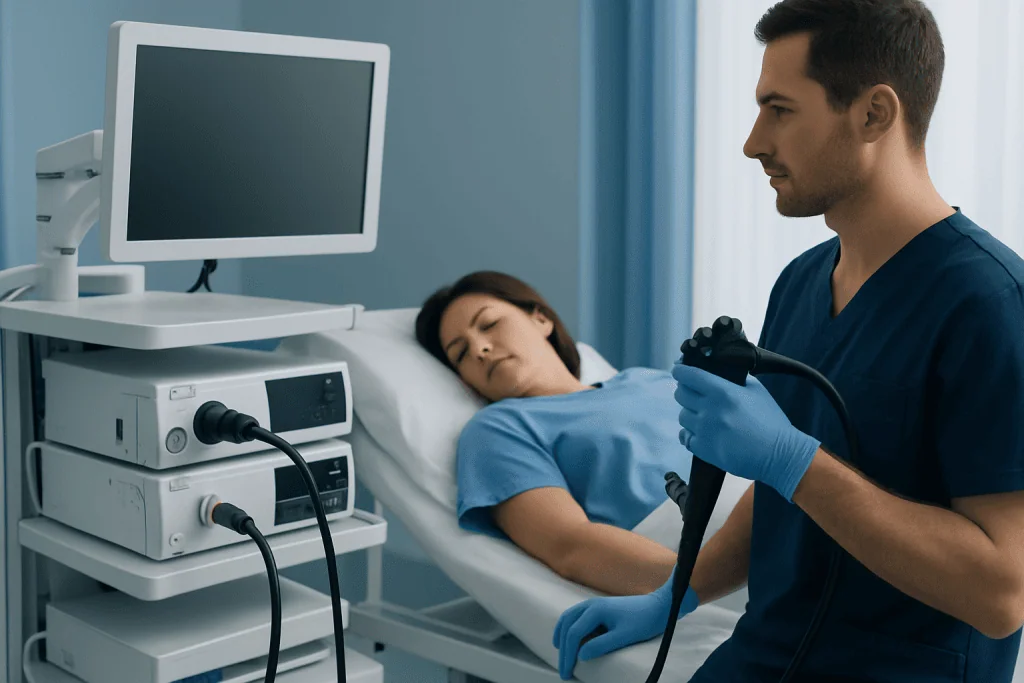
Colonoscopy is a procedure in which a gastroenterologist guides a flexible, camera-equipped tube through the rectum and colon. It allows close inspection of the bowel lining and enables tissue samples, called biopsies, to be collected when appropriate. Polyps can often be removed during the same procedure.
The examination can identify or help assess conditions such as colorectal polyps or cancer, inflammatory bowel disease, visible bleeding sources, diverticular disease and some infections. Biopsies may also detect microscopic colitis, a cause of ongoing watery diarrhea that can have a normal-looking colon.
In contrast, routine colonoscopy findings are often normal in IBS. A normal result does not mean that symptoms are imagined; it means that the examination has not found a structural or inflammatory explanation in the colon. This distinction helps clinicians plan symptom-focused IBS care while remaining attentive to changes that need further evaluation.
Can you tell if you have IBS during a colonoscopy?
No. A doctor cannot identify IBS simply by looking at the colon during a colonoscopy. IBS may be suspected before the procedure based on symptoms, and a normal examination can support the diagnosis by excluding selected alternative conditions, but the diagnosis itself relies on the overall clinical picture.
Who May Need Colonoscopy and How It Is Prepared
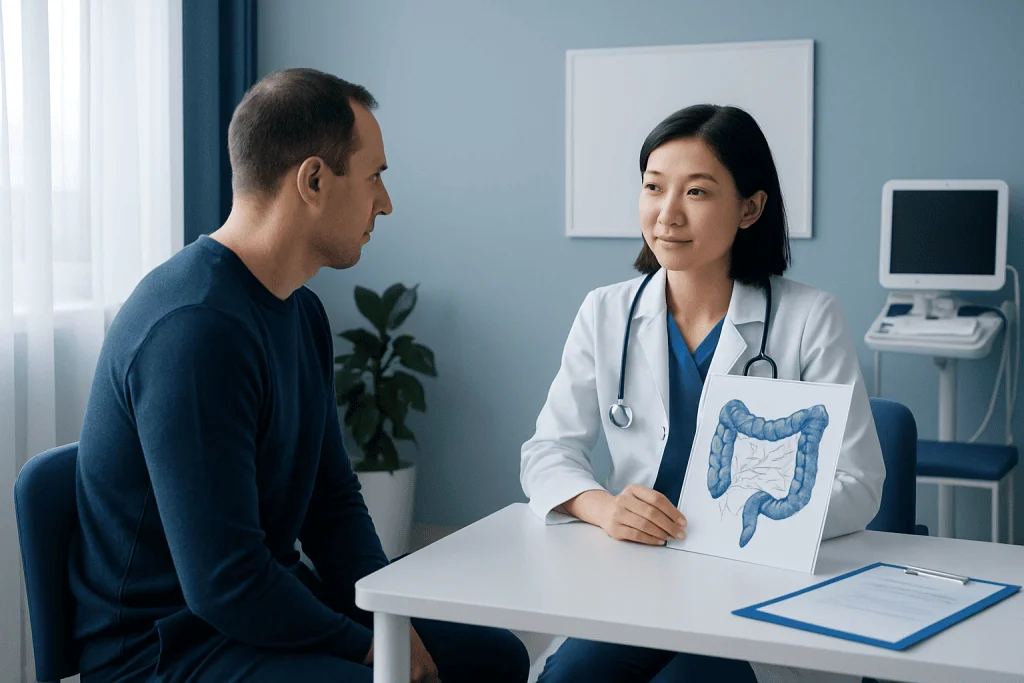
Colonoscopy is not automatically required for everyone with suspected IBS. It may be recommended when symptoms begin at an older age, there is persistent rectal bleeding, unexplained iron-deficiency anemia, unintentional weight loss, fever, nighttime symptoms, a family history of colorectal cancer or inflammatory bowel disease, or abnormal test results. Routine colorectal cancer screening recommendations also apply based on a person’s age and risk profile.
Preparation is essential because the colon must be clear enough for the clinician to inspect its lining carefully. Instructions commonly include temporary dietary changes, a prescribed bowel-cleansing solution and clear guidance about when to stop eating and drinking. It is important to tell the care team about medications, especially blood thinners, diabetes medicines, iron supplements and drugs that affect bowel movements.
Can IBS affect colonoscopy prep?
IBS does not usually stop someone from completing bowel preparation, but diarrhea-predominant IBS may make the preparation feel more urgent, while constipation-predominant IBS can sometimes make bowel cleansing less effective. A doctor may adjust the preparation plan for people with chronic constipation or prior inadequate preparation. Following the exact timing instructions and reporting severe nausea, vomiting or difficulty completing the solution can help the team provide safe guidance.
Colonoscopy Step by Step: Procedure, Benefits and Risks
Before the procedure, the medical team reviews the person’s health history, preparation quality and consent. Most colonoscopies are performed with sedation so that the patient is comfortable and sleepy. Monitoring of breathing, heart rate and blood pressure continues throughout the examination.
During the procedure, the clinician passes the colonoscope gently through the rectum and colon while using air or carbon dioxide to improve visibility. The examination commonly takes less than an hour, although timing varies if biopsies are taken or polyps are removed. If needed, a small tissue sample can be collected without being felt by the patient.
The main benefit is that colonoscopy can investigate important alternative explanations for bowel symptoms and allow treatment of certain findings, such as polyp removal. Complications are uncommon but can include bleeding, a reaction to sedation, infection and a tear in the bowel wall. Risks are higher when therapeutic procedures, such as removing larger polyps, are required. The care team will explain individual risks before the examination.
When a colonoscopy is clinically indicated, colonoscopy evaluation can provide both diagnostic information and opportunities for treatment during the same procedure.
Recovery and Understanding the Results
After colonoscopy, patients rest in a recovery area while sedation wears off. Temporary bloating, gas or mild cramping can occur as the air used during the procedure leaves the bowel. Most people can eat and drink as advised and return to usual activities the next day, but they should not drive, operate machinery, drink alcohol or make important decisions for the remainder of the sedation day.
Initial findings may be discussed before the patient leaves. If biopsies were taken, laboratory analysis may take several days. A normal result may help exclude visible inflammation, cancer and certain other disorders, although it does not assess every possible cause of digestive symptoms.
If results do not show another condition and the symptom pattern fits IBS, the doctor may discuss an individualized care plan. This may include dietary review, regular meal patterns, activity, stress-management approaches and medicines or other therapies tailored to constipation, diarrhea, pain or bloating. Dietary changes should be made thoughtfully, preferably with professional guidance, to avoid unnecessary restriction.
How Does a Doctor Confirm if You Have IBS?
Doctors diagnose IBS primarily through a careful clinical assessment. A common symptom-based framework considers recurrent abdominal pain associated with defecation and with a change in stool frequency or stool form. Symptoms are evaluated over time, along with their impact on daily life and any factors that worsen or improve them.
A clinician may perform a physical examination and order targeted tests depending on the symptoms. These may include blood tests for anemia or inflammation, testing for celiac disease in suitable patients, stool tests in some cases, or other investigations when diarrhea is persistent or there are warning signs. Testing is chosen to answer a specific clinical question rather than performed routinely for every person.
IBS is often classified by the predominant bowel pattern: constipation-predominant, diarrhea-predominant, mixed bowel habits or unclassified IBS. Identifying this pattern helps guide treatment. Conditions such as inflammatory bowel disease require a different evaluation and treatment approach because they involve inflammation that can damage the digestive tract.
What is commonly mistaken for IBS?
Several conditions can produce symptoms similar to IBS. Depending on the individual, these can include celiac disease, lactose or other food intolerances, inflammatory bowel disease, microscopic colitis, endometriosis, thyroid disorders, medication side effects, bile acid diarrhea, chronic infection and colorectal cancer. A doctor considers these possibilities based on the person’s age, symptoms, medical history and test findings rather than assuming that every bowel symptom is IBS.
When to Seek Medical Care
Anyone with ongoing abdominal pain or a lasting change in bowel habits should arrange a medical assessment, particularly if symptoms interfere with eating, sleep, work or daily activities. Although IBS is common and manageable, a new or changing symptom pattern deserves appropriate review.
More prompt medical care is important for rectal bleeding, black stools, unexplained weight loss, persistent fever, vomiting, dehydration, marked fatigue, anemia, a new bowel change later in adulthood, or symptoms that regularly wake a person from sleep. A family history of colorectal cancer, inflammatory bowel disease or celiac disease should also be discussed with a clinician.
People experiencing severe abdominal pain with a swollen abdomen, inability to pass stool or gas, fainting, heavy bleeding, or signs of severe dehydration should seek urgent medical attention. These symptoms are not typical markers of uncomplicated IBS and need timely assessment.
Acibadem International’s multidisciplinary specialists at JCI-accredited hospitals can assess digestive symptoms and coordinate colonoscopy and follow-up care for international patients when appropriate.
Frequently asked questions
Is a normal colonoscopy enough to diagnose IBS?
A normal colonoscopy alone does not diagnose IBS. It can rule out some structural or inflammatory bowel conditions, while the IBS diagnosis is based mainly on the symptom pattern, medical history and the absence of concerning features or alternative explanations.
Why would a doctor recommend colonoscopy if they think I have IBS?
A doctor may recommend colonoscopy to investigate alarm symptoms, abnormal tests, relevant family history or age-appropriate colorectal cancer screening. It can also help assess conditions that may resemble IBS, including inflammatory bowel disease, polyps and microscopic colitis.
Are biopsies taken during colonoscopy for IBS symptoms?
Biopsies may be taken if the doctor needs to check for microscopic inflammation or another condition, especially with persistent watery diarrhea. This can be useful even when the colon lining appears normal. Biopsies are not required for every person with suspected IBS.
Will IBS symptoms be worse after a colonoscopy?
Some people have temporary bloating, gas, cramping or changes in bowel habits after bowel preparation and colonoscopy. These effects usually settle within a short time. Persistent or worsening pain, fever, heavy bleeding or vomiting should be reported to the medical team promptly.
Can a colonoscopy detect food intolerance?
No. Colonoscopy does not diagnose most food intolerances, including lactose intolerance. A clinician may use dietary history, carefully supervised elimination and reintroduction approaches, breath testing in selected cases or other targeted tests.
Do all people with IBS need regular colonoscopies?
No. IBS itself does not usually require repeated colonoscopies. Future examinations are based on colorectal cancer screening recommendations, new warning signs, previous findings such as polyps, and a person’s individual risk factors.
References
- National Institute of Diabetes and Digestive and Kidney Diseases
- American College of Gastroenterology
- National Institute for Health and Care Excellence
- Mayo Clinic
- World Gastroenterology Organisation
This article is for general information only and is not a substitute for professional medical advice. Please consult a qualified doctor about your individual situation.
Persistent digestive symptoms? Get evaluated in Turkey
JCI-accredited · board-certified surgeons · reply within 24h
Check your numbers in seconds
BMI, calories, due date, blood pressure and 30+ more clinical calculators — free, instant, doctor-reviewed ranges.