Cholesteatoma Surgery: Procedure, Recovery and Results

Cholesteatoma surgery is commonly performed under general anesthesia and may involve tympanoplasty, mastoidectomy, or both. The operation aims to remove the cholesteatoma completely while protecting hearing, balance, facial nerve function, and surrounding structures.
Key Takeaways
- Cholesteatoma surgery is commonly performed under general anesthesia and may involve tympanoplasty, mastoidectomy, or both.
- The operation aims to remove the cholesteatoma completely while protecting hearing, balance, facial nerve function, and surrounding structures.
- Initial recovery commonly takes a few weeks, while complete healing and hearing assessment may take several months.
- Pain is usually mild to moderate and temporary, but dizziness, drainage, or changes in hearing should be monitored after surgery.
- Regular follow-up is essential because cholesteatoma can return or persist, sometimes requiring further treatment.
Cholesteatoma surgery is an ear operation that removes an abnormal collection of skin cells from behind the eardrum. It is usually recommended to stop ongoing damage to the middle ear and nearby bone, manage infection, and preserve or improve hearing when possible.
Overview: what cholesteatoma surgery does
Cholesteatoma surgery removes a noncancerous but potentially destructive growth of skin cells that develops in the middle ear, usually behind the eardrum. Although it is not a tumor, cholesteatoma can slowly enlarge and damage the tiny hearing bones, the mastoid bone behind the ear, and other nearby structures if it is left untreated.
The procedure is performed by an ear, nose and throat (ENT) surgeon, often an otologist or neurotologist with specialist ear surgery training. The main goal is to create a safe, dry ear by removing the disease. Restoring the eardrum or hearing bones may be possible during the same operation or, in selected cases, during a later procedure.
The exact operation depends on the cholesteatoma’s size, location, previous surgery, hearing level, ear anatomy, and whether infection or complications are present. Common surgical terms include tympanoplasty, which repairs the eardrum, and mastoidectomy, which removes diseased tissue from air spaces in the mastoid bone.
How cholesteatoma surgery works and who may need it
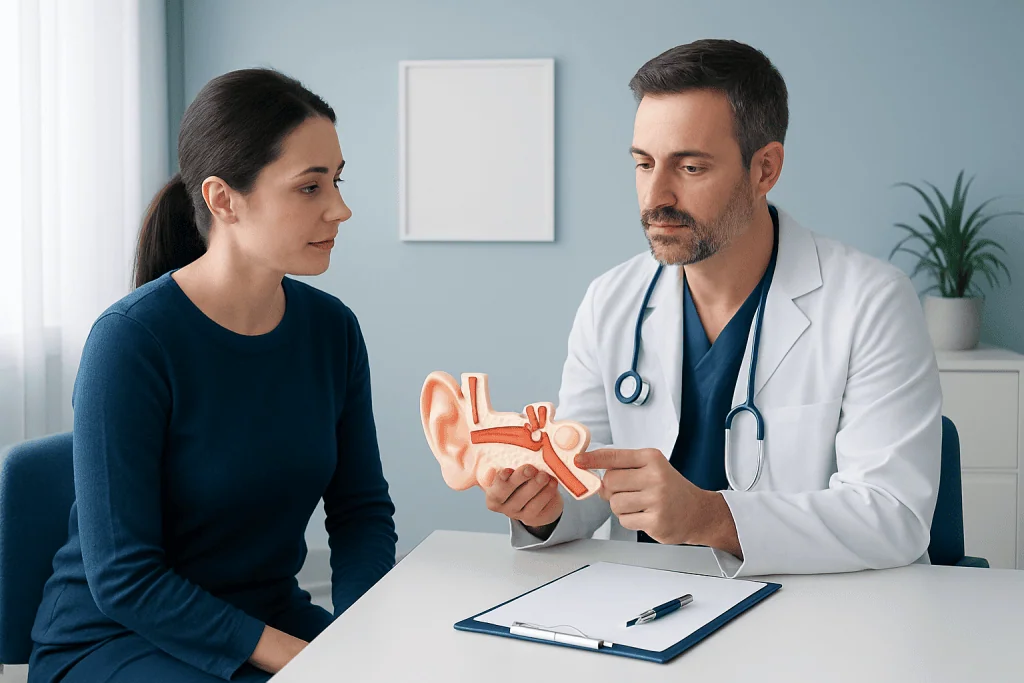
Cholesteatoma often develops when part of the eardrum retracts inward and traps shed skin. It may also occur after repeated ear infections, a perforated eardrum, previous ear surgery, trauma, or, less commonly, as a congenital condition. Medication and ear cleaning can control infection or drainage temporarily, but they do not remove the trapped skin growth itself.
Surgery is generally advised when examination or imaging confirms cholesteatoma, particularly if there is persistent ear discharge, progressive hearing loss, bone erosion, recurrent infection, dizziness, or concern about complications. In some people with substantial medical risks, a specialist may individualize timing and use close monitoring or local care while planning the safest approach.
Before surgery, the care team usually performs ear microscopy, a hearing test, and sometimes a CT scan of the temporal bone. MRI may be used in selected situations, including surveillance for residual or recurrent disease. These tests help the surgeon map the extent of disease and discuss realistic goals for hearing and long-term follow-up.
People with chronic ear drainage, eardrum damage, or hearing symptoms may also benefit from evaluation for related ear conditions. A thorough assessment distinguishes cholesteatoma from other causes of middle-ear disease and guides the most appropriate surgical plan.
Step by step: what happens during the procedure
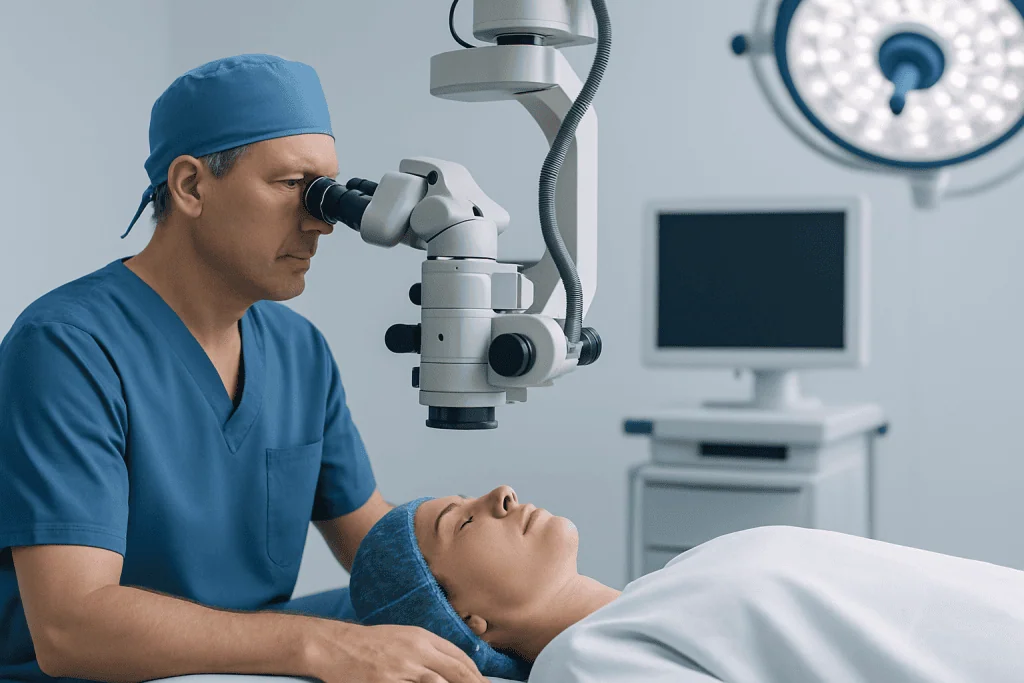
Cholesteatoma surgery is most often carried out under general anesthesia, meaning the patient is asleep and does not feel the operation. Many procedures are day surgery, while some people stay overnight depending on the extent of surgery, medical needs, travel arrangements, or postoperative observation requirements.
The surgeon may work through the ear canal, through an incision behind the ear, or use both routes. Using a microscope and, in some cases, an endoscope, the surgeon carefully removes cholesteatoma tissue from the middle ear and mastoid spaces. The approach is designed to provide adequate visibility while protecting delicate structures that control hearing, balance, and facial movement.
If the eardrum has a hole or weak area, it may be repaired using the patient’s own tissue, such as fascia or cartilage. If the hearing bones have been damaged, the surgeon may reshape or reconstruct the hearing mechanism using the remaining natural bones or a prosthetic device. Hearing reconstruction is considered only when it can be done safely and has a reasonable chance of benefit.
At the end of the operation, the ear canal is often supported with absorbable material or a dressing. In more extensive cases, a planned second-look operation or later MRI surveillance may be recommended to check that no cholesteatoma remains hidden in areas that are difficult to inspect.
Is cholesteatoma a major surgery?
Cholesteatoma surgery is a specialized ear operation rather than a routine ear procedure. Whether it is considered “major” depends on the extent of disease and the type of operation needed. A small cholesteatoma removed through the ear canal may be less extensive, while surgery involving the mastoid bone, complex reconstruction, or disease near critical structures is more involved.
Even when it is performed as a day procedure, it requires careful microsurgical technique because the middle ear lies close to the facial nerve, inner ear, and skull base. The risks are usually low in experienced hands, but the procedure deserves thoughtful preoperative planning and reliable follow-up.
For many patients, the priority is disease control and prevention of future damage rather than immediate hearing improvement. The surgeon will explain whether the planned procedure is intended to create a safe ear only or whether eardrum and hearing-bone reconstruction may also be performed.
What is recovery like after cholesteatoma surgery?
Cholesteatoma recovery after surgery varies with the procedure and the condition of the ear before treatment. During the first days, it is common to have a blocked-ear sensation, mild discomfort, fatigue, small amounts of blood-stained drainage, and temporarily reduced hearing because of swelling and packing. Some people also notice brief dizziness or altered taste.
For many adults, the practical cholesteatoma surgery recovery time is about one to two weeks before returning to light daily activities, if their surgeon agrees. The cholesteatoma ear surgery recovery time for internal healing is longer: the eardrum and middle ear may take several weeks to heal, and hearing is often reassessed after healing is sufficiently advanced, sometimes over a few months.
Patients are usually advised to keep the ear dry, use prescribed drops or medicines exactly as directed, avoid forceful nose blowing, and avoid swimming until the surgeon confirms it is safe. Air travel, strenuous exercise, lifting, and water exposure may need to be limited temporarily. Follow-up visits allow the surgeon to remove or check packing, inspect healing, and clean the ear if needed.
Recovery plans are individual. The surgical team should provide written instructions about wound care, bathing, work, school, driving, medication, and the timing of follow-up appointments. Attending these visits is an important part of treatment because cholesteatoma may recur even after apparently successful surgery.
How painful is cholesteatoma surgery?
Cholesteatoma surgery recovery pain is usually mild to moderate and tends to improve over the first several days. Many patients describe pressure, soreness around the ear or incision, headache, jaw discomfort, or a feeling of fullness rather than severe pain. The anesthetic and operation itself are not felt during general anesthesia.
The surgeon may recommend simple pain relief or prescribe medication when appropriate. Taking medicines as instructed, resting, staying hydrated, and avoiding activities that increase pressure in the ear can support comfort during the early recovery period.
Severe pain, pain that steadily worsens, high fever, significant swelling or redness behind the ear, persistent vomiting, or new facial weakness is not expected and should be reported promptly to the surgical team. These symptoms do not always indicate a serious problem, but they need timely medical assessment.
Benefits, risks and signs surgery was successful
The principal benefit of cholesteatoma surgery is removal of disease that could otherwise continue to damage the ear. Successful treatment can reduce persistent discharge and infections, protect remaining hearing, improve hearing in some cases, and lower the risk of rare but important complications involving balance, the facial nerve, or structures around the brain.
Signs that cholesteatoma surgery was successful include a dry, healing ear; no ongoing foul-smelling discharge; improving comfort; a stable eardrum repair when one was performed; and no visible cholesteatoma at follow-up. Hearing may improve, remain similar, or occasionally worsen depending on pre-existing damage and the reconstruction performed. Only follow-up examination, hearing testing, and imaging when indicated can confirm durable disease control.
Possible risks include infection, bleeding, eardrum perforation, persistent or recurrent cholesteatoma, hearing loss, tinnitus, dizziness, altered taste, numbness around the ear, and the need for additional surgery. Rare complications include facial weakness, leakage of inner-ear fluid, or more serious infection. The surgeon discusses risks in relation to the individual’s anatomy and the extent of disease before consent.
Acibadem International’s multidisciplinary specialists and JCI-accredited hospitals diagnose and treat cholesteatoma for international patients, with care plans based on detailed ear examination, hearing assessment, imaging, surgery when needed, and long-term follow-up.
When to seek medical care
A person should arrange an ENT assessment for persistent or recurrent ear discharge, worsening hearing, repeated ear infections, ear fullness, pain, or a foul smell from the ear. These symptoms have several possible causes, but timely evaluation is important because cholesteatoma is best addressed before it causes more extensive damage.
Urgent medical advice is appropriate after cholesteatoma surgery if there is high fever, worsening redness or swelling around the ear, severe or persistent spinning dizziness, severe headache, stiff neck, repeated vomiting, sudden major hearing change, or weakness of the face. The patient should contact their surgical team or seek urgent care according to the severity of symptoms.
Long-term review matters even when the ear feels well. Depending on the procedure used, the specialist may recommend regular ear examinations, hearing tests, and MRI monitoring or a planned second-look procedure. This surveillance helps find residual or recurrent cholesteatoma early, when further treatment may be less complex.
Frequently asked questions
How long does cholesteatoma surgery take?
The duration varies according to the size and location of the cholesteatoma and whether eardrum or hearing-bone reconstruction is needed. A surgeon can provide an estimated operating time after reviewing the ear examination, hearing tests, and imaging. Time spent in recovery after anesthesia should also be expected.
How long is cholesteatoma surgery recovery time in adults?
Many adults can return to light activities in around one to two weeks, but recovery is individualized. Internal healing commonly continues for several weeks, and hearing may not be assessed accurately until swelling and ear packing have resolved. More extensive mastoid surgery or reconstruction can require a longer recovery period.
Will hearing improve after cholesteatoma surgery?
Hearing may improve if the eardrum or hearing bones can be repaired, but improvement cannot be guaranteed. Some people have unchanged hearing because of previous damage, while protecting remaining hearing is the main objective. A hearing test after healing provides the clearest assessment of the result.
Can cholesteatoma come back after surgery?
Yes. Residual cholesteatoma may remain in difficult-to-see areas, or new disease may develop later. This is why regular specialist follow-up, and sometimes MRI monitoring or a second-look operation, is important even when symptoms have improved.
When can a person fly or swim after cholesteatoma surgery?
The timing depends on the specific operation and how the ear is healing. Swimming and getting water into the ear are usually avoided until the surgeon confirms that the ear is healed. Air travel may also need to be delayed, especially if middle-ear pressure changes could affect recovery.
What should be avoided after cholesteatoma surgery?
Patients are often advised to keep the ear dry, avoid forceful nose blowing, and avoid strenuous activity for a period recommended by their surgeon. They should not insert cotton buds, fingers, or other objects into the ear canal. Following the individualized postoperative instructions is the safest approach.
References
- American Academy of Otolaryngology–Head and Neck Surgery
- National Institute on Deafness and Other Communication Disorders
- NHS
- Merck Manual Consumer Version
- European Academy of Otology and Neurotology
This article is for general information only and is not a substitute for professional medical advice. Please consult a qualified doctor about your individual situation.
Oncology care in Turkey — second opinion and treatment plan
JCI-accredited · board-certified surgeons · reply within 24h