Sex after Hip Replacement: Procedure, Recovery and Results

Most people can resume sexual activity when the incision has healed, pain is controlled and they can move comfortably, often several weeks after surgery. The safest positions are those that avoid painful movement and any hip precautions, particularly deep bending, crossing the legs or twisting when these have been restricted.
Key Takeaways
- Most people can resume sexual activity when the incision has healed, pain is controlled and they can move comfortably, often several weeks after surgery.
- The safest positions are those that avoid painful movement and any hip precautions, particularly deep bending, crossing the legs or twisting when these have been restricted.
- Recovery guidance differs by surgical approach, implant, individual mobility and whether the operation was a first replacement or revision surgery.
- Sexual wellbeing often improves after hip replacement because arthritis-related pain and restricted movement are reduced.
- A doctor should review new severe hip pain, wound problems, fever, calf swelling, breathlessness or concerns about erectile dysfunction medicines after surgery.
Sex after hip replacement is usually possible and comfortable again after recovery, but timing and positions should be guided by healing, pain control, strength and the surgical precautions provided by the orthopaedic team. Open communication with a partner and a gradual return to intimacy can help people feel confident while protecting the new hip.
Sex After Hip Replacement: What to Expect
Sex after hip replacement is generally safe once the surgical wound is healing well, pain is manageable and the person can move without placing the hip in positions their surgeon has advised against. For many people, this is possible within several weeks, but there is no single date that suits everyone. The orthopaedic surgeon or physiotherapist can give advice that reflects the surgical approach, healing progress and any individual precautions.
Intimacy does not need to mean intercourse. Affection, touch and closeness can resume whenever they feel comfortable, while sexual activity can be reintroduced gradually. It is common to feel cautious at first because of pain, tiredness, worries about dislocation or concern about the scar. These feelings usually lessen as mobility, confidence and strength improve.
Hip replacement is performed to relieve severe joint pain and restore movement, most often when arthritis has significantly affected daily life. Understanding the wider hip replacement surgery journey can help patients prepare for recovery goals, including a comfortable return to sexual activity.
How Hip Replacement Works and Who May Need It

In total hip replacement, a surgeon removes damaged portions of the hip joint and replaces them with artificial components. A cup-shaped component replaces the socket, while a stem and ball replace the upper part of the thigh bone. The new surfaces are designed to move smoothly and reduce pain caused by worn or damaged cartilage and bone.
Hip replacement may be considered when persistent hip pain and stiffness limit walking, sleep, work, personal care or quality of life despite appropriate non-surgical care. Osteoarthritis is a common reason, but inflammatory arthritis, fractures, avascular necrosis and some childhood hip conditions can also lead to joint damage. A clinical examination, imaging and discussion of symptoms help determine whether surgery is appropriate.
Before surgery, clinicians assess overall health, medications, mobility and support at home. Preparation may include strengthening exercises, smoking cessation where relevant, management of long-term conditions and planning for rehabilitation. These steps support a safer recovery and may make returning to valued activities, including sex, easier.
The Procedure, Benefits and Potential Risks
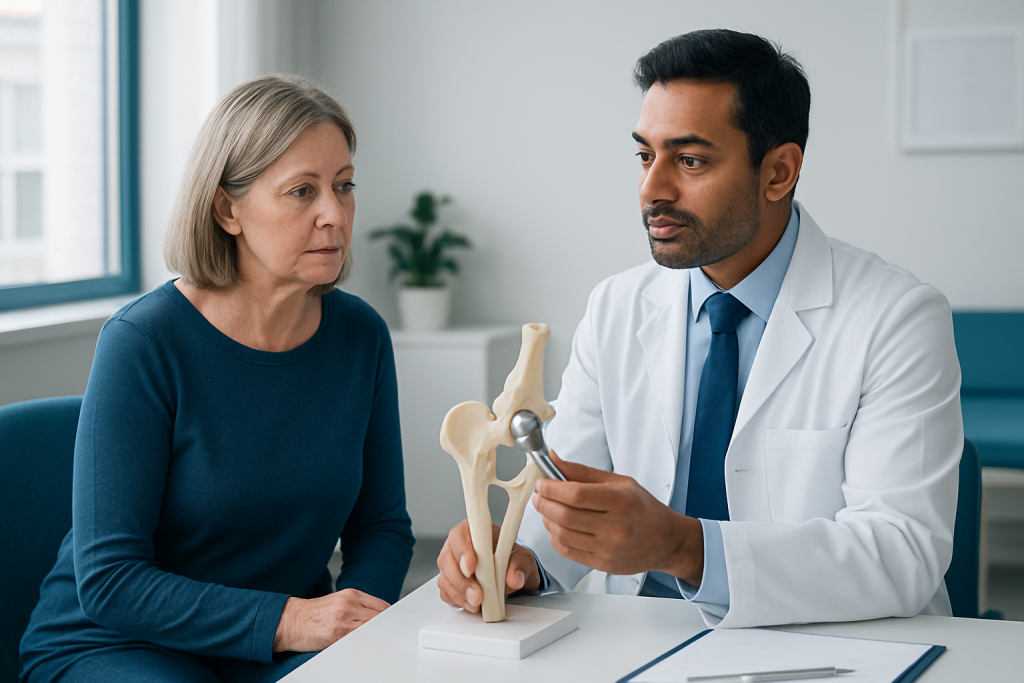
Hip replacement is usually carried out under spinal anaesthesia, general anaesthesia or a combination of both. The surgeon makes an incision, removes the damaged joint surfaces, positions the implant components and checks that the hip is stable and moves appropriately. The incision is then closed and the patient begins recovery with monitoring and early mobilisation.
The main expected benefits are less hip pain, improved mobility and better ability to carry out everyday activities. Many people also report improvement in sleep, mood, independence and sexual wellbeing once arthritis pain no longer limits movement. However, recovery is gradual, and improvements may continue for months.
As with any major operation, risks include infection, blood clots, bleeding, nerve or blood-vessel injury, leg-length differences, fracture, ongoing pain, implant wear and hip dislocation. Dislocation is uncommon but is one reason certain movements may be limited early in recovery. A surgeon will explain the person’s individual risks and the warning signs that require prompt medical attention.
People having a repeat operation may need a more tailored plan. Sex after hip revision surgery can require a slower return because the operation and recovery may be more complex. The treating team should provide specific guidance rather than relying on general timelines.
Sex After Hip Replacement Recovery: Timing, Comfort and Confidence
How long after surgery can you have sex? Many people can consider resuming intercourse at about four to six weeks, provided the incision is closed and dry, pain is controlled, energy has improved and they can move comfortably. Some people are ready earlier or later. The safest answer is to wait until the surgeon or physiotherapist confirms that recovery is progressing appropriately and to stop if activity causes pain or a sense that the hip is unstable.
Early recovery can involve fatigue, swelling, disrupted sleep and use of walking aids, all of which can affect desire and comfort. Planning intimacy for a time of day when pain medication is working as prescribed and energy is better may help. A supportive mattress or firm pillows can reduce effort and help maintain a comfortable hip position.
Partners should communicate openly about comfort, pace and movement. Starting slowly, avoiding sudden changes of position and choosing a role that allows the recovering person to control hip movement can be reassuring. If anxiety about movement persists, a physiotherapist can demonstrate safe everyday movement patterns and help restore strength and confidence.
Some people look for a sex after hip replacement PDF or sex after total hip replacement PDF for quick visual reminders. Written instructions can be useful, but they should come from the treating hospital because movement restrictions vary. Generic online diagrams may not match the person’s surgical approach or recovery plan.
What’s the Best Sex Position After Hip Surgery?
The best sex position after hip surgery is one that is comfortable, does not force the hip into a restricted range of motion and allows the recovering person to stop or adjust easily. In the early weeks, many people find that lying on their back with pillows for support, or lying on their side with a pillow between the knees if side-lying is comfortable, places less demand on the recovering hip. The non-operated partner may take a more active role so the person recovering can keep movements controlled.
Whether a particular position is suitable depends on the surgeon’s precautions. Some patients are advised temporarily to avoid bending the hip deeply, crossing the legs or turning the operated leg inward; others may have different restrictions. A pillow can help keep the legs aligned, but it should not cause pressure or pain at the incision.
Pain is a useful signal. Mild muscle tiredness may occur during rehabilitation, but sharp pain, a catching sensation, marked groin pain or a feeling that the joint is moving out of place means the activity should stop. If symptoms do not settle, the patient should contact their care team before trying again.
What Is the Best Sex Position for a Woman With Hip Problems?
For a woman with hip problems, the best position is usually one that limits painful hip bending, wide separation of the legs and twisting while providing good support. Lying on the back with pillows under or beside the legs can be comfortable for some women, while side-lying with a pillow between the knees may work for others. The woman should be able to adjust the angle and depth of hip movement without strain.
After hip replacement, individual surgical precautions take priority over general advice. In particular, positions that require deep flexion or rotation of the operated hip may need to be avoided during the initial healing period. The person should not feel pressure on the incision or force their hip beyond a comfortable range.
Sex after hip replacement for a woman can also be affected by factors unrelated to the implant, including vaginal dryness, pelvic floor symptoms, hormonal changes, medication effects or fear of pain. A gynaecologist, primary care clinician or pelvic health physiotherapist can help address these concerns sensitively and safely.
Can I Take Viagra After Hip Replacement?
Can I take Viagra after hip replacement? Sildenafil, commonly known by the brand name Viagra, does not usually affect the hip implant itself. However, it should only be used with approval from the prescribing clinician, especially soon after surgery when a person may be taking pain medicines, blood-pressure medicines or blood-thinning treatment.
Sildenafil can lower blood pressure and may cause headache, flushing, dizziness or indigestion. It must not be taken with nitrate medicines used for chest pain because the combination can cause a dangerous fall in blood pressure. People with cardiovascular disease, recent medical complications or symptoms such as chest pain or breathlessness should seek individual medical advice before using erectile dysfunction medication.
Erectile difficulties after surgery may be temporary and related to stress, pain, fatigue, reduced activity or medication. A clinician can review possible causes and discuss suitable options. Sexual activity itself is generally comparable to moderate physical exertion, so cardiac fitness and overall recovery should be considered as well as the hip.
When to Seek Medical Care
Contact the surgical team promptly for increasing redness, warmth, swelling, drainage or opening of the wound; fever; worsening pain that is not relieved by the recovery plan; or a sudden loss of ability to bear weight. New severe hip or groin pain, a popping sensation, visible change in leg position or an inability to move the leg may indicate a problem that needs urgent assessment.
Urgent medical care is needed for chest pain, sudden shortness of breath, coughing blood, fainting, or new painful swelling and redness in a calf or thigh. These symptoms can be associated with serious post-operative complications and should not be managed at home.
It is also appropriate to ask for help when worries about intimacy, pain, body image or sexual function continue beyond the early recovery period. Acibadem International’s multidisciplinary specialists and JCI-accredited hospitals support international patients with assessment, rehabilitation and treatment planning following hip surgery.
Frequently asked questions
Will sex damage a new hip replacement?
Sexual activity does not usually damage a well-positioned, healing hip replacement when a person follows their surgical precautions and avoids painful movements. During early recovery, the main concern is placing the hip in extreme or restricted positions, which may increase discomfort or rarely contribute to dislocation. A gradual return and individual advice from the surgical team are important.
How long after surgery can you have sex?
Many people are able to resume intercourse around four to six weeks after hip replacement, but the timeline varies. The wound should be healing, pain should be manageable and the person should be able to move comfortably. The treating surgeon’s advice should guide the decision, particularly after a revision procedure or if complications occurred.
What is the safest sex position after hip replacement?
There is no one position that is safest for every person because restrictions depend on the surgical approach and individual healing. Positions that keep the hip supported, avoid deep bending and twisting, and allow the recovering person to control movement are often preferred early on. Pillows can help maintain comfort and alignment.
Can a woman have sex after hip replacement?
Yes. Most women can return to sexual activity after hip replacement as recovery progresses and comfort improves. Supportive positions, gradual movement and attention to any surgeon-directed precautions are helpful. Persistent pain, dryness or pelvic symptoms can be discussed with a qualified clinician.
Can I take Viagra after hip replacement?
Viagra, or sildenafil, may be appropriate for some people after hip replacement, but it should be discussed with the prescribing clinician. It can interact dangerously with nitrate medications and may not be suitable for everyone with heart or blood-pressure conditions. It does not directly harm the hip implant.
Does hip replacement improve sex life?
For many people, hip replacement improves sexual wellbeing by reducing chronic pain and restoring mobility. Improvement may take time because surgical recovery, fatigue, confidence and relationship factors can affect intimacy. Ongoing pain or concerns about sexual function should be reviewed with a healthcare professional.
References
- American Academy of Orthopaedic Surgeons
- National Institute for Health and Care Excellence
- American Association of Hip and Knee Surgeons
- National Health Service
- Mayo Clinic
This article is for general information only and is not a substitute for professional medical advice. Please consult a qualified doctor about your individual situation.
Hip Replacement in Turkey — costs, top hospitals & a free quote
JCI-accredited · board-certified surgeons · reply within 24h

Orthopedics & Spine
Care for bones, joints and the musculoskeletal system, including joint replacement, sports injuries and trauma.
125 specialists in this unit