Stye Treatment Antibiotic: How It Works, Results and What to Expect

Most external styes improve without antibiotics, often with warm compresses and time. Antibiotics may be prescribed for a suspected bacterial infection that is spreading, recurrent, severe, or not improving.
Key Takeaways
- Most external styes improve without antibiotics, often with warm compresses and time.
- Antibiotics may be prescribed for a suspected bacterial infection that is spreading, recurrent, severe, or not improving.
- Topical antibiotic ointment is sometimes used for eyelid-margin infection; oral antibiotics may be needed for more extensive infection.
- A stye should not be squeezed or popped, as this can worsen inflammation or spread infection.
- Urgent assessment is needed for vision changes, pain with eye movement, fever, or marked swelling around the eye.
Stye treatment antibiotic may be recommended when an eyelid infection is persistent, recurrent, spreading, or associated with surrounding tissue inflammation. Most uncomplicated styes resolve with regular warm compresses and gentle eyelid care, while antibiotics are used selectively after clinical assessment.
Stye Treatment Antibiotic: When Is It Needed?
A stye is a tender, red lump that develops along the eyelid edge or inside the eyelid when an oil gland becomes blocked and inflamed. It is also called a hordeolum. A stye treatment antibiotic is not routinely needed because many styes settle naturally over several days to a few weeks with warm compresses and basic eyelid hygiene.
Antibiotics may be helpful when a clinician suspects a bacterial infection involving the eyelid margin or nearby skin, especially if redness and swelling are spreading, symptoms are severe, the stye keeps returning, or there is little improvement with home care. The right approach depends on whether the lump is an external stye, an internal stye, a chalazion, or another eyelid condition.
For many people, the most effective first step is a clean warm compress applied to the closed eyelid for about 10 to 15 minutes, several times daily. The warmth can soften blocked gland material and encourage natural drainage. A clinician can assess persistent eyelid lumps and decide whether medicine or a minor drainage procedure is appropriate.
How Antibiotic Treatment Works
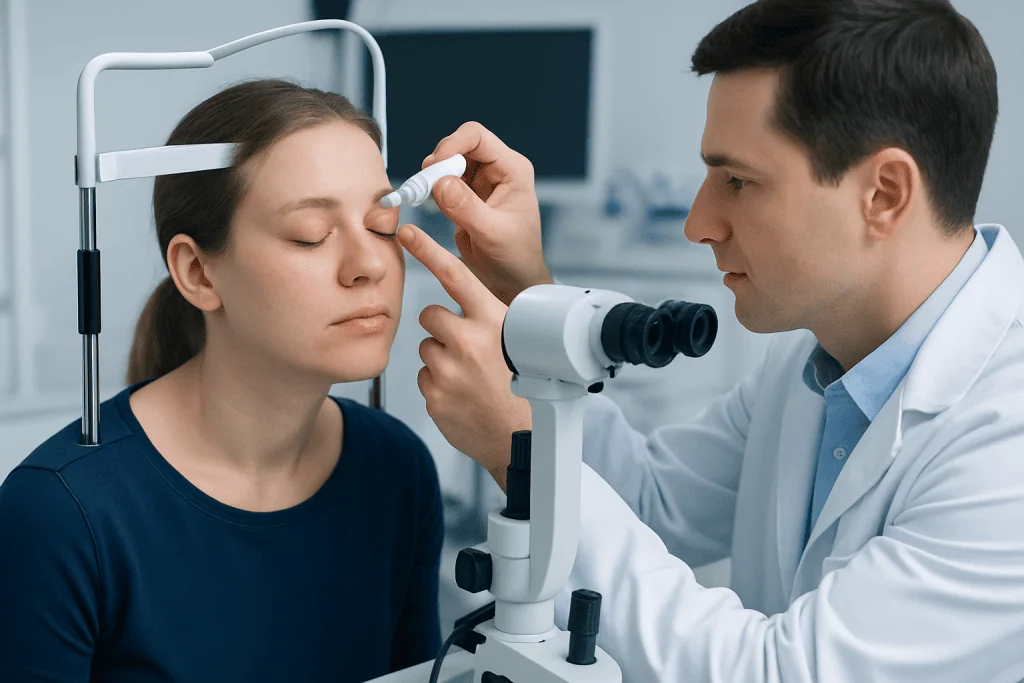
Antibiotics work by targeting bacteria that may be contributing to infection. Depending on the examination findings, a doctor may prescribe an antibiotic eye ointment for the eyelid margin or, less commonly, antibiotic eye drops. These treatments are generally used when there is eyelid-margin discharge or a related superficial bacterial infection.
Oral antibiotics may be considered when infection appears to involve a larger area of eyelid skin, when there is concern for preseptal cellulitis, or when a person has frequent inflammatory eyelid disease such as blepharitis or rosacea. Oral treatment is not usually necessary for a small, localized, uncomplicated stye.
Antibiotics do not immediately open a blocked oil gland or remove a formed lump. Warm compresses remain important unless a doctor gives different instructions. Antibiotic treatment should be used exactly as prescribed, and leftover antibiotics should not be used for a new eye problem without medical advice.
If a firm, painless lump remains after the initial inflammation has settled, it may be a chalazion rather than an active stye. A chalazion is caused by a blocked oil gland and often does not benefit from antibiotics unless infection is also present.
Who May Be a Candidate for Antibiotics?

A doctor may consider a stye treatment antibiotic when an examination suggests infection beyond a simple blocked gland. Warning signs can include increasing eyelid redness, warmth, tenderness, crusting or discharge, swelling that extends beyond the original bump, or recurrent styes associated with chronic eyelid inflammation.
People with diabetes, reduced immune function, chronic blepharitis, rosacea, eczema around the eyelids, or frequent use of eye makeup and contact lenses may need more individualized advice. These factors do not mean an antibiotic is always required, but they can influence the risk of complications or recurrence.
Before prescribing treatment, an eye specialist may ask about medication allergies, pregnancy or breastfeeding, current medicines, contact lens use, recent eye procedures, and prior episodes. The clinician will also check vision, eye movements, the position of the eyelid, and the pattern of swelling to exclude more serious eye-area infections.
- Small, localized stye with mild discomfort: warm compresses are often sufficient.
- Persistent or recurrent eyelid-margin infection: topical treatment may be considered.
- Diffuse lid swelling or skin infection: oral antibiotics and close follow-up may be needed.
- Persistent lump without active infection: assessment for chalazion management may be appropriate.
What Happens During Assessment and Treatment?
There is usually no complex procedure for an uncomplicated stye. At the appointment, the clinician examines the eyelid and eye surface, checks vision if needed, and asks how long symptoms have been present. Most styes are diagnosed clinically, meaning laboratory tests or imaging are not usually required.
If antibiotics are prescribed, the clinician explains how and when to apply ointment or take oral medicine. Ointment is typically placed inside the lower eyelid or along the eyelid margin as directed, after washing the hands. Temporary blurred vision can occur after ointment application, so activities requiring clear vision should be delayed until it settles.
Warm compresses are commonly continued alongside prescribed treatment. A clean cloth should be dampened with comfortably warm water, placed over the closed eyelid, and rewarmed as needed. Afterward, gentle lid massage may be recommended by a clinician, but the lump should never be squeezed, pierced, or forcibly drained.
When a large stye does not drain, causes significant discomfort, or becomes a persistent chalazion, an ophthalmologist may discuss a small in-office drainage procedure. This is not required for most cases. Eye specialists can also evaluate related conditions such as blepharitis that may contribute to repeated eyelid gland blockage.
How Quickly Do Antibiotics Work on a Stye?
When antibiotics are appropriate, pain, redness, and swelling may begin to improve within a few days. However, the visible lump can take longer to shrink because the blocked gland material and local inflammation need time to resolve. Improvement is often gradual rather than immediate.
A person should contact the prescribing clinician if symptoms are worsening after treatment begins, if there is no meaningful improvement within the timeframe advised, or if side effects occur. It is important to complete the prescribed course unless a clinician advises otherwise, particularly when oral antibiotics have been given for a more extensive infection.
Not seeing instant improvement does not necessarily mean treatment has failed. The clinician may reassess the diagnosis, check for a chalazion or alternative condition, and decide whether continued observation, different treatment, or drainage is needed.
What Are the End Stages of a Stye?
The end stages of a stye usually involve reduced tenderness, less redness, and gradual shrinking of the lump. Some styes develop a small yellow or white point and drain naturally at the eyelid edge. Others are reabsorbed without obvious drainage.
After the active inflammation settles, a small firm nodule may remain for a while. This can represent residual swelling or a chalazion, which is generally less painful and may take weeks to resolve. Warm compresses may still help, but a persistent lump should be assessed by an eye professional.
A stye should not be popped, punctured, or squeezed to speed up drainage. This can irritate the eyelid, introduce additional bacteria, and increase the chance of infection spreading into surrounding tissues.
How to Tell If a Stye Is Healing
Healing is usually indicated by less pain when blinking or touching the eyelid, decreasing redness and swelling, and a smaller or softer lump. If there was crusting or discharge, this should become less noticeable. The eye should remain comfortable, and vision should stay normal.
It is common for the lump to disappear more slowly than the discomfort. Continued warm compresses and avoiding eye makeup or contact lenses until the eyelid is comfortable can support recovery. Contact lenses should not be worn during active eye irritation unless a clinician advises that it is safe.
Signs that do not suggest normal healing include expanding redness, increasing pain, swelling that closes the eye, new light sensitivity, significant discharge, fever, or changes in vision. These symptoms warrant prompt medical assessment.
How Contagious Is a Stye?
A stye itself is not usually considered highly contagious. It commonly results from a person’s own skin bacteria entering or overgrowing within a blocked eyelid oil gland. However, bacteria and eye discharge can be transferred by hands, towels, cosmetics, or contact lens items.
Good hygiene reduces the possibility of spreading bacteria to the other eye or to another person. Hands should be washed before and after touching the eye area, and towels, washcloths, eye makeup, and contact lens cases should not be shared. Eye makeup used during an active infection should be avoided and may need replacing if contaminated.
People should also avoid rubbing their eyes. If a child has a stye, normal daily activities are usually possible if they feel well, but careful hand hygiene and avoiding shared face cloths are sensible precautions.
Benefits, Risks and Safe Self-Care
The potential benefit of antibiotic treatment is control of a clinically significant bacterial eyelid infection and reduced risk of further spread. For a simple stye, the benefits of warm compresses, rest from eye cosmetics, and gentle lid hygiene often outweigh the risks of unnecessary antibiotic use.
Antibiotic ointments can cause temporary blurred vision, mild burning, irritation, or an allergic reaction. Oral antibiotics can cause digestive symptoms, rash, sun sensitivity with some medicines, or interactions with other treatments. A person should seek medical advice promptly for signs of a serious allergic reaction, such as facial swelling, breathing difficulty, or widespread rash.
Safe self-care includes using clean warm compresses, washing hands frequently, removing contact lenses during active irritation, and avoiding makeup until symptoms resolve. The eyelid should be kept clean with products recommended by an eye professional, especially for those with recurrent styes or chronic blepharitis.
For ongoing symptoms, specialist assessment can help identify the cause and options for ophthalmology care. Acibadem International’s multidisciplinary specialists and JCI-accredited hospitals assess and treat eye conditions for international patients when specialist evaluation is needed.
When to Seek Medical Care
Medical care is advisable if a stye is very painful, repeatedly returns, does not begin improving with warm compresses, lasts longer than expected, or leaves a persistent eyelid lump. An eye professional can confirm the diagnosis and determine whether antibiotics, drainage, or treatment for an underlying eyelid condition is appropriate.
Urgent medical assessment is important for reduced or blurred vision, severe eye pain, pain when moving the eye, inability to open the eye due to swelling, fever, redness spreading across the face, or a bulging appearance of the eye. These symptoms may indicate an infection that needs prompt treatment.
Children, people with weakened immune systems, and those with diabetes should have a lower threshold for seeking advice if eyelid swelling is worsening. Early assessment is reassuring and helps ensure the right treatment is used.
Frequently asked questions
Do all styes need antibiotics?
No. Most small, uncomplicated styes improve with warm compresses, time, and good eyelid hygiene. A clinician may prescribe antibiotics if there are signs of a bacterial eyelid infection, spreading inflammation, recurrent disease, or poor improvement.
Can antibiotic eye drops treat a stye?
Eye drops may be used in selected situations, but ointment applied to the eyelid margin is often more suitable when a superficial eyelid infection is present. The choice depends on the location of the stye and the clinician’s examination findings. Antibiotic drops or ointment should only be used as prescribed.
Can a stye turn into a chalazion?
Yes. After the infection and tenderness settle, the blocked oil gland can remain as a firmer, usually painless lump called a chalazion. A chalazion may resolve gradually, but persistent or recurring lumps should be examined by an eye specialist.
Should contact lenses be worn with a stye?
It is generally best to avoid contact lenses while the eyelid is inflamed, painful, or producing discharge. This reduces irritation and the chance of contaminating lenses or the lens case. A clinician can advise when it is safe to resume lens use.
How can recurrent styes be prevented?
Regular eyelid hygiene, handwashing, removing eye makeup before sleep, and avoiding shared eye products can help reduce recurrence. People with blepharitis, rosacea, or frequent eyelid irritation may benefit from a personalized eyelid-care plan from an eye professional.
Is a stye an emergency?
A typical small stye is usually not an emergency. Urgent assessment is needed if there are vision changes, severe or worsening pain, fever, swelling around the eye, pain with eye movement, or rapidly spreading redness.
References
- American Academy of Ophthalmology
- American Optometric Association
- Mayo Clinic
- National Health Service
- Merck Manual Consumer Version
This article is for general information only and is not a substitute for professional medical advice. Please consult a qualified doctor about your individual situation.
Explore treatments in Turkey — costs, top hospitals & a free quote
JCI-accredited · board-certified surgeons · reply within 24h

More from the Health Library



Related Specialists
Prof. Dr. Mert İlker Hayıroğlu
Cardiology
Dt. Ülkü Noyan
Oral & Dental Health
Prof. Dr. Selim Aksöyek
Pediatric Surgery
Dr. Abdullah Yener İnce
Orthopedic Surgery & Traumatology