Hand Foot and Mouth Disease Blister Treatment: How It Works, Results and What to Expect

HFMD is a common viral illness that usually improves without specific antiviral treatment. Blisters should not be popped, as the skin covering helps protect healing tissue from infection.
Key Takeaways
- HFMD is a common viral illness that usually improves without specific antiviral treatment.
- Blisters should not be popped, as the skin covering helps protect healing tissue from infection.
- Cool fluids and soft foods can make painful mouth sores easier to manage.
- The main concern in young children is dehydration when mouth pain limits drinking.
- Handwashing and cleaning frequently touched surfaces help reduce spread at home.
Hand foot and mouth disease blister treatment is supportive: there is no procedure that removes the virus or makes blisters disappear immediately. Most people recover with fluids, pain relief recommended by a clinician, gentle skin care and time, while medical assessment is important for dehydration, severe symptoms or signs of a skin infection.
Overview: How Hand Foot and Mouth Disease Blister Treatment Works
Hand foot and mouth disease blister treatment helps relieve pain, protect the skin and mouth, maintain hydration and reduce the chance of secondary bacterial infection. The illness is caused by viruses, most often enteroviruses, so antibiotics do not treat uncomplicated HFMD and there is no routine procedure to drain or remove the blisters.
Blisters commonly develop on the hands, feet, inside the mouth and sometimes the buttocks, legs or genital area. They typically settle as the immune system clears the infection. Supportive care is therefore the central approach: rest, frequent fluids, soft foods, careful skin protection and age-appropriate pain relief discussed with a doctor or pharmacist.
HFMD is especially common in young children, but older children and adults can also get it. Symptoms are often mild, although mouth pain can make drinking difficult. A clinician can confirm the likely diagnosis when the rash, mouth sores, fever and exposure history fit the typical pattern.
What Helps HFMD Blisters Go Away?
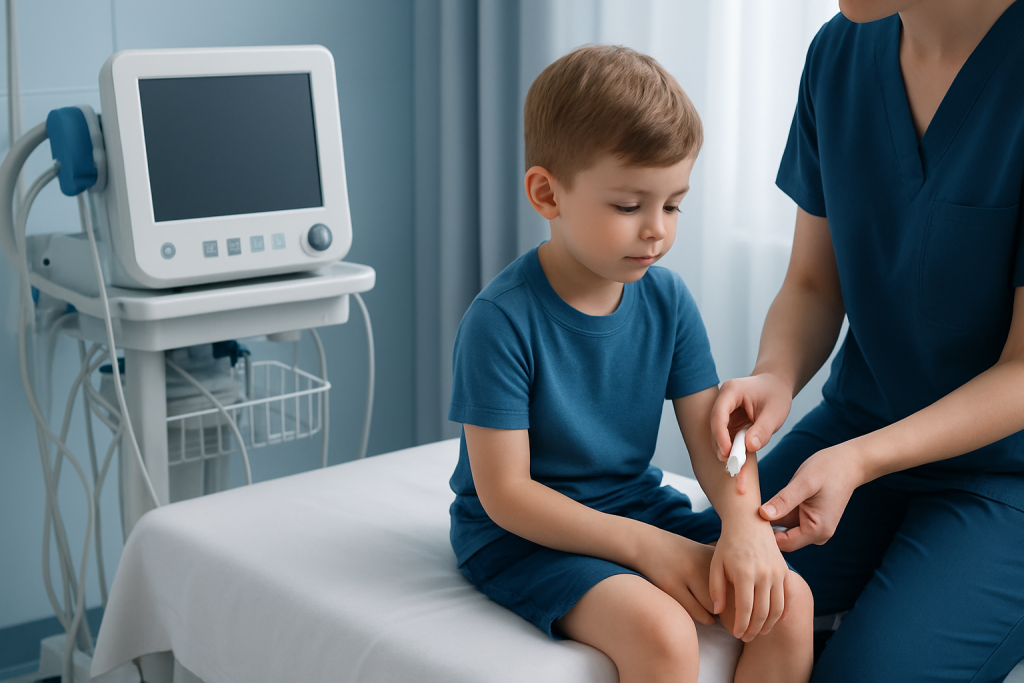
HFMD blisters go away as the viral infection resolves. Keeping the affected skin clean and dry, avoiding friction from tight footwear or clothing, and allowing blisters to remain intact can support natural healing. Blisters should not be squeezed, punctured or peeled because this can increase soreness and create an entry point for bacteria.
For mouth blisters, cold liquids, ice chips for children old enough to use them safely, and soft bland foods may be more comfortable than acidic, salty, spicy or hot foods. Suitable pain-relieving medicine depends on the person’s age, medical history and other medicines, so a parent or patient should seek individualized advice from a qualified clinician or pharmacist. Aspirin should not be given to children or teenagers with viral illnesses unless specifically directed by a specialist.
If a blister opens on its own, it can be gently washed with soap and water, patted dry and protected from rubbing with a clean, non-stick dressing if needed. Worsening redness, warmth, swelling, pus, increasing pain or fever after initial improvement may suggest a bacterial skin infection and should be assessed.
Who Needs Assessment and What Diagnosis Involves

Most people with a typical mild rash and mouth sores can be cared for at home, but assessment is sensible when the diagnosis is uncertain, symptoms are severe, or the person is at higher risk of complications. This includes infants, people who are pregnant, those with weakened immune systems, and anyone unable to maintain fluids.
There is no usual blister-removal procedure and no special preparation is needed for supportive treatment. During an appointment, a clinician generally asks about the timing of fever, sore throat, rash, exposures and fluid intake. They examine the mouth, hands, feet and other affected areas, looking for the typical pattern and for signs of dehydration or another condition that may resemble HFMD.
Laboratory testing is not usually necessary. Tests may occasionally be considered when symptoms are unusual, severe or important to distinguish from other infections. Treatment decisions focus on comfort, hydration, monitoring and the person’s individual health needs rather than on the number of blisters.
Step-by-Step Blister Care and Recovery Timeline
At home, the practical process begins with rest and hydration. Offer small, frequent sips of water or other suitable fluids; oral rehydration solutions may be helpful when a child is drinking poorly, particularly after advice from a healthcare professional. Monitoring urination, alertness and the ability to swallow gives useful information about hydration.
Next, protect the rash. Wash hands before and after touching affected skin, use loose and breathable clothing, and avoid picking at scabs. If a person is uncomfortable walking because of foot lesions, soft socks and well-fitting shoes may reduce friction. Mouth discomfort can often be eased by cool drinks and soft foods such as yogurt, puréed foods or soups served at a comfortable temperature.
Fever and sore throat often occur early in the illness, while the skin and mouth lesions may follow. Most people begin feeling better within about a week, though the exact timeline varies. Skin may peel lightly as it recovers, and temporary nail changes can rarely appear several weeks later; these generally grow out without treatment.
The benefit of this approach is that it supports comfort and prevents avoidable problems while the infection resolves naturally. The principal risks arise from inadequate fluid intake, skin damage from popping blisters, or inappropriate use of medicines. A clinician can advise when symptoms do not follow the expected course.
Are Blisters the Last Stage of HFMD?
Blisters are not necessarily the last stage of HFMD. Fever, tiredness, sore throat and reduced appetite often appear first, followed by painful mouth sores and a rash or blisters on the hands and feet. However, the order and severity of symptoms can differ between individuals.
Once blisters appear, they may still evolve for several days before drying and healing. Some people have only a few lesions, while others have a more widespread rash. Improvement in fever and general wellbeing is often a reassuring sign, but a person should still be monitored for hydration and for any new concerning symptoms.
After the active illness, mild peeling of the skin can occur. This is usually part of recovery and does not mean the infection is returning. If peeling is severe, painful, associated with swelling or redness, or accompanied by persistent fever, medical advice is appropriate.
How Long Does It Take for a Hand, Foot, and Mouth Blister to Heal?
A hand, foot and mouth blister commonly heals within about 7 to 10 days as the illness settles, although mouth sores and skin lesions may improve at different rates. Blisters that remain intact often dry up and resolve without leaving scars. Individual recovery can be slower when lesions are repeatedly irritated or when the person has another health condition affecting healing.
It is normal for the appearance of the rash to change during recovery. A blister may flatten, dry and form a small scab, while surrounding skin can become dry or peel. Gentle washing and avoiding scratching are usually all that is needed for uncomplicated healing.
Medical review is advisable if lesions are getting more painful rather than less painful, are spreading rapidly, show pus or marked redness, or have not improved within the expected timeframe. The same applies if a child refuses fluids or has fewer wet diapers or less frequent urination than usual.
Do I Need to Disinfect My House After Hand, Foot, and Mouth?
A complete household disinfection is not usually necessary, but regular cleaning can reduce spread. HFMD viruses can be present in saliva, nasal secretions, blister fluid and stool. Careful handwashing with soap and water, especially after diaper changes, toilet use, wiping a nose and before preparing food, is one of the most effective protective measures.
Clean and disinfect frequently touched objects and surfaces, such as doorknobs, taps, bathroom surfaces, toys and shared electronics, following the instructions for an appropriate household disinfectant. Wash soiled clothing, bedding and towels in accordance with the fabric label, and avoid sharing cups, utensils, towels or toothbrushes while someone is unwell.
Children may return to childcare or school according to local guidance and when they feel well enough to participate, are managing symptoms, and have been fever-free as required by the setting’s policy. Because viruses may continue to be shed after visible symptoms improve, continuing good hand hygiene remains important.
When to Seek Medical Care
Urgent medical assessment is needed if a person cannot drink or swallow enough fluid, has signs of dehydration such as very little urine, a dry mouth, no tears when crying, unusual sleepiness or dizziness, or develops difficulty breathing. Infants, especially very young infants with fever, should be assessed promptly according to local pediatric advice.
A doctor should also evaluate severe headache, neck stiffness, confusion, persistent high fever, seizures, worsening weakness, or a rapidly worsening rash. Seek advice when blisters look infected, symptoms last longer than expected, or the person has a weakened immune system or is pregnant.
Acibadem International’s multidisciplinary specialists and JCI-accredited hospitals can assess viral illnesses and related skin or hydration concerns for international patients. For most uncomplicated cases, however, supportive home care and clear advice from a qualified healthcare professional are sufficient.
Frequently asked questions
Can HFMD blisters be popped?
No. HFMD blisters should generally be left intact because the overlying skin protects the area as it heals. Popping them can increase discomfort and may raise the risk of a bacterial skin infection.
Is there an antiviral medicine for hand foot and mouth disease?
There is no routine antiviral treatment for uncomplicated HFMD. Care focuses on fluids, rest, easing pain and fever with clinician-approved options, and protecting the skin while the immune system clears the virus.
What should a child drink with painful HFMD mouth sores?
Cool fluids in small, frequent amounts are often easier to tolerate. Water and oral rehydration solutions may be suitable, while acidic drinks can sting mouth sores; a clinician can advise if drinking remains difficult.
When is HFMD most contagious?
HFMD is often most contagious during the first week of illness, when fever, sore throat and new lesions are present. However, the virus can remain in stool for weeks, so handwashing after toilet use or diaper changes continues to matter after recovery.
Can adults get hand foot and mouth disease?
Yes. Adults can develop HFMD, particularly after close contact with an infected child, although symptoms may be mild or absent. Adults with severe symptoms, pregnancy, or health conditions affecting immunity should seek medical advice.
Do HFMD blisters leave scars?
Most HFMD blisters heal without scars, particularly when they are not picked or infected. Temporary discoloration, dryness or peeling can occur during healing and usually resolves over time.
References
- Centers for Disease Control and Prevention
- American Academy of Pediatrics
- National Health Service
- World Health Organization
This article is for general information only and is not a substitute for professional medical advice. Please consult a qualified doctor about your individual situation.
Explore treatments in Turkey — costs, top hospitals & a free quote
JCI-accredited · board-certified surgeons · reply within 24h