

Cryo Ablation: Procedure, Recovery and Results

Cryo ablation is most often performed as cryoballoon ablation for selected people with atrial fibrillation. The procedure uses catheter-based freezing rather than open-heart surgery.
Key Takeaways
- Cryo ablation is most often performed as cryoballoon ablation for selected people with atrial fibrillation.
- The procedure uses catheter-based freezing rather than open-heart surgery.
- Many people go home the same day or after an overnight stay, although individual recovery needs vary.
- Short-term palpitations may occur during healing and do not always mean the procedure has failed.
- The likelihood of lasting rhythm control depends on the type of arrhythmia, heart health and other individual factors.
- Urgent assessment is needed for severe chest pain, worsening breathlessness, fainting or concerning bleeding after the procedure.
Cryo ablation is a minimally invasive procedure that uses extreme cold to create small, targeted areas of scar tissue. In the heart, it is commonly used to treat atrial fibrillation by interrupting electrical signals that trigger or sustain an irregular rhythm.
Overview: What Is Cryo Ablation?
Cryo ablation, also called cryoablation, is a procedure that deliberately freezes a small, carefully selected area of tissue. The freezing creates a controlled injury that becomes scar tissue. In cardiac care, this scar tissue can block abnormal electrical pathways and help restore or maintain a more regular heart rhythm.
For atrial fibrillation (AFib), cryo ablation commonly uses a balloon-shaped catheter, known as a cryoballoon. The cardiologist guides the catheter through a blood vessel, usually from the groin to the heart, and freezes tissue around the pulmonary veins. These veins can carry electrical signals that initiate AFib. The goal is to electrically isolate the veins from the rest of the heart.
Cryo ablation is not the same as open-heart surgery. It is a catheter procedure performed by a heart rhythm specialist, often called an electrophysiologist. It may be considered when AFib symptoms continue despite lifestyle measures or medicines, or when medicines are not well tolerated.
How Cryo Ablation Works and Who May Be a Candidate
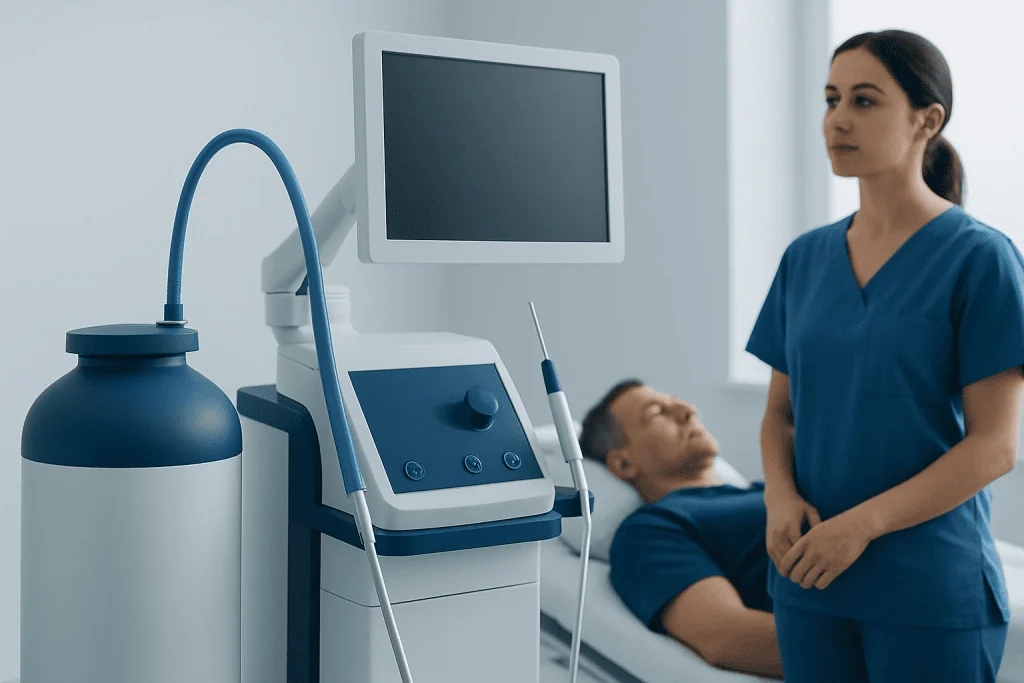
The heart normally beats in an organized pattern directed by its electrical system. In AFib, rapid and disorganized electrical activity causes an irregular rhythm. Cryo ablation targets areas that contribute to these signals. When the tissue freezes, it loses its ability to conduct the unwanted impulses in the same way.
Potential candidates include people with symptomatic paroxysmal AFib, meaning AFib that starts and stops on its own, and some people with persistent AFib. The decision depends on symptoms, the pattern and duration of AFib, heart structure, other medical conditions, previous treatment and the person’s priorities. Cryoballoon ablation may not be suitable for every rhythm problem or every individual.
Before recommending treatment, the clinical team usually reviews an electrocardiogram, heart monitoring results, echocardiogram, medical history and medicines. Some people also need blood tests or imaging to check for a blood clot in the heart. AFib itself is discussed in more detail in this overview of atrial fibrillation.
- Symptoms such as palpitations, breathlessness, tiredness or reduced ability to exercise may support consideration of ablation.
- Risk factors such as high blood pressure, sleep apnea, obesity, alcohol use and thyroid disease should also be assessed and addressed.
- Blood-thinning treatment may still be needed after ablation, based on stroke risk rather than whether the rhythm seems normal.
What Happens During the Cryo Ablation Procedure?
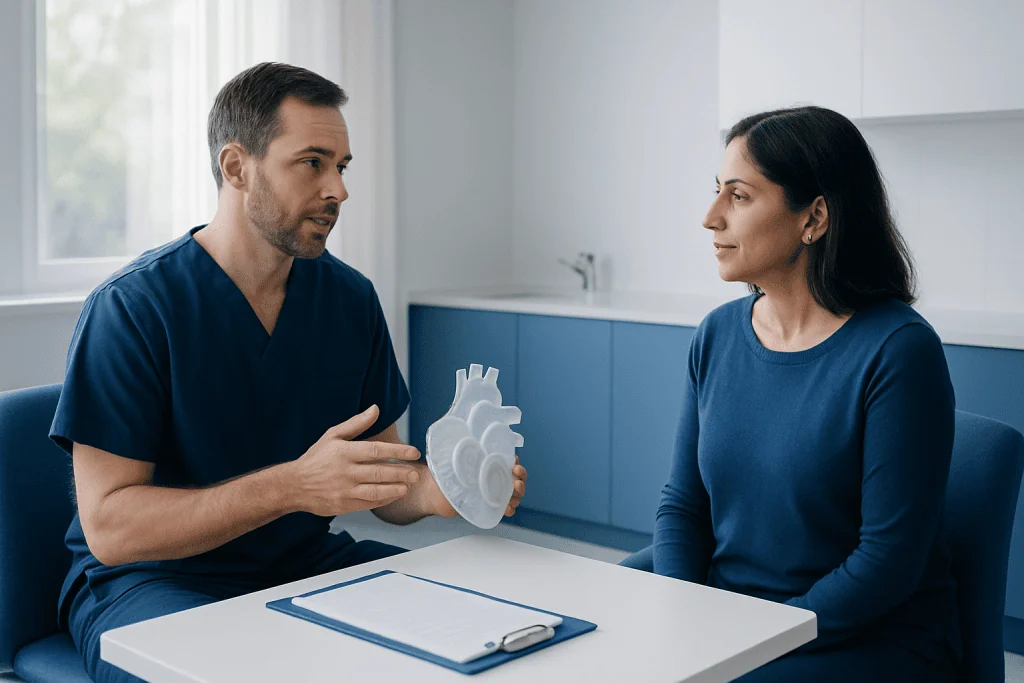
Preparation instructions vary, but patients are commonly asked about fasting, current medicines and allergies before the procedure. They should tell the team about blood thinners, diabetes medicines, kidney problems, pregnancy and any history of bleeding. A clinician will give individualized guidance on which medicines to continue or temporarily adjust.
During the procedure, the patient receives sedation or general anesthesia so they remain comfortable. The skin at the access site is cleaned and numbed. The electrophysiologist inserts thin, flexible tubes called catheters into a vein, usually in the groin, and advances them to the heart using imaging and electrical mapping guidance.
A cryoballoon is positioned at the opening of each targeted pulmonary vein. The balloon is cooled for a controlled period while the team checks that the vein is electrically isolated. The catheters are then removed, and pressure or a closure method is used at the groin site. The procedure length varies with the heart rhythm and individual anatomy, and patients are monitored afterward as the anesthesia wears off.
For patients considering a catheter-based rhythm procedure, cryoablation treatment can be discussed with an electrophysiology team alongside alternatives such as medication or other types of ablation.
Recovery Timeline After Cryo Ablation
Cryo ablation recovery is usually gradual but relatively quick compared with surgical procedures. After the catheter is removed, the patient stays in a recovery area while the heart rhythm, blood pressure and groin site are monitored. Depending on the access method and anticoagulant plan, lying flat may be necessary for a period to reduce bleeding risk.
Many patients are discharged later the same day or after an overnight stay. Mild groin soreness, bruising, fatigue, a sore throat from airway equipment, or temporary palpitations can occur. These symptoms often settle over days to a few weeks. The care team provides specific instructions for wound care, activity, driving, work and medicines.
During the first weeks to months, the heart tissue is healing. Episodes of palpitations or AFib can occur during this period and do not automatically indicate that the treatment was unsuccessful. Follow-up appointments and rhythm monitoring help the clinician assess progress. Patients should continue prescribed medicines unless their doctor advises otherwise, especially anticoagulants.
For most people, the cryo ablation recovery time includes avoiding strenuous exercise and heavy lifting for several days, then returning to usual activities as directed. Recovery can be longer if there are complications, other health conditions or demanding physical work.
How Long Is Bed Rest After an Ablation?
Bed rest after an ablation is usually required for several hours after catheter removal, particularly when the groin vein has been used. The exact time depends on the type of vascular closure, medications that affect bleeding, the size of the access site and the patient’s overall condition. The treating team will say when it is safe to sit up and walk.
Once home, people are usually encouraged to take short, gentle walks rather than remain in bed. Rest is important on the first day, but prolonged bed rest is generally not needed unless a clinician specifically recommends it. Heavy lifting, vigorous exercise and activities that strain the groin should be avoided for the period advised by the care team.
A growing, painful lump at the groin site, persistent bleeding, numbness or a cold leg should be assessed urgently. Following discharge instructions carefully can help protect the access site while it heals.
How Long Does It Take to Recover From Cryoablation?
Many people feel able to resume light daily activities within a few days, while complete cryoablation surgery recovery can take one to two weeks or longer depending on the person’s health and the demands of their routine. Fatigue may persist briefly after sedation, hospitalization and the body’s healing response. People should pace themselves and increase activity gradually.
The cryoballoon ablation recovery time for rhythm stabilization is often longer than the time needed for the groin site to heal. In the first few months, the heart can be more irritable as treated tissue heals. The electrophysiologist may describe this as a healing or blanking period and may arrange monitoring during this time.
Recovery is supported by taking medicines as prescribed, attending follow-up visits, maintaining hydration and caring for the groin site as instructed. Managing AFib contributors such as high blood pressure, sleep apnea, excess weight, smoking and excess alcohol may also improve longer-term rhythm outcomes.
Benefits, Risks and Expected Results
A potential benefit of cryo ablation is improved control of AFib symptoms and a reduced burden of irregular rhythm episodes. For some people, this can improve day-to-day comfort, exercise tolerance and quality of life. It may also reduce the need for rhythm-control medicines, although medication decisions must be individualized.
Like all invasive procedures, cryo ablation has risks. These include bleeding, bruising or infection at the access site, blood vessel injury, reaction to anesthesia, blood clots, stroke, fluid around the heart and recurrence of AFib. Cryoballoon-specific risks can include temporary irritation of the nerve that controls the diaphragm and, rarely, injury to nearby structures. The procedural team takes steps to monitor for and reduce these risks.
No ablation can guarantee permanent freedom from AFib. Some people need continued medicines, additional monitoring or a repeat procedure. Long-term results are influenced by AFib type, enlargement or scarring of the heart chambers, other heart disease, weight, sleep apnea and lifestyle factors. A shared discussion with an electrophysiologist can place potential benefits and risks in the context of the individual’s health.
What Is the Success Rate of Cryoablation for AFib?
The success rate of cryoablation for AFib cannot be summarized by one number that applies to everyone. Studies use different definitions of success, follow patients for different lengths of time and may count medication use or repeat procedures differently. In general, outcomes tend to be more favorable for paroxysmal AFib than for long-standing persistent AFib.
Success is often defined as a meaningful reduction or absence of recurrent atrial arrhythmia after the healing period, sometimes without antiarrhythmic medication. Some patients have substantial symptom improvement even if occasional episodes continue. Others may need another ablation because electrical connections can recover or new rhythm triggers can develop.
The electrophysiologist can give the most relevant estimate after evaluating the individual’s AFib history, test results, heart anatomy and overall health. Ongoing management of risk factors remains important even after a technically successful procedure.
Do Nerves Grow Back After Cryoablation?
In cardiac cryo ablation, the intended target is heart tissue that carries abnormal electrical signals, not nerves in the usual sense. The treated heart tissue forms scar tissue, and its ability to conduct the targeted abnormal signals is intended to remain reduced. However, electrical conduction can sometimes recover at the edges of treated areas, which is one reason AFib may recur.
A nearby nerve called the phrenic nerve may be temporarily affected during cryoballoon ablation, particularly while treating veins on the right side of the heart. The team monitors diaphragm movement during the procedure to help prevent injury. When temporary phrenic nerve weakness occurs, it often improves over time, but recovery varies and persistent problems are uncommon.
Anyone who develops new or worsening shortness of breath after the procedure should contact their clinical team promptly. The clinician can assess whether symptoms are related to the heart rhythm, lungs, recovery from anesthesia or another cause.
When to Seek Medical Care
Patients should contact their treating team for persistent palpitations, increasing fatigue, fever, redness or drainage at the groin site, or concerns about medicines after cryo ablation. A scheduled follow-up is important even when recovery appears uncomplicated, because rhythm monitoring and medication review are part of safe aftercare.
Urgent medical care is needed for severe or worsening chest pain, fainting, marked shortness of breath, signs of stroke such as facial drooping or difficulty speaking, heavy bleeding, or a rapidly enlarging painful swelling at the access site. These symptoms may have causes unrelated to ablation, but they should not be ignored.
Acibadem International’s multidisciplinary specialists and JCI-accredited hospitals evaluate and treat heart rhythm conditions for international patients. Care plans should always be based on an in-person medical assessment and the patient’s individual risks, symptoms and goals.
Frequently asked questions
Is cryo ablation painful?
The procedure is performed with sedation or general anesthesia, so patients should not feel the freezing inside the heart. Mild soreness or bruising at the groin access site and fatigue are common afterward. The clinical team provides pain-relief guidance if needed.
Is cryo ablation the same as cryoballoon ablation?
Cryo ablation is the broader term for using controlled cold to destroy targeted tissue. Cryoballoon ablation is a cardiac form of cryo ablation that uses a balloon catheter, most commonly to isolate pulmonary veins in people with AFib. Other cryoablation techniques may be used for different medical conditions.
Can AFib return after cryo ablation?
Yes, AFib can return after cryo ablation. Some episodes can occur in the early healing period, while later recurrence may happen if electrical connections recover or if other AFib triggers remain. Follow-up monitoring helps determine whether symptoms represent a recurrence and whether treatment needs adjustment.
Will blood thinners be stopped after cryo ablation?
Not necessarily. The decision to continue or stop anticoagulant medication is based mainly on an individual’s stroke-risk factors, rather than symptoms alone or the perceived success of ablation. Patients should never stop a blood thinner without instructions from their prescribing clinician.
When can someone exercise after cryo ablation?
Light walking is often encouraged soon after discharge, but strenuous exercise and heavy lifting are usually postponed for several days or as advised by the treating team. The return to sport or physically demanding work should be individualized, especially if palpitations, fatigue or groin discomfort continue. A clinician can give specific clearance at follow-up.
What should someone avoid after cryo ablation?
For the first days after the procedure, patients are commonly advised to avoid heavy lifting, vigorous exercise and activities that put pressure on the groin access site. They should also follow instructions about driving, bathing, alcohol and medication use. Individual restrictions may differ, so discharge instructions take priority.
References
- American Heart Association
- Heart Rhythm Society
- European Society of Cardiology
- National Heart, Lung, and Blood Institute
This article is for general information only and is not a substitute for professional medical advice. Please consult a qualified doctor about your individual situation.
CRYO in Turkey — costs, top hospitals & a free quote
JCI-accredited · board-certified surgeons · reply within 24h
Check your numbers in seconds
BMI, calories, due date, blood pressure and 30+ more clinical calculators — free, instant, doctor-reviewed ranges.

More from the Health Library



Related Specialists
Assoc. Prof. Dr. Lütfiye Uygur
Gynecology & Obstetrics
Dr. Abdurrahman Gölbaşı
Radiology
Prof. Dr. İlkan Dünder
Gynecology & Obstetrics
Dr. Nevra Gülhan Görgülü
Anesthesiology