

Ptns Treatment: How It Works, Results and What to Expect

PTNS is a minimally invasive neuromodulation treatment used mainly for overactive bladder symptoms, including urgency, frequent urination and urge leakage. A common PTNS treatment protocol involves 30-minute weekly appointments for 12 weeks, followed by individualized maintenance sessions for people who benefit.
Key Takeaways
- PTNS is a minimally invasive neuromodulation treatment used mainly for overactive bladder symptoms, including urgency, frequent urination and urge leakage.
- A common PTNS treatment protocol involves 30-minute weekly appointments for 12 weeks, followed by individualized maintenance sessions for people who benefit.
- Results vary, but clinical studies show that many appropriately selected patients experience meaningful improvement in symptoms and quality of life.
- The procedure is generally well tolerated; temporary discomfort, redness or minor bruising at the needle site are possible.
- A bladder diary, fluid habits, pelvic floor strategies and treatment of contributing conditions can improve overall symptom management.
PTNS treatment, or percutaneous tibial nerve stimulation, is an office-based therapy that uses gentle electrical stimulation near the ankle to help control overactive bladder symptoms. It is usually offered over a planned series of weekly sessions and may be suitable when bladder training and medicines have not provided enough relief or are not well tolerated.
PTNS Treatment Overview: How It Works
PTNS treatment is a minimally invasive therapy for symptoms of overactive bladder, including a sudden need to urinate, frequent urination, waking at night to pass urine and urgency urinary incontinence. PTNS stands for percutaneous tibial nerve stimulation. It delivers low-level electrical stimulation to a nerve near the ankle, which communicates with nerve pathways involved in bladder control.
During treatment, a very fine needle electrode is placed just above the inner ankle and connected to a small stimulation device. The stimulation travels along the tibial nerve toward nerve centers in the lower spine that help regulate the bladder and pelvic floor. The treatment does not involve surgery, an implanted device or general anesthesia.
PTNS is one form of neuromodulation. Rather than directly treating the bladder muscle, it aims to adjust signaling between the bladder, pelvic floor and nervous system. It may be considered as part of a broader plan for overactive bladder when conservative measures alone have not been sufficient.
Who May Be a Candidate for PTNS Treatment?
PTNS may be considered for adults with bothersome overactive bladder symptoms, particularly urgency urinary incontinence, who have not improved enough with bladder training, lifestyle changes or pelvic floor rehabilitation. It may also be an option for people who prefer to avoid daily medication or have experienced medication side effects.
Before recommending PTNS, a clinician will look for conditions that may cause or worsen urinary symptoms. These can include a urinary tract infection, poorly controlled diabetes, constipation, bladder stones, pelvic organ prolapse, enlarged prostate in men, medication effects, or neurological conditions. Evaluation may include a medical history, physical examination, urine testing, measurement of urine left in the bladder after voiding, and a bladder diary.
PTNS is not appropriate for everyone. The care team will review factors such as a pacemaker or implanted defibrillator, a bleeding disorder, use of anticoagulant medicine, pregnancy, significant nerve damage or an active infection near the ankle. These factors do not always rule out treatment, but they need individualized medical assessment.
PTNS Treatment Schedule and Procedure: Step by Step

A typical PTNS treatment schedule consists of one 30-minute appointment each week for 12 weeks. This commonly used PTNS treatment protocol is based on clinical research and allows time for the nervous system to respond to repeated stimulation. Some people notice changes within several visits, while others need the full initial course before benefit can be assessed.
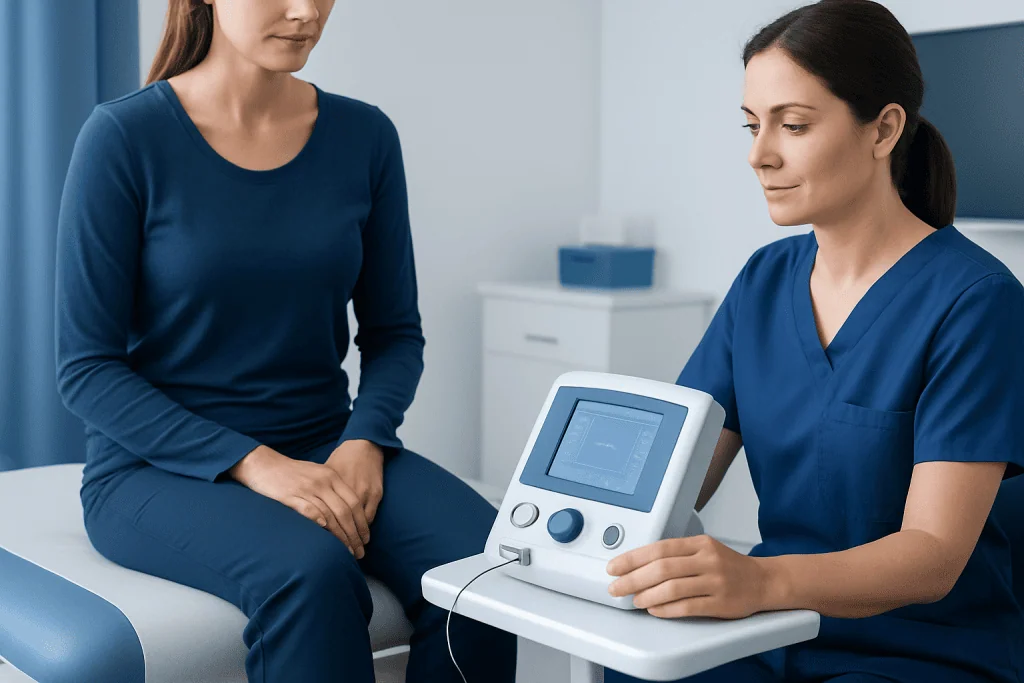
At the appointment, the person sits or reclines comfortably with one leg accessible. A clinician cleans the skin and inserts a thin needle just above the inner ankle, close to the tibial nerve. A surface electrode is placed on the foot, and the device is gradually adjusted until a mild pulsing, tingling sensation or a small movement of the toes is felt. The sensation should be tolerable rather than painful.
The needle is removed at the end of the session, and the person can usually return to usual daily activities immediately. There is no sedation or recovery room stay. After the initial course, people who respond may have maintenance visits. PTNS how often maintenance is needed varies; some people return every few weeks, while others need less frequent sessions depending on symptom recurrence.
PTNS may be discussed alongside other evidence-based overactive bladder treatment options, including behavioral therapies, medicines and other neuromodulation approaches. The best choice depends on symptoms, medical history, preferences and treatment availability.
Benefits, Results and PTNS Treatment Success Rate
PTNS can reduce episodes of urinary urgency, urge leakage, daytime frequency and nighttime urination for some patients. It may also improve confidence, sleep and participation in everyday activities. Its advantages include being office based, reversible and free from the systemic side effects associated with some bladder medicines.
What is the success rate of PTNS? There is no single result that applies to every individual because studies use different definitions of improvement and include people with different symptom severity. Clinical trials and real-world studies generally find that a substantial proportion of people completing an initial 12-session course achieve a meaningful improvement, often measured as at least a 50% reduction in troublesome symptoms or a clear improvement on patient-reported scales.
A person’s PTNS treatment success rate may depend on the underlying cause of symptoms, consistency in attending appointments, coexisting bowel or pelvic floor concerns, and whether lifestyle measures are used alongside treatment. Keeping a bladder diary before and during treatment helps the clinician and patient assess changes objectively.
PTNS does not permanently cure overactive bladder, and benefits may fade if treatment stops. For responders, maintenance sessions can help sustain improvement. If PTNS is not effective enough, a urologist or urogynecologist can discuss alternative therapies, including botulinum toxin treatment for overactive bladder when appropriate.
What Are the Risks of PTNS?
What are the risks of PTNS? PTNS is generally considered a low-risk procedure when performed by a trained clinician. Most side effects are mild and short lived because the needle is small and the stimulation level is adjusted to comfort.
Possible effects include temporary tingling or discomfort during stimulation, minor bleeding, bruising, redness, tenderness or skin irritation at the needle site. Rarely, a person may feel lightheaded during a procedure. Infection is uncommon but is a potential risk whenever the skin is punctured.
Patients should tell the clinician about implanted electrical devices, bleeding conditions, blood-thinning medicines, pregnancy, nerve disorders and any skin infection or wound near the treatment area. They should also report new pain, swelling, warmth, discharge or persistent symptoms after a session. These concerns can be assessed promptly and safely.
What Calms Down an Overactive Bladder?
What calms down an overactive bladder? Treatment often works best when PTNS is combined with practical bladder-supporting habits. A clinician may recommend timed voiding, which means using a planned toilet schedule and gradually increasing the time between bathroom visits. Pelvic floor muscle training, ideally guided by a qualified pelvic health professional, may help suppress urgency and improve bladder control.
Fluid habits can matter, but excessive restriction is not usually helpful because concentrated urine can irritate the bladder. People may benefit from spreading fluid intake through the day and identifying personal triggers such as caffeine, alcohol, carbonated drinks, acidic foods or artificial sweeteners. Managing constipation, maintaining a healthy weight where appropriate and reviewing medicines with a clinician can also support symptom control.
Not everyone responds to the same strategy. A bladder diary can identify patterns in drinks, urination, leakage and urgency, making treatment more tailored. Other options may include bladder-relaxing medicines, pelvic floor therapy, injections or different forms of neuromodulation, selected after a thorough evaluation.
How Much Does PTNS Cost?
How much does PTNS cost? The total cost depends on the country, healthcare system, hospital or clinic, insurance or public coverage, clinician fees and the number of initial and maintenance sessions needed. Because PTNS is typically delivered as a series of visits rather than one procedure, it is useful to ask for an estimate covering the assessment, the initial course and potential follow-up treatment.
Insurance coverage policies differ widely and may require documentation that conservative approaches or medicines were tried first. Patients can ask their insurer whether PTNS is covered for their diagnosis, whether preauthorization is needed and what out-of-pocket costs may apply. A hospital billing or international patient office can explain local planning details before treatment begins.
Cost should be considered together with expected appointment commitment, likely maintenance needs, treatment alternatives and personal goals. A qualified clinician can help patients compare options without assuming that one approach is right for every person.
When to Seek Medical Care
Urinary urgency and leakage are common and treatable, but they should be evaluated when they are new, persistent, worsening or interfering with sleep, work, travel or daily activities. A clinician can confirm whether symptoms are due to overactive bladder and exclude other causes that need different care.
Prompt medical assessment is important for blood in the urine, fever, burning urination, pelvic or flank pain, inability to pass urine, recurrent urinary infections, new leg weakness or numbness, or a sudden major change in bladder control. These symptoms may indicate a condition other than uncomplicated overactive bladder.
Acibadem International’s multidisciplinary specialists and JCI-accredited hospitals evaluate and treat bladder conditions for international patients, including personalized assessment of neuromodulation options such as PTNS treatment.
Frequently asked questions
How long does PTNS take to work?
Some people notice improvement after several weekly sessions, but the initial course is usually completed over 12 weeks before results are judged. Response differs between individuals, and a bladder diary can help track changes in urgency, frequency and leakage.
How long is each PTNS appointment?
The electrical stimulation portion of a PTNS appointment commonly lasts about 30 minutes. Allowing time for preparation and discussion, the total visit may be somewhat longer depending on the clinic.
Is PTNS painful?
Most people describe a mild tingling, pulsing or tapping sensation in the foot or ankle during PTNS. The clinician adjusts the stimulation to a comfortable level, and the thin needle may cause brief discomfort when inserted.
Can PTNS be used instead of overactive bladder medication?
For some people, PTNS may be used when medicines have not helped enough, cause side effects or are not preferred. Others use it alongside behavioral treatment or medication, based on a clinician’s individualized recommendation.
Will PTNS cure overactive bladder permanently?
PTNS can provide meaningful symptom control, but it is not generally considered a permanent cure for overactive bladder. People who respond often need occasional maintenance sessions to help preserve benefit.
What happens if PTNS does not improve symptoms?
A clinician may review the diagnosis, bladder diary, contributing conditions and attendance at the treatment schedule. Other options may include pelvic floor therapy, medication, bladder injections or other neuromodulation treatments, depending on the person’s needs and medical history.
References
- American Urological Association
- European Association of Urology
- National Institute of Diabetes and Digestive and Kidney Diseases
- International Continence Society
This article is for general information only and is not a substitute for professional medical advice. Please consult a qualified doctor about your individual situation.
Explore treatments in Turkey — costs, top hospitals & a free quote
JCI-accredited · board-certified surgeons · reply within 24h
Add us as a Preferred Source to see more of our trusted health content across Google Search, AI Overviews and Discover.

More from the Health Library



Related Specialists

Prof. Dr. Pınar Yalınay Dikmen
Neurology
Prof. Dr. Ahmet Oytun Baykan
Cardiology
Prof. Dr. Ahmet Ayık
Emergency Service
Assoc. Prof. Dr. Ahmet Küçükçelebi
Aesthetic Plastic & Reconstructive Surgery