Foods to Avoid after Radioactive Iodine Treatment: How It Works, Results and What to Expect

A low-iodine diet is commonly needed before radioactive iodine treatment, but it is not usually required long-term afterward. The timing for returning to normal food varies; many patients can do so shortly after treatment when their specialist confirms it is appropriate.
Key Takeaways
- A low-iodine diet is commonly needed before radioactive iodine treatment, but it is not usually required long-term afterward.
- The timing for returning to normal food varies; many patients can do so shortly after treatment when their specialist confirms it is appropriate.
- Radioactive iodine may be used for overactive thyroid conditions or for certain types of differentiated thyroid cancer.
- Temporary precautions at home reduce radiation exposure to other people and are individualized according to the dose received.
- Fatigue, dry mouth, altered taste and neck discomfort can occur, but persistent or severe symptoms should be discussed with a clinician.
Most people can return to normal eating soon after radioactive iodine treatment unless their thyroid care team gives different instructions. The low-iodine diet is generally used before treatment to improve iodine uptake, while post-treatment food advice focuses on hydration, comfort and following individualized radiation-safety guidance.
Overview: foods to avoid after radioactive iodine treatment
Foods to avoid after radioactive iodine treatment are usually not restricted for long. In many cases, the low-iodine diet used before treatment can be stopped soon afterward, often once the treating nuclear medicine or thyroid team says it is appropriate. The exact plan depends on why radioactive iodine was given, the dose used, whether a scan is planned, and individual medical circumstances.
Radioactive iodine, also called radioiodine or iodine-131, is a targeted treatment that thyroid cells absorb more readily than most other cells. It can be used to treat an overactive thyroid gland or to destroy remaining thyroid tissue and microscopic thyroid cancer cells after surgery for selected differentiated thyroid cancers.
Patients should not restart iodine-containing supplements, seaweed products, or prescribed medicines that affect thyroid management without asking their clinician. Written instructions from the treatment center take priority over general advice because radiation-safety arrangements and dietary timing are personalized.
How radioactive iodine works and who may be offered it
The thyroid uses iodine to make thyroid hormones. After radioactive iodine is swallowed as a capsule or liquid, thyroid tissue absorbs it. The radiation then acts over time within those cells, limiting exposure to surrounding tissues. It is not the same as external-beam radiotherapy, where a machine directs radiation toward the body.
For hyperthyroidism, radioactive iodine may be considered when medicines are not suitable, do not provide lasting control, or when a definitive treatment is preferred. It may be used for Graves’ disease, toxic multinodular goitre, or a toxic thyroid nodule, depending on the person’s condition and treatment goals.
For thyroid cancer, it is mainly used after surgery in selected people with papillary or follicular thyroid cancer. It is not useful for every thyroid cancer type or every risk level. The decision considers pathology findings, the extent of disease, scan results, thyroid-stimulating hormone levels, age, other health conditions and patient preferences.
Radioactive iodine is generally avoided during pregnancy and breastfeeding. People who may become pregnant are usually asked to have pregnancy testing before treatment and receive individual advice about avoiding pregnancy or fathering a child for a period afterward.
Preparing for treatment: low-iodine diet and candidacy checks

A low-iodine diet temporarily reduces the body’s iodine stores so thyroid cells are more likely to take up the radioactive iodine. It is commonly followed for around one to two weeks before treatment, but the timing differs between clinical protocols. It is a short-term medical preparation, not a general healthy-eating plan and not the same as a low-salt diet.
Foods often limited before treatment include iodized salt, seaweed and kelp products, many seafoods, dairy products, egg yolks, some commercially prepared foods, and products containing certain food colorings or iodine-containing ingredients. Patients should check labels and ask their team for a local, written food list, as iodine content varies by country and food manufacturing practices.
Before therapy, clinicians review medications, supplements and recent imaging tests. Iodine-containing contrast used for some CT scans, amiodarone, multivitamins, cough medicines, herbal products and topical iodine antiseptics can affect treatment planning. Patients should report all medicines and supplements but should not stop prescribed treatment unless told to do so.
Depending on the reason for treatment, the team may adjust thyroid hormone medicine or use injections that raise thyroid-stimulating hormone. Blood tests, imaging and pregnancy testing where appropriate help confirm that treatment can proceed safely.
What happens during radioactive iodine treatment
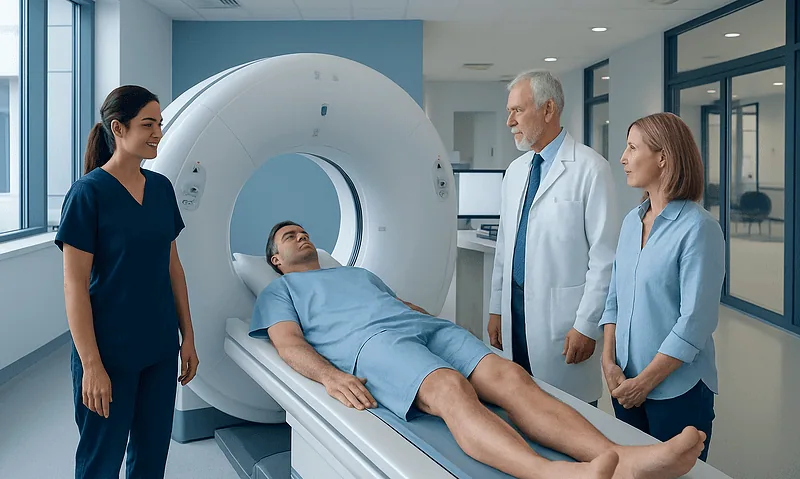
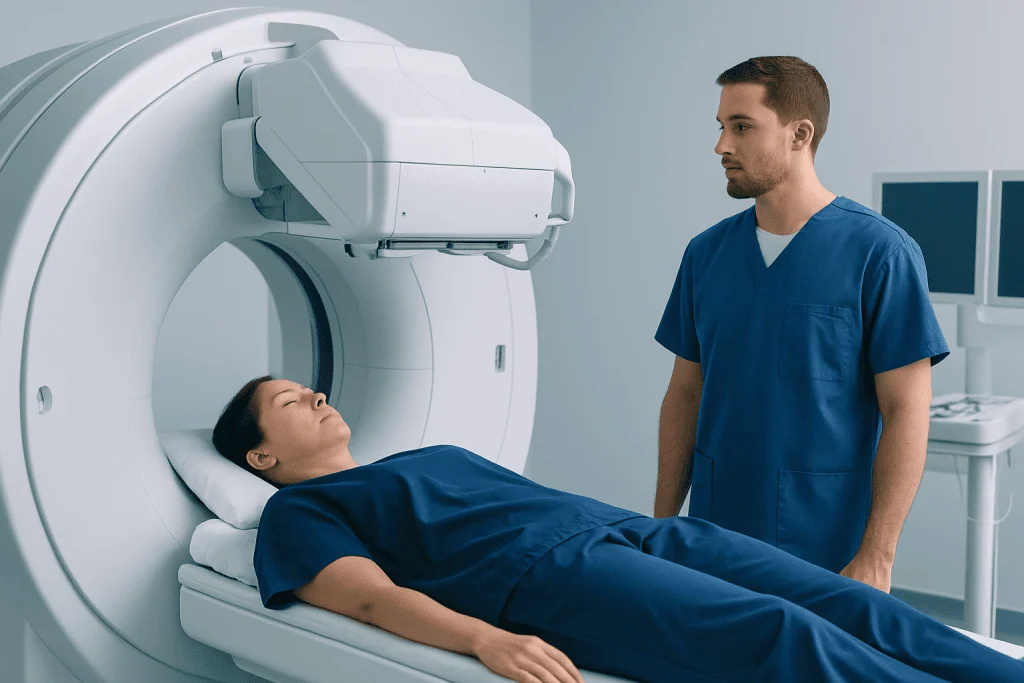
Radioactive iodine is usually taken by mouth in a hospital or nuclear medicine setting. The appointment may include final safety checks, a review of home precautions and an opportunity to ask questions. The capsule or liquid itself is typically quick to take and does not cause an immediate sensation.
Some patients receive treatment as an outpatient and go home the same day. Others may need a short stay in a specially prepared room, particularly when a higher dose is used. The treatment team calculates the approach based on the condition being treated, the planned activity of radioactive iodine and local radiation-protection requirements.
After swallowing the treatment, the unabsorbed radioactive iodine leaves the body mainly through urine, with smaller amounts in saliva, sweat and stool. This is why temporary instructions may include drinking fluids, using a separate bathroom if possible, careful handwashing, flushing the toilet more than once, and avoiding close contact with others for a specified time.
For people receiving care across borders, Acibadem International’s multidisciplinary specialists and JCI-accredited hospitals can assess thyroid conditions and coordinate radioactive iodine treatment and follow-up for international patients.
Recovery timeline, benefits and possible side effects
Recovery is often straightforward, although the treatment effect is gradual. In hyperthyroidism, hormone levels may take several weeks to months to improve, and some people need temporary medication adjustments while the thyroid becomes less active. A proportion of patients develop hypothyroidism over time and need long-term levothyroxine replacement, which is monitored with blood tests.
After radioactive iodine for thyroid cancer, follow-up may include thyroglobulin testing, neck ultrasound, thyroid hormone management and, in selected cases, whole-body scanning. Treatment can reduce the amount of remaining thyroid tissue and lower the risk associated with persistent microscopic disease, but the expected benefit differs by cancer stage and pathology.
Possible short-term effects include tiredness, nausea, a dry mouth, altered taste, mild swelling or tenderness in the neck, and irritation of the salivary glands. Sucking sugar-free sour sweets or chewing sugar-free gum may be recommended by some teams to stimulate saliva, but timing differs after treatment, so patients should follow their center’s specific advice.
Less common effects can include more persistent salivary gland problems, dry eyes, changes in tear drainage, or temporary effects on fertility markers after higher exposures. Clinicians discuss relevant risks before treatment and arrange follow-up based on the individual’s diagnosis and dose.
How long after radioactive iodine can I eat normal food?
Many people can return to normal food shortly after radioactive iodine treatment, often within a few days or as soon as their treatment team says the low-iodine diet is no longer needed. Some centers advise stopping the low-iodine diet immediately after the dose, while others may recommend continuing it until a follow-up scan or for a brief planned period.
The safest answer is to use the written instructions provided by the nuclear medicine team. Those instructions account for the type of treatment, whether imaging is scheduled, and whether a specific thyroid cancer protocol is being followed.
Once normal eating is allowed, a balanced diet with regular meals is appropriate for most people. Patients should drink fluids as advised and can gradually choose bland or soft foods if nausea, dry mouth or a changed taste makes eating uncomfortable. Iodine-containing supplements should only be restarted after clinical advice.
How long does it take to feel better after radioactive iodine?
How quickly a person feels better depends on the reason for treatment. For an overactive thyroid, symptoms such as palpitations, tremor, heat intolerance and anxiety may improve gradually over weeks to months as thyroid hormone levels fall. In the short term, some people may feel unchanged or may have temporary worsening of symptoms, so blood-test monitoring is important.
After treatment for thyroid cancer, many people feel physically well within days, although tiredness, altered taste or salivary discomfort can take longer to settle. Emotional recovery can also take time, especially while waiting for follow-up results. Discussing expectations with the thyroid and oncology team can help patients plan work, travel and support at home.
Persistent tiredness may also reflect low or high thyroid hormone levels, sleep disruption, stress or another medical issue. Regular follow-up helps clinicians adjust thyroid hormone replacement or other medicines safely.
Can you still get thyroid cancer after radioactive iodine?
Yes. Radioactive iodine does not guarantee that thyroid cancer will never occur, return or persist. When it is used after surgery, its purpose is to destroy remaining iodine-absorbing thyroid tissue and selected microscopic cancer cells, helping with risk reduction and follow-up in appropriate patients.
Many thyroid cancers have excellent outcomes, but recurrence risk varies according to the cancer type, size, spread beyond the thyroid, lymph node involvement, pathology findings and response to initial treatment. Some thyroid cancer cells do not absorb iodine well, which is one reason radioactive iodine is not recommended for everyone.
Ongoing surveillance is important. Depending on the diagnosis, this may include clinical review, blood tests such as thyroglobulin and thyroid-stimulating hormone, ultrasound and other imaging when indicated. New symptoms do not automatically mean cancer has returned, but they should be discussed with a clinician.
How do you clean your house after radioactive iodine?
Most people do not need special professional cleaning after radioactive iodine. For the time period given by the treatment center, practical hygiene measures reduce the small amount of radioactive material that may leave the body in urine, saliva, sweat or stool.
Patients are often advised to wash hands thoroughly, clean splashes in the toilet or bathroom promptly, flush the toilet twice if instructed, and wash towels, underwear, bedding and clothing separately or according to local guidance. Disposable tissues should be used for saliva or nasal secretions and discarded as advised. Dishes and cutlery can usually be washed normally, although some centers recommend not sharing them for a short time.
Do not use bleach, harsh chemicals or extensive household decontamination unless the radiation-safety team specifically recommends it. The length and detail of precautions vary with the dose and the household situation, including whether children, pregnant people or close caregivers are present. The written discharge instructions should guide cleaning, laundry, sleeping arrangements and contact with others.
When to seek medical care
Patients should contact their treatment team promptly if they develop severe or worsening neck swelling, difficulty breathing or swallowing, repeated vomiting, signs of dehydration, severe pain, a high fever, or a significant allergic-type reaction. These symptoms are uncommon, but they need timely clinical assessment.
People treated for hyperthyroidism should also seek urgent advice for severe palpitations, chest pain, fainting, marked shortness of breath, confusion or a high fever with agitation. These may have causes unrelated to radioactive iodine, but they should not be managed at home without medical guidance.
Questions about food, contact precautions, travel, returning to work, pregnancy planning or medication changes should be directed to the nuclear medicine, endocrinology or oncology team. Follow-up appointments are an important part of achieving safe thyroid hormone control and monitoring treatment response.
Frequently asked questions
What foods should be avoided after radioactive iodine treatment?
Most patients do not need a prolonged food restriction after treatment. The low-iodine diet is generally most important before radioactive iodine, but the treating team may ask a person to continue it briefly in certain thyroid cancer protocols. Iodine supplements and any products specifically listed by the treatment center should not be restarted until the team advises it.
Can I drink plenty of water after radioactive iodine treatment?
Drinking fluids is commonly encouraged after treatment because it helps the body pass unabsorbed radioactive iodine in urine. However, patients should follow their own clinician’s instructions, especially if they have heart, kidney or fluid-restriction conditions. Frequent urination and careful bathroom hygiene may be part of the temporary safety advice.
Should I avoid being around children after radioactive iodine?
Temporary distance precautions are often recommended because children are more sensitive to radiation exposure. The required duration depends on the radioactive iodine dose, the reason for treatment and the amount of close contact expected. The treatment center will provide individualized instructions for children, pregnant people and other household members.
Can radioactive iodine make my mouth dry or change my taste?
Yes, dry mouth, altered taste and salivary gland discomfort can occur because salivary glands can take up some radioactive iodine. These effects are often temporary, but persistent symptoms should be reported to the care team. The team can advise on hydration, oral care and whether saliva-stimulating measures are suitable.
Will I need thyroid hormone tablets after radioactive iodine?
Many people eventually need thyroid hormone replacement after radioactive iodine for hyperthyroidism because the thyroid may become underactive. People treated for thyroid cancer commonly take levothyroxine after thyroid surgery, with the dose adjusted during follow-up. Blood tests are used to guide treatment safely.
Can I travel after radioactive iodine treatment?
Travel may be possible, but timing depends on the dose received and radiation-safety advice. Security screening equipment can occasionally detect residual radioactivity, so the treatment center may provide documentation if travel is expected. Patients should ask before booking flights or long journeys, particularly if close seating with others cannot be avoided.
References
- American Thyroid Association
- Society of Nuclear Medicine and Molecular Imaging
- National Cancer Institute
- International Atomic Energy Agency
- British Thyroid Foundation
This article is for general information only and is not a substitute for professional medical advice. Please consult a qualified doctor about your individual situation.
Explore treatments in Turkey — costs, top hospitals & a free quote
JCI-accredited · board-certified surgeons · reply within 24h
Add us as a Preferred Source to see more of our trusted health content across Google Search, AI Overviews and Discover.