Calcium Channel Blocker Overdose Treatment: How It Works, Results and What to Expect

A suspected calcium channel blocker overdose is a medical emergency, even if the person initially feels well. Treatment focuses on stabilising breathing, heart rhythm, blood pressure and blood sugar while limiting further absorption when appropriate.
Key Takeaways
- A suspected calcium channel blocker overdose is a medical emergency, even if the person initially feels well.
- Treatment focuses on stabilising breathing, heart rhythm, blood pressure and blood sugar while limiting further absorption when appropriate.
- High-dose insulin therapy, intravenous calcium and medicines that support blood pressure may be used in severe poisoning under intensive monitoring.
- Extended-release tablets may cause delayed or prolonged symptoms, so observation in hospital is often necessary.
- Do not induce vomiting or wait for symptoms to develop; contact emergency services or a poison centre promptly.
Calcium channel blocker overdose treatment requires urgent emergency assessment because these medicines can dangerously slow the heart and lower blood pressure. Hospital treatment is tailored to the medicine taken, timing, amount, symptoms and the person’s response to close monitoring and supportive care.
Overview: how calcium channel blocker overdose treatment works
Calcium channel blocker overdose treatment is emergency care designed to protect the heart, circulation and breathing while the body processes the medication. Calcium channel blockers, including medicines such as amlodipine, diltiazem, verapamil, nifedipine and felodipine, are commonly prescribed for high blood pressure, angina and some heart rhythm conditions. In an overdose, they can reduce the heart’s pumping strength, slow electrical conduction and relax blood vessels too much.
Care begins with rapid stabilisation and continuous monitoring. Clinicians assess consciousness, breathing, blood pressure, pulse, heart rhythm, blood glucose and blood tests that help guide treatment. There is no single approach that fits every person; treatment depends on the specific drug, whether it is immediate- or extended-release, when it was taken, whether other substances were involved and how unwell the person is.
Many people recover well with prompt, expert treatment. However, calcium channel blocker poisoning can become serious quickly or develop later after extended-release products, which is why suspected overdose should always be managed as an emergency rather than at home.
What happens if you overdose on calcium channel blockers?
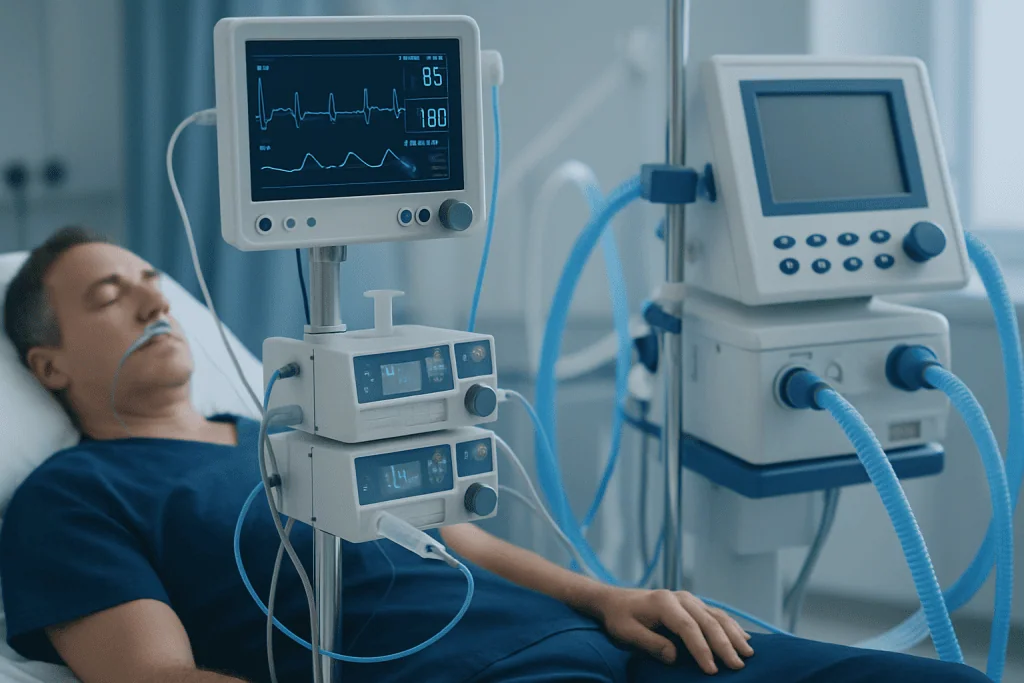
An overdose can cause blood pressure to fall and the heart to beat too slowly, irregularly or less effectively. This can reduce blood flow to the brain and other organs. Early symptoms may include dizziness, marked weakness, nausea, vomiting, drowsiness, fainting, chest discomfort, shortness of breath or confusion. Some people have few symptoms at first, especially after taking extended-release tablets.
Different calcium channel blockers can produce somewhat different patterns. Verapamil and diltiazem may be more likely to slow the heart rate or disrupt electrical conduction, while dihydropyridine medicines such as amlodipine may cause prominent widening of blood vessels and very low blood pressure. Severe toxicity may lead to shock, loss of consciousness, seizures, kidney injury or cardiac arrest without urgent treatment.
Blood sugar may become high because these medicines can reduce insulin release from the pancreas. This finding can help clinicians recognise significant toxicity, but it is only one part of the overall assessment. Co-ingestion of alcohol, sedatives, beta blockers or other heart medicines can increase risk and may change the treatment plan.
Who needs emergency treatment and when to seek medical care

Anyone who has taken more calcium channel blocker medicine than prescribed, taken another person’s medicine, or taken it intentionally should seek emergency advice immediately. This is also important for children, older adults and people with heart, kidney or liver disease, because smaller amounts may have greater effects. A person should not drive themselves to hospital.
Emergency services should be called immediately for fainting, severe dizziness, trouble breathing, chest pain, confusion, seizures, blue or grey lips, collapse, a very slow pulse or symptoms of shock such as cold, clammy skin. If available locally, a poison centre can provide immediate guidance while emergency care is arranged. The medicine container, remaining tablets and information about the estimated timing should be brought to the hospital when possible.
Do not try to make the person vomit, give home remedies or wait to see whether symptoms settle. Unless emergency professionals advise otherwise, do not give food, drinks or additional medication to someone who is drowsy, vomiting or has difficulty swallowing.
Candidacy and the hospital assessment
There is no elective “candidacy” process for overdose treatment: anyone with a suspected clinically significant ingestion is assessed promptly in an emergency department. Clinicians first ensure that the airway, breathing and circulation are stable. They will ask about the medication name, strength, formulation, amount, time taken, usual health conditions and any other medicines, alcohol or recreational substances involved.
Initial tests commonly include repeated blood pressure readings, an electrocardiogram (ECG), blood glucose measurements and blood tests to assess electrolytes, kidney function and acid-base balance. A pregnancy test may be relevant for some patients. People without symptoms may still require observation, particularly if an extended-release product was taken or the history is uncertain.
Assessment also includes compassionate attention to why the overdose occurred. If the ingestion was intentional, mental health support is an important part of safe care after medical stabilisation. The aim is to address immediate physical risks and support longer-term wellbeing without judgement.
Step-by-step treatment in hospital
In the emergency department, clinicians establish intravenous access, attach continuous heart monitoring and give oxygen or breathing support if needed. Intravenous fluids may help support circulation in selected patients. If the ingestion was recent and the airway is protected, activated charcoal may sometimes be used to reduce absorption; it is not suitable for everyone. Whole-bowel irrigation may be considered in selected cases involving large amounts of extended-release medication.
If blood pressure is low or the heart is slow, treatment may include intravenous calcium, medicines that raise blood pressure and, in appropriate cases, atropine for certain slow rhythms. A key treatment for severe calcium channel blocker poisoning is high-dose insulin euglycaemia therapy. This specialised intensive-care treatment uses insulin with carefully managed glucose and potassium monitoring to improve the heart’s energy use and pumping function.
Glucagon, lipid emulsion therapy, temporary pacing or advanced mechanical circulatory support may be considered in selected, life-threatening cases when standard measures are insufficient. These decisions are made by critical-care, emergency, cardiology and toxicology teams based on the person’s condition. Treatment is continuously adjusted rather than delivered as a fixed sequence.
- Continuous ECG, blood pressure and oxygen monitoring detect changes early.
- Frequent blood tests guide safe use of insulin, glucose, calcium and vasopressor medicines.
- Intensive care may be required for severe symptoms, prolonged-release ingestion or ongoing circulatory support.
How long does it take for a calcium channel blocker to work?
At prescribed doses, the time to effect varies by medicine and formulation. Some immediate-release calcium channel blockers begin affecting blood pressure or heart rate within hours, while long-acting preparations are designed to release medicine gradually and may have a more sustained effect. The medication’s intended benefit can also build over days as a clinician adjusts treatment.
In an overdose, timing is less predictable. Symptoms may begin within a few hours after immediate-release products, but extended-release tablets can delay toxicity and prolong it for many hours or longer. This is why a person who appears well soon after ingestion may still need observation in hospital.
The duration of treatment also varies. Some people improve with monitoring and limited support, while severe poisoning can require intensive treatment for one or more days. The care team bases discharge decisions on stable vital signs, a reassuring heart rhythm, improving laboratory results and an adequate observation period for the formulation involved.
Can a calcium channel blocker overdose be reversed?
There is no simple antidote that instantly reverses every calcium channel blocker overdose. However, the harmful effects can often be successfully treated with prompt hospital care. Treatments such as intravenous calcium, insulin-based therapy, glucose support and blood-pressure medicines can counteract the effects on the heart and circulation while the medication is cleared.
Early medical attention generally gives the care team more options to prevent complications. Recovery depends on factors such as the type and amount of drug, delayed-release formulation, time to treatment, other substances taken and underlying heart or kidney health. Even when a person feels better, observation is important because effects can recur or persist.
After recovery, the prescribing clinician can review the person’s medication plan and discuss practical safety measures. These may include using a weekly organiser, keeping medicines in original labelled containers, avoiding dose changes without advice and storing medicines securely away from children.
Benefits, risks, recovery and follow-up
The principal benefit of hospital treatment is rapid recognition and management of low blood pressure, dangerous heart rhythms and reduced cardiac pumping before they cause organ injury. Treatment is performed in a monitored environment because interventions used in serious poisoning can themselves affect blood sugar, potassium, fluid balance and heart rhythm. Frequent checks allow clinicians to respond safely to these changes.
Recovery timelines differ widely. A person with a minor exposure may be observed and discharged once the risk period has passed and tests remain stable. Someone with severe poisoning may need intensive care, breathing support or medications to support circulation, followed by additional inpatient recovery. Follow-up may include a review with a primary clinician or cardiologist, especially if the medicine was prescribed for a heart or blood pressure condition.
The major side effect of calcium channel blockers at usual prescribed doses is often swelling of the ankles or lower legs, particularly with dihydropyridine medicines. Other possible effects include flushing, headache, dizziness, constipation, tiredness and low blood pressure; some medicines can slow the heart rate. New or troublesome symptoms should be discussed with the prescribing clinician rather than prompting a person to stop medication suddenly.
Acibadem International’s multidisciplinary specialists and JCI-accredited hospitals provide emergency, intensive-care and cardiology assessment for international patients with complex medication-related emergencies. Ongoing care should always be coordinated with qualified clinicians who can consider the individual’s medicines and health history.
Frequently asked questions
What is the major side effect of calcium channel blockers?
A common major side effect, particularly with dihydropyridine calcium channel blockers, is swelling in the ankles or lower legs. Other effects can include headache, flushing, dizziness, constipation, low blood pressure and, with some medicines, a slow heart rate. Symptoms should be reviewed with the prescribing clinician, especially if they are severe or new.
What should someone do after taking too many calcium channel blocker tablets?
They should contact emergency services or a poison centre immediately, even if they feel well. They should not induce vomiting or attempt to manage the situation with food, drinks or home remedies. The medication packaging should be kept available for emergency clinicians.
Can calcium channel blocker overdose symptoms be delayed?
Yes. Extended-release or sustained-release tablets can cause delayed symptoms and may continue releasing medication for a prolonged period. This is why hospital monitoring may be recommended even when early symptoms are mild or absent.
Why is insulin used for severe calcium channel blocker overdose?
In severe poisoning, high-dose insulin therapy can help the heart use energy more effectively and improve its pumping ability. It is given only in a closely monitored hospital setting because glucose and potassium levels require frequent measurement and adjustment.
Is dialysis used to remove calcium channel blockers?
Dialysis is generally not an effective way to remove most calcium channel blockers because many are extensively bound to tissues and proteins. However, kidney support may still be needed in selected critically ill patients for other reasons. The toxicology and critical-care teams determine the appropriate treatment for each situation.
How can accidental calcium channel blocker overdose be prevented?
Medicines should be taken exactly as prescribed and kept in their original labelled containers. A pill organiser and a written medication list may help prevent duplicate doses, while secure storage reduces the risk of children taking medication accidentally. Any uncertainty about a missed or extra dose should be discussed with a pharmacist, poison centre or clinician promptly.
References
- American Association of Poison Control Centers
- American College of Medical Toxicology
- National Capital Poison Center
- Merck Manual Professional Edition
- World Health Organization
This article is for general information only and is not a substitute for professional medical advice. Please consult a qualified doctor about your individual situation.
Heart care in Turkey — expert evaluation and treatment
JCI-accredited · board-certified surgeons · reply within 24h
Add us as a Preferred Source to see more of our trusted health content across Google Search, AI Overviews and Discover.
Check your numbers in seconds
BMI, calories, due date, blood pressure and 30+ more clinical calculators — free, instant, doctor-reviewed ranges.