Neuro Rehab: An Evidence-Based Patient Guide
Neuro rehab supports recovery and adaptation after conditions affecting the brain, spinal cord or nerves. Programs may include physical, occupational, speech-language and psychological therapies.
Key Takeaways
- Neuro rehab supports recovery and adaptation after conditions affecting the brain, spinal cord or nerves.
- Programs may include physical, occupational, speech-language and psychological therapies.
- Starting rehabilitation early when medically appropriate can support recovery, but meaningful progress may continue for months or longer.
- Goals are personal and can include safer mobility, self-care, communication, return to work and community participation.
- The rehabilitation plan is regularly adjusted according to symptoms, progress, safety and changing priorities.
Neuro rehab is a coordinated program of therapies designed to help a person improve movement, communication, thinking, swallowing and daily living after a neurological illness or injury. It is individualized, goal-focused and may begin in hospital before continuing through outpatient care or at home.
Neuro Rehab: What It Is and How It Works
Neuro rehab, short for neurological rehabilitation, is a structured, personalized approach to improving function after a condition or injury affects the brain, spinal cord, or peripheral nerves. It does not reverse every neurological change, but it can help a person regain skills, prevent complications and learn practical ways to live as independently and safely as possible.
The process uses the nervous system’s ability to adapt, often called neuroplasticity. Repeated, meaningful practice can strengthen remaining neural pathways and help a person develop alternative strategies for tasks that have become difficult. Therapy is most effective when activities relate to the person’s real goals, such as walking safely, dressing, eating, speaking, managing fatigue or returning to family and work roles.
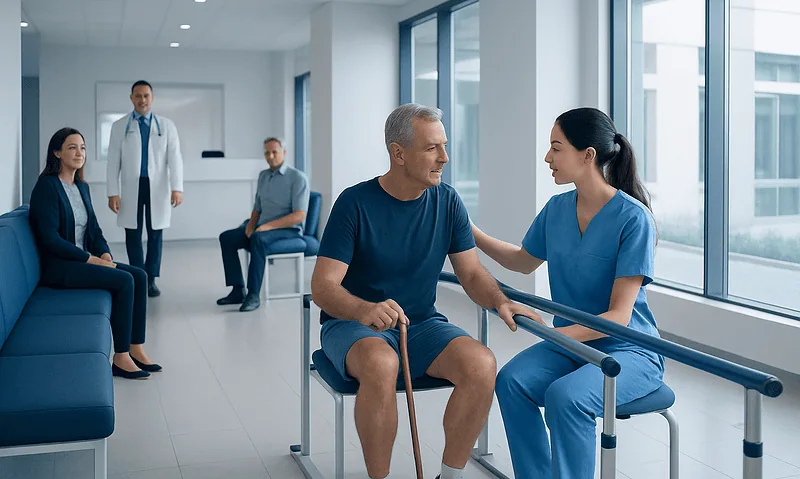
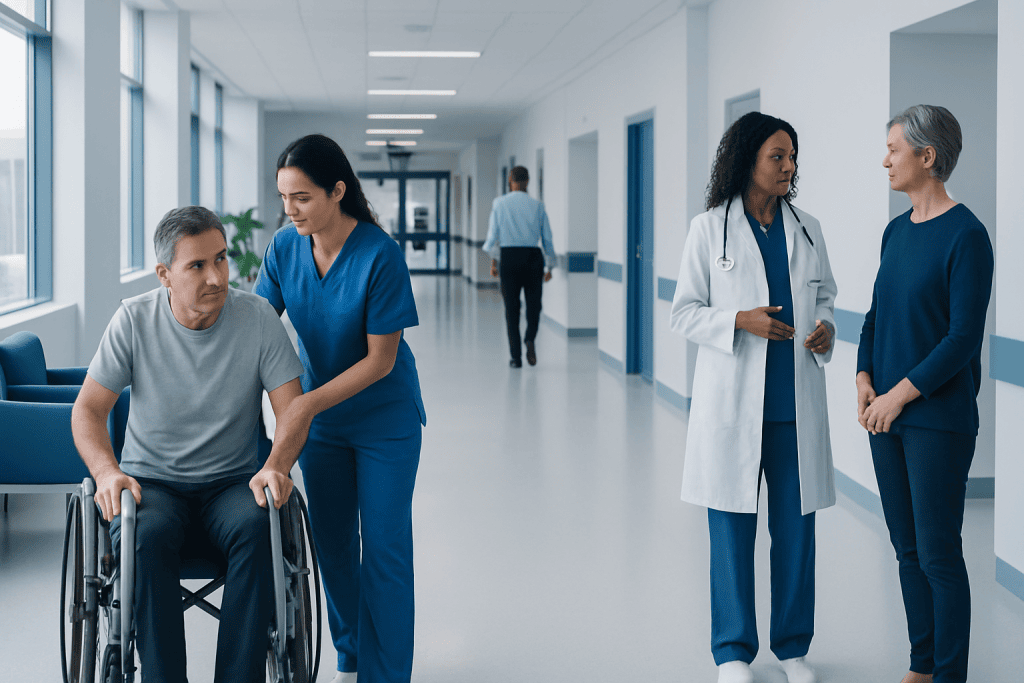
Neuro rehabilitation is delivered by a multidisciplinary team. Depending on the person’s needs, this may include a rehabilitation physician, neurologist, physiotherapist, occupational therapist, speech-language therapist, neuropsychologist, rehabilitation nurse, dietitian, social worker and orthotist. The team works with the patient and family to set achievable goals and review progress over time.
What Does Neuro Rehab Include?
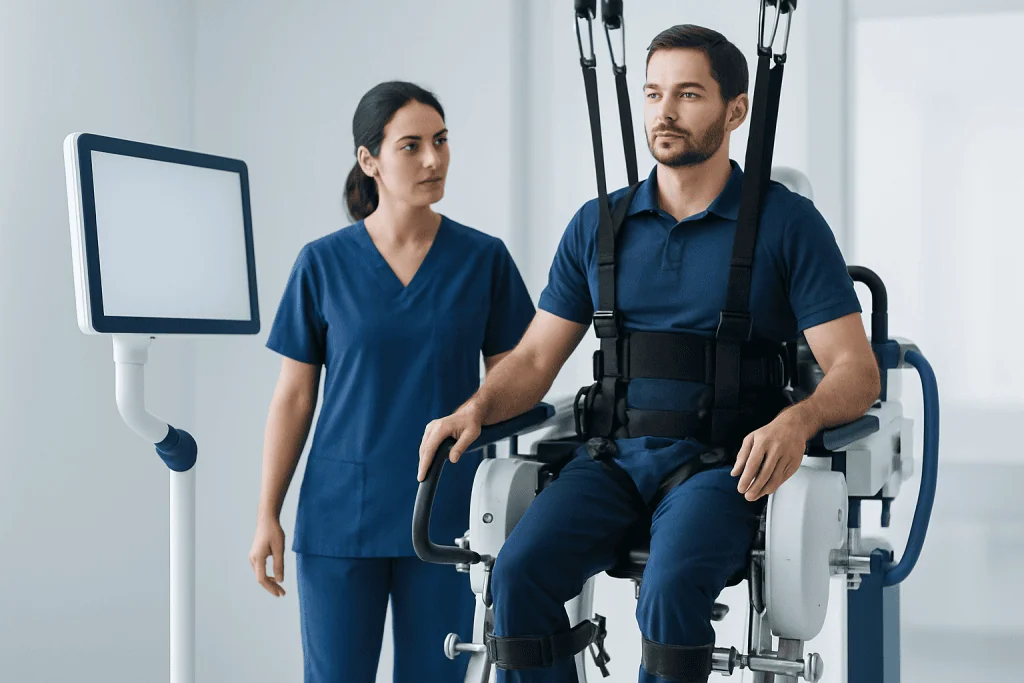
Neuro rehab includes assessment, goal setting, targeted therapy, education and planning for life after formal rehabilitation. The exact combination depends on the neurological diagnosis, symptoms, medical stability, home environment and personal priorities. Some people need intensive inpatient rehabilitation, while others attend outpatient appointments or receive therapy at home.
Common components include:
- Physiotherapy for strength, balance, walking, coordination, transfers and physical endurance.
- Occupational therapy for bathing, dressing, hand function, household tasks, driving assessment and adaptations for work or home.
- Speech-language therapy for communication, speech, language, swallowing and cognitive-communication difficulties.
- Neuropsychological support for attention, memory, mood, behavior, adjustment and practical coping strategies.
- Medical rehabilitation care for pain, spasticity, fatigue, bladder or bowel concerns, sleep and medication review.
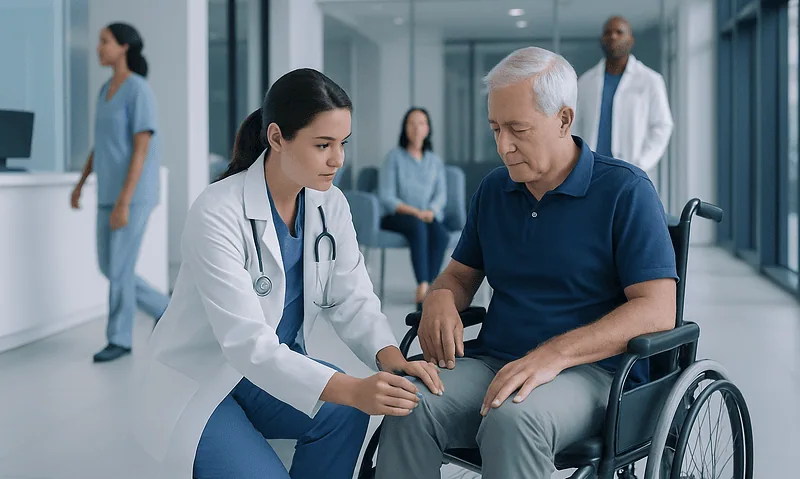
Assistive devices, mobility aids, orthoses, communication tools and home modifications may also be recommended. Family training is an important part of care, particularly when a person needs support with transfers, medications, communication or safety at home.
Who May Benefit From Neuro Rehabilitation?
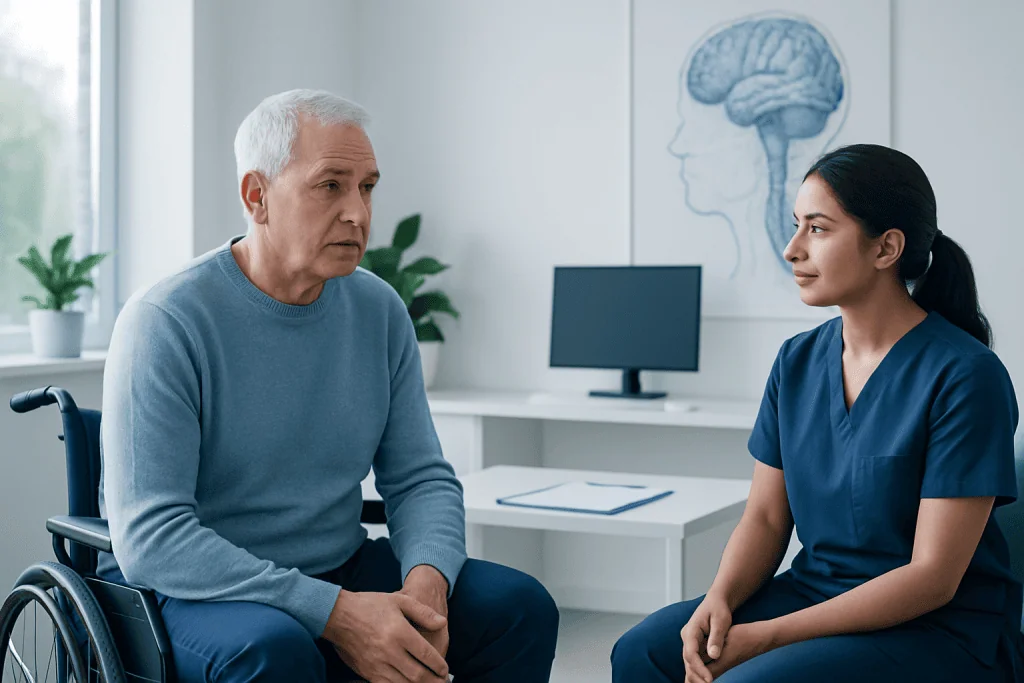
Neuro rehab may be appropriate for people whose function has changed because of a neurological condition. It is commonly used after stroke, traumatic brain injury, spinal cord injury, brain tumor treatment, multiple sclerosis, Parkinson’s disease, peripheral nerve injury, severe infection affecting the nervous system, or neuromuscular conditions.
A person does not need to have severe disability to benefit. Rehabilitation can also help with less visible effects, including fatigue, reduced concentration, balance concerns, mild speech changes, reduced confidence outside the home or difficulty returning to work. The team considers what has changed, what matters most to the individual and which goals are realistic and safe.
Candidacy is based on medical stability and the ability to participate in an appropriate way, not on a single test score. People with fluctuating symptoms, complex medical needs or cognitive difficulties can still benefit when therapy is adapted, paced and supported. A rehabilitation assessment can clarify the most suitable setting and intensity of care.
The Neuro Rehab Process: Assessment to Ongoing Care
Neuro rehabilitation usually starts with a detailed assessment. Clinicians review the diagnosis, imaging and treatment history, current symptoms, physical abilities, communication, cognition, emotional wellbeing, nutrition, medication needs and social circumstances. They also ask about previous routines and personally meaningful activities, because these shape useful rehabilitation goals.
After assessment, the team and patient agree on a plan. Goals may be short term, such as sitting safely at the edge of a bed, and longer term, such as returning home, using public transport or preparing a meal. Therapy sessions typically involve guided practice, education and exercises or strategies to use between sessions. The plan is modified as function changes.
Rehabilitation may be delivered in an acute hospital, inpatient rehabilitation unit, outpatient clinic, day rehabilitation program or home setting. Some people move through more than one setting as their medical needs lessen and their ability to manage daily activities improves. Coordinated physical therapy and rehabilitation can support this transition and help maintain continuity of goals.
Before discharge, the team usually reviews equipment, caregiver support, medication management, fall prevention, follow-up appointments and warning signs that should prompt medical review. This planning helps make rehabilitation gains more practical and sustainable in everyday life.
What Are the 7 Principles of Rehabilitation?
Rehabilitation models vary, but seven widely used principles help guide high-quality neuro rehab. First, care is person-centered: goals reflect the individual’s priorities, culture, roles and circumstances. Second, it is goal-directed, using clear functional goals that can be reviewed over time.
Third, rehabilitation is individualized, because two people with the same diagnosis may have very different symptoms and needs. Fourth, it is interdisciplinary, bringing together professionals with complementary expertise. Fifth, it is active and repetitive, using meaningful practice to support learning and adaptation.
Sixth, effective care is timely and progressive: therapy begins when medically appropriate and becomes more challenging as safely tolerated. Seventh, it is continuous and participatory, involving education, family or caregivers when desired, and planning across hospital, home and community settings. These principles support independence and quality of life rather than focusing only on an impairment score.
Is Neuro Rehab Worth It? Benefits, Limits and Possible Risks
Neuro rehab is often worth considering when neurological symptoms interfere with safety, independence or quality of life. Evidence supports rehabilitation for many neurological conditions, particularly when therapy is tailored to the person and focused on specific functional tasks. Potential benefits include better mobility, self-care, communication, swallowing safety, confidence, participation in daily life and caregiver preparedness.
Results vary. Recovery is influenced by the underlying condition, severity, treatment timing, general health, fatigue, pain, mood, social support and access to continued practice. Rehabilitation cannot promise a complete return to previous function, but it can help people make the best use of their abilities and identify adaptations for ongoing challenges.
Most rehabilitation therapies are low risk when supervised and individualized. However, exercise can cause temporary tiredness, soreness or symptom fluctuation, and some activities may carry a fall risk if safety precautions are not followed. The team monitors blood pressure, pain, fatigue, swallowing risk, cognition and medical issues, adapting the program when needed.
For people recovering from stroke, rehabilitation may include specialized stroke rehabilitation to address movement, speech, thinking and self-care needs. A clinician can explain which approaches are relevant, what outcomes are reasonable and how progress will be measured.
How Long Does Neuro Rehabilitation Take?
Neuro rehabilitation does not have one fixed timeline. Some people need a short period of therapy after a mild neurological event, while others benefit from months or longer of structured rehabilitation and periodic reassessment. The schedule depends on the diagnosis, severity of symptoms, recovery rate, therapy goals, medical needs and practical support at home.
In many situations, rehabilitation begins as soon as the person is medically stable. Early therapy may focus on preventing complications, safe positioning, basic movement and swallowing or communication assessment. As recovery progresses, therapy may shift toward walking, hand use, complex daily activities, cognition, community access and return-to-work planning.
Improvement is often fastest in the first weeks or months after an acute event, but progress can continue later. Long-term neurological conditions may require an ongoing approach that helps maintain function, manage symptoms and adjust strategies as needs change. Regular review helps ensure that therapy remains useful and does not become unnecessarily burdensome.
Self-Care and When to Seek Medical Care
Between therapy sessions, following the agreed home program can reinforce rehabilitation goals. Helpful measures may include regular activity within the clinician’s safety advice, consistent sleep routines, balanced nutrition, use of prescribed equipment, medication adherence and pacing activities to manage fatigue. Family members should receive training before assisting with transfers, walking or swallowing-related care.
Contact the rehabilitation team or treating clinician if there is increasing pain, repeated falls, new difficulty swallowing, worsening fatigue, changes in mood or behavior, or declining ability to manage usual activities. These changes may mean the rehabilitation plan, equipment or medical treatment needs review.
Seek urgent medical care for sudden new neurological symptoms, such as facial drooping, weakness or numbness on one side, trouble speaking or understanding, sudden severe headache, new loss of vision, seizure, fainting, chest pain or severe breathing difficulty. These symptoms require prompt assessment and should not be managed only through rehabilitation.
Acibadem International’s multidisciplinary specialists and JCI-accredited hospitals provide assessment and rehabilitation planning for international patients with neurological conditions. Care may include coordinated input from neurology, rehabilitation medicine and relevant therapy services according to individual needs.
Frequently asked questions
What is neuro rehab?
Neuro rehab is a personalized program that helps people improve function after a condition or injury affects the nervous system. It combines medical care, therapy, education and practical support to address goals such as movement, communication, thinking, swallowing and everyday independence.
What does neuro rehab include?
Neuro rehab may include physiotherapy, occupational therapy, speech-language therapy, neuropsychology, rehabilitation nursing and medical management. It can also include mobility aids, home adaptations, caregiver education and a tailored home exercise or practice plan.
Is neuro rehab worth it?
For many people, neuro rehab can be valuable because it targets meaningful daily activities and helps prevent avoidable complications. Outcomes vary, but rehabilitation can improve independence, safety, symptom management and participation even when complete recovery is not possible.
What are the 7 principles of rehabilitation?
Common principles are person-centered care, goal-directed treatment, individualized planning, interdisciplinary teamwork, active and repetitive practice, timely progression, and continuity across care settings. Together, these principles help ensure that rehabilitation reflects both medical needs and real-life priorities.
How long does neuro rehabilitation take?
The duration depends on the condition, severity of symptoms, personal goals and progress. Some people benefit from weeks of therapy, while others need months of rehabilitation, ongoing maintenance or reassessment as their needs change.
Can neuro rehab help after a stroke?
Yes. Stroke rehabilitation can help address weakness, balance problems, speech or language changes, swallowing difficulties, fatigue, memory concerns and challenges with daily activities. A rehabilitation team tailors therapy to the person's symptoms and recovery goals.
References
- World Health Organization
- American Heart Association
- American Stroke Association
- National Institute of Neurological Disorders and Stroke
- European Society of Physical and Rehabilitation Medicine
This article is for general information only and is not a substitute for professional medical advice. Please consult a qualified doctor about your individual situation.
Joint and spine care in Turkey — expert assessment & treatment
JCI-accredited · board-certified surgeons · reply within 24h
Add us as a Preferred Source to see more of our trusted health content across Google Search, AI Overviews and Discover.