Out Patient Rehab: An Evidence-Based Patient Guide
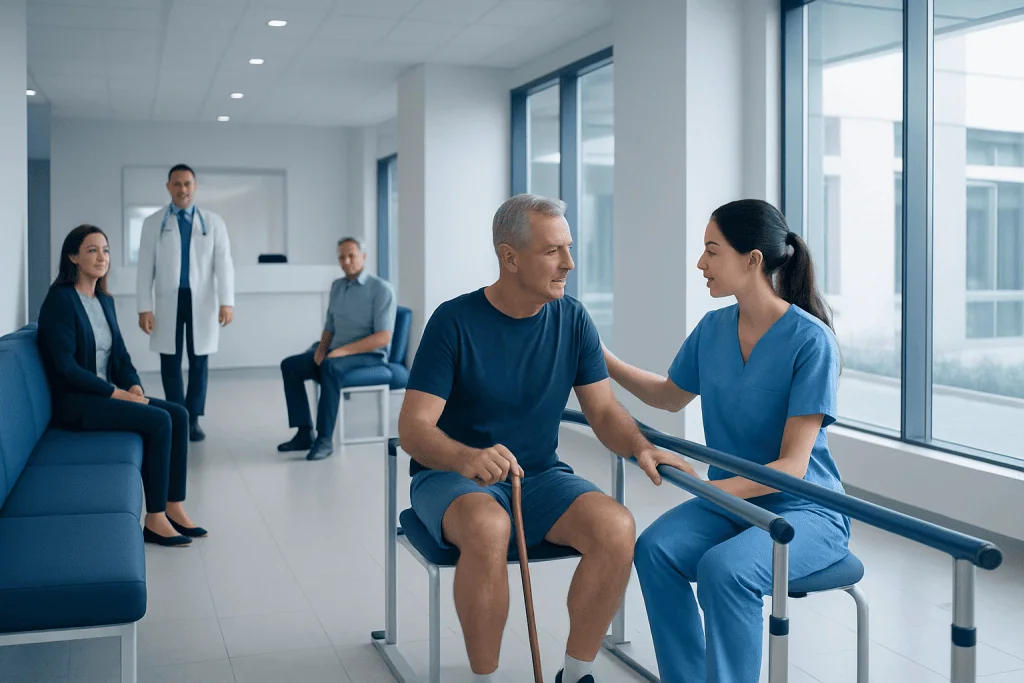
Out patient rehab allows people to attend scheduled therapy visits and return home the same day. Programs are tailored to the diagnosis, functional goals, health status and home support available.
Key Takeaways
- Out patient rehab allows people to attend scheduled therapy visits and return home the same day.
- Programs are tailored to the diagnosis, functional goals, health status and home support available.
- Treatment may involve physical therapy, occupational therapy, speech and language therapy, rehabilitation medicine and other specialties.
- Progress is reviewed regularly, and the program can change as strength, symptoms and independence improve.
- New or worsening weakness, severe pain, breathing symptoms or signs of a stroke require prompt medical assessment.
Out patient rehab is a planned program of therapy and clinical follow-up provided without an overnight hospital stay. It can support recovery after injury, surgery, neurological illness, pain conditions or reduced mobility while helping patients practise meaningful daily activities in their usual home environment.
Overview: What Is Out Patient Rehab?
Out patient rehab, also called outpatient rehabilitation, is healthcare designed to help a person improve function after an illness, injury, operation or change in physical ability. The person attends appointments at a rehabilitation center, clinic or hospital department, then returns home the same day. It is often appropriate when medical monitoring in a hospital is no longer needed but guided therapy remains important.
The central aim is practical: helping the individual safely do more of the activities that matter to them. Depending on their needs, this may include walking, using stairs, dressing, preparing meals, returning to work, communicating clearly, swallowing safely, managing fatigue or participating in exercise and leisure activities.
Out patient rehab is not a single procedure. It is a coordinated process led by rehabilitation professionals, often including a physician specializing in physical medicine and rehabilitation, physiotherapists, occupational therapists, speech and language therapists, nurses, psychologists, dietitians and social workers. The team and schedule are selected according to the person’s condition and goals.
How Out Patient Rehab Works
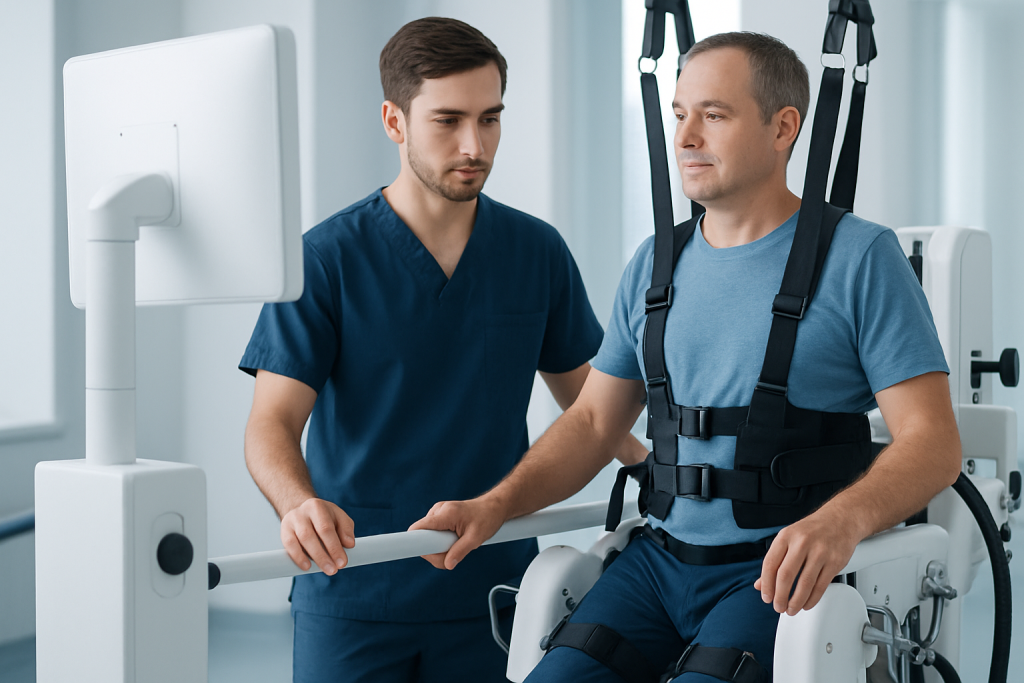
Rehabilitation begins with an assessment of symptoms, mobility, strength, balance, pain, endurance, thinking and communication skills when relevant. Clinicians also ask about daily routines, work demands, caregiving responsibilities, transport, home layout and personal goals. This helps ensure that treatment is useful beyond the therapy room.
A written plan commonly includes specific goals, such as walking a defined distance safely, using an affected arm more effectively, reducing fall risk or returning to a chosen activity. Visits may occur one or more times each week, although the frequency and length depend on the diagnosis, recovery stage, insurance or healthcare system arrangements, and the person’s ability to participate.
Between sessions, therapists usually provide a home program. This may include exercises, pacing strategies, safe movement techniques or practice with everyday tasks. Consistent practice can support progress, but activities should be performed as advised. Increasing intensity too quickly may worsen pain, fatigue or an injury.
For people recovering from neurological conditions, rehabilitation may combine movement training with cognitive, communication or swallowing support. A patient recovering from stroke may need therapy that addresses mobility, arm function, speech, fatigue and adaptation to daily life rather than focusing on only one symptom.
Who May Be a Candidate?

Out patient rehab may be considered when a person is medically stable, can travel safely to appointments or access remote support where available, and is able to participate in therapy. It is commonly used after orthopedic surgery, fractures, sports injuries, joint pain, back or neck conditions, neurological illness, cardiac or pulmonary events, cancer treatment, or periods of reduced mobility.
People may enter outpatient services directly after hospital discharge, after a period of inpatient rehabilitation, or following referral from a primary care clinician or specialist. Some people begin therapy soon after an injury; others need rehabilitation months or years later because symptoms, pain, falls or reduced independence are affecting everyday life.
Out patient rehab may not be the safest initial setting for everyone. Individuals with unstable medical problems, severe confusion, uncontrolled symptoms, a need for continuous nursing care or an inability to travel safely may need inpatient rehabilitation, home-based services or further medical treatment first. The care team can help determine the most suitable setting.
- People recovering from joint replacement, fracture repair or other orthopedic procedures
- People with balance problems, deconditioning, chronic pain or repeated falls
- People recovering from stroke, brain injury, spinal conditions or other neurological disorders
- People who need support with speech, swallowing, hand function, self-care or return-to-work skills
What Happens During the Program?
The first appointment usually includes a detailed history and physical or functional assessment. The clinician may measure joint movement, muscle strength, walking speed, balance, pain levels, hand function, endurance or ability to perform daily tasks. When speech, swallowing or cognition are concerns, specialized assessments can identify the safest and most helpful therapy approach.
At subsequent visits, treatment is adapted to the person’s goals. Physiotherapy may include therapeutic exercise, gait training, balance work, manual techniques and education about safe movement. Occupational therapy may focus on dressing, bathing, home tasks, hand use, equipment and energy conservation. Speech and language therapy can address communication, voice, cognition and swallowing.
Therapists may use practical tools such as walking aids, braces, splints, adaptive equipment, exercise equipment or task-based training. Education is an important part of every program. Patients and families may learn how to prevent falls, manage symptoms, use assistive devices correctly and make a home environment safer.
Progress is reviewed at regular intervals. If goals are met, the team may reduce visit frequency and transition the person to an independent program. If progress is slower than expected, the clinician may reassess pain, sleep, mood, medication effects, nutrition, new medical concerns or barriers at home that could be affecting recovery.
Benefits, Limits and Possible Risks
The main benefits of out patient rehab are individualized care, continued access to specialist guidance and the opportunity to apply new skills in everyday life. Because the patient lives at home, therapy can be aligned with real routines, family support and practical goals. It may also help improve confidence, physical activity, symptom management and safe participation in work or community life.
Results vary. Recovery depends on the underlying condition, severity of symptoms, general health, treatment timing, motivation, access to support and regular practice. Rehabilitation aims to maximize function and quality of life, but it cannot always restore a person to their previous level of ability. Open discussion about realistic goals is an important part of care.
Therapy is generally safe when it is prescribed and supervised appropriately. Temporary muscle soreness, tiredness or a mild increase in symptoms can occur as activity levels change. More significant risks may include a fall, overuse injury, worsening pain, dizziness or strain, particularly when exercises are performed incorrectly or progressed too quickly.
Patients should tell their therapist about new symptoms, recent falls, medication changes, pregnancy, infection, chest symptoms or changes in their medical condition. The team can modify the plan, coordinate with other clinicians and help keep activity at an appropriate level.
Recovery Timeline and Self-Care Between Visits
There is no universal recovery timeline for outpatient rehabilitation. Some people need only a few visits for a straightforward injury, while others benefit from weeks or months of therapy after major surgery, stroke or complex illness. Recovery is often gradual and may not be linear; good days and slower periods are common.
Attendance and regular home practice are often important, but rest is also part of recovery. Patients should follow the program given by their clinician rather than copying exercises from others or pushing through sharp pain, severe breathlessness, marked dizziness or new weakness. Keeping a simple record of symptoms and activity can make follow-up discussions more productive.
Useful self-care may include preparing the home to reduce trip hazards, using recommended mobility aids, eating a balanced diet, staying hydrated when medically appropriate, protecting sleep and asking family or friends for practical help during the early stages of recovery. Smoking cessation and management of long-term conditions such as diabetes can also support healing where relevant.
For musculoskeletal recovery, structured physical therapy can help patients build strength, mobility and confidence safely. People recovering from complex neurological or orthopedic conditions may benefit from coordinated rehabilitation services that bring relevant therapies together around functional goals.
When to Seek Medical Care
Contact the treating clinician or rehabilitation team promptly if pain becomes significantly worse, swelling increases suddenly, a wound changes, repeated falls occur, an exercise causes persistent symptoms, or there is a major decline in walking, self-care, speech or swallowing. Early review can help identify whether the program needs adjustment or whether another medical problem should be assessed.
Urgent medical care is needed for symptoms such as chest pain, severe shortness of breath, fainting, sudden one-sided weakness or numbness, facial drooping, new difficulty speaking, a severe sudden headache, confusion, coughing blood, or signs of a serious allergic reaction. These symptoms may not be caused by rehabilitation and should not be managed by waiting for the next therapy appointment.
Patients should also seek advice if low mood, anxiety, poor sleep, fear of falling or caregiver stress makes it difficult to participate in recovery. Emotional wellbeing can affect rehabilitation, and support from a qualified healthcare professional can be part of an effective care plan.
Acibadem International’s multidisciplinary specialists and JCI-accredited hospitals provide assessment and rehabilitation care for international patients, with treatment plans guided by each person’s diagnosis, function and recovery goals.
Frequently asked questions
What is the difference between inpatient and out patient rehab?
Inpatient rehabilitation involves staying overnight in a hospital or rehabilitation facility while receiving intensive care and therapy. Out patient rehab involves attending scheduled therapy appointments and returning home the same day. The right setting depends on medical stability, safety, functional needs and available support at home.
How often will someone attend out patient rehab?
Appointment frequency varies according to the condition, treatment goals and stage of recovery. Some people attend once or twice weekly, while others may need a different schedule or a combination of services. The rehabilitation team reviews progress and adjusts the plan over time.
Can out patient rehab begin after surgery?
Yes, outpatient rehabilitation is commonly used after surgery once the surgeon and care team consider the person medically stable. The timing depends on the operation, wound healing, pain control, mobility and any precautions that need to be followed. The program should be coordinated with the surgical team’s instructions.
Does out patient rehab include more than physical therapy?
Yes. Depending on a person’s needs, it can include occupational therapy, speech and language therapy, rehabilitation medicine, psychology, nutrition support and social services. A multidisciplinary approach can be particularly helpful when illness affects several areas of daily function.
Should pain be expected during rehabilitation exercises?
Mild muscle effort or temporary soreness can occur when activity increases, especially early in recovery. Sharp, severe or increasing pain is not something to ignore, and the patient should tell their therapist or doctor. The plan can be modified to make exercise safer and more tolerable.
How can family members support outpatient rehabilitation?
Family members can help with transport, encouragement, home safety changes and reminders about agreed exercises or precautions. It is also helpful to respect the patient’s independence and avoid pushing them beyond the plan set by clinicians. Families should ask the rehabilitation team how they can assist safely.
References
- World Health Organization
- American Physical Therapy Association
- American Occupational Therapy Association
- American Stroke Association
- National Institute for Health and Care Excellence
This article is for general information only and is not a substitute for professional medical advice. Please consult a qualified doctor about your individual situation.
Explore treatments in Turkey — costs, top hospitals & a free quote
JCI-accredited · board-certified surgeons · reply within 24h
Add us as a Preferred Source to see more of our trusted health content across Google Search, AI Overviews and Discover.

More from the Health Library


Related Specialists

Prof. Dr. Ahmet Ümit Güllü
Cardiovascular Surgery
Asst. Prof. Dr. Yiğit Umur Cirdi
Orthopedic Surgery & Traumatology
Dr. Mehmet Kantarcı
Ophthalmology
Prof. Dr. Uğur Işık
Pediatric Neurology