IBS C Treatment: How It Works, Results and What to Expect

IBS-C is irritable bowel syndrome with constipation, involving recurrent abdominal pain with bowel habit changes. Treatment aims to improve stool regularity and ease pain, bloating and discomfort rather than relying on one remedy.
Key Takeaways
- IBS-C is irritable bowel syndrome with constipation, involving recurrent abdominal pain with bowel habit changes.
- Treatment aims to improve stool regularity and ease pain, bloating and discomfort rather than relying on one remedy.
- A gradual, monitored approach helps identify the options that provide the best benefit with the fewest side effects.
- Alarm symptoms such as rectal bleeding, unexplained weight loss or anemia need prompt medical assessment.
- IBS-C can fluctuate over time, but symptoms are manageable for many people with ongoing care.
IBS-C treatment is individualized and usually combines food and lifestyle changes, constipation-directed medicines and strategies to reduce abdominal pain and bloating. Although there is no single cure, many people achieve meaningful, long-term symptom control with a structured plan and medical follow-up.
IBS-C Treatment: How It Works
IBS-C treatment addresses irritable bowel syndrome with constipation, a disorder of gut-brain interaction. In IBS-C, the bowel may move stool more slowly than usual, while the nerves of the digestive tract can be more sensitive to stretching. This can lead to constipation together with recurring abdominal pain, bloating, a feeling of incomplete emptying and variable stool consistency.
An effective IBS-C treatment plan is not a single procedure or a one-time cure. It typically combines education, dietary and activity adjustments, bowel-regulating treatments and, when needed, therapies directed at pain or gut sensitivity. The best plan depends on which symptoms are most disruptive, medical history, other medicines and personal food tolerances.
Clinical guidance, including evidence reviews commonly indexed in the NCBI medical literature, supports tailoring care rather than treating every person in the same way. A gastroenterologist may adjust treatment step by step, allowing enough time to judge whether each change improves symptoms safely.
- Improve the frequency and ease of bowel movements.
- Reduce abdominal pain, cramping and bloating.
- Support regular routines without overly restrictive diets.
- Rule out conditions that may resemble IBS-C before long-term treatment begins.
Who May Benefit and How IBS-C Is Diagnosed
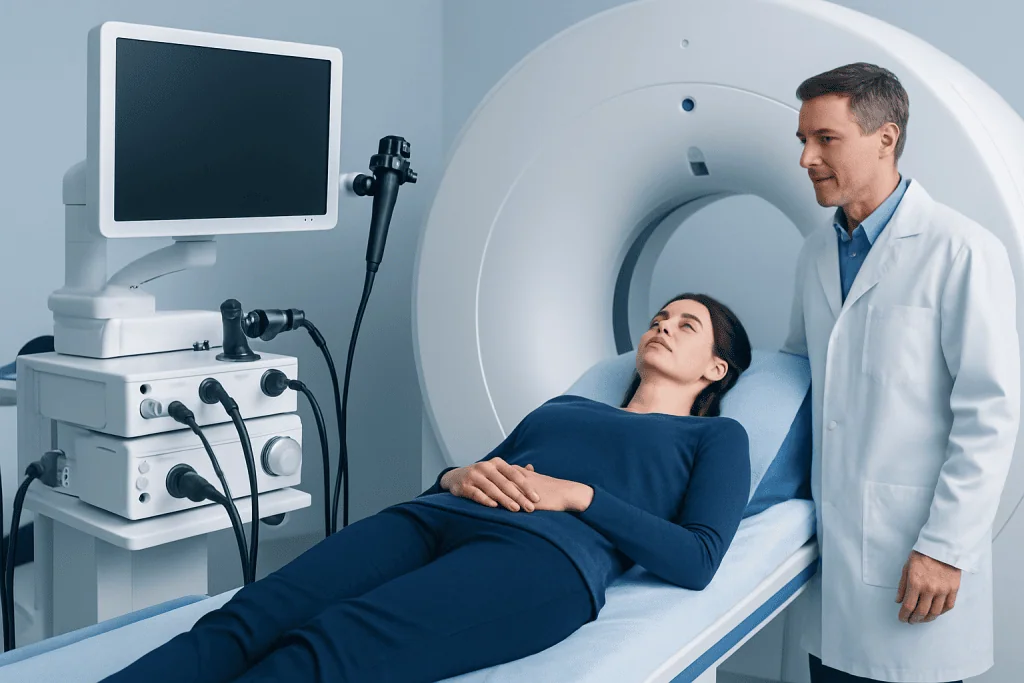
IBS-C is generally considered when abdominal pain occurs repeatedly and is associated with passing stool or a change in bowel frequency or stool form, with constipation being the predominant bowel pattern. Symptoms may have periods of improvement and worsening. A clinician uses the symptom history, examination and selected tests to determine whether IBS-C is the most likely explanation.
Many people can be assessed without extensive testing if their symptoms fit IBS-C and there are no warning signs. Depending on age, family history and symptoms, the clinician may request blood tests, stool testing or other investigations to check for causes such as celiac disease, inflammatory bowel disease, thyroid disorders or medication-related constipation. Colonoscopy is not routinely needed for every person, but may be recommended in appropriate circumstances.
People who may benefit from a more structured IBS-C treatment plan include those with constipation and abdominal pain that persist despite basic measures, those whose symptoms affect work, sleep or eating, and those who are uncertain about triggers. Pregnancy, kidney disease, heart disease and use of multiple medicines can influence which constipation treatments are appropriate, so individualized medical advice is important.
Before treatment, it is helpful to review current medicines and supplements. Some pain medicines, iron products, calcium supplements, anticholinergic medicines and other treatments can contribute to constipation. A doctor should guide any medication changes.
What Does an IBS-C Flare Up Feel Like?

An IBS-C flare-up often involves more difficult or less frequent bowel movements along with abdominal cramping, aching or pressure. The abdomen may feel swollen or tight, and bloating can become more noticeable as the day progresses. Some people report straining, hard or lumpy stools, or the persistent sense that the bowel has not emptied completely.
Symptoms can vary widely. Pain may improve temporarily after a bowel movement, while bloating and constipation may remain. Stress, disrupted routines, inadequate fluid intake, reduced physical activity, changes in food intake, travel, hormonal changes and certain medicines can all contribute to flares in some individuals.
A short symptom and food diary can help identify patterns without assuming that one food is always responsible. During a flare, a clinician may recommend simplifying meals, maintaining hydration, continuing gentle activity if comfortable and using the agreed bowel regimen. Severe or unfamiliar pain should not automatically be attributed to IBS-C and should be medically assessed.
Step-by-Step IBS-C Treatment Plan
Care commonly begins with clear education about IBS-C and realistic goals. The clinician and patient identify the main priority: for example, constipation, painful cramping, bloating or anxiety around unpredictable symptoms. They then select a small number of practical changes and review the result, rather than making many difficult changes at once.
Dietary measures may include regular meals, adequate fluids and a gradual increase in soluble fiber when it is tolerated. Soluble fiber supplements may help some people form softer, easier-to-pass stools. Increasing fiber too quickly can worsen gas or bloating, so gradual adjustment is usually more comfortable. A dietitian may guide a limited trial of a low-FODMAP approach for selected people, followed by careful food reintroduction to avoid unnecessary long-term restriction.
For ongoing constipation, clinicians may recommend an osmotic laxative or other bowel-directed medicine. If symptoms remain troublesome, prescription options that increase intestinal fluid secretion or influence intestinal movement may be considered. Some treatments improve stool frequency more than pain, while others may address both; selection should be based on symptom pattern, side effects and health conditions.
When pain, gut sensitivity or stress-related symptom amplification is significant, gut-directed psychological therapies, relaxation skills or selected neuromodulating medicines may form part of care. These approaches do not imply that symptoms are imaginary. They aim to reduce the two-way signaling between the brain and digestive tract that can intensify genuine bowel symptoms.
- Set symptom goals and exclude other likely causes.
- Establish regular meals, hydration and movement.
- Introduce fiber or bowel-regulating treatment gradually.
- Review response and side effects after an agreed period.
- Escalate or simplify treatment with a clinician when needed.
What Helps You Poop With IBS-C?
For many people, the most useful first steps are regular eating patterns, enough fluids, gentle daily movement and gradual soluble fiber intake. Responding to the natural urge to pass stool, rather than repeatedly delaying it, can also help. Some people find that allowing unhurried time after breakfast supports a more regular bowel routine.
Fiber is not equally helpful for everyone. Soluble fiber is often better tolerated than coarse insoluble fiber, but even beneficial fiber can increase bloating if introduced rapidly. Foods and supplements should be adjusted gradually, with a clinician or dietitian involved if symptoms are severe, eating has become restricted or there are nutritional concerns.
Over-the-counter and prescription constipation medicines can be appropriate when lifestyle measures alone are insufficient. Stimulant laxatives may have a role for short-term or occasional use in some situations, but frequent self-treatment without medical review is not ideal. A doctor can advise which option fits the person’s symptoms and whether there are reasons to avoid particular products.
Trying to force a bowel movement through repeated laxative use, aggressive enemas or highly restrictive “cleanses” is not recommended. These methods may cause dehydration, electrolyte disturbances or worsening discomfort. Persistent constipation deserves a clinical review, especially when it is new or changing.
Benefits, Risks and Expected Results
The potential benefits of IBS-C treatment include more regular bowel movements, less straining, improved comfort and fewer days limited by pain or bloating. Results are usually gradual rather than immediate. It may take several weeks to understand whether a dietary change, fiber strategy or medicine is helping, and treatment often needs fine-tuning over time.
Every option has potential limitations. Fiber can cause gas or fullness, especially early on. Osmotic laxatives may cause loose stools, urgency or bloating in some people. Prescription bowel medicines can also cause diarrhea or abdominal discomfort, and certain pain-directed medicines may worsen constipation. A treating clinician can help balance benefits against side effects.
IBS-C itself does not damage the bowel or increase the risk of colorectal cancer. However, a diagnosis of IBS-C should not prevent evaluation of new symptoms that could have another cause. Keeping follow-up appointments is useful when symptoms do not respond as expected, medication side effects develop or the pattern changes.
Acibadem International’s multidisciplinary specialists and JCI-accredited hospitals can assess persistent digestive symptoms and provide individualized IBS-C care for international patients.
Does IBS-C Ever Get Better?
Yes. IBS-C can improve, and many people experience long periods with milder symptoms or good control. The condition commonly follows a fluctuating course, meaning that symptom severity may change with stress, diet, activity, illness, travel, sleep and other factors. Improvement does not necessarily require eliminating every symptom completely.
There is no universal cure, but consistent self-care and an individualized treatment approach can reduce the frequency and impact of flares. It is often helpful to view management as an adjustable plan: treatments may be increased during difficult periods, simplified when symptoms settle and reviewed when life circumstances change.
If a previously successful plan stops working, the person should speak with a doctor rather than assuming the condition has permanently worsened. A reassessment can identify medication effects, new dietary factors, pelvic floor difficulties or another condition that needs different care.
How Serious Is IBS-C and When to Seek Medical Care
IBS-C can be very uncomfortable and can substantially affect quality of life, but it is generally not dangerous and does not cause intestinal damage. The main concern is making sure that symptoms truly are due to IBS-C and not another digestive or medical condition. This is particularly important when symptoms begin later in life or change noticeably.
Medical care should be sought promptly for rectal bleeding, black stools, unexplained weight loss, fever, persistent vomiting, anemia, a new abdominal mass, severe or worsening pain, or symptoms that wake a person from sleep. A family history of colorectal cancer, inflammatory bowel disease or celiac disease should also be discussed with a clinician.
It is also appropriate to arrange a routine appointment when constipation lasts despite self-care, pain is frequent, food intake has become limited because of symptoms, or over-the-counter products are needed regularly. A gastroenterologist can confirm the diagnosis and develop a safe, practical treatment plan.
Frequently asked questions
What is the first-line IBS-C treatment?
First-line care often includes education, regular meals, hydration, physical activity and a gradual trial of soluble fiber when tolerated. If constipation continues, a clinician may recommend an osmotic laxative or another bowel-directed treatment. The most appropriate first step depends on whether constipation, pain or bloating is the main concern.
Can diet cure IBS-C?
Diet changes do not cure IBS-C, but they can reduce symptoms for many people. Regular meals, gradual soluble fiber and identifying personally relevant triggers may be helpful. Restrictive diets should ideally be supervised by a qualified clinician or dietitian and should not be continued unnecessarily.
How long does IBS-C treatment take to work?
The timeframe depends on the treatment. Some bowel treatments may affect stool frequency within days, while dietary changes and symptom-focused therapies often require several weeks for a fair assessment. A clinician can advise when to review treatment if improvement is limited or side effects occur.
Is it safe to use laxatives for IBS-C?
Some laxatives can be used safely for IBS-C when selected appropriately and used as advised by a healthcare professional. They may improve constipation but may not fully relieve abdominal pain or bloating. Regular or prolonged use should be reviewed to ensure the product and dose remain suitable.
Can stress make IBS-C worse?
Stress does not cause IBS-C, but it can increase gut sensitivity and change bowel function, making symptoms more noticeable. Sleep support, relaxation techniques, exercise and gut-directed psychological therapies may be useful parts of care. These approaches complement medical treatment rather than replacing it.
When should someone with IBS-C have a colonoscopy?
A colonoscopy is not required for everyone with typical IBS-C symptoms and no warning signs. It may be recommended based on age, colorectal cancer screening needs, family history, bleeding, anemia, weight loss or other concerning features. A doctor can decide whether it is appropriate.
References
- American College of Gastroenterology
- National Institute of Diabetes and Digestive and Kidney Diseases
- National Institute for Health and Care Excellence
- International Foundation for Gastrointestinal Disorders
- National Center for Biotechnology Information
This article is for general information only and is not a substitute for professional medical advice. Please consult a qualified doctor about your individual situation.
Persistent digestive symptoms? Get evaluated in Turkey
JCI-accredited · board-certified surgeons · reply within 24h
Add us as a Preferred Source to see more of our trusted health content across Google Search, AI Overviews and Discover.

More from the Health Library



Related Specialists

Assoc. Prof. Dr. Ferda Çağavi
Neurosurgery
Prof. Dr. Seyit Ali Gümüştaş
Orthopedic Surgery & Traumatology
Assoc. Prof. Dr. Cüneyt Narin
Cardiovascular Surgery
Dr. Bilge Özge Kılıç
Intensive Care