Oncology Rehab: An Evidence-Based Patient Guide
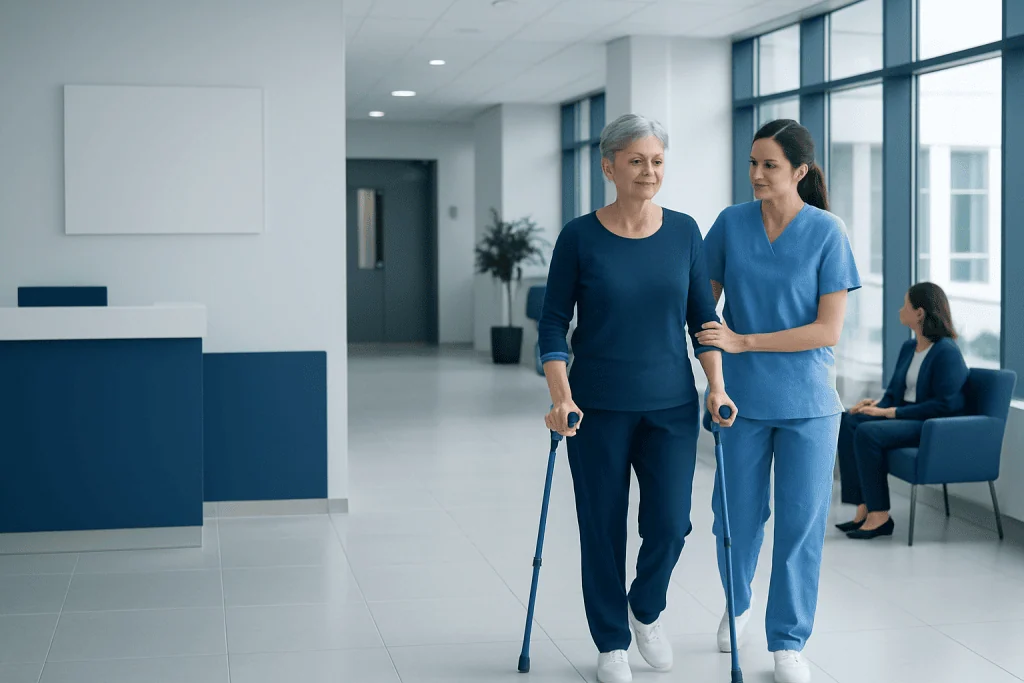
Oncology rehab addresses cancer-related changes in strength, mobility, fatigue, pain, thinking, swallowing, speech and daily activities. Rehabilitation is individualized and may involve physical therapists, occupational therapists, speech-language therapists, dietitians, psychologists and rehabilitation physicians.
Key Takeaways
- Oncology rehab addresses cancer-related changes in strength, mobility, fatigue, pain, thinking, swallowing, speech and daily activities.
- Rehabilitation is individualized and may involve physical therapists, occupational therapists, speech-language therapists, dietitians, psychologists and rehabilitation physicians.
- It can be appropriate at any stage of cancer care, including before surgery, during chemotherapy or radiotherapy, and after treatment.
- Programs use assessment and goal-setting to provide safe exercise, symptom management, education and supportive therapies.
- New or worsening symptoms should always be discussed with the oncology team, especially sudden weakness, severe pain, fever or breathing difficulties.
Oncology rehab is a personalized program that helps people maintain or restore physical, emotional and practical functioning affected by cancer or its treatment. It can begin before treatment, continue during treatment, or support recovery and long-term survivorship afterward.
Overview: What Is Oncology Rehab?
Oncology rehab, also called cancer rehabilitation, is medical care designed to help a person function as well as possible before, during and after cancer treatment. Cancer itself and treatments such as surgery, chemotherapy, radiotherapy, immunotherapy and hormone therapy can affect energy, strength, balance, movement, concentration, swallowing, mood and the ability to manage everyday tasks. Rehabilitation identifies these challenges early and develops a practical plan around the person’s health, treatment plan and goals.
It is not a single procedure or a one-size-fits-all exercise program. Oncology rehab may include supervised activity, mobility training, pain and fatigue strategies, nutritional support, counseling, occupational therapy, speech and swallowing therapy, and advice about returning to work or other valued activities. The overall aim is to support safety, independence and quality of life while complementing—not replacing—cancer treatment.
Rehabilitation can be useful whether cancer is newly diagnosed, being actively treated, in remission or managed as a long-term condition. Some people need only a few consultations and a home program; others benefit from longer, coordinated support. A referral can be requested from the oncology team at any point in care.
How Oncology Rehabilitation Works
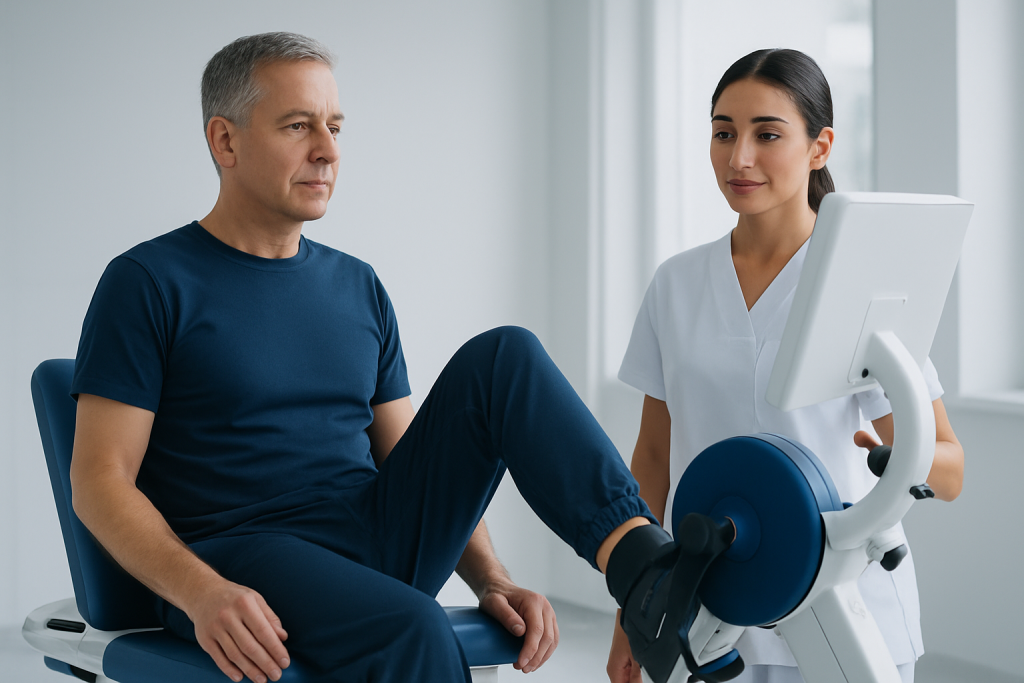
Oncology rehabilitation begins with a whole-person assessment. A rehabilitation physician or therapist may ask about symptoms, treatment history, medications, sleep, nutrition, mood, work demands, home environment and personal priorities. They may assess walking, balance, joint movement, muscle strength, endurance, pain, swelling, hand function, memory concerns or swallowing, depending on the person’s needs.
The team then agrees on specific, realistic goals. These may include walking safely after surgery, reducing falls risk, managing shoulder stiffness after breast surgery, conserving energy during chemotherapy, improving swallowing after head and neck treatment, or returning to everyday activities. Progress is reviewed regularly, and the plan is adjusted as cancer treatment, symptoms and recovery change.
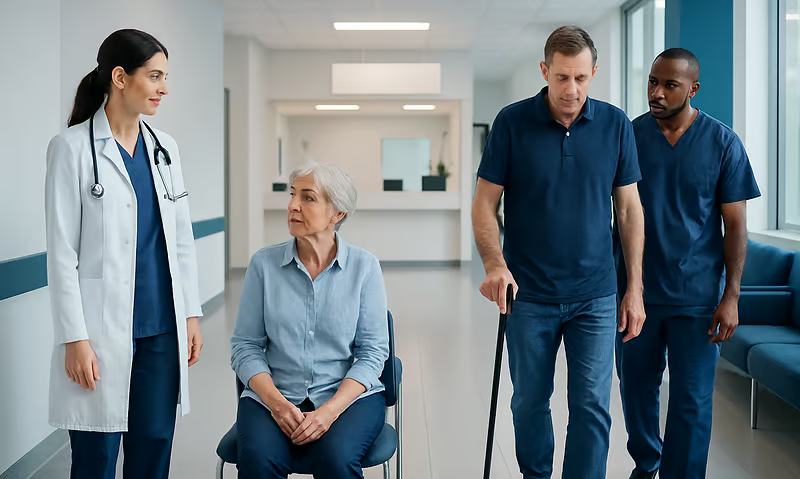
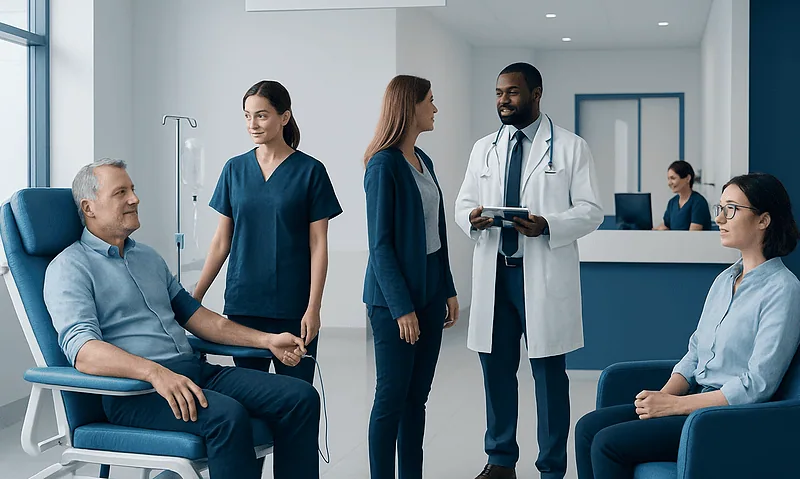
Care is often multidisciplinary. Physical therapists focus on movement, strength, balance and safe activity. Occupational therapists support self-care, work and adaptations at home. Speech-language therapists may help with speech, communication and swallowing. Dietitians, psychologists, nurses, social workers, pain specialists and lymphedema therapists may also contribute. This coordinated approach recognizes that cancer-related limitations can have physical, emotional and social effects.
Who May Benefit and When to Start
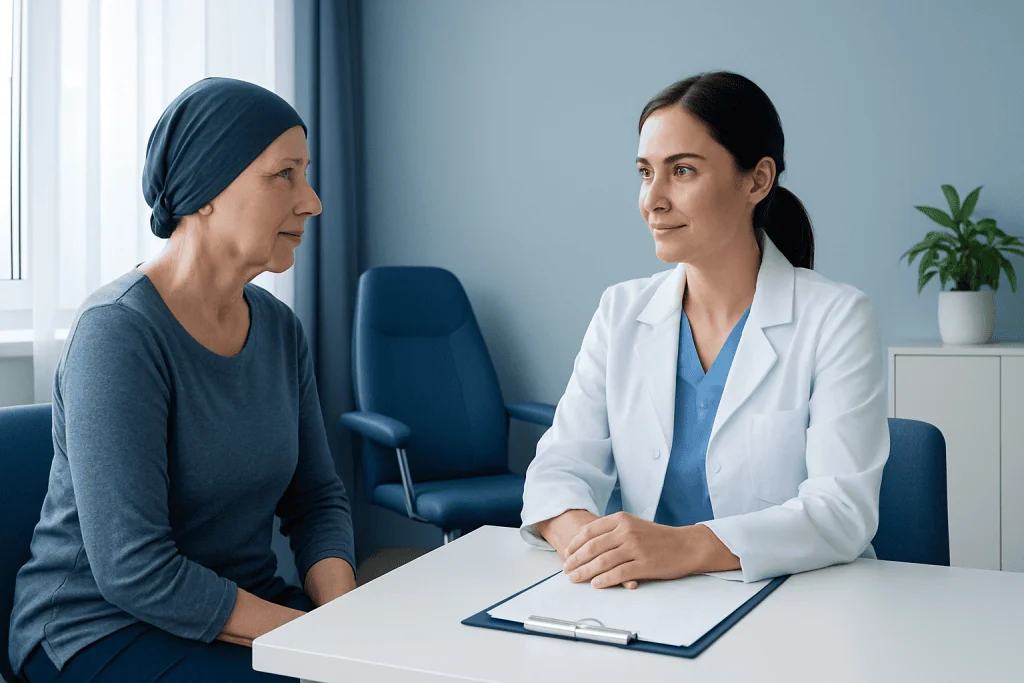
Many people with cancer can benefit from rehabilitation, including those with fatigue, weakness, pain, reduced mobility, numbness or tingling in the hands and feet, scar tightness, lymphedema, balance concerns, swallowing problems or difficulties completing daily activities. It may also help people who feel deconditioned after hospital stays, prolonged treatment or reduced activity.
Starting before treatment, sometimes called prehabilitation, may help establish a safe baseline and prepare the body for surgery, systemic treatment or radiotherapy. During treatment, rehabilitation can focus on maintaining activity safely, managing symptoms and preventing avoidable loss of function. After treatment, it can support gradual recovery, long-term exercise habits, return to work and management of lasting treatment effects.
Eligibility depends on the individual rather than the cancer type alone. The team considers blood counts, infection risk, bone health, heart and lung function, wounds, treatment side effects and any activity restrictions. For example, a person with bone metastases may need an adapted exercise plan, while someone with severe fatigue may benefit from pacing and energy-conservation strategies rather than pushing through exhaustion.
Rehabilitation can be relevant alongside care for related conditions, such as lymphedema, cancer-related nerve symptoms, or complications after major surgery. The oncology and rehabilitation teams work together to make sure the plan remains appropriate for the person’s current medical status.
What Happens Step by Step
Assessment and planning: The first appointment usually reviews medical history, current treatment, symptoms and functional priorities. The clinician may perform simple measures of movement, strength, endurance, balance or daily-task performance. Together, the patient and team set goals and decide which services are most helpful.
Individualized rehabilitation: Sessions may take place in hospital, an outpatient clinic, at home through guided programs, or through a combination of settings. A plan may include gentle aerobic activity, resistance or flexibility exercises, gait and balance practice, breathing techniques, task-specific training, education about pacing, and strategies for pain or fatigue. If swallowing or communication has been affected, targeted therapy may be included.
Monitoring and adjustment: Symptoms, treatment schedules and physical capacity can change from week to week. The rehabilitation team monitors response to activity and adapts the program. Patients are encouraged to report dizziness, unusual breathlessness, new pain, swelling, fever, falls or worsening neurological symptoms rather than trying to manage them alone.
Transition and self-management: As goals are met, the team may provide a home exercise plan, advice on community activity options and guidance for maintaining progress. Follow-up can be arranged if symptoms return, treatment changes or new goals arise.
Benefits, Limits and Possible Risks
Evidence supports appropriately prescribed rehabilitation and physical activity for many people living with or beyond cancer. Potential benefits include improved strength, mobility, balance, exercise tolerance, confidence with daily activities and health-related quality of life. Symptom-focused care may also help reduce the practical impact of fatigue, pain, stiffness, functional decline and some treatment-related impairments.
Benefits vary between individuals. Rehabilitation does not cure cancer, and it cannot remove every side effect of treatment. However, it can help a person understand what changes are manageable, which symptoms need medical review, and how to stay as active and independent as safely possible.
Exercise and therapy are generally adapted to reduce risk, but they are not risk-free. Overexertion may worsen fatigue or pain, and people with low blood counts, infection, unstable heart or lung symptoms, recent surgery, fractures or bone involvement may need temporary restrictions or close supervision. A therapist should also be told about ports, ostomies, wounds, drains, neuropathy and any surgical precautions.
A qualified oncology rehabilitation team coordinates with cancer specialists to balance activity with safety. This is especially important when treatment side effects fluctuate or when multiple health conditions are present.
Recovery Timeline and Self-Care Between Sessions
There is no universal recovery timeline in oncology rehab. Recovery depends on the cancer type and stage, treatment received, complications, prior fitness, other medical conditions and personal goals. Some people notice functional improvements over several weeks; others need support over months, particularly after major surgery, stem cell transplantation, intensive treatment or treatment affecting the brain, nerves, muscles or lungs.
Consistency is often more useful than intensity. The team may recommend short periods of movement spread through the day, planned rest breaks, gradual progression and symptom tracking. Good hydration, adequate protein and calorie intake when advised, regular sleep routines and attention to mental wellbeing can all support rehabilitation. Dietary changes should be individualized, particularly when appetite, digestion, kidney function or swallowing are affected.
People should avoid comparing their recovery with someone else’s. Fatigue can be unpredictable, and resting completely for long periods may sometimes contribute to loss of strength and confidence. A balanced plan that combines rest with safe activity is usually more sustainable than attempting to do too much on a good day.
For patients seeking coordinated cancer and rehabilitation care, Acibadem International’s multidisciplinary specialists and JCI-accredited hospitals provide assessment and treatment support for international patients. A treating doctor can advise whether a rehabilitation referral is suitable alongside the person’s cancer care plan.
When to Seek Medical Care
New, severe or rapidly worsening symptoms should be reported to the oncology team promptly rather than assumed to be a normal part of rehabilitation. This includes pain that is sudden or uncontrolled, new swelling in an arm or leg, repeated falls, worsening weakness, new numbness, confusion, persistent vomiting, or symptoms that prevent eating, drinking or taking prescribed medicines.
Urgent medical evaluation is important for chest pain, severe shortness of breath, fainting, a fever during cancer treatment, heavy bleeding, a new seizure, sudden one-sided weakness, or sudden difficulty speaking. These symptoms can have causes unrelated to rehabilitation and require timely assessment.
A person should also contact their care team if exercise consistently causes symptoms that do not settle with rest, if a wound changes, or if there are concerns about a treatment device or surgical site. Early communication allows the rehabilitation plan to be adapted safely and may prevent a minor issue from becoming more disruptive.
Frequently asked questions
What is oncology rehab?
Oncology rehab is individualized rehabilitation care for people affected by cancer or cancer treatment. It helps address changes in mobility, strength, fatigue, pain, thinking, swallowing, speech and daily functioning. Programs are designed around medical safety and personal goals.
Is oncology rehab only for people after cancer treatment?
No. It may begin before treatment, continue during treatment or start after treatment has ended. Early rehabilitation can help establish a baseline and prepare for expected effects of surgery or other therapies. The right timing depends on the individual’s health and treatment plan.
Can people exercise during chemotherapy or radiotherapy?
Many people can do some form of activity during chemotherapy or radiotherapy, but the type and amount should be tailored to current symptoms and medical status. Blood counts, infection risk, bone health, dizziness, fatigue and treatment-related side effects may affect what is safe. The oncology team or a qualified rehabilitation professional can provide individualized guidance.
Which professionals are involved in cancer rehabilitation?
A program may include rehabilitation physicians, physical therapists, occupational therapists, speech-language therapists, nurses, dietitians, psychologists, social workers and pain or lymphedema specialists. Not every person needs every service. The team is selected according to the symptoms and goals identified during assessment.
Can oncology rehab help cancer-related fatigue?
Yes, rehabilitation may help people manage the functional impact of cancer-related fatigue. Approaches can include carefully progressed activity, energy conservation, sleep and routine support, and review of factors such as pain, nutrition, mood or treatment effects. Persistent or suddenly worsening fatigue should also be discussed with the oncology team.
Do I need a referral for oncology rehab?
Referral requirements vary by health system, insurer and rehabilitation setting. An oncologist, surgeon, primary care doctor or other treating clinician can often arrange a referral or recommend an appropriate service. Patients can also ask their cancer team directly whether rehabilitation assessment would be helpful.
References
- World Health Organization
- American Cancer Society
- National Cancer Institute
- American Society of Clinical Oncology
- American College of Sports Medicine
This article is for general information only and is not a substitute for professional medical advice. Please consult a qualified doctor about your individual situation.
Joint and spine care in Turkey — expert assessment & treatment
JCI-accredited · board-certified surgeons · reply within 24h
Add us as a Preferred Source to see more of our trusted health content across Google Search, AI Overviews and Discover.