Gastrointestinal Disease Treatment: How It Works, Results and What to Expect

Gastrointestinal disease is a broad term covering disorders of the esophagus, stomach, intestines, liver, gallbladder, pancreas, and rectum. Successful treatment begins with identifying the specific condition rather than treating symptoms alone.
Key Takeaways
- Gastrointestinal disease is a broad term covering disorders of the esophagus, stomach, intestines, liver, gallbladder, pancreas, and rectum.
- Successful treatment begins with identifying the specific condition rather than treating symptoms alone.
- Many digestive conditions improve with lifestyle measures and medicines, while others need endoscopic treatment or surgery.
- Recovery time varies greatly, from days for short-lived infections to long-term management for chronic inflammatory or functional disorders.
- Urgent assessment is important for bleeding, severe or persistent abdominal pain, repeated vomiting, unexplained weight loss, or jaundice.
Gastrointestinal disease treatment is tailored to the part of the digestive system affected and the underlying cause. It may involve nutrition changes, medication, endoscopic procedures, surgery, or coordinated care from several specialists to relieve symptoms, heal inflammation, and reduce complications.
Overview: What Is Gastrointestinal Disease Treatment?
Gastrointestinal disease treatment refers to the care used for conditions affecting the digestive tract and related organs. These include the esophagus, stomach, small and large intestines, rectum, liver, gallbladder, bile ducts, and pancreas. Because similar symptoms can have very different causes, treatment is most effective when it is based on a clear diagnosis.
Some digestive problems are temporary, such as viral gastroenteritis or food-related irritation. Others are chronic or recurrent, including reflux disease, irritable bowel syndrome, inflammatory bowel disease, celiac disease, gallstones, and liver disorders. Care may aim to settle symptoms, treat infection or inflammation, correct nutritional problems, remove a blockage, or prevent future flare-ups and complications.
A gastroenterologist often coordinates care, working with primary-care clinicians, dietitians, surgeons, radiologists, pathologists, oncologists, or hepatology specialists when needed. The right plan should reflect a person’s symptoms, test results, general health, medicines, dietary needs, and treatment preferences.
How Gastrointestinal Disease Treatment Works
Digestive treatment works by addressing the process causing symptoms. For example, acid-suppressing medicines may help when stomach acid is irritating the esophagus, antibiotics may be appropriate for selected bacterial infections, and anti-inflammatory or immune-targeting medicines may be used for inflammatory bowel disease. Treatment for constipation, diarrhea, nausea, pain, or bloating may also be included, but symptom relief alone is not a substitute for finding the cause when warning signs are present.
Nutrition is often an important part of care. A clinician or registered dietitian may recommend practical adjustments, such as regular meals, adequate fluids, fiber changes, avoiding a confirmed trigger, or replacing vitamins and minerals when absorption is affected. Highly restrictive diets should not be started without advice, as they can lead to inadequate nutrition or make diagnostic testing less accurate.
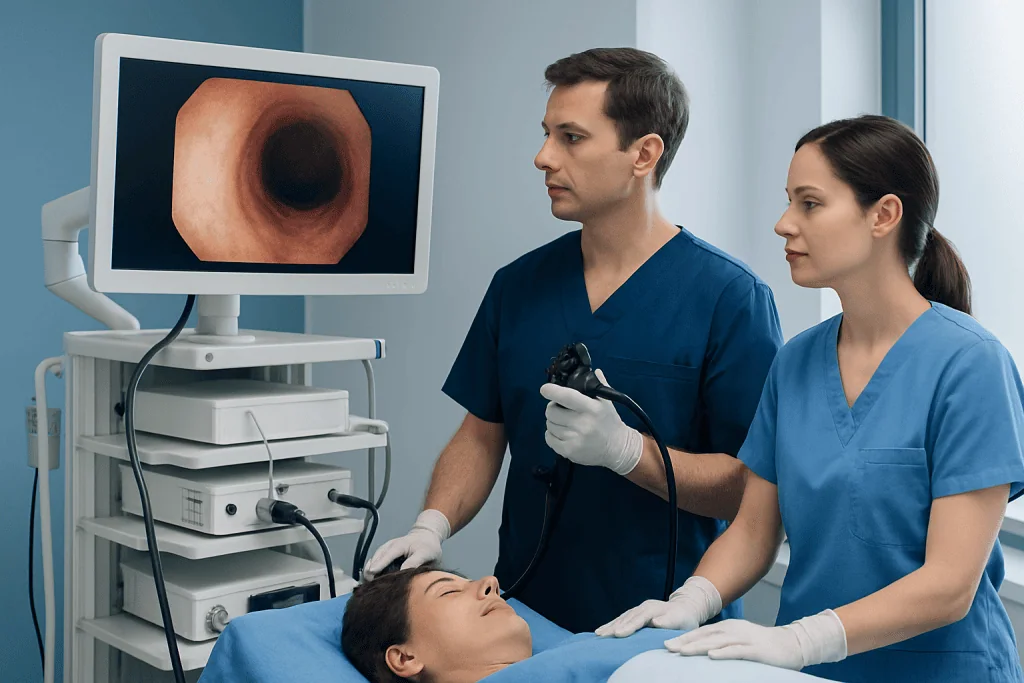
Endoscopy allows a specialist to examine the digestive tract using a flexible camera. It can also support treatment, such as taking tissue samples, stopping some sources of bleeding, removing certain polyps, widening a narrowing, or treating selected bile-duct and pancreatic conditions. When a structural problem cannot be managed in another way, surgery may be considered.
Who May Need Assessment and Treatment?

Anyone with persistent, recurrent, or disruptive digestive symptoms may benefit from medical assessment. Symptoms such as heartburn, abdominal pain, constipation, diarrhea, nausea, bloating, trouble swallowing, or changes in appetite are common and often have treatable causes. A review is especially useful when symptoms affect sleep, work, daily activity, or food intake.
A clinician will consider age, family history, recent travel, infection exposure, alcohol use, tobacco use, stress, previous surgery, and current medicines. Some medicines, including anti-inflammatory pain relievers, antibiotics, iron supplements, diabetes treatments, and certain weight-management medicines, can affect digestive function. Patients should not stop prescribed medication abruptly, but should tell their clinician about all medicines, supplements, and herbal products they use.
People with diagnosed long-term disorders may need regular follow-up even when they feel well. This may include monitoring symptoms, blood tests, nutritional status, imaging, or surveillance procedures depending on the condition. The aim is to maintain disease control and identify complications early.
Diagnosis and the Step-by-Step Treatment Process
The process usually starts with a detailed history and physical examination. A clinician may ask about the timing and location of symptoms, bowel habits, food patterns, weight changes, medications, family history, and associated symptoms such as fever, bleeding, or fatigue. Initial tests may include blood work, stool tests, urine testing, or tests for infection and inflammation.
Further investigation may include ultrasound, CT, MRI, or specialized imaging of the digestive tract. An upper endoscopy examines the esophagus, stomach, and first part of the small intestine. Colonoscopy examines the large bowel and rectum. During these procedures, tissue samples may be taken for laboratory examination, and some findings can be treated at the same time. Preparation and sedation needs will be explained in advance.
Once results are available, the care team discusses the diagnosis and options. A plan may begin with a trial of lifestyle changes or medicines, followed by review after an appropriate interval. For more complex disease, care can involve planned endoscopic therapy, surgery, nutrition support, and follow-up testing. Decisions should be individualized, with the expected benefits, alternatives, and possible risks clearly explained.
Treatment Options, Benefits, and Possible Risks
Common treatment approaches include dietary guidance, hydration strategies, medication, endoscopic procedures, and surgery. Medicines may reduce acid, support bowel regularity, control nausea, treat specific infections, improve pancreatic enzyme replacement where needed, or reduce immune-driven inflammation. The choice depends on the diagnosis, other health conditions, and potential medicine interactions.
Endoscopic treatment may be recommended for conditions such as some bleeding lesions, polyps, strictures, bile-duct stones, or selected pancreatic and biliary disorders. Benefits can include a less invasive approach than open surgery, diagnostic certainty, and treatment during the same procedure. However, procedures can carry risks, including reaction to sedation, bleeding, infection, or a tear in the digestive tract; these are uncommon but should be discussed before consent.
Surgery may be needed for severe obstruction, complicated gallbladder disease, bowel perforation, certain cancers, severe inflammatory disease, or conditions that have not responded to less invasive care. The potential benefit is correction or removal of the underlying problem, while risks include pain, infection, bleeding, blood clots, anesthesia-related complications, and changes in bowel function. The surgical team will explain the expected approach and recovery needs.
Recovery Timeline and Everyday Self-Care
Recovery depends on the condition and treatment. Short-lived infections or mild digestive irritation may improve within several days, while medication adjustments can take weeks to show their full effect. Recovery after endoscopy is often brief, although a person may need a day away from driving or important decisions after sedation. Surgical recovery may take several weeks or longer, depending on the operation and overall health.
During recovery, patients should follow the care team’s instructions on diet, activity, wound care, medicines, and follow-up appointments. Keeping a simple symptom and food diary can help identify patterns and show whether treatment is working. Adequate fluids, gradual return to activity, regular meals when tolerated, and avoiding tobacco can support digestive and general health.
It is important to contact the care team if symptoms worsen, new symptoms develop, or medication side effects are difficult to manage. People with chronic gastrointestinal conditions should avoid changing long-term treatment plans without medical advice, even if symptoms temporarily improve.
How Long Does It Take for Gastrointestinal Disease to Go Away?
There is no single timeline because gastrointestinal disease describes many different conditions. A mild viral illness or temporary food-related upset may resolve in days, while an ulcer, bacterial infection, or medication-related problem may take weeks to improve once the cause is treated. Chronic disorders may not completely go away but can often be managed successfully over time.
The pace of recovery depends on the diagnosis, severity, treatment response, nutrition, other medical conditions, and whether complications are present. Persistent symptoms do not always mean treatment has failed, but they should be reviewed so the diagnosis and plan can be reassessed.
When to Seek Medical Care
Medical care is recommended for symptoms that persist beyond a short period, recur frequently, interfere with eating or normal life, or do not improve with simple measures. A gastroenterologist may help evaluate ongoing reflux, unexplained abdominal pain, chronic diarrhea or constipation, repeated bloating, swallowing difficulty, or suspected food-related digestive symptoms.
Seven signs that it is time to see a gastroenterologist are: persistent abdominal pain; ongoing heartburn or regurgitation; difficulty or pain with swallowing; blood in vomit or stool; lasting changes in bowel habits; unexplained weight loss or poor appetite; and ongoing diarrhea, constipation, nausea, or vomiting. These symptoms can have many causes, and timely assessment helps guide appropriate treatment.
Urgent medical attention is needed for severe or rapidly worsening abdominal pain, black tarry stools, vomiting blood, fainting, severe dehydration, a swollen rigid abdomen, yellowing of the skin or eyes, high fever with abdominal symptoms, or inability to keep fluids down. These signs require prompt professional evaluation.
Frequently asked questions
Is gastrointestinal disease curable?
Some gastrointestinal diseases are curable, particularly certain infections, medication-related problems, gallstones treated definitively, and some structural conditions corrected by procedures or surgery. Other conditions, such as inflammatory bowel disease, irritable bowel syndrome, or chronic liver disease, may require ongoing management rather than a permanent cure. Even when a condition is chronic, treatment can often reduce symptoms and help prevent complications.
How serious is gastrointestinal disease?
Gastrointestinal disease ranges from mild, short-term illness to conditions that need long-term specialist care. Many causes are manageable and improve with appropriate treatment, but some can lead to dehydration, bleeding, nutritional deficiencies, obstruction, liver damage, or other complications if untreated. Severity depends on the diagnosis, symptoms, and a person’s overall health.
What are 7 signs it's time to see a gastroenterologist?
Seven reasons to see a gastroenterologist are persistent abdominal pain, ongoing reflux, swallowing problems, blood in stool or vomit, a lasting change in bowel habits, unexplained weight loss, and persistent nausea, vomiting, diarrhea, or constipation. These signs do not automatically indicate a serious condition, but they should be assessed if they continue or recur. Severe pain, heavy bleeding, fainting, or inability to keep fluids down requires urgent care.
How long does it take for gastrointestinal disease to go away?
The timeframe varies from days to months or longer because gastrointestinal diseases have different causes. Acute infections may settle within days, while inflammation, ulcers, or chronic disorders may need weeks of treatment or ongoing care. A clinician can provide a more realistic timeline after identifying the cause.
Can diet alone treat gastrointestinal disease?
Diet changes can be very helpful for some digestive conditions, but they do not replace medical assessment when symptoms are persistent, severe, or associated with warning signs. Some diseases require medication, endoscopic treatment, surgery, or nutritional replacement in addition to dietary adjustments. A clinician or dietitian can help avoid unnecessary food restriction.
What tests might a gastroenterologist order?
Testing may include blood and stool tests, breath tests, ultrasound, CT, MRI, upper endoscopy, or colonoscopy. The selection depends on symptoms and suspected diagnosis. Some procedures also allow tissue sampling or treatment during the same appointment.
References
- National Institute of Diabetes and Digestive and Kidney Diseases
- American College of Gastroenterology
- National Health Service
- World Gastroenterology Organisation
- Mayo Clinic
This article is for general information only and is not a substitute for professional medical advice. Please consult a qualified doctor about your individual situation.
Persistent digestive symptoms? Get evaluated in Turkey
JCI-accredited · board-certified surgeons · reply within 24h
Add us as a Preferred Source to see more of our trusted health content across Google Search, AI Overviews and Discover.