Chemotherapy Induced Peripheral Neuropathy: How It Works, Results and What to Expect
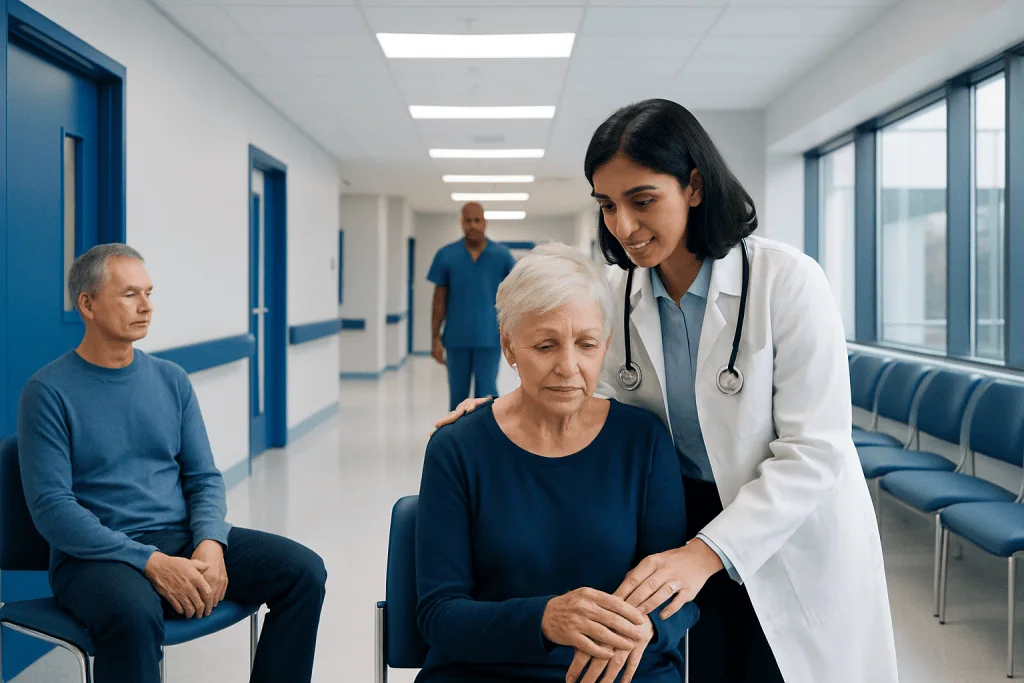
Chemotherapy induced peripheral neuropathy results from damage to peripheral nerves caused by certain anticancer medicines. Symptoms commonly affect both feet or both hands and may interfere with walking, balance, sleep, writing, or buttoning clothes.
Key Takeaways
- Chemotherapy induced peripheral neuropathy results from damage to peripheral nerves caused by certain anticancer medicines.
- Symptoms commonly affect both feet or both hands and may interfere with walking, balance, sleep, writing, or buttoning clothes.
- CIPN can improve over months after treatment, although some people have long-lasting symptoms.
- There is no guaranteed way to reverse established nerve injury, but symptom management, rehabilitation, and treatment adjustments can help.
- New or worsening numbness, weakness, falls, or severe pain should be reported promptly to the oncology team.
Chemotherapy induced peripheral neuropathy (CIPN) is a treatment-related nerve problem that may cause tingling, numbness, burning pain, sensitivity to temperature, or weakness, usually beginning in the feet or hands. Symptoms often improve after chemotherapy ends, but recovery varies and early reporting helps the cancer care team protect function and manage discomfort.
Overview: what chemotherapy induced peripheral neuropathy means
Chemotherapy induced peripheral neuropathy is damage or irritation affecting the peripheral nerves: the nerves outside the brain and spinal cord that carry sensation and control movement. It is commonly called CIPN or chemo-induced neuropathy. These nerves help a person feel touch, temperature, vibration, and pain, and they also support muscle function and balance.
The condition may develop during treatment, shortly after a chemotherapy cycle, or occasionally become more noticeable after treatment has ended. It usually starts in the toes and feet or fingertips and hands, often in a symmetrical “stocking-and-glove” pattern. The experience differs from person to person, and not everyone receiving chemotherapy develops neuropathy.
CIPN is an important survivorship issue because it can affect daily activities as well as comfort. Timely communication with the oncology team can allow careful assessment, help exclude other causes of nerve symptoms, and support decisions about treatment, safety, and rehabilitation.
What does chemo-induced neuropathy feel like?
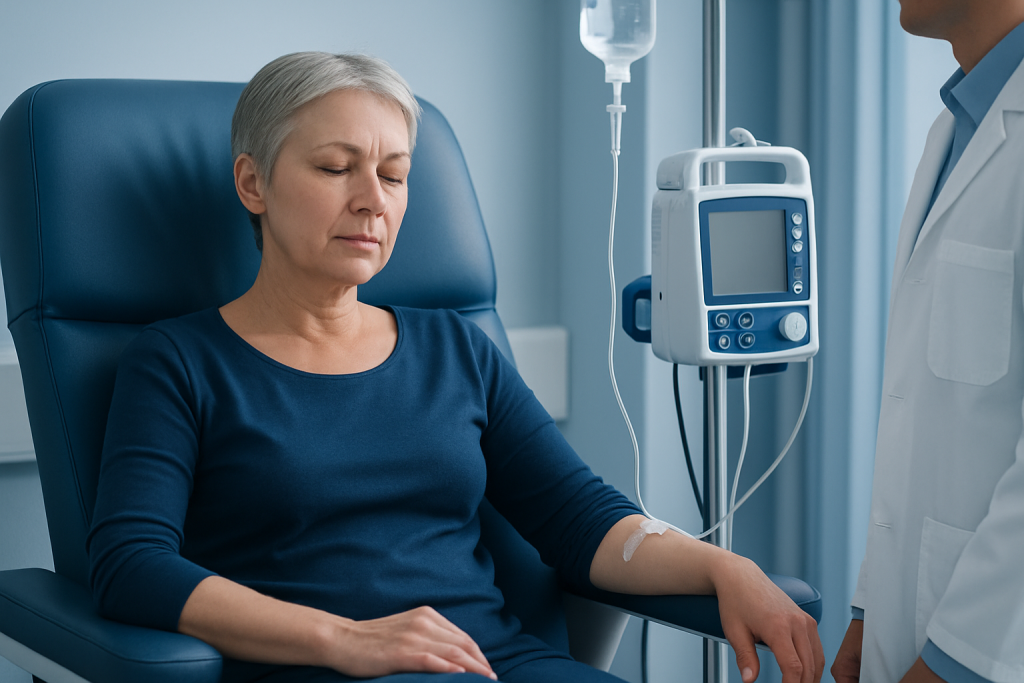
Chemo-induced neuropathy may feel like pins and needles, numbness, burning, electric-shock sensations, aching, or increased sensitivity to touch. Some people notice that socks, shoes, bedsheets, or a light touch feel unusually uncomfortable. Others have reduced sensation and may not notice minor cuts, pressure, or heat as easily as before.
Symptoms can include difficulty feeling the ground while walking, unsteadiness, clumsiness, reduced hand coordination, muscle cramps, or weakness. Everyday tasks such as fastening buttons, using keys, handling coins, typing, cooking, or opening containers may become harder. Cold sensitivity can occur with certain medicines, making chilled drinks or cold air uncomfortable.
Neuropathy symptoms are usually related to sensory nerves, but motor and autonomic nerves can occasionally be involved. Changes such as marked weakness, dizziness on standing, bowel or bladder changes, or one-sided symptoms need medical assessment because they may have causes other than chemotherapy.
- Tingling, prickling, burning, or “electric” pain
- Numbness or reduced ability to feel heat, cold, or injury
- Pain from touch that is normally not painful
- Balance problems, falls, reduced dexterity, or weakness
How chemotherapy causes nerve damage and who is at risk
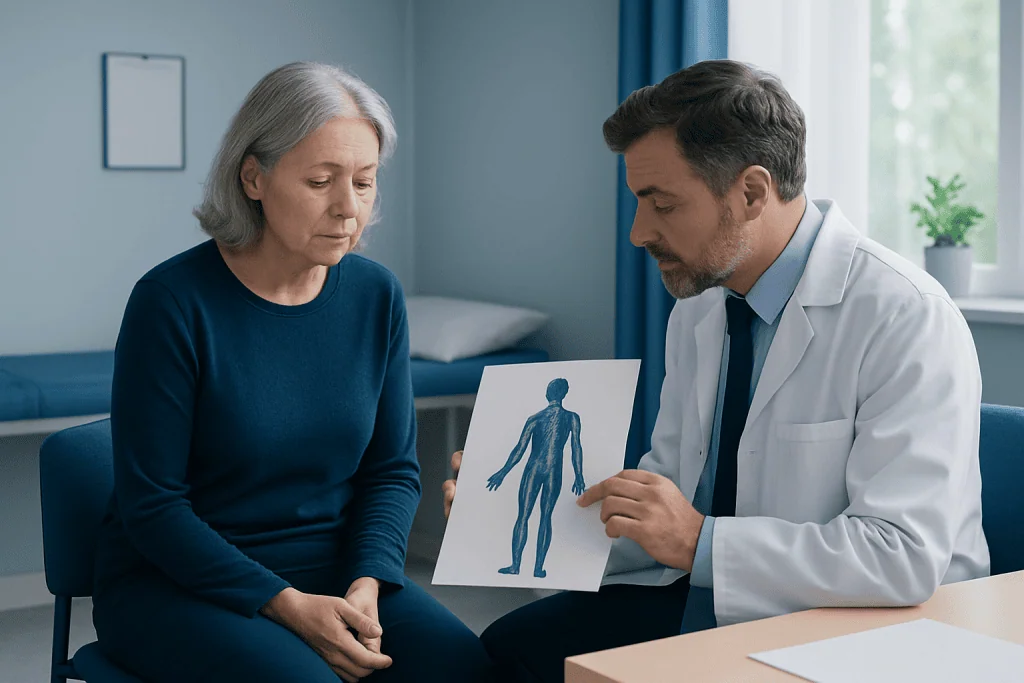
Some chemotherapy medicines can injure peripheral nerves directly or disrupt the structures that keep nerves working normally. Classes associated with CIPN include taxanes, platinum-based medicines, vinca alkaloids, proteasome inhibitors, and certain other anticancer treatments. The likelihood and pattern of symptoms depend on the medicine, total exposure over time, treatment schedule, and individual susceptibility.
Risk may be higher in people who already have nerve damage from diabetes, alcohol use, vitamin deficiencies, kidney disease, thyroid disorders, autoimmune conditions, previous chemotherapy, or certain inherited neuropathies. Older age and a history of nerve symptoms may also be relevant. These factors do not mean neuropathy will definitely occur, but they help the team plan monitoring.
It is important not to assume all tingling or pain during cancer treatment is CIPN. Tumor pressure on nerves, spinal problems, infection, blood clots, nutritional problems, diabetes, and other medications may contribute. A careful review is particularly important when symptoms appear suddenly, affect only one side, or progress rapidly.
Assessment and the care pathway: what to expect
There is not one single test that confirms CIPN. Assessment begins with a discussion of symptoms, timing, daily impact, cancer treatments, other medicines, and existing health conditions. The clinician may examine sensation, reflexes, strength, walking, coordination, and balance. Repeated assessments over chemotherapy cycles can identify changes early.
Blood tests may be used when another cause is possible, such as abnormal blood sugar, vitamin deficiency, thyroid disease, or impaired kidney function. In selected cases, a neurologist may recommend nerve conduction studies and electromyography to assess nerve and muscle function. Imaging may be needed if symptoms suggest a problem involving the spine, brain, or tumor-related nerve compression.
Management is usually coordinated between oncology, neurology, pain management, rehabilitation, nursing, and supportive care professionals. The goal is to maintain effective cancer treatment where possible while reducing nerve-related harm and helping the person remain active and safe.
At Acibadem International, multidisciplinary specialists in JCI-accredited hospitals assess cancer-treatment side effects and coordinate individualized supportive care for international patients.
Treatment options: symptom relief, rehabilitation, and treatment adjustments
There is no universally proven treatment that restores all chemotherapy-related nerve damage. Care focuses on reducing symptoms, preventing injuries and falls, maintaining independence, and considering whether the cancer treatment plan needs modification. The oncology team may adjust timing, dose, or the choice of medicine when neuropathy becomes clinically significant; these decisions always weigh side effects against the expected benefit of cancer treatment.
For painful CIPN, clinicians may consider medicines used for nerve pain when appropriate. The choice depends on symptoms, other health conditions, possible interactions, and side effects. Pain medicines should not be started, stopped, or changed without guidance from the treating clinician. Supplements and complementary approaches should also be discussed first, as evidence is variable and some products may interact with cancer care.
Physical therapy and occupational therapy can help with balance, strength, walking confidence, hand function, adaptive equipment, and practical strategies at home and work. Regular, appropriately tailored exercise may support mobility and overall wellbeing. People with persistent or complex symptoms may benefit from neurology assessment and treatment alongside oncology follow-up.
Supportive treatment is individualized. A person should tell their care team exactly how symptoms affect sleep, walking, work, and self-care, rather than waiting until the next routine visit. This gives the team the clearest basis for deciding what support is needed.
How long does it take for chemo-induced peripheral neuropathy to go away?
Recovery is variable. Mild symptoms may begin to ease within weeks to months after chemotherapy finishes, while more substantial nerve injury can take many months or longer to improve. In some cases, symptoms temporarily worsen for a period after the final treatment cycle before gradually stabilizing or improving; this is sometimes described as “coasting.”
The recovery timeline depends on the chemotherapy medicine, cumulative dose, severity of symptoms, whether neuropathy existed before treatment, and general health. Improvement is often gradual rather than sudden. Keeping follow-up appointments allows the team to track changes and address pain, mobility, and safety needs during recovery.
Even when sensation does not fully return, people can often make meaningful gains in comfort, balance, function, and confidence through symptom management and rehabilitation. It is useful to set realistic goals with the care team, such as walking safely, sleeping better, or returning to specific daily activities.
Can peripheral neuropathy be reversed after chemotherapy? Is it permanent?
Peripheral neuropathy after chemotherapy can improve, and some people recover fully or nearly fully. However, it cannot be guaranteed that damaged nerves will return completely to their previous function. Nerves recover slowly, and the degree of recovery may be limited when symptoms were severe, prolonged, or associated with a higher total exposure to neurotoxic chemotherapy.
Chemo-induced neuropathy is therefore not always permanent, but it can be long-lasting for some people. Persistent numbness or pain does not mean that nothing can be done: treatment can still reduce discomfort, improve movement and balance, and lower the risk of injury. Ongoing review is worthwhile if symptoms continue after cancer treatment.
Early reporting is one of the most practical ways to reduce the chance that symptoms become more severe. A person should never alter or stop chemotherapy independently. Any change to cancer treatment should be made with the oncology team after a careful discussion of benefits, risks, and alternatives.
Daily self-care and when to seek medical care
Simple safety measures can reduce complications from reduced sensation. Wearing supportive, well-fitting shoes, checking feet and hands daily for blisters or cuts, using gloves for gardening or hot items, keeping pathways clear, and using good lighting can be helpful. Test water temperature with an unaffected area or a thermometer rather than relying on numb hands or feet. Avoid walking barefoot if sensation is reduced.
Staying physically active within a clinician’s advice, eating a balanced diet, limiting alcohol, and managing diabetes or other chronic conditions can support general nerve health. A physical therapist can recommend exercises that are safe for a person’s strength and balance. Report any falls, new difficulty with daily tasks, or worsening pain to the care team.
Seek urgent medical assessment for sudden weakness, facial drooping, trouble speaking, loss of bladder or bowel control, severe back pain with leg weakness, rapidly progressive symptoms, or a new inability to walk safely. These symptoms may not be due to CIPN and require prompt evaluation. During chemotherapy, contact the oncology team promptly for new numbness, tingling, burning pain, balance changes, or problems using the hands.
Frequently asked questions
What is chemotherapy induced peripheral neuropathy?
Chemotherapy induced peripheral neuropathy is nerve damage caused by some anticancer medicines. It most often causes numbness, tingling, burning pain, or sensitivity in the hands and feet, although it can also affect strength, coordination, and balance.
What does chemo-induced neuropathy feel like?
It may feel like pins and needles, burning, electric shocks, numbness, or pain from light touch. Some people mainly notice reduced sensation, clumsiness, unsteadiness, or difficulty with buttons, writing, and walking.
How long does it take for chemo-induced peripheral neuropathy to go away?
Mild symptoms may improve over weeks or months after chemotherapy, but recovery can take longer. The timeline depends on the medication received, total dose, symptom severity, and individual health factors, and some symptoms can persist.
Can peripheral neuropathy be reversed after chemotherapy?
Some people experience partial or complete improvement after chemotherapy ends, but full reversal cannot be guaranteed. Treatment may still help control pain, improve balance and function, and reduce the risk of falls or injuries when symptoms remain.
Is chemo-induced neuropathy permanent?
It is not always permanent, but it can be long-lasting in some people. Reporting symptoms early is important because the oncology team may be able to adjust supportive care or the treatment plan before neuropathy becomes more severe.
Should chemotherapy be stopped if neuropathy develops?
A person should not stop chemotherapy on their own. The oncology team assesses symptom severity, cancer treatment goals, and available alternatives before considering changes such as dose adjustment, timing changes, or switching treatment.
References
- National Cancer Institute
- American Society of Clinical Oncology
- American Cancer Society
- National Institute of Neurological Disorders and Stroke
This article is for general information only and is not a substitute for professional medical advice. Please consult a qualified doctor about your individual situation.
Peripheral Neuropathy in Turkey — costs, top hospitals & a free quote
JCI-accredited · board-certified surgeons · reply within 24h
Add us as a Preferred Source to see more of our trusted health content across Google Search, AI Overviews and Discover.

Physical Medicine & Rehabilitation
Restoring movement and function after injury, surgery or neurological conditions.
103 specialists in this unitMore from the Health Library

Related Specialists

Pdg. Gizem Sencer
Podiatry & Foot Health
Dr. Name Cemşitoğlu
Dermatology
Assoc. Prof. Dr. Muharrem Koçyiğit
Anesthesiology
Dt. Yiğitcan Candaner
Oral & Dental Health