Medicine Colonoscopy: Preparation, Procedure and Results
Bowel-cleansing medicine is essential because stool can hide polyps and other changes in the colon. Most people use a split-dose preparation, taking part the evening before and part several hours before the examination.
Key Takeaways
- Bowel-cleansing medicine is essential because stool can hide polyps and other changes in the colon.
- Most people use a split-dose preparation, taking part the evening before and part several hours before the examination.
- A colonoscopy can investigate symptoms, screen for colorectal cancer, monitor certain conditions, and allow removal of polyps.
- Temporary diarrhea, bloating, nausea, and fatigue are common during preparation; serious complications are uncommon.
- The apparent weight loss during preparation is usually temporary fluid and stool loss, not body-fat loss.
- Individual instructions from the endoscopy team should always take priority, especially for people taking regular medicines.
Medicine colonoscopy refers to the prescribed bowel-cleansing medicine taken before a colonoscopy, along with the examination itself. Thorough preparation helps the clinician see the lining of the large intestine clearly, identify concerns such as polyps or inflammation, and sometimes treat findings during the same procedure.
Medicine Colonoscopy: What It Means and Why Preparation Matters
Medicine colonoscopy usually describes the bowel-cleansing medicine used before a colonoscopy. The medicine causes frequent loose bowel movements to empty the colon, allowing a clinician to inspect its lining with a thin flexible camera. A clean bowel is one of the most important parts of a successful examination.
Colonoscopy may be recommended for colorectal cancer screening, unexplained bowel symptoms, anemia, bleeding, changes in bowel habits, or follow-up of previous polyps and inflammatory bowel disease. During the procedure, the clinician can take tissue samples and remove many polyps, which are growths that may become cancerous over time.
The preparation plan is individualized. It may include a low-fiber diet for a short period, clear liquids the day before, and a prescribed laxative solution or tablets. The exact schedule matters, so patients should follow the written instructions from their endoscopy team rather than relying on general advice online.
How Colonoscopy Works and Who May Need It
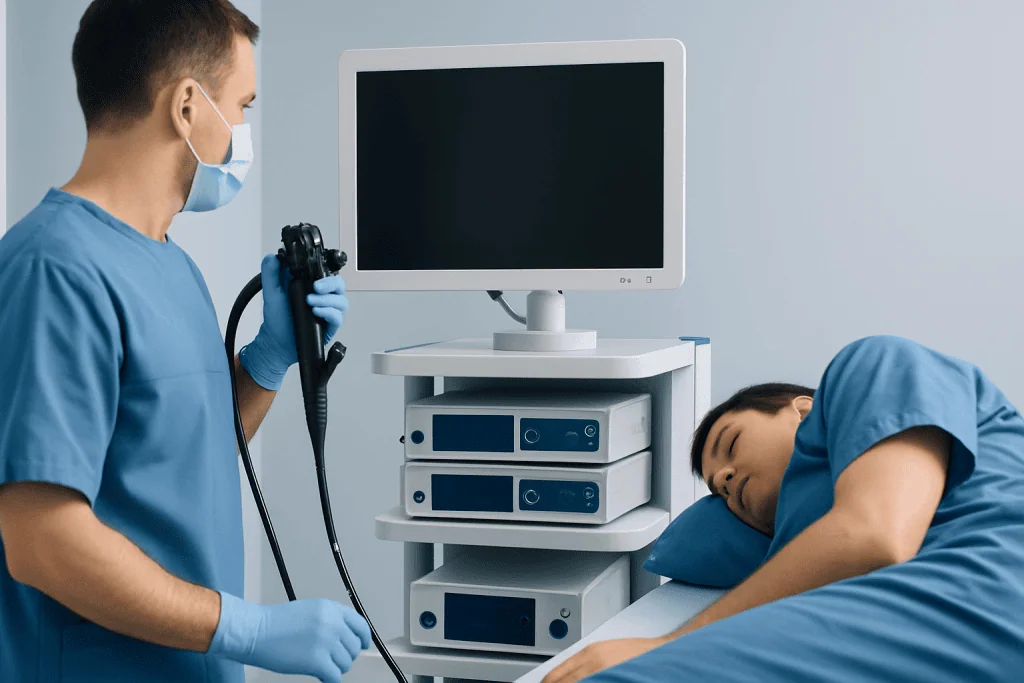
During a colonoscopy, a gastroenterologist guides a flexible instrument called a colonoscope through the rectum and around the colon. A small camera sends images to a monitor, while gentle air or carbon dioxide expands the bowel so the lining can be examined. Carbon dioxide is often absorbed quickly and may reduce post-procedure bloating.
People may have colonoscopy as routine screening based on age, personal history, family history, and local screening guidance. It may also help assess rectal bleeding, persistent diarrhea or constipation, unexplained iron-deficiency anemia, abdominal symptoms, or suspected inflammatory bowel disease. The clinician will decide whether colonoscopy, stool testing, imaging, or another test is most appropriate.
Before booking the procedure, the care team reviews medical conditions, allergies, pregnancy status, previous bowel surgery, and all medicines and supplements. This is particularly important for blood thinners, diabetes medicines, iron supplements, and medicines that affect kidney function, because temporary adjustments may be needed under medical guidance.
Colonoscopy Preparation Medicine: A Practical Step-by-Step Guide
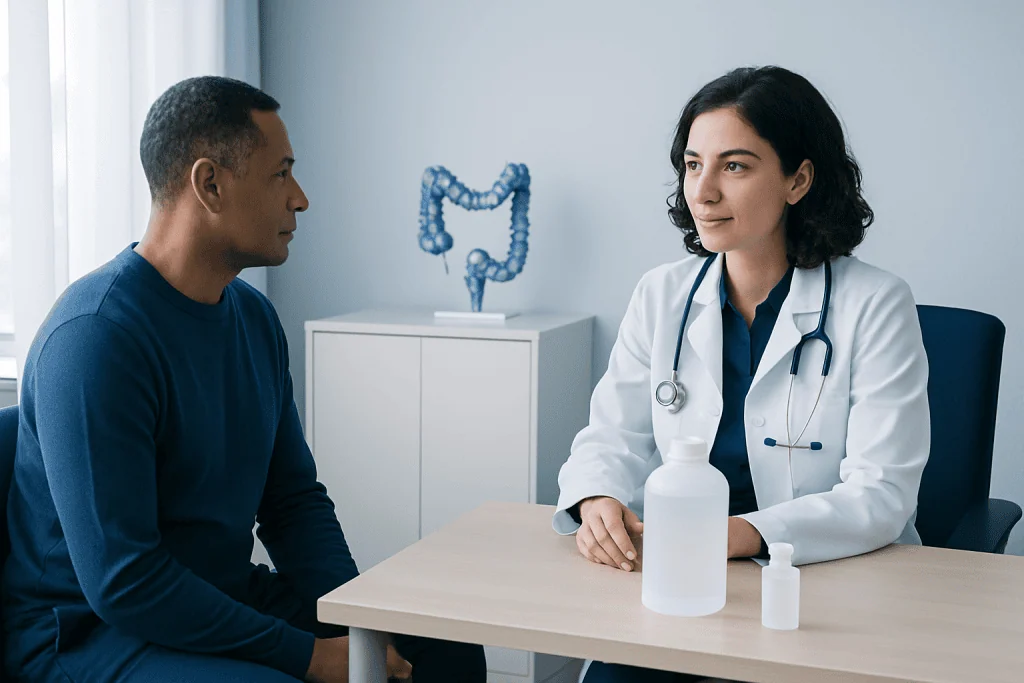
Preparation commonly begins several days before the examination, when patients may be asked to avoid certain foods such as seeds, nuts, whole grains, or high-fiber items. The exact food restrictions vary by preparation plan. On the day before colonoscopy, most people are limited to clear liquids such as water, clear broth, tea or coffee without milk, clear juices without pulp, and gelatin that is not red or purple.
The bowel-cleansing medicine may be a large-volume liquid solution, a lower-volume solution combined with extra clear fluids, or tablets in selected patients. Many services use split dosing: one portion is taken the evening before and the second portion on the day of the procedure. This approach generally produces better cleansing because it clears the colon closer to the examination time.
Once the medicine is started, patients should remain close to a toilet and drink approved clear fluids as instructed to reduce the risk of dehydration. Chilling the solution, drinking it through a straw, and taking small breaks as permitted can make the taste easier to manage. The goal is usually watery stool that becomes pale yellow or nearly clear, but patients should contact the endoscopy team if they are unsure whether preparation has worked.
- Arrange transport home because sedative medicines can impair driving and decision-making.
- Use soft toilet paper, fragrance-free wipes, or a barrier ointment to protect irritated skin.
- Ask the care team in advance how to manage regular prescription medicines.
- Do not stop blood thinners, insulin, or other essential medicine without specific instructions.
What Happens During the Colonoscopy Procedure
On arrival, the team checks preparation quality, medical history, consent, and vital signs. An intravenous line is usually placed so sedative and pain-relieving medicines can be given. Most patients receive sedation and become very sleepy; some may have deeper anesthesia depending on their health needs, local practice, and procedure complexity.
Patients usually lie on their left side. The colonoscope is gently inserted through the rectum and moved through the colon while the clinician examines the lining. If a polyp is found, it can often be removed through the scope. If an area looks unusual, small biopsies may be taken; these samples are typically painless because the bowel lining does not sense cutting in the same way as skin.
A straightforward examination often takes less than an hour, though timing varies if treatment, tissue sampling, or a technically difficult examination is needed. Colonoscopy evaluation and polyp removal may help diagnose bowel conditions and prevent some colorectal cancers by identifying and removing precancerous polyps.
Recovery Timeline, Results, Benefits and Risks
After the examination, patients recover in a monitored area until the sedative effect has reduced. Mild cramping, gas, or bloating may occur for several hours as air or carbon dioxide leaves the bowel. Most people can resume eating and drinking according to their discharge instructions, often beginning with a light meal if they feel well.
The clinician may discuss initial visual findings on the same day. However, biopsy and polyp laboratory results take longer, often several days or more depending on the laboratory. The final report explains whether follow-up is needed and when another screening examination may be recommended.
The benefits of colonoscopy include direct inspection of the colon, the ability to take biopsies, and removal of many polyps in the same session. Risks are generally low but can include nausea from preparation, dehydration, medication reactions, bleeding after polyp removal, infection, and a tear in the bowel wall. Severe pain, persistent bleeding, fever, repeated vomiting, fainting, or worsening abdominal swelling after discharge requires urgent medical assessment.
Acibadem International’s multidisciplinary specialists and JCI-accredited hospitals provide diagnostic assessment and treatment planning for international patients with digestive concerns, including referrals for further care when a colonoscopy identifies a condition requiring specialist management.
Will I Be Up All Night Pooping With Colonoscopy Prep?
Many people have frequent bowel movements for several hours after starting colonoscopy preparation medicine, and some do need to use the toilet during the night. The timing depends on the type of preparation, when each dose is taken, individual bowel habits, and how quickly the body responds.
With split-dose preparation, the first dose is often taken in the evening and the second dose early on the procedure day. This may interrupt sleep, but it is used because bowel cleansing closer to the procedure generally improves visibility. Planning to stay at home, keeping the bathroom easily accessible, and protecting the skin around the anus can make the process more manageable.
If no bowel movement occurs after taking the preparation, or if vomiting prevents the medicine from staying down, the patient should contact the endoscopy service promptly. They can advise whether the timing needs adjustment or whether another plan is required.
What Is the Hardest Part of Colonoscopy Prep?
For many people, the hardest part is not the procedure itself but completing the bowel-cleansing medicine while following a restricted clear-liquid diet. The volume or taste of the solution, nausea, hunger, fatigue, and repeated trips to the bathroom can all be challenging.
Preparation can be easier when patients read instructions early, obtain supplies in advance, chill the solution if allowed, and drink approved clear liquids between doses. A straw, flavored clear liquids permitted by the care team, and a barrier cream for skin irritation may also help. The team should be told about prior difficulty tolerating preparation, constipation, kidney disease, diabetes, or swallowing problems before the appointment.
It is important not to shorten the preparation or substitute another laxative without clinical advice. Inadequate cleansing can obscure important findings and may mean the colonoscopy has to be repeated sooner than expected.
How Long Does the Colonoscopy Medicine Make You Poop?
Colonoscopy medicine usually begins causing loose stools within hours, although the exact onset varies by product and person. Frequent bowel movements commonly continue until the colon is empty and may recur after the second split dose on the morning of the test.
For most patients, the urgent bowel activity settles after the procedure preparation is complete. The first bowel movement after colonoscopy may be delayed for a day or two, particularly if little food was eaten beforehand. Mild changes in stool pattern can happen briefly, but persistent diarrhea, constipation, severe abdominal discomfort, or rectal bleeding should be discussed with a clinician.
Hydration remains important throughout the process. Patients should drink the approved amount of clear liquids in their instructions unless they have been given fluid restrictions for heart, kidney, or other medical conditions.
How Many Pounds Do You Lose During Colonoscopy Prep?
Some people notice a lower number on the scale during colonoscopy preparation, but this does not represent meaningful fat loss. It mainly reflects temporary loss of stool contents and body fluid while eating less and using the prescribed laxative.
Weight generally returns toward the usual level after normal eating and drinking resume. Colonoscopy preparation should never be used for weight control, and trying to prolong or repeat it can lead to dehydration and electrolyte disturbances.
People with heart failure, kidney disease, diabetes, eating disorders, frailty, or a history of dehydration should discuss their preparation plan carefully with the clinical team. These conditions may require a tailored approach and closer attention to fluid intake and medicines.
When to Seek Medical Care
Before colonoscopy, patients should contact the endoscopy team if they cannot complete the preparation, have ongoing vomiting, develop marked dizziness, cannot keep fluids down, or are uncertain about managing important regular medicines. It is safer to ask early than to arrive with an incomplete preparation or avoidable medicine-related risk.
Urgent medical care is appropriate for severe or worsening abdominal pain, fainting, signs of significant dehydration, chest pain, breathing difficulty, or heavy rectal bleeding. After a colonoscopy, small amounts of blood may occasionally occur after a biopsy or polyp removal, but persistent or heavy bleeding, fever, severe pain, or a swollen abdomen should be assessed without delay.
For non-urgent concerns such as ongoing changes in bowel habits, blood in the stool, unexplained anemia, or a family history of colorectal cancer, a qualified doctor can assess symptoms and discuss appropriate testing. Early evaluation supports accurate diagnosis and timely care.
Frequently asked questions
Can I take my usual medicines before a colonoscopy?
Some medicines can be continued, while others may need temporary adjustment. Blood thinners, diabetes medicines, iron supplements, and certain weight-loss or kidney-related medicines are especially important to review. Patients should follow instructions from their prescribing clinician and endoscopy team rather than stopping medicines independently.
Can I drink water before a colonoscopy?
Clear liquids are usually encouraged during preparation to support hydration, but there is a specific time when all drinking must stop before sedation or anesthesia. That cut-off time varies by appointment and preparation plan. The written instructions from the endoscopy unit should be followed exactly.
What should stool look like before colonoscopy?
By the end of preparation, bowel movements should usually be watery and pale yellow or nearly clear, with little or no solid material. Dark liquid, thick stool, or particles may suggest incomplete cleansing. The patient should contact the endoscopy team for advice if the result is unclear.
Is colonoscopy painful?
Most people receive sedation or anesthesia and do not experience significant pain during the examination. Some pressure or cramping can occur as the colon is gently expanded, and mild gas discomfort may continue briefly afterward. The care team can explain the sedation options appropriate for the individual.
Can polyps be removed during a colonoscopy?
Yes. Many polyps can be removed through the colonoscope during the same procedure, without an incision. Removed tissue is sent to a laboratory to determine its type and whether further follow-up is needed.
When can I return to normal activities after colonoscopy?
Many people return to usual eating later the same day if they feel well, although a light meal may be more comfortable at first. Because sedation can affect alertness and coordination, driving, alcohol, operating machinery, and important decisions should be avoided for the period specified by the care team, commonly until the next day. Recovery advice may differ if a large polyp was removed or another treatment was performed.
References
- American Society for Gastrointestinal Endoscopy
- American College of Gastroenterology
- National Institute of Diabetes and Digestive and Kidney Diseases
- National Health Service
- World Gastroenterology Organisation
This article is for general information only and is not a substitute for professional medical advice. Please consult a qualified doctor about your individual situation.
Persistent digestive symptoms? Get evaluated in Turkey
JCI-accredited · board-certified surgeons · reply within 24h
Add us as a Preferred Source to see more of our trusted health content across Google Search, AI Overviews and Discover.

More from the Health Library

Related Specialists

Assoc. Prof. Dr. Murat Urkan
General Surgery
Dr. Mahmut Yarimay
Anesthesiology
Assoc. Prof. Dr. Özge Vural Topuz
Nuclear Medicine
Dr. Enes Kanay
Orthopedic Surgery & Traumatology