Best Treatment for Teething: How It Works, Results and What to Expect

Gentle gum massage and chilled teething rings are among the safest, most effective ways to ease teething discomfort. Teething may cause drooling, chewing, gum tenderness and temporary irritability, but it should not cause a baby to appear seriously ill.
Key Takeaways
- Gentle gum massage and chilled teething rings are among the safest, most effective ways to ease teething discomfort.
- Teething may cause drooling, chewing, gum tenderness and temporary irritability, but it should not cause a baby to appear seriously ill.
- Avoid benzocaine or lidocaine teething gels, alcohol-containing products, amber necklaces and frozen objects that can injure gums or create choking risks.
- Ask a pediatrician or dentist before giving pain medicine, especially for infants, and use only products appropriate for the child’s age and weight.
- Medical assessment is important for high fever, persistent symptoms, poor feeding, dehydration, rash, breathing difficulty or marked lethargy.
The best treatment for teething usually combines safe, simple comfort measures: a clean finger massage of the gums, a chilled—not frozen—teething ring, and age-appropriate reassurance. Teething is temporary, but a clinician should assess symptoms such as significant fever, diarrhea, dehydration, or an unusually unwell baby rather than assuming they are caused by teeth.
Overview: What Is the Best Treatment for Teething?
The best treatment for teething is usually a combination of gentle, non-medicinal comfort measures. A caregiver can massage the baby’s gums with a clean finger, offer a firm chilled teething ring, and provide extra soothing and fluids as needed. These approaches address pressure and tenderness without exposing the baby to unnecessary medicines or choking hazards.
Teething is the normal process of primary teeth moving through the gums. It often begins around 6 months of age, although timing varies widely and can be earlier or later. Teeth commonly arrive in stages until about age 3, so periods of discomfort may come and go rather than remain constant.
Parents may feel concerned when a baby is unsettled, drooling more, or chewing on hands and toys. These changes can be consistent with teething, but they can also occur for other reasons. It is important not to attribute significant illness to teething without checking with a qualified healthcare professional.
How Teething Discomfort Works
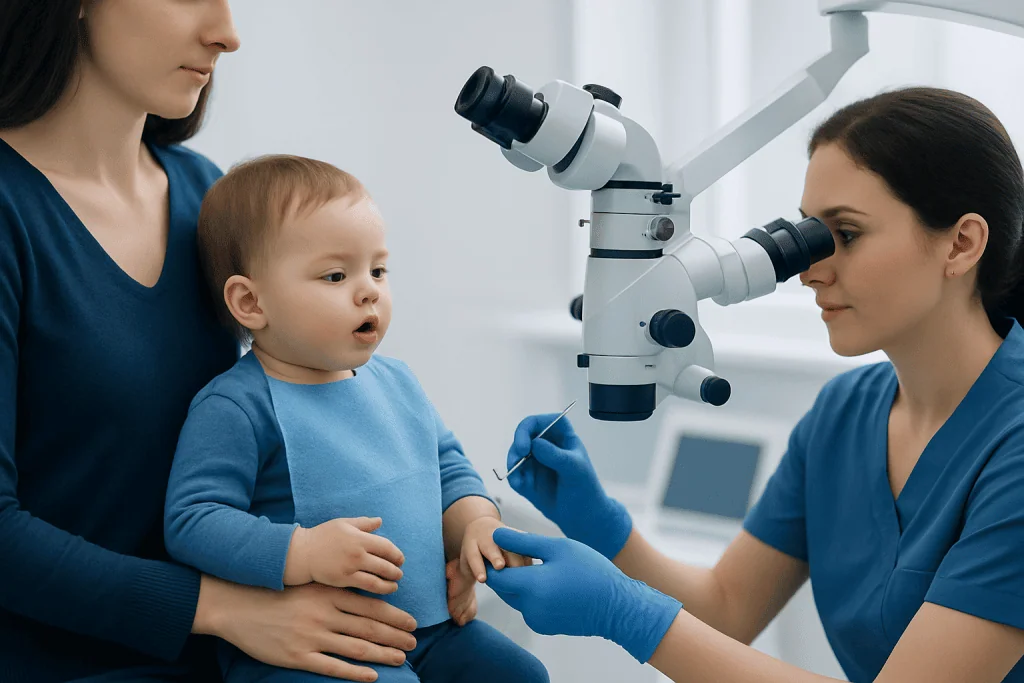
As a tooth moves upward through the gum tissue, it can create local pressure, tenderness and mild inflammation. Babies cannot explain this sensation, so they may respond by chewing, biting, rubbing their face, waking more often, or seeking more comfort. Drool may increase because chewing and gum stimulation activate saliva production.
Teething is not a medical procedure, and there is no treatment that makes teeth erupt faster. The aim is to reduce discomfort safely while allowing normal eruption to continue. Relief measures work by applying gentle counter-pressure, cooling the gum surface, or helping the child settle when irritable.
Some children show little discomfort with a new tooth, while others are temporarily more unsettled. The severity can differ from one tooth to another. A caregiver’s calm response, regular routines, and safe comfort measures are often as useful as any product marketed for teething.
What Is the Most Painful Stage of Teething?

There is no single stage that is definitively the most painful for every child. Discomfort may be most noticeable in the few days before a tooth breaks through the gum and shortly afterward, when the gum may be swollen or tender. Some parents find that the first teeth and the larger back teeth, including molars, seem more challenging because they may create broader pressure in the gums.
However, babies experience teething differently. A child may be unsettled with one tooth and have few noticeable symptoms with the next. Changes in sleep, appetite, developmental milestones, minor viral infections, and daily routines can also affect how difficult a teething period feels.
If crying is persistent, severe, or paired with symptoms such as a high fever, repeated vomiting, poor feeding, or unusual sleepiness, it should not be assumed to be teething. A pediatrician can help identify other possible causes and recommend appropriate care.
What Are the Most Effective Remedies for Teething?
The most effective remedies are simple measures that are physically safe and easy to use. A caregiver may gently rub the gums with a thoroughly washed finger for a few minutes. A firm rubber teething ring cooled in the refrigerator can also provide temporary relief. It should be chilled rather than frozen, because a frozen object can be too hard and may damage delicate gum tissue.
For babies already eating complementary foods, a small amount of cool, soft food may be soothing when it is suitable for the child’s age and feeding skills. Supervision is essential, and foods that pose a choking risk should be avoided. A clean, cool washcloth for the baby to chew may be helpful if it is used under close observation.
Extra cuddling, distraction, quiet play, and maintaining familiar sleep routines can help during a difficult day. Wiping drool gently from the chin and applying a simple protective barrier recommended for infants may reduce skin irritation around the mouth.
- Use solid, age-appropriate teething toys made for babies.
- Check teething items regularly for cracks, loose parts, or damage.
- Clean toys according to the manufacturer’s instructions.
- Never tie a teething item around a baby’s neck, wrist, or clothing.
What Actually Works for Teething?
What actually works for teething is temporary comfort, not an attempt to stop or speed up the natural eruption process. Gentle pressure from a clean finger or safe teether and mild cooling from a refrigerated teething ring have the strongest practical value for many babies. These measures can be repeated when needed, provided the child is supervised and the items remain clean and intact.
Medication is not necessary for most children. If discomfort is clearly interfering with feeding, sleep, or settling, a pediatrician may advise whether an age- and weight-appropriate pain reliever is suitable. Caregivers should follow a clinician’s advice and the product label carefully, and should not give medicine simply because teething is expected.
Topical numbing products are generally not a preferred solution for infants and young children. Products containing benzocaine or lidocaine can carry serious risks if swallowed or used incorrectly, and their benefit is often brief because saliva washes them away. Homeopathic teething tablets and gels may also be unsafe or unreliable, depending on their ingredients and regulation.
Amber teething necklaces, bracelets, and anklets should not be used. They can create choking and strangulation hazards, and there is no good evidence that amber jewelry relieves teething pain. Similar caution applies to any small object, loose bead, or product that can break apart.
What Do Pediatricians Recommend for Teething Babies?
Pediatricians commonly recommend non-drug comfort first: gum massage, a chilled teething ring, safe chew toys, and supportive care. They also encourage parents to watch the whole child rather than focusing only on the gums. A baby who is drinking, feeding reasonably, alert between periods of fussiness, and otherwise well can often be cared for at home with these measures.
A pediatrician may advise on pain relief when a child seems particularly uncomfortable, but the choice depends on the child’s age, weight, health history, and other medicines. Aspirin should never be given to children because of the risk of Reye’s syndrome. Cough-and-cold remedies and unapproved oral gels should not be used as teething treatments.
Good oral care can begin before teeth appear. Parents can wipe the gums gently with a clean, damp cloth and, once teeth emerge, brush them twice daily using a small soft-bristled toothbrush and a smear of fluoride toothpaste appropriate for young children. A dentist or pediatrician can advise on the timing of the first dental visit and individual fluoride needs.
For families needing coordinated pediatric and dental guidance, Acibadem International’s multidisciplinary specialists and JCI-accredited hospitals can assess children’s oral health concerns and provide individualized advice for international patients.
Candidacy, Step-by-Step Care and Expected Recovery
Safe teething care is appropriate for babies and toddlers who have mild, typical symptoms such as drooling, chewing, gum tenderness, brief irritability, or a desire to bite on objects. It is not a substitute for medical evaluation when a child has signs of infection, dehydration, significant pain, or a change in general condition.
A practical step-by-step approach begins by washing the caregiver’s hands and checking the baby’s mouth for an emerging tooth or local gum swelling. The caregiver can then offer a chilled teething ring or massage the gums gently. Afterward, the baby can be comforted, offered normal feeds and fluids, and monitored for improvement.
There is no recovery period in the usual sense because teething is a developmental process rather than an illness or intervention. Individual episodes of tenderness often improve within days as the tooth emerges, although another tooth may begin moving later. If symptoms continue without improvement or become more intense, a clinician should review the child.
The benefits of conservative care are that it is low risk, accessible, and can be repeated. The main risks arise from unsafe products or inappropriate medication use. Caregivers should avoid freezing teethers, using breakable items, leaving a baby unattended with a teether, and relying on products that numb the mouth or contain unverified ingredients.
When to Seek Medical Care
Teething can make a child uncomfortable, but it should not cause severe or prolonged illness. Parents should contact a pediatrician if the child has a fever that is high or persistent, refuses feeds, has fewer wet diapers, develops repeated vomiting, has significant diarrhea, seems unusually sleepy, or is difficult to console. These symptoms may have another cause that deserves prompt assessment.
Urgent medical care is needed for breathing difficulty, bluish lips or skin, a seizure, severe dehydration, unresponsiveness, or signs of an allergic reaction after a medicine or product. Caregivers should also seek advice if they suspect a swallowed piece of a teething toy or jewelry.
A dental professional can assess concerns such as teeth appearing in an unusual pattern, early decay, persistent gum bleeding, mouth injury, or a child who struggles with tooth brushing. Routine dental care supports healthy primary teeth, which are important for eating, speech development, and holding space for permanent teeth.
Frequently asked questions
Can teething cause fever?
Teething may be associated with a small rise in temperature for some children, but it should not cause a high or persistent fever. A baby with a notable fever or other signs of illness should be assessed by a pediatrician rather than assumed to be teething.
Are frozen teething rings safe?
Frozen teethers are not recommended because they can become too hard for a baby’s sensitive gums. A firm teething ring cooled in the refrigerator is a safer option and may still provide soothing relief.
Should parents use teething gels?
Most numbing teething gels are not recommended for infants and young children, particularly products containing benzocaine or lidocaine. They may provide little lasting relief and can cause harmful effects if swallowed or used incorrectly. A pediatrician can advise if a child seems to need pain relief.
How long does teething pain last?
A period of gum tenderness or irritability may last for several days around the time a tooth emerges. The timing varies between children and between teeth. Symptoms that persist, worsen, or occur with illness should be discussed with a healthcare professional.
Can a teething baby have diarrhea?
Increased drooling and hand-to-mouth behavior may coincide with minor changes in stools, but significant or persistent diarrhea is not considered a typical teething symptom. Diarrhea can lead to dehydration in babies, so parents should seek medical advice if it is frequent, severe, or accompanied by fever or poor feeding.
When should a baby first see a dentist?
Many dental organizations recommend a first dental visit by the first birthday or within six months after the first tooth appears, whichever comes first. The dentist can check tooth development, discuss brushing and fluoride, and help parents prevent early childhood tooth decay.
References
- American Academy of Pediatrics
- U.S. Food and Drug Administration
- American Dental Association
- National Health Service
- Mayo Clinic
This article is for general information only and is not a substitute for professional medical advice. Please consult a qualified doctor about your individual situation.
Persistent digestive symptoms? Get evaluated in Turkey
JCI-accredited · board-certified surgeons · reply within 24h
Add us as a Preferred Source to see more of our trusted health content across Google Search, AI Overviews and Discover.