Recovery Abroad After Surgery: Hotel Stay, Follow-Up, and Warning Signs

Patients should plan enough time abroad for immediate recovery and at least one follow-up visit before returning home. A suitable hotel or recovery accommodation should be clean, accessible, quiet, and close to the hospital or clinic.
Key Takeaways
- Patients should plan enough time abroad for immediate recovery and at least one follow-up visit before returning home.
- A suitable hotel or recovery accommodation should be clean, accessible, quiet, and close to the hospital or clinic.
- Written discharge instructions, medication lists, and emergency contact details are essential after surgery abroad.
- Warning signs such as fever, worsening pain, heavy bleeding, shortness of breath, or calf swelling require prompt medical advice.
- Long flights should be timed according to the surgeon’s guidance, especially after major surgery or procedures with blood clot risk.
- After returning home, patients should arrange continuity of care with a local doctor when needed.
Medically reviewed by the Acıbadem International Medical Board — June 20, 2026
Recovery abroad after surgery requires careful planning for rest, wound care, follow-up appointments, medicines, and safe travel home. With clear instructions and timely medical support, many patients can recover comfortably while staying near their treatment team.
Overview: What Recovery Abroad Involves
Recovery abroad after surgery is the period between discharge from the hospital or clinic and the patient’s safe return home. It may include a hotel stay, nurse visits, wound checks, medication management, follow-up consultations, and planning for the journey back. The goal is to allow early healing to begin under medical supervision before the patient travels a longer distance.
The recovery plan depends on the type of surgery, anesthesia, the patient’s age and general health, and whether the procedure was minor, moderate, or major. Some patients need only a short observation period, while others require several days or weeks near the medical team. Procedures involving the abdomen, chest, joints, spine, heart, or complex reconstruction usually require more cautious travel planning.
A safe recovery abroad begins before the operation. Patients should understand how long they are expected to stay, what help they will need, which symptoms are normal, and which symptoms need urgent attention. Clear communication between the surgical team, international patient services, hotel staff when appropriate, and the patient’s companion can make the recovery period more comfortable and organized.
Choosing a Safe Hotel or Recovery Accommodation
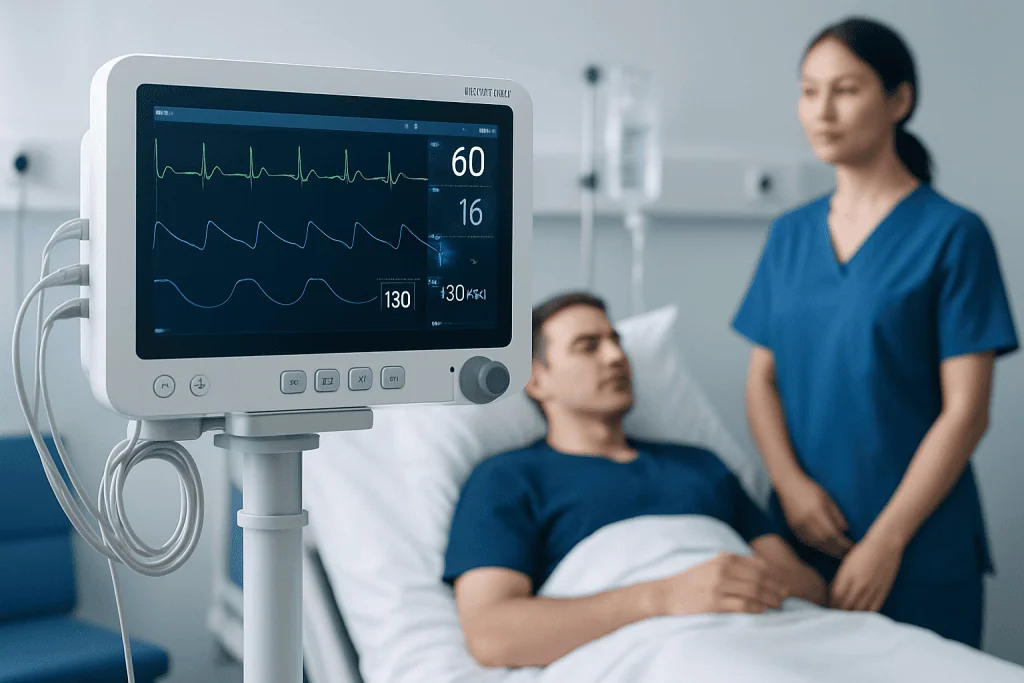
The hotel or recovery accommodation should support rest, hygiene, mobility, and quick access to care. Ideally, it should be located close to the hospital or clinic, especially during the first days after discharge. A long commute after surgery can be tiring and may make follow-up visits more difficult.
Patients should look for practical features rather than luxury alone. Useful features include elevators, step-free access, a private bathroom, reliable air conditioning or heating, a comfortable bed, room service or nearby simple meals, and space for a companion. For patients recovering from orthopedic, abdominal, or bariatric surgery, avoiding stairs and slippery floors is especially important.
Cleanliness and infection prevention matter during postoperative recovery. Dressings, drains, and surgical wounds should be handled according to medical instructions, and the room should provide a clean area for supplies. Patients should avoid swimming pools, hot tubs, saunas, and crowded wellness areas until the surgeon confirms they are safe.
A companion can be very helpful, particularly during the first 24 to 72 hours after discharge. The companion may assist with meals, walking, medication reminders, transportation, and contacting the hospital if symptoms change. Patients traveling alone should ask in advance whether nursing support, hotel assistance, or international patient coordination is available.
Follow-Up Visits and Medical Communication

Follow-up care is a central part of surgery abroad aftercare. Before leaving the hospital, patients should receive a clear follow-up schedule, including the date and place of wound checks, drain removal if needed, stitch or staple review, imaging, laboratory tests, or specialist consultations. The first postoperative review helps the team assess early healing and adjust the recovery plan.
Discharge documents should be kept in both digital and printed form. These documents usually include the operation name, anesthesia details, discharge diagnosis, medication list, allergies, wound care instructions, test results, and emergency contact numbers. If the patient will need care after returning home, the documents should be shared with a family physician or relevant specialist.
Language and time-zone differences can affect communication, so patients should confirm how to reach the medical team after discharge. Many hospitals provide a phone number, patient coordinator, secure messaging process, or telemedicine option. Patients should know which contact is for routine questions and which number to use for urgent concerns.
When traveling for treatment, continuity of care should be planned early. If a patient has chronic conditions such as diabetes, heart disease, sleep apnea, blood clot history, or immune suppression, coordination with the home doctor may be needed before and after surgery. This helps ensure medications and follow-up tests continue safely.
Medication, Wound Care, Nutrition, and Mobility
Medication instructions should be followed exactly as prescribed by the surgical team. Patients may be given pain relief, antibiotics when appropriate, blood clot prevention medicine, stomach protection, or other medications related to their condition. They should not stop, restart, or combine medicines without medical advice, especially blood thinners, diabetes medicines, heart medicines, or sedatives.
Wound care instructions may include when to change dressings, whether the wound can get wet, how to manage drains, and which products to avoid. Hands should be washed before touching the wound area or dressings. Mild bruising, swelling, and discomfort can occur after many operations, but the overall trend should be gradual improvement.
Good nutrition supports healing. Patients are usually encouraged to drink enough fluids, eat protein-rich foods as tolerated, and avoid alcohol while taking pain medicines or antibiotics. After gastrointestinal, bariatric, or oral surgery, the diet may be more specific and should follow the surgeon’s or dietitian’s plan.
Gentle movement is often part of safe recovery, even when rest is needed. Short walks can help circulation, lung function, and bowel activity, but activity limits vary by procedure. Patients should follow restrictions on lifting, bending, driving, sexual activity, exercise, and work until the surgical team gives clearance.
Timing the Return Trip and Flying After Surgery
The right time to travel home depends on the procedure, the patient’s recovery, and the length of the journey. A short car ride is different from a long international flight with airport walking, luggage handling, cabin pressure changes, and prolonged sitting. The surgeon should confirm that the patient is fit to travel before departure.
Flying too soon may increase discomfort and may complicate access to medical care if symptoms develop during transit. Some operations require extra caution because of blood clot risk, swelling, bleeding risk, or the need for early follow-up. Patients who have had major abdominal surgery, chest surgery, orthopedic surgery, cosmetic body contouring, neurosurgery, or vascular procedures should receive individualized travel guidance.
During travel, patients may be advised to walk periodically, perform ankle movements, stay hydrated, wear prescribed compression stockings, and take medicines exactly as directed. These measures are particularly important for long flights and for patients with risk factors for deep vein thrombosis. Heavy luggage should be avoided; assistance at the airport should be arranged in advance if mobility is limited.
Patients should carry essential medical items in hand luggage, not checked baggage. This includes medicines in original packaging, discharge documents, wound care supplies, compression garments if prescribed, and contact numbers for the treating hospital. Travel insurance and airline medical clearance requirements should be reviewed before the trip.
Warning Signs After Surgery Abroad
Most postoperative symptoms improve gradually, but some changes need prompt medical attention. Patients should contact the treating team or seek local emergency care if they develop fever, chills, worsening redness around the wound, pus-like drainage, increasing swelling, heavy bleeding, wound opening, or pain that is getting worse instead of better.
Other important warning signs include chest pain, shortness of breath, fainting, confusion, severe headache, new weakness, uncontrolled vomiting, inability to pass urine when expected, or severe abdominal pain. Calf pain, one-sided leg swelling, warmth, or sudden breathlessness can be signs of a blood clot and should be assessed urgently.
After specific procedures, additional warning signs may apply. For example, after eye surgery, sudden vision changes should be reported immediately; after bariatric or abdominal surgery, persistent vomiting or severe abdominal pain needs assessment; after orthopedic surgery, increasing limb numbness, color change, or severe tightness should not be ignored. The discharge instructions should list procedure-specific concerns.
Patients should not wait until the flight home if a concerning symptom appears. Early contact with the surgical team is often the safest approach and may prevent complications from becoming more difficult to manage. If symptoms are severe or rapidly changing, emergency services should be used.
Prevention, Self-Care, and Practical Planning
Good planning reduces stress during medical tourism recovery. Before surgery, patients should confirm the expected hospital stay, hotel stay, follow-up schedule, companion needs, transportation plan, and return travel timing. They should also ask what supplies are needed after discharge and whether these will be provided or purchased locally.
A simple recovery checklist can help. It may include prescribed medicines, wound care supplies, thermometer, comfortable loose clothing, supportive shoes, phone charger, translated medical documents if needed, and easy access to the hospital contact number. Patients should also keep copies of passports, insurance information, and travel documents in a safe place.
Self-care also includes respecting activity limits. Sightseeing, shopping, long walks, alcohol, smoking, and strenuous exercise can interfere with healing, especially in the first days after surgery. Patients should treat the stay abroad as a medical recovery period rather than a holiday, even if they feel well early on.
For international patients, Acibadem International can support coordination across hospital care, specialist follow-up, and patient services in JCI-accredited hospitals. Patients should still follow individualized medical advice, because recovery timelines vary widely from person to person and procedure to procedure.
When to See a Doctor
Patients should see a doctor for any symptom that feels unusual, worsening, or different from the discharge instructions. Mild discomfort, tiredness, bruising, or swelling may be expected after many operations, but the overall direction should be improvement. A sudden change or a symptom that limits breathing, movement, eating, drinking, or urination should be assessed.
Medical review is also important if medicines cause side effects such as rash, severe diarrhea, dizziness, excessive sleepiness, or signs of allergy. Patients taking blood thinners, insulin, heart medicines, or strong pain medicines should be especially careful and should ask for guidance before making changes.
After returning home, a local doctor should review the patient if stitches need removal, dressings need continued care, rehabilitation is required, or chronic conditions need monitoring. For complex surgeries, the home doctor and overseas surgical team may need to share information. This continuity helps recovery continue safely beyond the medical trip.
Frequently asked questions
How long should a patient stay abroad after surgery?
The length of stay depends on the type of surgery, the patient’s health, and the surgeon’s recovery plan. Some minor procedures may need only a short stay, while major operations may require several days or weeks before travel. Patients should not book a return flight until the treating doctor confirms the expected safe travel window.
Is it safe to recover in a hotel after surgery abroad?
A hotel stay can be appropriate when the patient has been medically discharged and the accommodation is clean, accessible, and close to the hospital. The patient should have clear instructions, emergency contact details, and help from a companion or support service if needed. A hotel is not a substitute for hospital care if symptoms are concerning.
What should be packed for postoperative recovery abroad?
Patients should carry prescribed medicines, discharge papers, wound care supplies, comfortable clothing, compression garments if prescribed, and contact details for the medical team. Essential items should be kept in hand luggage during the return trip. It is also helpful to carry a medication list and allergy information.
What warning signs should not be ignored after surgery?
Fever, worsening pain, heavy bleeding, wound opening, pus-like drainage, chest pain, shortness of breath, fainting, or one-sided calf swelling require prompt medical advice. Severe vomiting, confusion, sudden weakness, or major changes related to the operated area should also be assessed urgently. Patients should contact the treating team or emergency services rather than waiting to travel home.
Can a patient fly soon after surgery?
Flying after surgery depends on the procedure, anesthesia, clot risk, wound status, and overall recovery. Long flights require special planning because of prolonged sitting and limited access to medical care. The surgeon should provide individualized clearance and may recommend movement, hydration, compression stockings, or other precautions.
Who provides follow-up after the patient returns home?
Follow-up may involve the overseas surgical team through telemedicine and a local doctor in the patient’s home country. The patient should keep complete discharge documents and share them with the home physician. Some procedures also require rehabilitation, imaging, laboratory tests, or specialist review after return.
References
- World Health Organization
- Centers for Disease Control and Prevention
- American College of Surgeons
- Royal College of Surgeons of England
- International Society of Travel Medicine
This article is for general information only and is not a substitute for professional medical advice. Please consult a qualified doctor about your individual situation.
Explore treatments in Turkey — costs, top hospitals & a free quote
JCI-accredited · board-certified surgeons · reply within 24h