Cataracts: Blurry Vision, Surgery, and Recovery

Cataracts happen when the eye's natural lens becomes cloudy, causing blurry vision, glare, faded colors, or trouble seeing at night. Age is the most common risk factor, but diabetes, smoking, eye injury, certain medications, and long-term sun exposure can contribute.
Key Takeaways
- Cataracts happen when the eye's natural lens becomes cloudy, causing blurry vision, glare, faded colors, or trouble seeing at night.
- Age is the most common risk factor, but diabetes, smoking, eye injury, certain medications, and long-term sun exposure can contribute.
- Diagnosis is made with a comprehensive eye exam that checks vision, the lens, the retina, and eye pressure.
- Cataract surgery removes the cloudy lens and replaces it with an artificial intraocular lens.
- Most people return to light daily activities soon after surgery, but eye drops, follow-up visits, and activity precautions are important.
- Any sudden vision loss, severe eye pain, increasing redness, or new flashes and floaters should be assessed promptly by an eye doctor.
Cataracts are a common cause of gradual blurry or cloudy vision, especially with aging. When vision changes begin to affect daily life, cataract surgery can often restore clearer sight with a predictable recovery plan.
Overview
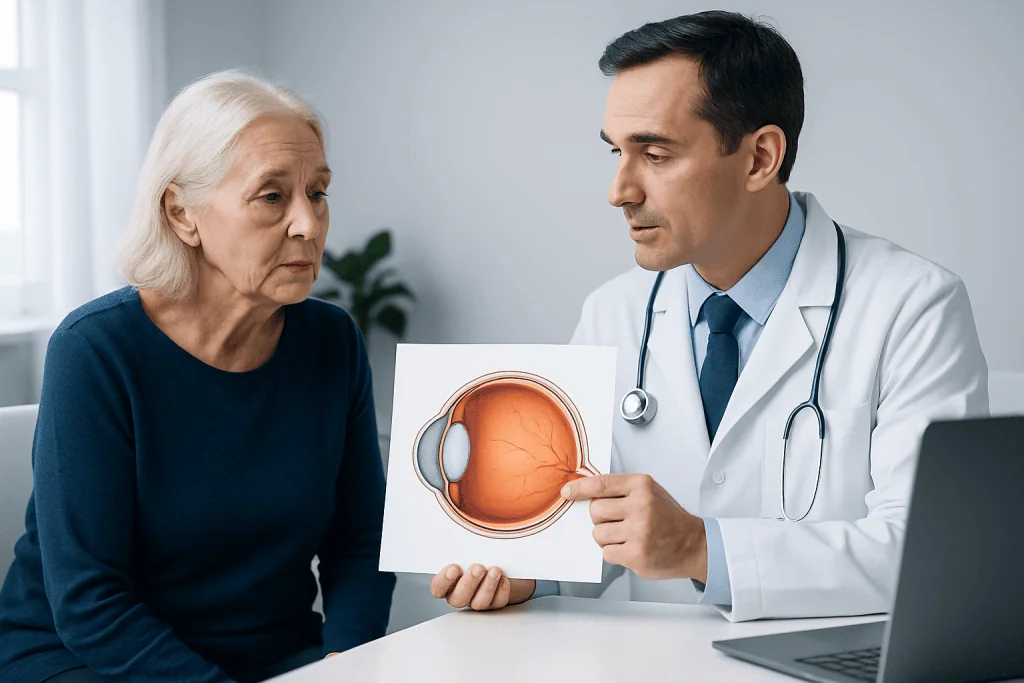
Cataracts are cloudy areas that develop in the natural lens of the eye. The lens sits behind the colored part of the eye and helps focus light onto the retina, the light-sensitive tissue at the back of the eye. A healthy lens is normally clear. When proteins in the lens change and clump together, light cannot pass through as easily, and vision may become blurry, hazy, or less colorful.
Cataracts usually develop slowly over years. Many people first notice that their glasses no longer seem strong enough, that headlights at night cause more glare, or that reading requires brighter light. Cataracts are not a film growing over the eye, and they do not spread from one eye to the other, although they often develop in both eyes over time.
Early cataracts may be managed with updated glasses, better lighting, anti-glare lenses, or lifestyle adjustments. When cataracts interfere with driving, reading, work, hobbies, or independent daily activities, surgery may be recommended. Cataract surgery is one of the most commonly performed eye procedures and involves replacing the cloudy natural lens with a clear artificial lens.
Symptoms of Cataracts
The main symptom of cataracts is gradual vision change. People often describe their vision as cloudy, smoky, dim, or as if they are looking through a dirty window. The changes may be mild at first and may not cause discomfort. Cataracts typically do not cause eye pain in the early stages.
Common cataract symptoms include:
- Blurry, cloudy, or hazy vision
- More glare from sunlight, lamps, or car headlights
- Difficulty driving at night
- Faded or yellowed colors
- Frequent changes in glasses or contact lens prescription
- Double vision in one eye
- Needing brighter light for reading or close work
Symptoms can vary depending on the type and location of the cataract. A cataract in the center of the lens may affect distance vision more strongly, while another type may cause glare or difficulty in bright light. Because other eye conditions can also cause blurry vision, an eye examination is important rather than assuming that cataracts are the only cause.
Causes and Risk Factors
Aging is the most common cause of cataracts. Over time, the lens loses flexibility and clarity, and its proteins can become less evenly arranged. This process is part of natural aging, but the timing and speed of cataract development differ from person to person.
Several factors can increase the chance of developing cataracts or developing them earlier. These include diabetes, smoking, heavy alcohol use, long-term exposure to ultraviolet light, previous eye injury or eye surgery, and a family history of cataracts. Long-term use of certain medications, especially corticosteroids, may also increase risk in some people.
Cataracts can occasionally be present at birth or develop in childhood. These are called congenital or pediatric cataracts and may be related to genetics, infections during pregnancy, metabolic conditions, trauma, or other eye problems. Children with suspected cataracts should be evaluated by an ophthalmologist because early vision development is important.
Risk factors do not mean that cataracts will definitely occur, and having no obvious risk factors does not prevent them. However, understanding risk can help people schedule regular eye exams, protect their eyes from sunlight, and manage health conditions such as diabetes with the support of their medical team.
Diagnosis
Cataracts are diagnosed during a comprehensive eye examination. The eye doctor asks about symptoms, general health, medications, previous eye conditions, and how vision changes affect daily activities. A standard visual acuity test measures how clearly each eye can see at different distances.
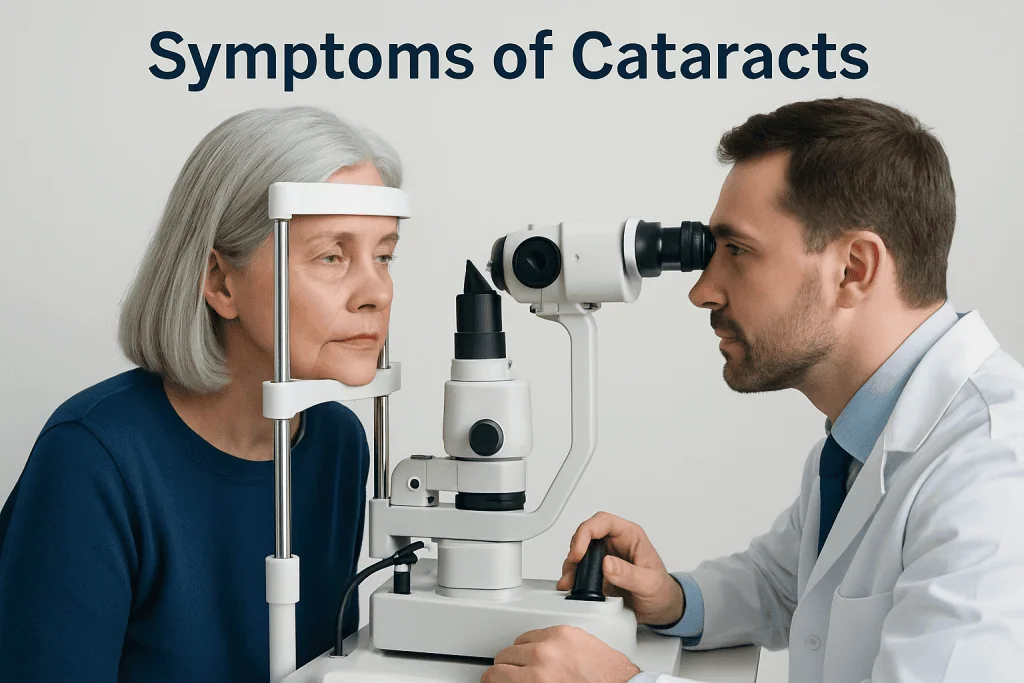
The doctor may use eye drops to dilate the pupils, allowing a better view of the lens and the retina. A slit-lamp examination uses a special microscope and light to examine the front structures of the eye in detail, including the cornea, iris, and lens. This helps identify the type and severity of cataract.
Additional tests may include checking eye pressure, assessing how glare affects vision, and examining the retina and optic nerve. These steps are important because conditions such as glaucoma, diabetic eye disease, macular degeneration, corneal disease, or dry eye can also affect vision and may influence treatment planning.
If surgery is being considered, precise measurements of the eye are taken to calculate the power of the intraocular lens, also called an IOL. These measurements help the surgeon choose an appropriate lens implant based on the eye’s shape, visual needs, and the presence of other eye conditions.
Treatment Options
Not every cataract needs immediate surgery. In the early stages, clearer glasses, magnifying lenses, improved lighting, and sunglasses that reduce glare may be enough. People who drive should pay close attention to night driving comfort and safety. If cataracts begin to limit daily function, surgery may be discussed.
Cataract surgery involves removing the cloudy natural lens and replacing it with a clear artificial intraocular lens. The most common modern technique uses ultrasound energy to break the lens into small pieces, which are then gently removed through a small incision. The IOL remains inside the eye permanently and usually does not need routine replacement.
Different types of intraocular lenses may be available. A monofocal lens is designed to provide clear focus at one main distance, often distance vision, with reading glasses still needed for close work. Other lens options may aim to reduce dependence on glasses for near or intermediate vision, or to correct astigmatism. Suitability depends on eye health, lifestyle, visual priorities, and the surgeon’s assessment.
Cataract surgery is typically planned one eye at a time, especially when both eyes have cataracts. The timing between eyes varies according to the person’s vision needs, recovery, and medical considerations. The decision is individualized, and patients should have the opportunity to discuss expected benefits, limitations, risks, lens choices, and postoperative care before surgery.
Recovery and Aftercare
Recovery after cataract surgery is usually straightforward, but careful aftercare helps the eye heal properly. Vision may seem brighter soon after surgery, although it can be mildly blurry or fluctuate during early healing. Some people notice mild scratchiness, watering, or light sensitivity for a short time.
Eye drops are commonly prescribed to reduce inflammation and lower the risk of infection. Patients should use them exactly as directed and attend follow-up visits so the doctor can check healing and eye pressure. A protective shield may be recommended during sleep for a short period, and rubbing the eye should be avoided.
General recovery guidance may include:
- Avoiding eye rubbing, dusty environments, and swimming until cleared by the doctor
- Taking care with bending, heavy lifting, or strenuous activity in the early recovery period
- Wearing sunglasses outdoors if the eye is light-sensitive
- Calling the eye clinic if symptoms worsen instead of improve
Most people resume light activities relatively quickly, but driving, work, exercise, and travel should be guided by the surgeon’s instructions and the person’s visual comfort. Final glasses may be prescribed after the eye has stabilized. If both eyes need surgery, vision may feel uneven between procedures, which is temporary and can be managed with the care team.
Prevention, Self-Care, and When to See a Doctor
There is no guaranteed way to prevent cataracts, but healthy habits may support overall eye health. Wearing sunglasses that block ultraviolet light, not smoking, moderating alcohol intake, eating a balanced diet rich in fruits and vegetables, and managing diabetes and blood pressure can all be helpful. Regular eye examinations are especially important for older adults and people with diabetes or a history of eye disease.
People should schedule an eye exam if they notice gradual blurry vision, glare, faded colors, trouble reading, or increasing difficulty driving at night. A new glasses prescription may help in some cases, but an eye doctor can determine whether cataracts or another condition is responsible. Routine monitoring also helps decide the best time for surgery if cataracts progress.
Prompt medical attention is needed for sudden vision loss, severe eye pain, increasing redness after surgery, a sudden shower of floaters, flashes of light, or a curtain-like shadow in the vision. These symptoms may indicate other eye problems that need urgent assessment.
For international patients seeking evaluation or treatment, Acibadem International’s multidisciplinary specialists and JCI-accredited hospitals diagnose and treat cataracts and related eye conditions. As with any medical decision, patients should review their personal risks, treatment options, and recovery plan with a qualified ophthalmologist.
Frequently asked questions
Are cataracts a normal part of aging?
Cataracts are very common with aging because the eye's natural lens gradually becomes less clear over time. However, not everyone develops visually significant cataracts at the same age. Regular eye exams help detect cataracts early and monitor whether they are affecting daily life.
Can cataracts be treated without surgery?
Early cataract symptoms may improve with updated glasses, brighter lighting, magnifiers, or glare-reducing sunglasses. These measures do not remove the cataract, but they can help people function comfortably for a period of time. Surgery is the only treatment that removes the cloudy lens.
When is cataract surgery recommended?
Cataract surgery is usually considered when vision problems interfere with activities such as reading, driving, working, cooking, or recognizing faces. The decision is not based only on the appearance of the cataract, but on how much it affects quality of life and visual function. An ophthalmologist can help decide the right timing.
Is cataract surgery painful?
Cataract surgery is generally performed with numbing eye drops or local anesthesia, so patients should not feel sharp pain during the procedure. Some pressure, light, or mild discomfort may be noticed. After surgery, mild irritation or scratchiness can occur, but worsening pain should be reported to the doctor.
Will glasses still be needed after cataract surgery?
Some people still need glasses after cataract surgery, especially for reading or fine close work. The need depends on the type of intraocular lens, the eye's healing response, astigmatism, and any other eye conditions. Lens options should be discussed before surgery so expectations are realistic.
How long does cataract recovery take?
Many people notice improved brightness and clarity within the first days, but the eye continues to heal over several weeks. Vision can fluctuate during this time, and prescribed drops and follow-up visits remain important. The surgeon will advise when it is safe to resume driving, exercise, swimming, and other activities.
Can cataracts come back after surgery?
A cataract does not grow back after the natural lens has been removed. However, some people later develop cloudiness of the thin capsule that holds the artificial lens, called posterior capsule opacification. This can usually be treated with a quick laser procedure if it affects vision.
References
- American Academy of Ophthalmology
- National Eye Institute
- World Health Organization
- Mayo Clinic
- Royal College of Ophthalmologists
This article is for general information only and is not a substitute for professional medical advice. Please consult a qualified doctor about your individual situation.
Cataracts in Turkey — costs, top hospitals & a free quote
JCI-accredited · board-certified surgeons · reply within 24h