Uterine Fibroids: Heavy Periods, Pressure Symptoms, and Treatment
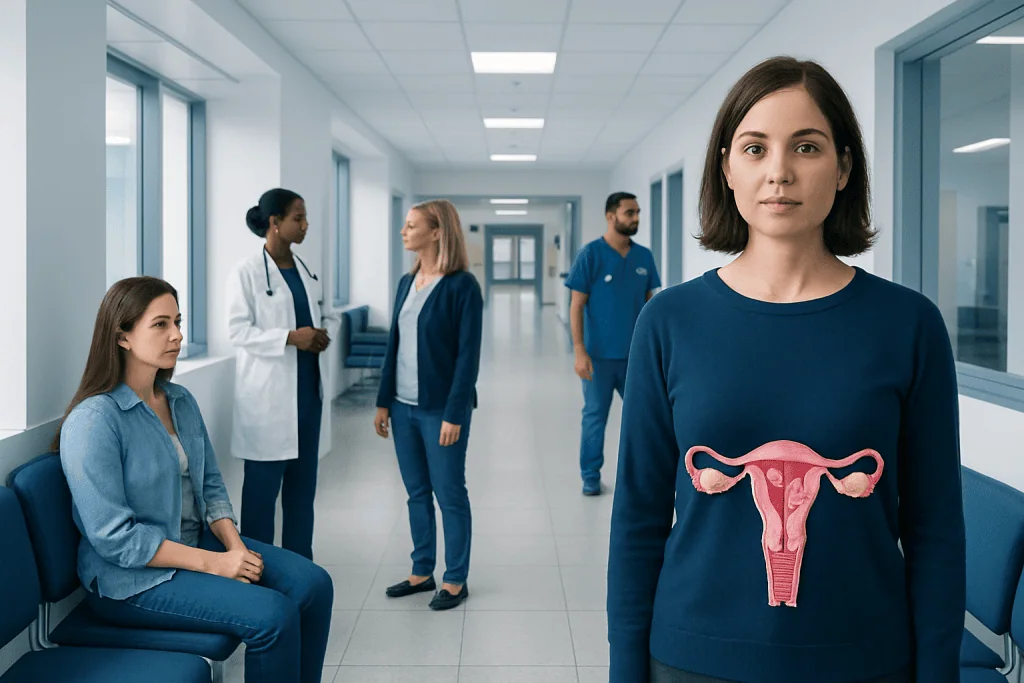
Uterine fibroids are benign growths of uterine muscle and are not the same as cancer. Symptoms depend on fibroid size, number, and location; heavy periods and pelvic pressure are common.
Key Takeaways
- Uterine fibroids are benign growths of uterine muscle and are not the same as cancer.
- Symptoms depend on fibroid size, number, and location; heavy periods and pelvic pressure are common.
- Diagnosis usually involves a pelvic examination and imaging, most often ultrasound.
- Treatment is individualized according to symptoms, age, fertility plans, fibroid features, and personal preferences.
- Urgent medical care is needed for very heavy bleeding, severe pain, fainting, or signs of anemia.
Uterine fibroids are common noncancerous growths of the uterus that may cause heavy menstrual bleeding, pelvic pressure, pain, or fertility concerns. Many effective options are available, ranging from monitoring and medications to minimally invasive procedures and surgery.
Overview
Uterine fibroids, also called leiomyomas or myomas, are noncancerous growths that develop from the smooth muscle of the uterus. They can be as small as a seed or large enough to enlarge the uterus. A person may have one fibroid or many, and fibroids can grow slowly, remain stable, or shrink over time, especially after menopause.
Fibroids are common during the reproductive years, but not everyone who has them needs treatment. Some are found incidentally during a routine pelvic examination, ultrasound, fertility assessment, or pregnancy scan. Others cause symptoms that affect daily life, such as heavy periods, pelvic pressure, frequent urination, constipation, or pain during sex.
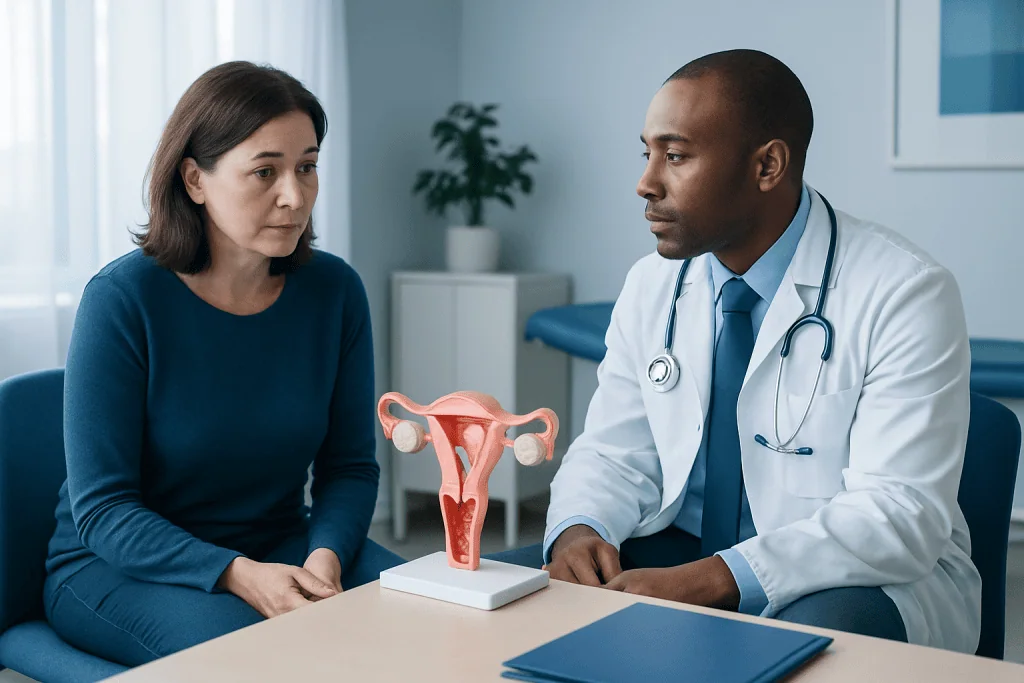
The impact of fibroids depends largely on where they are located. Submucosal fibroids grow toward the lining of the uterus and are more likely to cause heavy bleeding or fertility problems. Intramural fibroids grow within the uterine wall, while subserosal fibroids grow outward from the uterus and may cause pressure symptoms. A pedunculated fibroid grows on a stalk and can sometimes cause sudden pain if it twists.
Symptoms: Heavy Periods and Pressure Signs
Many people with uterine fibroids have no symptoms. When symptoms occur, heavy menstrual bleeding is one of the most frequent concerns. Periods may last longer than usual, require frequent pad or tampon changes, include large clots, or cause fatigue and shortness of breath from iron-deficiency anemia.
Fibroids can also create a feeling of fullness or pressure in the lower abdomen. Depending on their size and position, they may press on the bladder, causing frequent urination or difficulty emptying the bladder. Pressure on the bowel may contribute to constipation, bloating, or discomfort during bowel movements.
Other possible symptoms include pelvic pain, lower back pain, pain during sexual intercourse, and an enlarged abdomen that may feel similar to early pregnancy. Some people experience spotting between periods or bleeding after sex, although these symptoms can have many causes and should be assessed by a clinician.
- Heavy or prolonged menstrual periods
- Pelvic pressure, bloating, or a feeling of heaviness
- Frequent urination or bladder pressure
- Constipation or rectal pressure
- Pelvic, back, or leg pain
- Difficulty becoming pregnant or recurrent pregnancy loss in selected cases
Causes and Risk Factors
The exact cause of uterine fibroids is not fully understood, but they are influenced by hormones, genetics, and growth factors within uterine tissue. Estrogen and progesterone appear to support fibroid growth, which helps explain why fibroids often develop during the reproductive years and may shrink after menopause when hormone levels decline.
Family history plays an important role. A person is more likely to develop fibroids if a close relative has had them. Fibroids are also diagnosed more often and at younger ages in some populations, particularly people of African ancestry. These differences are thought to involve a combination of genetic, biological, and environmental factors.
Other factors may influence risk, but no single lifestyle habit causes fibroids. Early onset of menstruation, never having given birth, obesity, and certain dietary patterns have been associated with higher risk in some studies. Pregnancy and childbirth may be associated with a lower risk, although fibroids can also be discovered during pregnancy.
It is important for patients to know that fibroids are not caused by anything they did wrong. They are common benign tumors of the uterus, and having fibroids does not mean a person has uterine cancer. However, symptoms such as abnormal bleeding should always be evaluated because several gynecologic conditions can cause similar complaints.
Diagnosis
Diagnosis begins with a medical history and pelvic examination. A clinician will ask about menstrual bleeding, pain, urinary or bowel symptoms, pregnancy plans, prior surgeries, medications, and any history of anemia. During the pelvic examination, the uterus may feel enlarged, irregular, or tender, although smaller fibroids may not be detectable by touch.
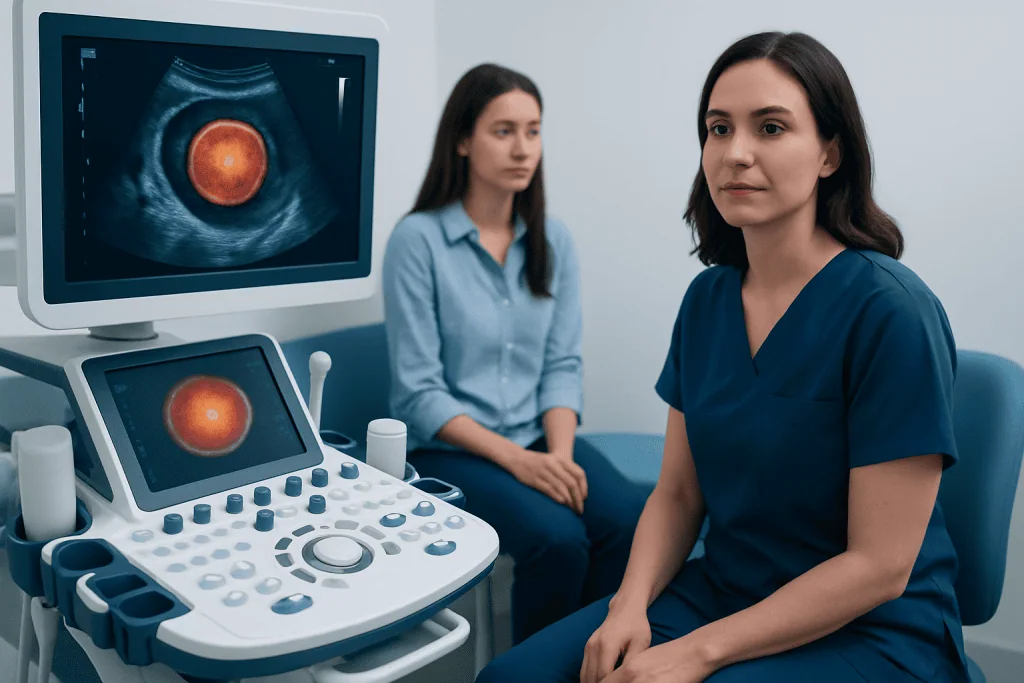
Ultrasound is the most common imaging test used to confirm fibroids. It may be performed through the abdomen or transvaginally, depending on the situation. Ultrasound can often show fibroid size, number, and location, and it helps distinguish fibroids from other conditions such as ovarian cysts or adenomyosis.
Additional tests may be recommended when more detail is needed. Magnetic resonance imaging can map fibroids before certain procedures or clarify complex findings. Saline infusion sonography or hysteroscopy may be used to view the inside of the uterine cavity, especially when heavy bleeding or fertility problems suggest a submucosal fibroid.
Blood tests may be used to check for anemia, iron deficiency, thyroid problems, or pregnancy when appropriate. In some cases, an endometrial biopsy may be advised to evaluate abnormal uterine bleeding, particularly in people over a certain age or with risk factors for endometrial disease.
Treatment Options
Treatment for uterine fibroids is highly individualized. Some people need only observation, especially if fibroids are small, symptoms are mild, or menopause is approaching. Watchful waiting usually includes symptom tracking and periodic examinations or imaging, depending on the clinical situation.
Medicines may help manage bleeding, pain, or anemia but usually do not remove fibroids permanently. Options may include nonsteroidal anti-inflammatory medicines for menstrual pain, hormonal contraceptives or progestin-releasing intrauterine systems for bleeding control, and tranexamic acid for heavy menstrual bleeding in selected patients. Iron supplementation may be recommended when blood loss has caused iron deficiency. Hormone-modulating treatments, such as gonadotropin-releasing hormone medicines, can shrink fibroids temporarily and may be used before surgery or for short-term symptom relief under specialist supervision.
Procedural treatments may be considered when symptoms are significant or medication is not effective. Uterine fibroid embolization reduces blood flow to fibroids, causing them to shrink. Radiofrequency ablation and focused ultrasound are minimally invasive options in selected cases. Hysteroscopic myomectomy can remove fibroids that bulge into the uterine cavity through the cervix, without abdominal incisions.
Surgery may be recommended based on fibroid size, location, symptoms, and fertility goals. Myomectomy removes fibroids while preserving the uterus and may be chosen by people who wish to become pregnant in the future. Hysterectomy removes the uterus and is the only definitive treatment that prevents fibroids from returning, but it is not appropriate for those who want future pregnancy. The decision should be made after a careful discussion of benefits, risks, recovery time, recurrence, and alternatives.
Fibroids, Fertility, and Pregnancy
Many people with fibroids become pregnant and have healthy pregnancies. However, some fibroids can affect fertility or pregnancy depending on their size and location. Fibroids that distort the uterine cavity, especially submucosal fibroids, may interfere with embryo implantation or increase the risk of miscarriage in some patients.
During pregnancy, fibroids may grow, remain stable, or occasionally become painful because of changes in blood supply. Some are associated with a higher chance of breech position, cesarean delivery, preterm birth, or postpartum bleeding, but most pregnancies with fibroids are managed successfully with monitoring. Treatment during pregnancy is usually conservative unless there is a specific complication.
People planning pregnancy should discuss fibroids with a gynecologist or fertility specialist, especially if they have heavy bleeding, recurrent pregnancy loss, infertility, or known fibroids that distort the uterine cavity. The specialist may recommend imaging and, in selected cases, removal of particular fibroids before attempting pregnancy. Not all fibroids need to be removed before conception.
Prevention and Self-care
There is no guaranteed way to prevent uterine fibroids, but general health measures may support overall hormonal and metabolic balance. Maintaining a healthy weight, staying physically active, managing blood pressure, and eating a balanced diet rich in vegetables, fruits, whole grains, and lean proteins can contribute to better overall reproductive health.
Self-care focuses on symptom awareness and reducing the impact of heavy bleeding or pain. Keeping a menstrual diary can help patients describe bleeding patterns accurately to their clinician. It may be useful to note the number of pads or tampons used, whether clots are present, pain severity, missed work or school days, and urinary or bowel symptoms.
If heavy periods are present, patients should ask whether testing for anemia is appropriate. Symptoms such as fatigue, dizziness, headaches, pale skin, or shortness of breath with exertion can be related to iron deficiency. Iron should be taken only as advised by a healthcare professional, as the right approach depends on blood test results and individual health factors.
Heat therapy, gentle movement, adequate hydration, and rest may help with menstrual discomfort. However, self-care should not replace medical evaluation when bleeding is heavy, symptoms are worsening, or pain is new or severe. A personalized care plan is the safest way to manage fibroids over time.
When to See a Doctor
A medical appointment is recommended when periods become heavier or longer than usual, bleeding occurs between periods, pelvic pressure interferes with daily activities, or urinary and bowel symptoms persist. Evaluation is also important for people who are trying to conceive, have repeated pregnancy loss, or have been told they have fibroids and are unsure whether treatment is needed.
Urgent care should be sought for bleeding that soaks through pads very quickly, fainting, chest pain, severe weakness, sudden severe pelvic pain, fever, or suspected pregnancy with pain or bleeding. These symptoms may require prompt assessment to rule out anemia, infection, pregnancy complications, or other urgent conditions.
Patients benefit from seeing a gynecologist who can explain the type of fibroids present and compare treatment options in relation to personal goals. Questions to ask include: Where are the fibroids located? Are they likely to be causing the symptoms? What are the non-surgical and surgical choices? How might each option affect fertility, pregnancy, recovery, and the chance of recurrence?
For international patients, Acibadem International offers access to multidisciplinary specialists and JCI-accredited hospitals that diagnose and treat uterine fibroids using individualized care pathways. As with any condition, the best treatment choice should be made after consultation with a qualified doctor who can review the patient’s full medical history and test results.
Frequently asked questions
Are uterine fibroids cancer?
Uterine fibroids are benign growths and are not the same as cancer. Very rarely, a cancerous tumor can occur in the uterine muscle, but it is not usually thought to develop from a typical fibroid. Any rapidly worsening symptoms or unusual bleeding should be assessed by a doctor.
Do all fibroids need to be removed?
No. Many fibroids do not cause symptoms and can be monitored without treatment. Removal or another procedure may be considered if fibroids cause heavy bleeding, pain, pressure, anemia, fertility concerns, or significant quality-of-life problems.
Can fibroids cause heavy periods and anemia?
Yes. Fibroids, especially those near or within the uterine lining, can cause heavy or prolonged menstrual bleeding. Over time, this may lead to iron-deficiency anemia, which can cause fatigue, dizziness, weakness, and shortness of breath with activity.
Can someone get pregnant with fibroids?
Many people with fibroids can become pregnant and have healthy pregnancies. Some fibroids, particularly those that distort the uterine cavity, may affect fertility or miscarriage risk. A gynecologist or fertility specialist can advise whether treatment is recommended before pregnancy.
What is the difference between myomectomy and hysterectomy?
Myomectomy removes fibroids while preserving the uterus, so it may be suitable for people who want future pregnancy. Hysterectomy removes the uterus and permanently prevents fibroids from returning, but pregnancy is no longer possible afterward. The choice depends on symptoms, age, fertility plans, fibroid features, and patient preference.
Can fibroids come back after treatment?
Fibroids can recur after treatments that preserve the uterus, such as myomectomy or some minimally invasive procedures. The chance of recurrence varies by age, number of fibroids, and individual factors. Hysterectomy is the only definitive treatment that prevents uterine fibroids from returning.
References
- American College of Obstetricians and Gynecologists
- Mayo Clinic
- National Institute for Health and Care Excellence
- Office on Women’s Health
- World Health Organization
This article is for general information only and is not a substitute for professional medical advice. Please consult a qualified doctor about your individual situation.
Uterine Fibroids in Turkey — costs, top hospitals & a free quote
JCI-accredited · board-certified surgeons · reply within 24h