Ice Zit: What Patients Need to Know

An ice zit is usually a deep inflamed acne lesion, often called a blind pimple. Squeezing or picking can worsen inflammation, increase pain, and raise the risk of scarring.
Key Takeaways
- An ice zit is usually a deep inflamed acne lesion, often called a blind pimple.
- Squeezing or picking can worsen inflammation, increase pain, and raise the risk of scarring.
- Warm compresses, gentle cleansing, and non-comedogenic skin care may help it settle.
- Repeated or severe ice zits can be a sign of more persistent acne that may need medical treatment.
- Medical care is important if the bump becomes very painful, spreads, drains heavily, or causes scarring.
An ice zit is a common term for a deep, inflamed pimple that forms under the skin and can feel tender, swollen, and slow to come to a head. Most improve with time and gentle skin care, but some need medical treatment, especially if they are severe, recurrent, or leave scars.
Overview: What Is an Ice Zit?
An ice zit is a non-medical term many people use for a deep, painful pimple that develops beneath the surface of the skin. It often feels like a firm lump, may look red or swollen, and usually does not have an obvious whitehead at first. In dermatology, this type of bump is often described as a blind pimple or a deeper inflammatory acne lesion.
These lesions form when pores become blocked with oil, dead skin cells, and bacteria, leading to inflammation in deeper layers of the skin. Because they sit below the surface, ice zits can be more tender and may last longer than smaller surface pimples. They are common on the face, jawline, chin, chest, back, and shoulders.
Although an ice zit can be uncomfortable, it is usually not dangerous. The main concerns are pain, lingering redness, and the possibility of marks or scars if it is squeezed or repeatedly irritated. Understanding what it is—and what not to do—can make care safer and more effective.
How an Ice Zit Feels and Looks
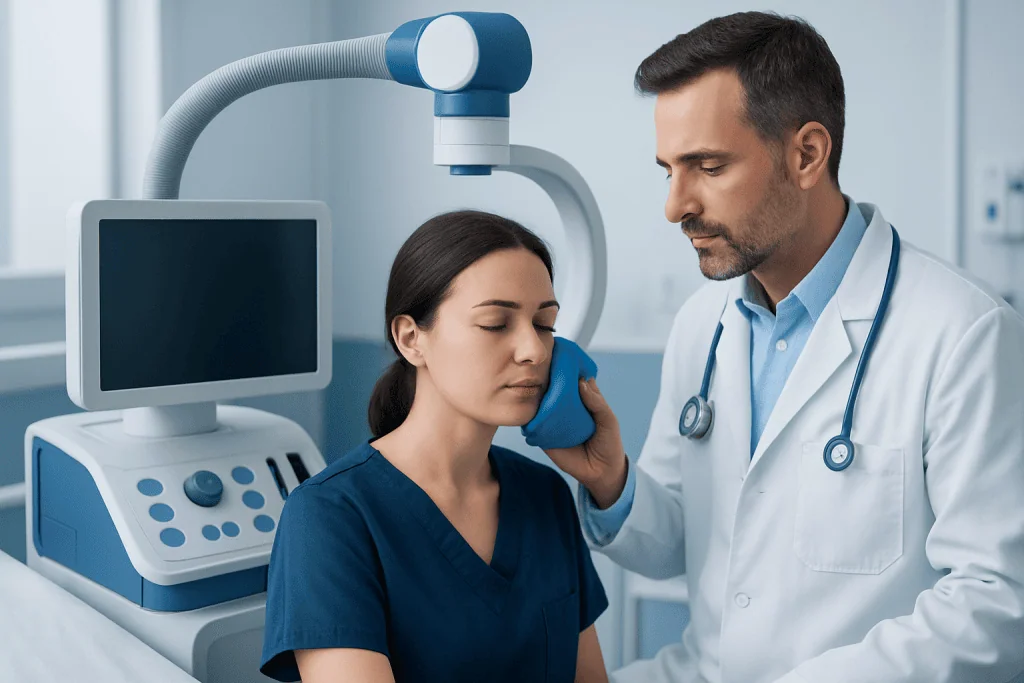
Unlike a blackhead or a small whitehead, an ice zit often begins as a sore area under the skin. It may feel like a hard knot, a tender bump, or a swollen spot that hurts when touched. Some people notice warmth, throbbing, or a sense of pressure before much can be seen on the surface.
Its appearance can vary. In some cases, the skin becomes red and raised. In others, the bump is more noticeable by touch than by sight. Over time, it may soften or form a visible head, but many do not. They often seem to “linger” because the inflammation is deeper than with mild acne.
Features that are common include:
- Deep tenderness or pain
- A firm or swollen lump under the skin
- Redness or mild warmth around the area
- No visible opening or white center at first
- Slow healing compared with small pimples
People sometimes confuse an ice zit with other skin problems, such as a small cyst, ingrown hair, or a skin infection. If a bump looks unusual, keeps growing, or behaves differently from a typical pimple, a clinician can help clarify the cause.
Why Ice Zits Happen: Causes and Triggers

Ice zits usually develop as part of acne. Acne starts when hair follicles become blocked by sebum, which is the skin’s natural oil, along with dead skin cells. When this blocked pore becomes inflamed, the reaction can extend deeper into the skin and create a painful lump.
Hormonal shifts are a common trigger. Many people notice deeper breakouts around puberty, menstrual cycles, times of stress, or hormonal conditions that increase oil production. Family history can also play a role, as some individuals are more prone to inflammatory acne than others.
Other factors may contribute by increasing irritation or clogging pores:
- Heavy or pore-clogging skin care and makeup products
- Frequent touching, rubbing, or picking at the skin
- Sweat and friction from masks, helmets, or tight clothing
- Certain medications that affect hormones or inflammation
- Underlying acne tendency, including acne that is moderate to severe
Diet is discussed often, but its role varies from person to person. For some, patterns such as high-glycemic foods or certain dairy products may be associated with worse acne, but this is not the sole cause. A balanced approach is usually more helpful than focusing on a single trigger.
What to Do at Home—and What to Avoid
The safest first step for an ice zit is gentle skin care. Washing the face with a mild cleanser twice daily and avoiding harsh scrubs can reduce further irritation. A warm compress applied for short periods may help the area feel more comfortable and may encourage the lesion to settle naturally.
Over-the-counter acne products may help some people, especially when used consistently. Ingredients such as benzoyl peroxide, salicylic acid, or adapalene are commonly used for acne-prone skin, but they can also cause dryness or irritation if overused. It is generally best to introduce one active product at a time and follow package directions or a clinician’s advice.
What matters just as much is what not to do. Squeezing, lancing, or trying to “pop” a deep zit can push inflammation further into the skin. This can increase pain, prolong healing, and make scarring or dark marks more likely.
- Do use gentle, non-comedogenic skin care
- Do avoid picking or frequent touching
- Do use sunscreen daily, especially if marks linger
- Do not apply multiple strong treatments all at once
- Do not try to drain a deep bump with needles or tools at home
When an Ice Zit May Need Medical Evaluation
Many ice zits improve on their own, but some deserve medical attention. A dermatologist or other qualified doctor may need to evaluate a bump if it is very painful, keeps returning in the same place, lasts for weeks, or leaves pits or dark spots behind. Recurrent deep lesions can point to a form of inflammatory acne that benefits from more targeted care.
Medical evaluation is also sensible if there are signs that the lesion may not be a simple acne spot. A rapidly enlarging lump, significant surrounding redness, fever, heavy drainage, or tenderness that spreads beyond the bump can suggest infection or another condition. This is especially important if the lesion is near the eye, inside the nose, or in an area with broken skin.
A short checklist for seeking care includes:
- The bump is severe, very painful, or interferes with daily activities
- There is spreading redness, warmth, or pus drainage
- Ice zits keep recurring or appear in clusters
- Scarring or persistent discoloration is developing
- Home care is not helping after a reasonable period
For patients with widespread or repeated breakouts, clinicians may also evaluate for cystic acne or other acne patterns that can require prescription treatment rather than spot care alone.
How Doctors Diagnose and Treat Deeper Acne Lesions
Diagnosis is usually based on a skin examination and a discussion of symptoms, skin care habits, medications, and acne history. Most ice zits do not require scans or laboratory tests. However, if a lesion is unusual, persistent, or repeatedly inflamed, the doctor may consider other diagnoses such as an epidermoid cyst, folliculitis, or a localized skin infection.
Treatment depends on severity and how often lesions occur. For occasional deep pimples, a doctor may recommend a stronger topical routine or a targeted anti-inflammatory treatment. When inflammatory acne is more widespread, treatment may include prescription creams, oral medicines, or other therapies aimed at reducing oil production, bacterial overgrowth, and inflammation.
In selected cases, procedural treatment can help. Some patients benefit from dermatologic procedures related to acne treatment, while lingering scars or texture changes may later be addressed with options used in skin rejuvenation. If a doctor suspects a non-acne bump, management may differ and can include drainage or removal in appropriate cases.
Near the end of the care pathway, some patients may also need advice on scar prevention and cosmetic recovery. Acibadem International’s multidisciplinary specialists in JCI-accredited hospitals diagnose and treat acne-related conditions for international patients when specialist assessment is needed.
Preventing Future Ice Zits
Preventing deep pimples usually means lowering the chance of pores becoming blocked and reducing irritation that drives inflammation. A simple, regular routine often works better than frequent product changes. This usually includes gentle cleansing, moisturization suited to acne-prone skin, and daily sunscreen that is labeled non-comedogenic.
People who are prone to ice zits may benefit from using acne-prevention products consistently rather than only when a bump appears. This is because deeper lesions can begin forming before they are visible. If breakouts cluster around the jawline or follow a hormonal pattern, a doctor may suggest broader acne management rather than treating each spot individually.
Helpful prevention steps include:
- Choose oil-free or non-comedogenic makeup and skin products
- Remove makeup before sleep
- Shower after heavy sweating when possible
- Clean items that touch the skin, such as phone screens and sports gear
- Avoid friction and pressure from tight headwear or straps
- Seek help early if acne is becoming deeper or starting to scar
Prevention is not about perfect skin or strict rules. It is about reducing triggers, protecting the skin barrier, and getting medical guidance when patterns suggest more persistent acne.
A Practical Outlook for Patients
An ice zit can be frustrating because it is often painful, visible, and slow to heal. Still, it is usually manageable with patience and the right approach. Gentle care, avoiding squeezing, and recognizing when a lesion is more than a one-time breakout can make a meaningful difference.
For many people, a single deep pimple does not signal a serious problem. But repeated ice zits, scarring, or widespread inflammation are good reasons to move beyond home remedies and speak with a doctor. Early treatment can help control symptoms and may reduce the chance of long-term skin changes.
If the bump seems unusual, severe, or infected, patients should not try to diagnose it on their own. A qualified clinician can determine whether it is acne, a cyst, or another skin condition and suggest the most appropriate next step.
Frequently asked questions
Is an ice zit the same as a blind pimple?
Usually, yes. "Ice zit" is an informal term people use for a deep, painful pimple under the skin, and "blind pimple" is a common term for the same type of lesion. Doctors usually describe it as a deeper inflammatory acne lesion.
Should an ice zit be popped?
No. Popping a deep zit often pushes inflammation further into the skin and can increase pain, swelling, and the risk of scarring. It may also delay healing and cause lingering discoloration.
How long does an ice zit usually last?
The timing varies, but deep pimples often last longer than surface whiteheads. Some settle within days, while others can remain tender or swollen for several weeks. If one lasts unusually long or keeps returning, medical advice is reasonable.
Can an ice zit go away without coming to a head?
Yes. Many deep acne lesions improve gradually without ever forming a visible white center. The inflammation may simply decrease over time, leaving temporary redness or a mark that fades slowly.
What helps an ice zit at home?
Gentle cleansing, a warm compress, and acne-friendly skin care may help. Some over-the-counter products used for acne can be useful, but over-treating the area with multiple harsh products can make irritation worse. Avoid picking and keep the routine simple.
When should someone see a doctor for an ice zit?
Medical care is a good idea if the bump is very painful, rapidly enlarging, repeatedly returns, or causes scars. Patients should also seek care if there is spreading redness, heavy drainage, fever, or concern that it may not be a pimple.
References
- American Academy of Dermatology
- National Institute of Arthritis and Musculoskeletal and Skin Diseases
- Mayo Clinic
- NHS
- Merck Manual
This article is for general information only and is not a substitute for professional medical advice. Please consult a qualified doctor about your individual situation.
Explore treatments in Turkey — costs, top hospitals & a free quote
JCI-accredited · board-certified surgeons · reply within 24h