Fever After Surgery: Normal Recovery or Possible Infection?

A low-grade fever soon after surgery is common and may reflect normal inflammation and healing. Fever that lasts beyond the early recovery period, rises, or comes with chills, wound changes, breathing symptoms, or increasing pain may need medical evaluation.
Key Takeaways
- A low-grade fever soon after surgery is common and may reflect normal inflammation and healing.
- Fever that lasts beyond the early recovery period, rises, or comes with chills, wound changes, breathing symptoms, or increasing pain may need medical evaluation.
- Possible causes include normal postoperative inflammation, surgical site infection, urinary infection, lung infection, medication reaction, or less commonly a blood clot.
- Doctors evaluate postoperative fever by reviewing symptoms, checking the wound, measuring vital signs, and ordering tests only when needed.
- Good wound care, hand hygiene, deep-breathing exercises, early safe movement, hydration, and following discharge instructions can support recovery.
A mild fever after surgery can be part of the body’s normal healing response, especially in the first day or two. Fever that is high, persistent, or accompanied by worsening symptoms should be discussed with a qualified healthcare professional.
Overview
Fever after surgery, also called postoperative fever, means the body temperature rises above the expected range during recovery from an operation. For many patients, a mild temperature increase in the first 24 to 48 hours is not unusual. Surgery is a controlled injury to the body, and healing involves inflammation, immune activity, changes in fluid balance, and sometimes temporary effects from anesthesia or medications.
However, fever can also be an early sign that the body needs attention. An infection at the surgical site, a urinary tract infection, pneumonia, an intravenous line infection, or another complication may cause fever during the days or weeks after an operation. The meaning of a fever depends on its timing, how high it is, the type of surgery performed, the patient’s overall health, and whether other symptoms are present.
Patients should not feel they must decide on their own whether a fever is normal or concerning. The safest approach is to follow the discharge instructions provided by the surgical team and contact a healthcare professional if the fever is high, persistent, or accompanied by new or worsening symptoms. Early advice often helps distinguish routine recovery from a problem that needs treatment.
What Counts as Fever After Surgery?
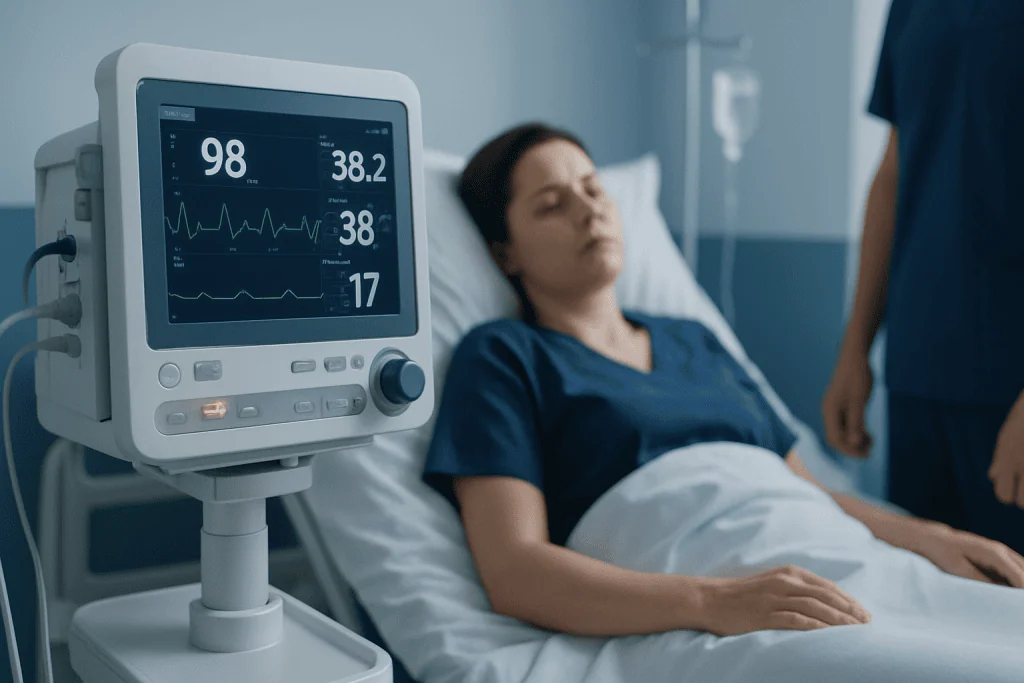
In many clinical settings, a temperature of 38°C or higher is considered a fever. Some people normally run slightly warmer or cooler, and measurement methods can vary. Oral, ear, forehead, and rectal thermometers may give different readings, so it is helpful to use the same thermometer and method consistently unless a doctor advises otherwise.
A low-grade fever shortly after surgery may occur without infection. It can be related to the body’s inflammatory response, mild dehydration, reduced deep breathing after anesthesia, or normal tissue healing. This type of fever often improves with time, fluids if allowed, gentle movement, and breathing exercises recommended by the care team.
Fever becomes more important when it is higher, keeps returning, continues beyond the first few days, or appears together with other symptoms. A single temperature reading is only one part of the picture. Doctors also consider heart rate, blood pressure, oxygen level, pain pattern, the appearance of the incision, and how the patient feels overall.
Symptoms That May Accompany Postoperative Fever

Some symptoms can occur during normal recovery, such as tiredness, mild incision discomfort, reduced appetite, or temporary constipation. These should gradually improve. Fever associated with recovery usually does not come with rapidly worsening pain, spreading redness, shortness of breath, confusion, or significant drainage from the incision.
Patients should pay attention to symptoms that may suggest infection or another postoperative complication. These include shaking chills, increasing pain instead of improving pain, swelling or warmth around the wound, pus-like or foul-smelling drainage, or redness that spreads beyond the incision. A wound that opens, bleeds heavily, or becomes increasingly tender should also be assessed.
Other symptoms may point away from the incision and toward another source of fever. Burning during urination, frequent urination, cough, chest discomfort, shortness of breath, calf swelling, severe headache, vomiting, or new confusion should be reported promptly. The surgical team can guide whether the patient should be monitored at home, seen in clinic, or evaluated urgently.
Possible Causes and Risk Factors
The most common explanation for fever soon after surgery is the body’s normal response to tissue healing. Inflammation increases immune activity and may raise temperature temporarily. Pain, limited movement, not drinking enough fluids, and shallow breathing after anesthesia can also contribute to feeling warm or unwell during the early recovery period.
Infections are another important cause. A surgical site infection can develop in the skin, deeper tissues, or the area where surgery was performed. Other postoperative infections may involve the lungs, urinary tract, bloodstream, or intravenous catheter site. The source often depends on the type of operation, how long urinary catheters or IV lines were used, and the patient’s medical conditions.
Risk factors that may increase the chance of postoperative infection or delayed healing include diabetes, smoking, obesity, poor nutrition, weakened immunity, long or complex surgery, emergency surgery, and certain implanted devices or prosthetic materials. Older adults and people with chronic lung, kidney, or heart disease may also need closer observation. These factors do not mean infection will happen, but they help doctors decide how carefully to monitor symptoms.
Less common non-infectious causes of fever include reactions to certain medications, blood transfusion reactions, inflammation from blood clots, or flare-ups of existing inflammatory conditions. Because causes can overlap, persistent postoperative fever is best evaluated by a clinician familiar with the patient’s operation and medical history.
How Doctors Diagnose the Cause
Diagnosis begins with a focused conversation and physical examination. The doctor or nurse will ask when the fever started, how high it has been, whether it improves with approved fever-reducing medicine, and which symptoms are present. They will also review the procedure performed, the date of surgery, current medications, wound care, and any catheters, drains, or implanted devices.
The incision is usually checked for redness, warmth, swelling, drainage, tenderness, or separation. Vital signs such as heart rate, blood pressure, breathing rate, and oxygen level help determine how stable the patient is. The chest, abdomen, legs, and urinary symptoms may also be assessed depending on the operation and complaints.
Tests are not always necessary for a mild early fever with no other concerning findings. When evaluation is needed, doctors may order blood tests, urine testing, wound cultures, blood cultures, chest X-ray, ultrasound, CT scan, or other imaging. The choice of tests is individualized so that the patient is not over-tested but important problems are not missed.
Treatment Options
Treatment depends on the cause, the severity of fever, and the patient’s overall condition. For a mild fever soon after surgery with no signs of infection, the care team may recommend observation, adequate fluids if permitted, deep-breathing exercises, walking as allowed, and taking prescribed or approved medications as directed. Patients should avoid taking additional over-the-counter medicines unless their doctor says they are safe after the specific surgery.
If infection is suspected, treatment may include antibiotics, wound care changes, drainage of fluid or pus, removal or replacement of a catheter, or additional procedures to control the source of infection. Antibiotics are most effective when used for the right reason and, when possible, guided by cultures. Patients should not use leftover antibiotics or stop prescribed antibiotics early without medical advice.
Supportive care is also important. Pain control can help patients breathe deeply and move safely, which lowers the risk of some recovery-related complications. Managing blood sugar, nutrition, hydration, and underlying medical conditions may improve healing. The surgical team will explain which activities are safe and which symptoms should trigger follow-up.
Prevention and Self-Care During Recovery
Patients can reduce some risks by following the discharge plan closely. Wounds should be kept clean and dry according to instructions, and dressings should be changed only as advised. Hands should be washed before and after touching the incision area, drains, or dressings. The incision should not be soaked in a bath, pool, or hot tub until the surgeon confirms it is safe.
Breathing and movement matter after many operations. If an incentive spirometer was provided, patients should use it as instructed. Gentle walking, leg exercises, and changing position can support circulation and lung expansion, as long as activity restrictions are respected. Patients should avoid smoking and should ask for help with stopping if needed, because smoking can slow wound healing.
Helpful self-care steps often include:
- Taking temperature as instructed, especially if feeling unwell.
- Keeping follow-up appointments and bringing a list of symptoms or questions.
- Taking medicines exactly as prescribed, including pain medicines and blood thinners if ordered.
- Drinking fluids and eating protein-rich, balanced meals if permitted.
- Calling the care team before applying creams, powders, or antiseptics to the incision unless prescribed.
When to See a Doctor
Patients should contact their surgeon or healthcare provider if they have a temperature of 38°C or higher that persists, a fever that develops after initially feeling better, or any fever accompanied by worsening symptoms. Medical advice is especially important when there are chills, increasing incision pain, spreading redness, pus-like drainage, new urinary symptoms, cough, shortness of breath, calf swelling, repeated vomiting, dizziness, or confusion.
Urgent evaluation may be needed if the patient feels very weak, has difficulty breathing, has chest pain, cannot keep fluids down, has a rapidly worsening wound, or has a very high fever. People with weakened immunity, complex surgery, implanted devices, diabetes, or significant heart, lung, or kidney disease should have a lower threshold for contacting their care team.
For international patients, clear aftercare planning is particularly important because recovery may involve travel and coordination between medical teams. Acibadem International’s multidisciplinary specialists and JCI-accredited hospitals diagnose and treat postoperative concerns, including fever after surgery, for international patients when in-person assessment is needed. Any patient recovering at home should still follow the specific instructions from their own surgeon, as these are tailored to the procedure performed.
Frequently asked questions
Is a low-grade fever after surgery normal?
A mild temperature rise during the first 24 to 48 hours can be part of normal healing after surgery. It may relate to inflammation, reduced deep breathing, mild dehydration, or the effects of anesthesia. However, the surgical team should be contacted if the fever is high, persistent, or comes with new symptoms.
How long can fever last after surgery?
A short-lived low-grade fever may improve within a day or two, depending on the operation and the patient’s condition. Fever that lasts longer than expected, returns after improvement, or appears several days after surgery should be discussed with a healthcare professional. Timing helps doctors identify whether normal recovery or infection is more likely.
What fever level should prompt a call to the doctor?
Many discharge instructions advise calling for a temperature of 38°C or higher, but patients should follow the threshold given by their own surgical team. A very high fever, repeated fever readings, or fever with chills, worsening pain, wound drainage, breathing symptoms, or confusion should be reported promptly. When in doubt, it is safer to ask for medical guidance.
Can a surgical wound infection occur without fever?
Yes. Some wound infections cause local symptoms such as increasing redness, warmth, swelling, pain, or drainage without a clear fever. Older adults and people with weakened immunity may have less obvious fever responses. Any wound that looks worse rather than better should be assessed.
Should patients take fever-reducing medicine after surgery?
Patients should only take fever-reducing medicine that is approved by their doctor, because some medications may not be suitable after certain operations or with certain medical conditions. These medicines can make a patient feel more comfortable, but they do not treat the underlying cause if an infection is present. Persistent fever should not be managed at home without medical advice.
Does fever always mean antibiotics are needed?
No. Fever after surgery does not always mean there is a bacterial infection, and antibiotics are not helpful for every cause. Doctors decide on antibiotics based on symptoms, examination findings, test results, and the type of surgery. Using antibiotics unnecessarily can cause side effects and contribute to antibiotic resistance.
Can travel after surgery affect fever monitoring?
Travel can make recovery more challenging because fatigue, dehydration, long periods of sitting, and limited access to the original surgical team may complicate aftercare. Patients planning travel should ask their surgeon when it is safe, what symptoms to watch for, and whom to contact if fever develops. Carrying discharge documents and medication lists can help another doctor provide appropriate care if needed.
References
- World Health Organization
- Centers for Disease Control and Prevention
- American College of Surgeons
- National Institute for Health and Care Excellence
- Association for Professionals in Infection Control and Epidemiology
This article is for general information only and is not a substitute for professional medical advice. Please consult a qualified doctor about your individual situation.
Explore treatments in Turkey — costs, top hospitals & a free quote
JCI-accredited · board-certified surgeons · reply within 24h
Check your numbers in seconds
BMI, calories, due date, blood pressure and 30+ more clinical calculators — free, instant, doctor-reviewed ranges.