Lymphedema Rehabilitation: Managing Swelling With Therapy and Compression
Lymphedema is usually a long-term condition, but swelling can often be managed effectively with rehabilitation. Complete decongestive therapy commonly combines manual lymphatic drainage, compression, exercise, and skin care.
Key Takeaways
- Lymphedema is usually a long-term condition, but swelling can often be managed effectively with rehabilitation.
- Complete decongestive therapy commonly combines manual lymphatic drainage, compression, exercise, and skin care.
- Compression bandages or garments must be properly fitted and adjusted as swelling changes.
- Early assessment is important when swelling, heaviness, tightness, or repeated skin infections occur.
- Self-care routines, weight management, safe activity, and skin protection help reduce flare-ups and complications.
Lymphedema rehabilitation is a structured approach to reducing and controlling chronic swelling caused by lymph fluid buildup. With specialist guidance, compression, exercise, skin care, and self-management can help improve comfort, mobility, and daily function.
Overview
Lymphedema is swelling that occurs when lymph fluid does not drain normally and gradually collects in the tissues. It most often affects an arm or leg, but it can also occur in the chest, breast, abdomen, head and neck, or genital area. The condition may feel frustrating because it tends to be chronic, but many people can control symptoms and maintain an active life with the right rehabilitation plan.
Lymphedema rehabilitation focuses on reducing swelling, softening firm tissue, improving movement, protecting the skin, and teaching long-term self-care. It is usually delivered by physiotherapists, occupational therapists, or nurses with specific training in lymphatic care. The plan is individualized because the location, severity, cause, skin condition, lifestyle, and medical history all influence treatment.
The most established approach is often called complete decongestive therapy, or CDT. It may include manual lymphatic drainage, multilayer compression bandaging or compression garments, therapeutic exercise, meticulous skin care, and education. Some patients also benefit from pneumatic compression devices, specialized exercises, or surgical consultation in selected cases, but these decisions should be made with a qualified clinician.
Symptoms and How Lymphedema May Feel
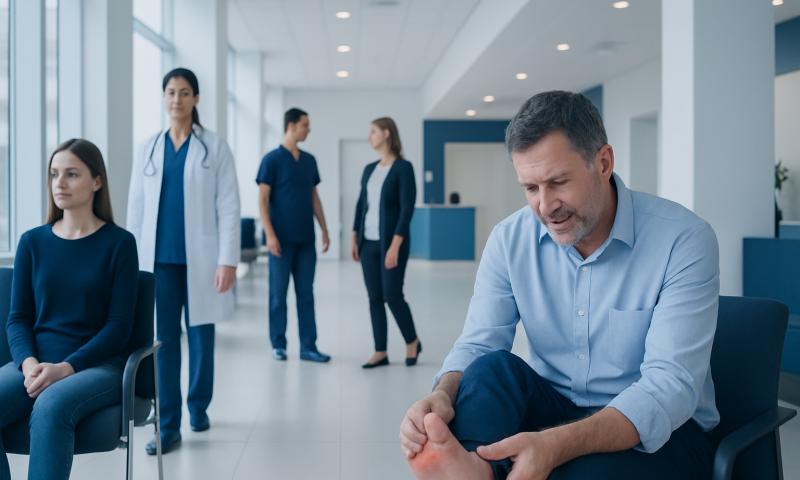
Lymphedema can develop gradually, and early symptoms may be subtle. A person may notice that one limb feels heavier than the other, rings or shoes feel tight, clothing leaves deeper marks, or the skin feels stretched. Swelling may improve overnight at first, then become more persistent over time if the lymphatic system remains overloaded.
Common symptoms include visible swelling, tightness, aching, reduced flexibility, a feeling of fullness, and skin changes. The affected area may feel firm or thickened, especially if swelling has been present for a long time. Some people notice difficulty bending a joint, gripping objects, walking comfortably, or wearing usual clothes and footwear.
Skin health is an important part of lymphedema care. When fluid remains in the tissues, the skin may become dry, fragile, or more prone to small cracks. This can increase the risk of cellulitis, a bacterial skin infection that usually requires prompt medical treatment. Warning signs can include redness, warmth, tenderness, fever, chills, or rapidly increasing swelling.
Causes and Risk Factors

Lymphedema can be primary or secondary. Primary lymphedema is related to lymphatic vessels or nodes that did not develop or function normally. It may appear at birth, around puberty, during adulthood, or later in life. Secondary lymphedema is more common worldwide and develops after the lymphatic system is damaged or blocked.
Secondary lymphedema may occur after cancer treatment, especially lymph node removal or radiation therapy. It can also be linked to trauma, surgery, infection, chronic venous disease, severe inflammation, immobility, or obesity. In some regions, lymphatic filariasis, a parasitic infection, is an important cause. Not everyone with these risk factors develops lymphedema, but awareness helps support earlier care.
Several factors can make swelling harder to control. These include untreated skin infections, reduced physical activity, significant weight gain, poorly fitted compression, and repeated injuries to the affected area. Heat, long periods of standing or sitting, and heavy unaccustomed activity may temporarily worsen swelling in some people. A rehabilitation team can help identify personal triggers and build a practical prevention plan.
Diagnosis and Assessment
Diagnosis usually begins with a medical history and physical examination. The clinician asks when the swelling started, whether it changes during the day, which treatments or surgeries have occurred, and whether there have been infections or pain. They may compare limb size, assess skin texture, check joint movement, and look for signs of venous disease or other causes of swelling.
Measurements are important because they help guide treatment and track progress. A therapist may use tape measurements, limb volume calculations, perometry, bioimpedance spectroscopy, or photographs according to available resources and clinical need. These tools do not replace medical judgment, but they help document changes and adjust compression safely.
Sometimes additional tests are needed to rule out other conditions or clarify the lymphatic problem. Ultrasound may be used to assess veins or soft tissue, while lymphoscintigraphy, indocyanine green lymphography, or MRI-based techniques may be considered in selected cases. Sudden swelling, one-sided calf pain, chest pain, or shortness of breath requires urgent assessment because conditions such as deep vein thrombosis or pulmonary embolism must be excluded.
Lymphedema Rehabilitation and Complete Decongestive Therapy
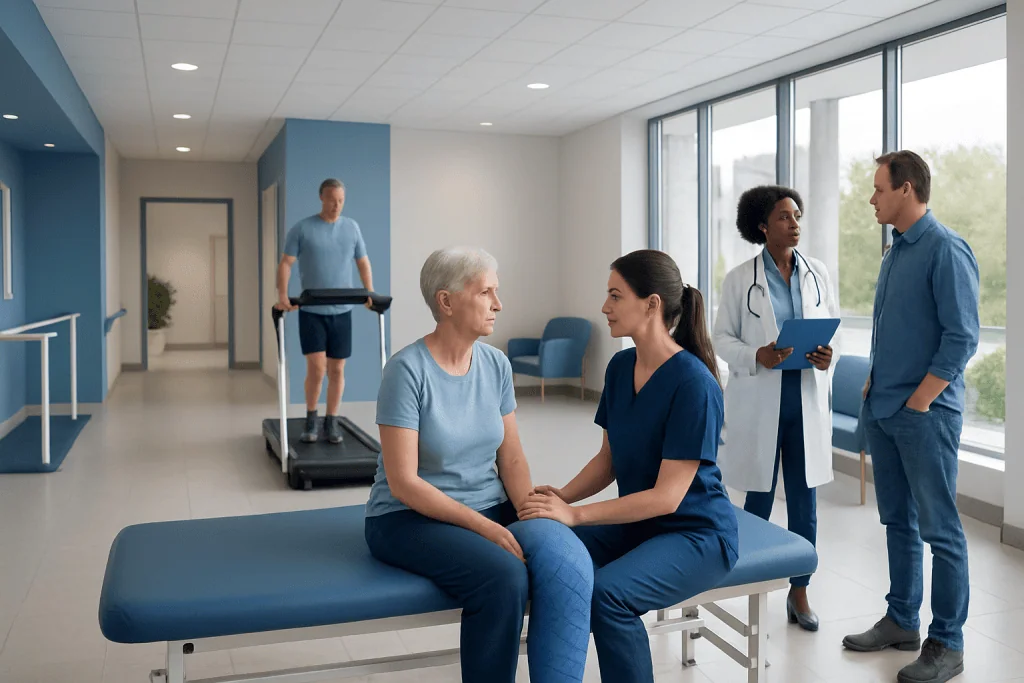
Complete decongestive therapy is commonly organized in two phases. The intensive phase aims to reduce swelling and improve tissue texture. It may involve frequent therapy sessions, manual lymphatic drainage, compression bandaging, exercise, and daily skin care. The maintenance phase focuses on keeping swelling controlled through fitted garments, home exercises, skin protection, and follow-up reviews.
Manual lymphatic drainage is a gentle, specialized technique intended to encourage lymph flow through available pathways. It is not the same as deep tissue massage, and strong pressure is usually avoided because it may irritate tissues. The therapist may also teach simplified self-drainage techniques when appropriate. Manual therapy is most useful when combined with compression and active movement rather than used alone.
Exercise is a key part of rehabilitation because muscle contractions help move lymph fluid. Programs often include gentle range-of-motion exercises, walking, breathing exercises, stretching, and gradual strengthening. Activity should be progressed slowly and comfortably, especially after cancer treatment or surgery. Pain, sudden swelling, or unusual shortness of breath during activity should be discussed with a healthcare professional.
Education is central to long-term success. Patients learn how to monitor swelling, recognize infection signs, care for skin, use compression correctly, and adapt daily routines. The goal is not only to reduce limb size but also to improve confidence, independence, and quality of life.
Compression Therapy: Bandages, Garments, and Devices
Compression is one of the most important tools for controlling lymphedema. It helps limit fluid buildup, supports tissues, and improves the effect of movement. During the reduction phase, therapists may use multilayer short-stretch bandaging because it can be adjusted as swelling decreases. Once the limb is stable, a medical compression garment is usually prescribed for daily use.
Compression garments may include sleeves, gloves, stockings, toe caps, shorts, bras, or custom pieces depending on the affected area. Proper fit is essential. A garment that is too loose may not control swelling, while one that is too tight or rolled can cause pressure marks, numbness, or skin injury. Many patients need re-measurement after swelling changes, weight changes, or several months of wear.
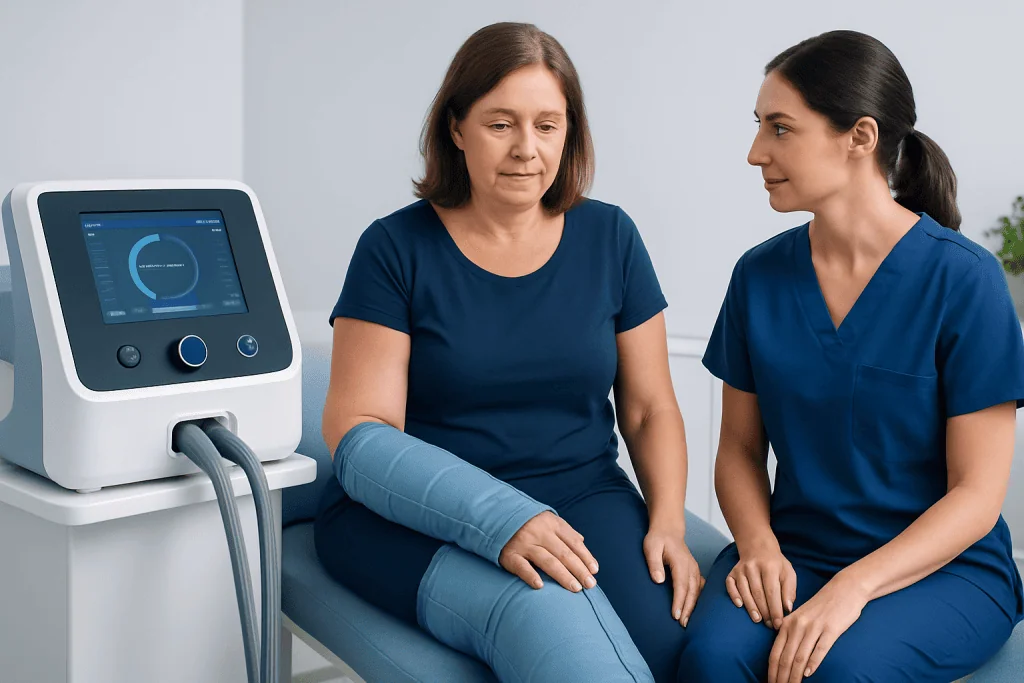
Some people may be offered adjustable Velcro-style wraps, night-time compression systems, or intermittent pneumatic compression pumps. These may be helpful in selected cases, particularly when standard bandaging is difficult or swelling is persistent. However, devices should be used with professional guidance, especially for patients with heart failure, arterial disease, active infection, or complex medical conditions.
Patients should be taught how to put on and remove compression safely. Donning aids, gloves, moisturizers used at the correct time, and garment liners can make daily use easier. If there is tingling, color change, increased pain, skin breakdown, or sudden swelling above or below the garment, the garment should be removed and medical advice should be sought.
Prevention, Self-Care, and Daily Living
Self-care helps reduce flare-ups and supports the results of therapy. Skin should be kept clean, moisturized, and protected from cuts, burns, insect bites, and fungal infections. Small injuries should be cleaned promptly, and persistent redness or warmth should be assessed. Nail care, comfortable footwear, and avoiding tight jewelry or clothing around the affected area may also help.
Movement is generally encouraged. Regular walking, swimming, cycling, yoga, light resistance training, and prescribed exercises can all be appropriate when introduced gradually. People with lymphedema do not usually need to avoid all strength training, but they should progress step by step, use correct technique, and observe how the limb responds. A therapist can provide a safe plan after surgery, radiation therapy, or prolonged inactivity.
Healthy weight management can make lymphedema easier to control for many patients. Balanced meals, adequate hydration, and limiting long periods of stillness may support overall health. There is no single lymphedema diet proven to cure the condition, and extreme diets are not recommended. People with other medical conditions, such as diabetes, kidney disease, or heart disease, should follow individualized dietary advice.
Travel and work routines can usually be adapted. During long journeys, patients may be advised to wear prescribed compression, move regularly, elevate the limb when possible, and stay hydrated. At work, pacing tasks, alternating positions, using protective equipment, and planning rest breaks can reduce strain. The best strategies are those that fit realistically into daily life.
When to See a Doctor
A medical assessment is recommended for new, persistent, or unexplained swelling, especially if it affects one limb more than the other. People who have had lymph node surgery, radiation therapy, recurrent cellulitis, or cancer treatment should seek advice early if they notice heaviness, tightness, visible swelling, or skin changes. Early treatment can often make swelling easier to control.
Urgent care is needed if swelling is sudden or accompanied by severe pain, redness, heat, fever, chills, chest pain, shortness of breath, or a limb that becomes pale, blue, or numb. These symptoms may indicate infection, blood clot, circulation problems, or another condition that requires prompt evaluation. Patients should not start intensive massage or compression for sudden unexplained swelling until serious causes have been excluded.
A referral to a lymphedema-trained rehabilitation professional may be helpful when swelling persists, garments are uncomfortable, infections recur, or daily activities are affected. International patients may also seek coordinated evaluation at centers such as Acibadem International, where multidisciplinary specialists and JCI-accredited hospitals diagnose and treat lymphedema and related conditions. Any treatment plan should be individualized after a full clinical assessment.
Frequently asked questions
Can lymphedema be cured?
Lymphedema is usually considered a long-term condition rather than a condition that is completely cured. However, swelling and symptoms can often be controlled well with rehabilitation, compression, exercise, and skin care. Early treatment and consistent self-management can make a meaningful difference.
What is the main treatment for lymphedema?
The main conservative treatment is often complete decongestive therapy. This combines manual lymphatic drainage, compression, exercise, skin care, and education. The exact plan depends on the cause, severity, location of swelling, and the person’s overall health.
Do compression garments have to be worn every day?
Many patients are advised to wear their prescribed compression garment during the day to maintain swelling control. The schedule may vary depending on the type and stage of lymphedema, skin condition, and medical history. A clinician should confirm the correct pressure level, fit, and wearing routine.
Is exercise safe with lymphedema?
Exercise is generally safe and beneficial when started gradually and guided by symptoms. Muscle movement helps lymph flow, improves flexibility, and supports overall health. Patients should seek advice if exercise causes persistent pain, marked swelling, or unusual fatigue.
Is manual lymphatic drainage the same as massage?
Manual lymphatic drainage is a specialized, gentle technique performed by trained clinicians or taught as a simplified self-care method. It is different from deep massage, which may be too strong for affected tissues. It is usually most effective when combined with compression and movement.
When should swelling be checked urgently?
Swelling should be assessed urgently if it appears suddenly or is accompanied by redness, warmth, fever, chills, severe pain, chest pain, or shortness of breath. These symptoms may indicate infection, a blood clot, or another condition that needs prompt medical care. Sudden unexplained swelling should not be treated with intensive compression or massage until evaluated.
References
- International Society of Lymphology
- National Cancer Institute
- National Health Service
- American Cancer Society
- World Health Organization
This article is for general information only and is not a substitute for professional medical advice. Please consult a qualified doctor about your individual situation.
Explore treatments in Turkey — costs, top hospitals & a free quote
JCI-accredited · board-certified surgeons · reply within 24h