Speech and Swallowing Rehabilitation After Neurological Illness
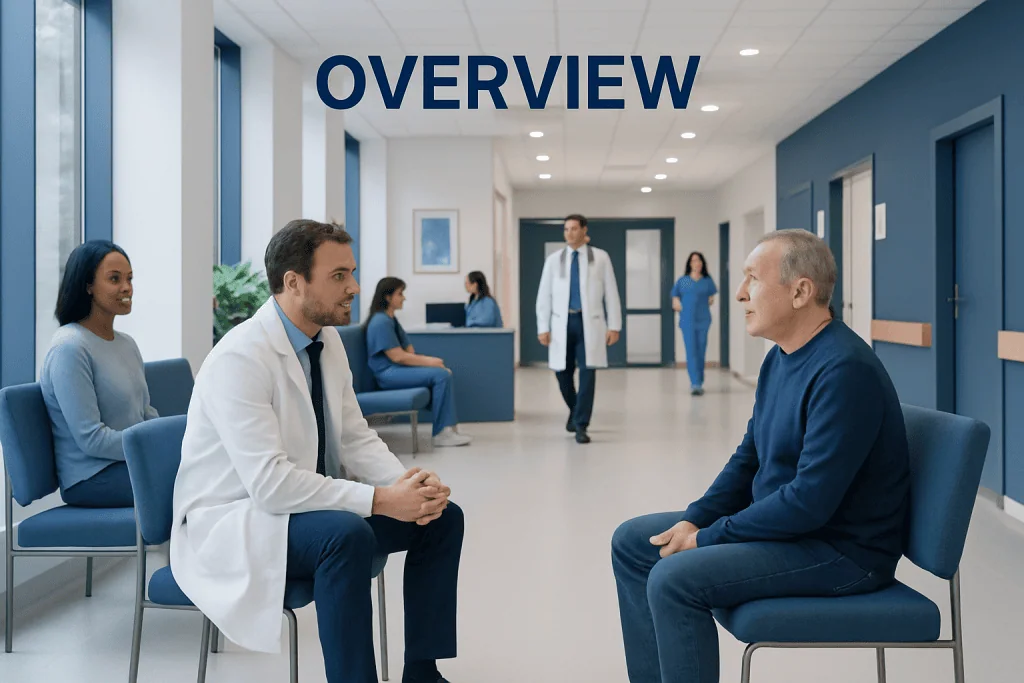
Neurological conditions can affect speech, voice, language, cognition and the muscles used for swallowing. Early assessment by a speech and language therapist helps identify risks such as aspiration and guides safe rehabilitation.
Key Takeaways
- Neurological conditions can affect speech, voice, language, cognition and the muscles used for swallowing.
- Early assessment by a speech and language therapist helps identify risks such as aspiration and guides safe rehabilitation.
- Treatment may include communication exercises, swallowing techniques, diet texture changes, respiratory support and caregiver education.
- Recovery varies by condition, severity and overall health, but consistent therapy and home practice can support progress.
- Urgent medical advice is needed for choking, recurrent chest infections, unexplained weight loss or sudden changes in speech or swallowing.
Speech and swallowing rehabilitation helps people regain safer eating, clearer communication and greater independence after neurological illness. A structured program, guided by trained rehabilitation professionals, can be adapted to each person’s diagnosis, abilities and recovery goals.
Overview
Speech and swallowing rehabilitation is a specialized part of neurological rehabilitation. It supports people who have difficulty speaking, understanding language, using their voice, thinking clearly during communication, or swallowing safely after an illness affecting the brain, spinal cord or nerves. Common reasons include stroke, traumatic brain injury, Parkinson’s disease, multiple sclerosis, motor neuron disease, brain tumors, dementia and complications after intensive care.
The professional most closely involved is usually a speech and language therapist, also called a speech-language pathologist in some countries. This clinician assesses how the nervous system is affecting communication and swallowing, then designs a therapy plan that is practical for daily life. Rehabilitation may also involve neurologists, physiatrists, dietitians, nurses, occupational therapists, physiotherapists, dentists, ear, nose and throat specialists, psychologists and caregivers.
The main goals are to improve safety, comfort and independence. For some patients, this means recovering clearer speech and returning to normal meals. For others, the focus may be learning compensatory strategies, using communication aids, reducing choking risk, maintaining nutrition and preserving quality of life. Therapy is individualized, and progress is measured against the person’s own needs rather than a single standard outcome.
How Neurological Illness Can Affect Speech and Swallowing
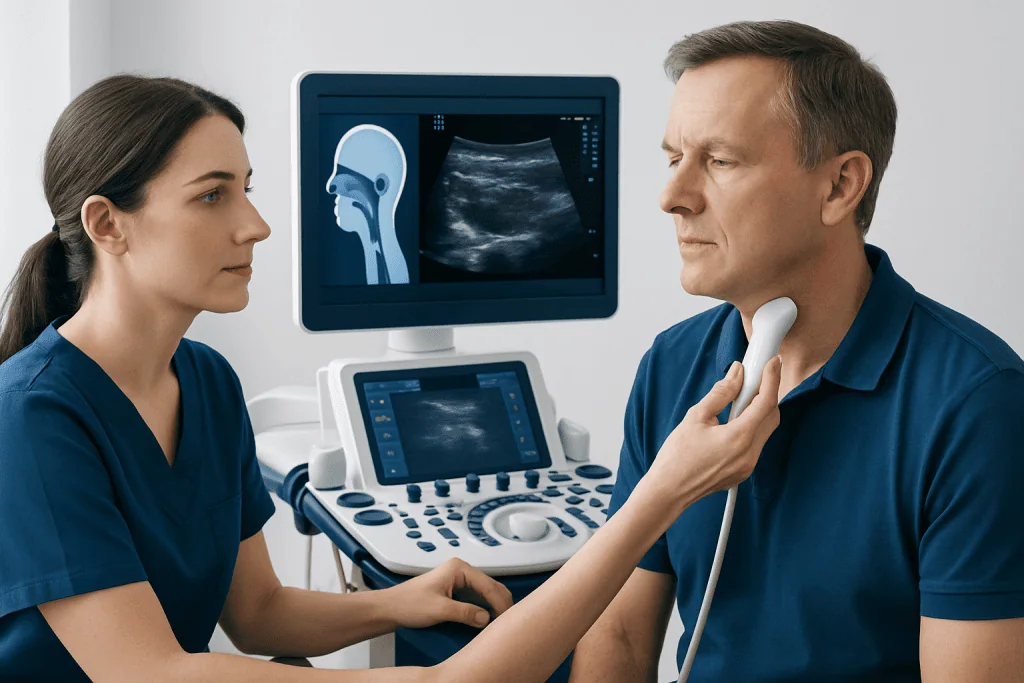
Speech and swallowing depend on precise coordination between the brain, nerves and muscles. Neurological illness can disrupt this coordination in different ways. A stroke may suddenly weaken muscles on one side of the face or throat. Parkinson’s disease may cause softer voice, reduced facial expression and slower swallowing. Multiple sclerosis can cause symptoms that vary over time, while traumatic brain injury may affect attention, memory and the ability to plan speech.
Communication problems are not all the same. Dysarthria refers to weakness or poor coordination of the muscles used for speech, which can make speech sound slurred, quiet or strained. Aphasia affects language, so a person may have difficulty finding words, understanding speech, reading or writing even when the speech muscles are working. Apraxia of speech affects the planning of speech movements, making it hard to produce sounds accurately on purpose.
Swallowing difficulty is called dysphagia. It can occur at any stage of swallowing: preparing food in the mouth, moving it to the throat, protecting the airway, or passing food into the esophagus. When food, liquid or saliva enters the airway, this is called aspiration. Aspiration can sometimes be silent, meaning it happens without obvious coughing. This is why professional assessment is important even when symptoms seem mild.
Symptoms and Daily Impact

Symptoms may be obvious or subtle. A person may speak more slowly, have a weak or hoarse voice, lose the ability to pronounce words clearly, or struggle to join conversations. Language and thinking changes may make it difficult to follow instructions, name familiar objects, read messages, write emails or manage complex discussions. These changes can be frustrating, but they are medical consequences of neurological injury or disease, not a lack of effort.
Swallowing symptoms can include coughing during meals, throat clearing, a wet or gurgly voice after drinking, food pocketing in the cheeks, drooling, taking much longer to eat, avoiding certain foods, or feeling that food is stuck. Some people have repeated chest infections, dehydration, fatigue during meals or unintentional weight loss. Family members may notice that mealtimes have become stressful or that the person eats less in social settings.
The impact goes beyond the physical symptoms. Communication difficulties can affect relationships, work, education and confidence. Swallowing problems can limit social meals and may cause worry for patients and caregivers. Rehabilitation addresses both safety and participation, helping people communicate their needs, enjoy meals as safely as possible and remain involved in family and community life.
Assessment and Diagnosis
A thorough assessment begins with the medical history, neurological diagnosis, medications, current diet, breathing status, alertness, dental health and the patient’s personal goals. The speech and language therapist observes speech, voice, language, memory and attention, as well as oral movements such as lip closure, tongue control and jaw strength. If swallowing is being assessed, the clinician may observe saliva management and carefully trial appropriate food or liquid textures when safe.
Some patients need instrumental swallowing assessment for a clearer view of what happens inside the throat. Two commonly used tests are videofluoroscopic swallow study and fiberoptic endoscopic evaluation of swallowing. These tests help the team understand whether aspiration is present, which textures are safest, and which strategies may improve airway protection. The choice of test depends on the patient’s condition, available equipment and clinical question.
Assessment is also repeated over time. Neurological recovery, fatigue, infections, medication changes and disease progression can all alter speech or swallowing ability. Regular review helps adjust the therapy plan, update diet recommendations and ensure that the patient is neither restricted unnecessarily nor exposed to avoidable risk.
Treatment Options in Speech and Communication Rehabilitation
Speech rehabilitation may include exercises to improve breath support, voice strength, articulation and coordination. Therapy can also teach strategies such as speaking more slowly, over-articulating key sounds, using shorter phrases, pausing for breath and choosing quieter environments for conversation. In some conditions, intensive voice therapy or structured motor speech practice may be recommended when appropriate.
For aphasia and cognitive-communication difficulties, therapy may focus on word retrieval, comprehension, reading, writing, memory supports and conversation practice. The therapist may train family members to ask supportive questions, allow extra response time and use gestures, pictures or written keywords. This communication partner training can make daily interactions more successful and less tiring.
When natural speech is not enough for reliable communication, augmentative and alternative communication may help. Options range from simple picture boards and alphabet charts to tablet-based apps or dedicated speech-generating devices. These tools do not prevent speech recovery; instead, they give the person a way to express needs, choices and emotions while rehabilitation continues.
Swallowing Therapy, Nutrition and Safety Strategies
Swallowing rehabilitation is guided by the type and severity of dysphagia. Treatment may include exercises to strengthen or coordinate the lips, tongue, throat and airway-protection muscles. Some patients learn specific swallowing maneuvers, posture changes or pacing techniques. Others need compensatory strategies such as taking smaller sips, alternating solids and liquids, sitting upright during meals, or remaining upright for a period after eating.
Diet and liquid texture modifications may be recommended to improve safety and nutrition. For example, some people manage soft foods more easily, while others may need thickened liquids for a period of time. These recommendations should be individualized and reviewed regularly because unnecessary restrictions can reduce enjoyment, hydration and nutritional intake. A dietitian may help maintain balanced nutrition, especially when appetite is poor or weight loss has occurred.
In more severe cases, temporary or longer-term tube feeding may be considered to support nutrition and hydration while protecting the airway. This decision is medical and personal, involving the patient, family and clinical team. Even when tube feeding is used, therapy may continue to maintain oral comfort, saliva management, communication and, when possible, steps toward safe oral intake.
Helpful daily measures may include:
- eating only when alert and well positioned;
- reducing distractions during meals;
- following the recommended food and liquid textures;
- checking the mouth for leftover food after meals if advised;
- maintaining good oral hygiene to reduce infection risk.
Recovery, Prevention of Complications and When to See a Doctor
Recovery is highly individual. After stroke or brain injury, many people make the fastest gains in the early months, but meaningful improvement can continue with practice and adaptation. In progressive neurological conditions, rehabilitation may focus on maintaining function, planning ahead and introducing strategies at the right time. Consistency matters: short, regular practice that is safe and well targeted often works better than occasional intense effort.
Patients and families can support rehabilitation by following the therapy plan, attending review appointments and reporting changes promptly. Fatigue, dehydration, infections, mood changes and medication side effects can reduce performance, so the wider medical picture should be managed as well. Caregivers may benefit from training in safe feeding assistance, communication support and emergency steps for choking.
Medical advice should be sought if there is sudden speech change, new facial drooping, weakness, confusion, severe headache or difficulty swallowing, as these may require urgent evaluation. A doctor should also be contacted for choking episodes, repeated coughing with meals, fever or chest infections, unexplained weight loss, dehydration, persistent wet voice after drinking, or inability to take medications safely. For international patients, Acibadem International’s multidisciplinary specialists and JCI-accredited hospitals provide assessment and treatment pathways for neurological speech and swallowing disorders.
Frequently asked questions
Who provides speech and swallowing rehabilitation?
The main professional is a speech and language therapist, also known as a speech-language pathologist. Depending on the patient’s needs, the care team may also include a neurologist, rehabilitation physician, dietitian, nurse, physiotherapist, occupational therapist and psychologist.
When should therapy start after a stroke or brain injury?
Assessment often begins as soon as the patient is medically stable and able to participate safely. Early screening is especially important for swallowing, because dysphagia can increase the risk of aspiration and poor nutrition. The intensity of therapy is then adjusted to the person’s alertness, stamina and medical condition.
Can swallowing problems improve?
Many swallowing problems improve, especially when the underlying neurological condition is recovering and therapy is started early. Some people need temporary diet changes or feeding support while they regain strength and coordination. In long-term or progressive conditions, therapy can still improve safety, comfort and planning.
Does using a communication device stop speech from recovering?
No. Communication aids do not prevent speech recovery. They can reduce frustration and help a person express needs while speech and language therapy continues. Some people use them temporarily, while others use them as a long-term support.
Are thickened liquids always necessary for dysphagia?
Not always. Thickened liquids may help some patients swallow more safely, but they are not suitable or necessary for everyone. Recommendations should be based on an individual swallowing assessment and reviewed over time to balance safety, hydration and quality of life.
What can family members do to help at home?
Family members can help by following the therapist’s instructions, allowing extra time for communication and keeping meals calm and unrushed. They should avoid offering foods or liquids outside the recommended plan unless the care team has approved them. Reporting new coughing, weight loss, fever or changes in alertness is also important.
References
- World Health Organization
- American Speech-Language-Hearing Association
- European Stroke Organisation
- National Institute for Health and Care Excellence
- Royal College of Speech and Language Therapists
This article is for general information only and is not a substitute for professional medical advice. Please consult a qualified doctor about your individual situation.
Joint and spine care in Turkey — expert assessment & treatment
JCI-accredited · board-certified surgeons · reply within 24h