

Occupational Therapy: Relearning Daily Activities After Illness or Injury

Occupational therapy focuses on meaningful daily activities, not only exercises or medical recovery. It can help after stroke, brain injury, orthopedic injury, surgery, neurological conditions, chronic illness, and developmental challenges.
Key Takeaways
- Occupational therapy focuses on meaningful daily activities, not only exercises or medical recovery.
- It can help after stroke, brain injury, orthopedic injury, surgery, neurological conditions, chronic illness, and developmental challenges.
- Therapists assess physical, cognitive, emotional, and environmental factors that affect independence.
- Treatment may include task practice, strength and coordination training, energy conservation, adaptive equipment, and home modifications.
- Early referral can support safer recovery and may reduce frustration for patients and caregivers.
Occupational therapy helps people regain, adapt, or develop the skills needed for everyday life after illness, injury, surgery, or disability. It focuses on practical goals such as dressing, bathing, cooking, working, learning, and participating more confidently at home and in the community.
Overview: What Is Occupational Therapy?
Occupational therapy, often called OT, is a rehabilitation profession that helps people participate in the everyday activities that matter to them. In healthcare, the word “occupation” does not only mean a job. It includes self-care, home responsibilities, school, work, hobbies, social activities, and routines that give structure and meaning to daily life.
After an illness or injury, tasks that once felt automatic can become difficult. A person may need to relearn how to dress with one hand, cook safely while using a mobility aid, manage fatigue after treatment, write after a hand injury, or return to work after a neurological event. Occupational therapists break these activities into smaller parts, identify barriers, and teach practical strategies to improve safety and independence.
OT is individualized. Two people with the same diagnosis may have very different goals depending on their age, home environment, job, family role, and personal priorities. The aim is not simply to “do exercises,” but to help the person function as well as possible in real-life situations.
Who Can Benefit From Occupational Therapy?
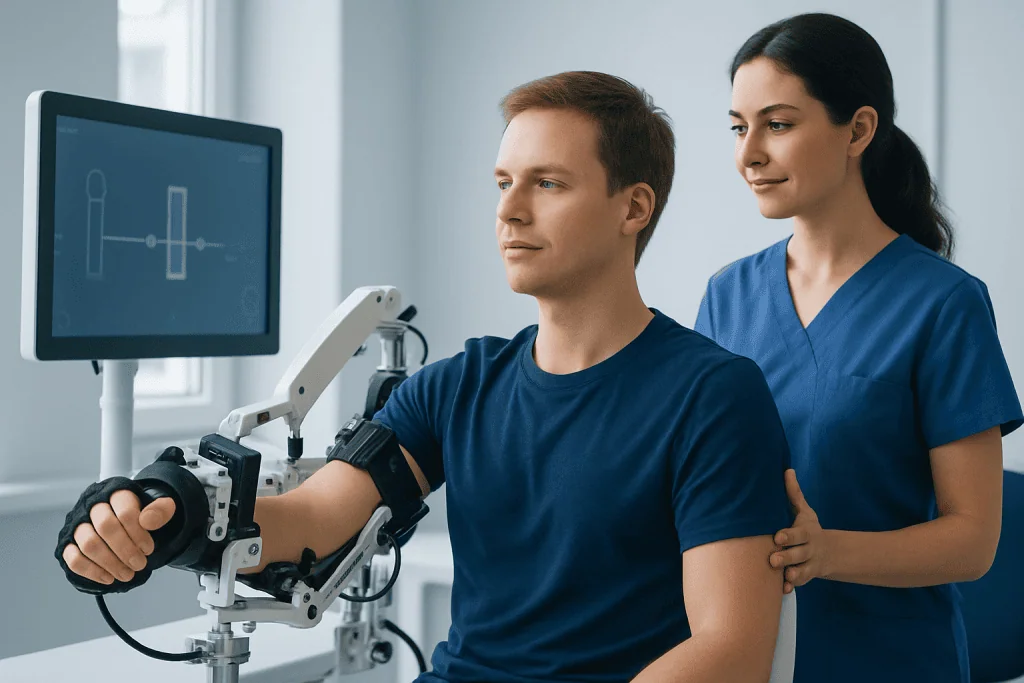
Occupational therapy can support people of all ages, from children learning developmental skills to older adults recovering from a fall or surgery. It is commonly recommended after stroke, traumatic brain injury, spinal cord injury, hand or upper-limb injuries, fractures, joint replacement, burns, cancer treatment, neurological conditions, and prolonged hospitalization. It may also help people living with arthritis, multiple sclerosis, Parkinson’s disease, chronic pain, low vision, or cognitive changes.
OT can be useful whenever a health condition affects daily function. This may include difficulty bathing, dressing, eating, toileting, moving safely around the home, preparing meals, using a computer, managing medications, or returning to school or work. For children, goals may include play, handwriting, feeding, sensory regulation, self-care, and participation in classroom routines.
Caregivers can also benefit from occupational therapy guidance. A therapist can teach safe transfer techniques, recommend equipment, suggest ways to simplify routines, and help families create an environment that supports independence while reducing unnecessary strain.
Assessment and Goal Setting

The occupational therapy process usually begins with a detailed assessment. The therapist asks about the person’s medical history, current abilities, home situation, daily routine, personal priorities, and challenges. They may observe how the person completes practical tasks such as standing from a chair, using the hands, following instructions, reaching for objects, or planning a simple activity.
Assessment may include physical, cognitive, sensory, and emotional factors. For example, a therapist may evaluate strength, range of motion, balance, coordination, fine motor skills, vision, attention, memory, problem-solving, pain, fatigue, and confidence. These factors are important because daily activities often require several skills at the same time.
Together, the therapist and patient set goals that are specific and meaningful. Goals might include “prepare a light breakfast safely,” “dress independently using adaptive techniques,” “return to computer work for short periods,” or “use public transportation with confidence.” Clear goals help guide therapy and allow progress to be measured over time.
Treatment Techniques Used in Occupational Therapy
Occupational therapy uses a combination of practice, education, adaptation, and therapeutic exercises. A central part of OT is task-specific training, which means practicing the actual activity the person wants or needs to do. For example, a person recovering from a stroke may practice reaching for clothing, fastening buttons, using kitchen tools, or transferring safely from bed to chair.
Therapists may also work on underlying skills that support function. This can include improving hand strength, joint movement, coordination, balance during daily tasks, visual scanning, attention, memory strategies, or tolerance for activity. The approach depends on the person’s condition, stage of recovery, and medical guidance from the broader care team.
Common OT interventions may include:
- Training in activities of daily living such as bathing, grooming, dressing, eating, and toileting.
- Instrumental daily living skills such as cooking, shopping, cleaning, transportation, and money management.
- Hand therapy techniques for grip, dexterity, scar management, swelling control, and splint use when appropriate.
- Cognitive strategies such as checklists, calendars, routines, and step-by-step task planning.
- Energy conservation and pacing for people with fatigue, pain, or reduced endurance.
- Education on safe body mechanics, joint protection, and fall prevention.
Adaptive Equipment and Home Modifications
Sometimes the safest path to independence is not doing a task exactly as before, but learning a new way to do it. Occupational therapists are trained to recommend adaptive equipment and environmental changes that make daily activities easier and safer. These recommendations are based on the person’s abilities, goals, home layout, and medical precautions.
Examples may include a shower chair, grab bars, raised toilet seat, long-handled sponge, reacher, button hook, jar opener, built-up utensils, non-slip mats, or writing aids. For people with mobility or balance challenges, therapists may suggest furniture arrangement changes, improved lighting, removal of trip hazards, or safer storage of frequently used items.
Home modifications do not always need to be extensive. Small changes can make a meaningful difference, such as placing daily items at waist height, using contrasting colors for low vision, adding handrails, or organizing medications with a reminder system. The goal is to support independence while reducing the risk of falls, overexertion, or caregiver injury.
Recovery, Progress, and the Rehabilitation Team
Recovery looks different for each person. Some people need occupational therapy for a short period after surgery or injury, while others benefit from ongoing support for a long-term condition. Progress may be measured by improved strength or coordination, but it is often seen most clearly in daily life: getting dressed with less help, preparing a meal, returning to work tasks, or feeling more confident outside the home.
Occupational therapists often work as part of a multidisciplinary rehabilitation team. This team may include physiatrists, neurologists, orthopedic specialists, physiotherapists, speech and language therapists, nurses, psychologists, dietitians, social workers, and prosthetic or orthotic specialists. Collaboration helps ensure that therapy is safe, coordinated, and aligned with the person’s medical plan.
Patients and families are encouraged to take an active role. Practicing recommended strategies between sessions, asking questions, and sharing what is or is not working at home can make therapy more effective. If a task remains difficult, the therapist can adjust the plan, try a different technique, or reassess whether additional medical review is needed.
When to See a Doctor or Occupational Therapist
A person should consider seeking medical advice or an occupational therapy referral when an illness, injury, surgery, or health condition begins to interfere with daily activities. This includes new difficulty with self-care, household tasks, hand use, memory, balance during routines, work activities, school participation, or safe movement at home. Early support can help prevent compensations that may increase pain, fatigue, or frustration.
Medical review is especially important if symptoms are new, worsening, or associated with pain, weakness, numbness, dizziness, falls, confusion, or changes in vision or speech. Occupational therapy does not replace medical diagnosis. Instead, it works alongside medical care to help the person apply recovery goals to everyday life.
For international patients, Acibadem International’s multidisciplinary specialists and JCI-accredited hospitals provide assessment and rehabilitation services for a range of conditions affecting daily function. Patients should consult a qualified healthcare professional to determine whether occupational therapy is appropriate for their needs and medical situation.
Frequently asked questions
How is occupational therapy different from physical therapy?
Physical therapy often focuses on movement, strength, balance, walking, and physical mobility. Occupational therapy focuses on how a person uses their abilities to complete meaningful daily activities such as dressing, bathing, cooking, writing, working, or managing the home. In many rehabilitation programs, both therapies work together.
Does occupational therapy only help people return to work?
No. Although the word “occupation” can sound work-related, in occupational therapy it means any meaningful daily activity. This includes self-care, family roles, school, hobbies, community participation, and independent living skills.
How long does occupational therapy take?
The length of therapy depends on the condition, recovery goals, medical stability, and how much support is needed. Some people need only a few sessions for education and equipment training, while others may require a longer rehabilitation plan. Progress is reviewed regularly, and the plan is adjusted as abilities and goals change.
Can occupational therapy help after a stroke?
Yes. Occupational therapy is commonly part of stroke rehabilitation. It may help with arm and hand function, dressing, bathing, cooking, memory strategies, visual changes, fatigue management, and safe return to home or work activities.
What should a patient bring to an occupational therapy appointment?
It is helpful to bring medical reports, a medication list, information about recent surgery or precautions, and any splints, braces, mobility aids, or adaptive devices already being used. Patients may also want to write down daily tasks they find difficult and goals they would like to work on. This helps the therapist create a practical, personalized plan.
Is occupational therapy painful?
Occupational therapy should be safe and adapted to the person’s condition. Some activities may feel challenging, especially after injury or surgery, but therapy should not cause severe or unsafe pain. Patients should tell their therapist about pain, fatigue, dizziness, or discomfort so the plan can be adjusted.
References
- World Federation of Occupational Therapists
- American Occupational Therapy Association
- World Health Organization
- National Institute for Health and Care Excellence
- Centers for Disease Control and Prevention
This article is for general information only and is not a substitute for professional medical advice. Please consult a qualified doctor about your individual situation.
Explore treatments in Turkey — costs, top hospitals & a free quote
JCI-accredited · board-certified surgeons · reply within 24h

More from the Health Library



Related Specialists

Gizem Adlı
Physical Medicine & Rehabilitation
Prof. Dr. Murat Bozkurt
Orthopedic Surgery & Traumatology
Dr. Oktay Şahin
Cardiology
Dr. Ayşe İrem İskenderoğlu
Aesthetic Plastic & Reconstructive Surgery