Fall Prevention Rehabilitation: Improving Strength, Balance, and Safety
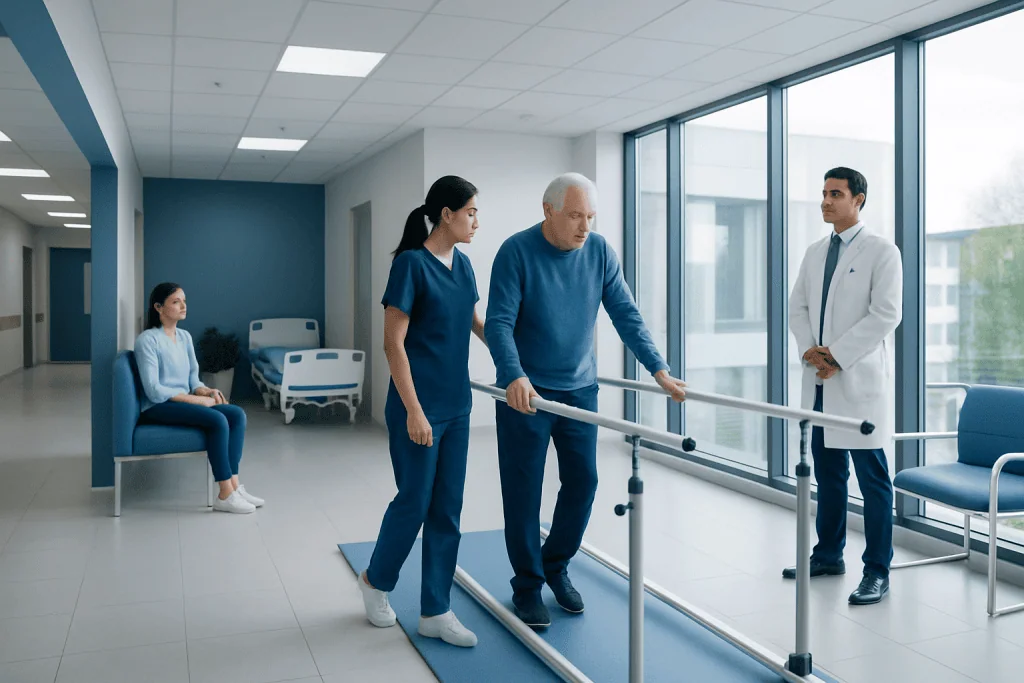
Fall prevention rehabilitation identifies personal risk factors such as weakness, poor balance, medication effects, vision problems, and unsafe home environments. A rehabilitation plan usually includes strength training, balance exercises, walking practice, flexibility work, and education about safer movement.
Key Takeaways
- Fall prevention rehabilitation identifies personal risk factors such as weakness, poor balance, medication effects, vision problems, and unsafe home environments.
- A rehabilitation plan usually includes strength training, balance exercises, walking practice, flexibility work, and education about safer movement.
- Home safety changes, proper footwear, assistive devices, and medication review can significantly support therapy goals.
- Early evaluation is important after a fall, near-fall, dizziness episode, or new difficulty walking.
- A qualified rehabilitation team can adapt exercises for different ages, abilities, and medical conditions.
Fall prevention rehabilitation is a personalized therapy approach that helps people reduce fall risk by improving strength, balance, mobility, and confidence. It is especially useful for older adults, people recovering from illness or surgery, and anyone who feels unsteady during daily activities.
Overview
Fall prevention rehabilitation is a structured program designed to lower the chance of falls and injuries by improving how a person moves, stands, walks, and responds to balance challenges. It is often guided by physiatrists, physical therapists, occupational therapists, nurses, and other rehabilitation professionals. The goal is not only to prevent falls, but also to help people feel safer and more independent in daily life.
Falls can happen for many reasons. Muscle weakness, reduced balance, dizziness, joint pain, vision changes, nerve problems, certain medications, and hazards at home can all contribute. Rehabilitation begins by identifying which factors are most relevant for the individual, then building a practical plan that addresses them step by step.
This type of rehabilitation is helpful for older adults, but it is not limited to age. People recovering from stroke, orthopedic surgery, prolonged hospitalization, neurological conditions, inner ear disorders, or general deconditioning may also benefit. A well-designed program is personalized, progressive, and focused on safe activities that match the person’s medical status and goals.
Who May Benefit from Fall Prevention Rehabilitation
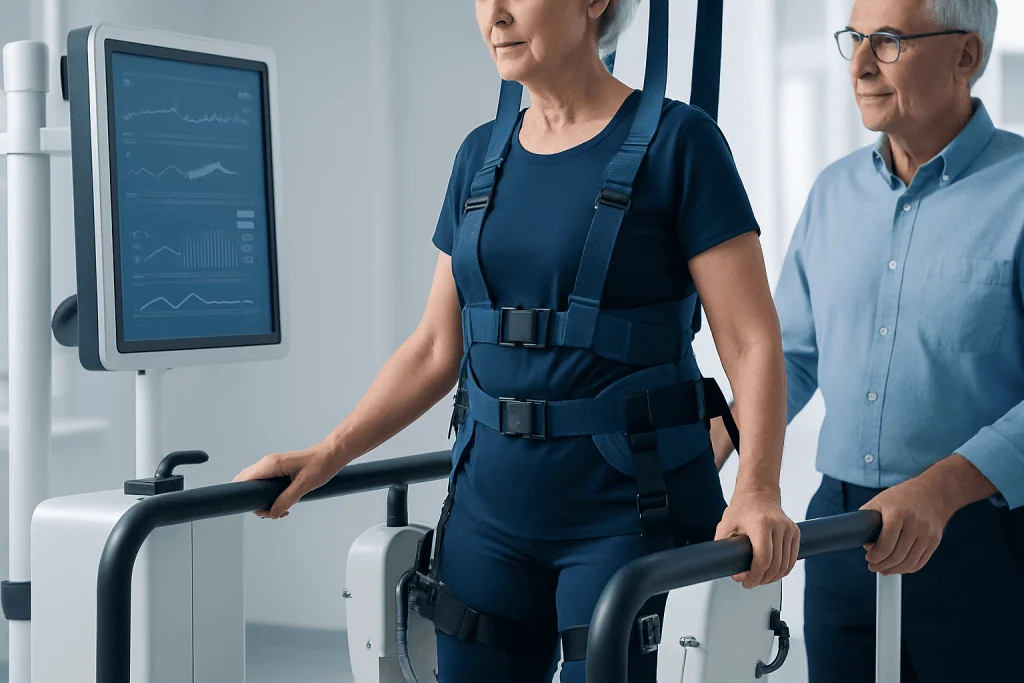
A person may benefit from fall prevention rehabilitation if they have fallen recently, feel unsteady when walking, avoid activities because of fear of falling, or need to hold furniture or walls for support. A near-fall, such as stumbling but catching oneself, is also an important warning sign. These events suggest that balance, strength, reaction time, or environmental safety may need attention.
People with chronic conditions may have a higher risk of falls and may need a more detailed assessment. These include Parkinson’s disease, stroke, peripheral neuropathy, arthritis, osteoporosis, diabetes-related nerve changes, vestibular disorders, and heart or blood pressure problems that cause lightheadedness. After hip, knee, spine, or ankle problems, rehabilitation may also be needed to restore safe movement patterns.
Fall prevention rehabilitation can also support people after long periods of inactivity. Hospitalization, illness, pain, or reduced activity can lead to muscle loss and lower endurance. Therapy helps rebuild capacity gradually, so daily activities such as bathing, dressing, cooking, shopping, climbing stairs, and walking outdoors become safer and more manageable.
Fall Risk Assessment

A fall risk assessment is the foundation of an effective rehabilitation plan. The clinician usually asks about previous falls, dizziness, pain, walking difficulties, medications, vision, footwear, home layout, and daily routines. Understanding when and where falls occur can reveal patterns, such as falls during nighttime bathroom trips, while turning quickly, or when walking on uneven ground.
Physical testing may include checking muscle strength, joint movement, posture, walking speed, balance reactions, transfers from sitting to standing, and stair ability. Some clinics use standardized functional tests to measure mobility and track progress over time. These tests are not meant to label a person, but to guide safe and realistic treatment goals.
A complete assessment may also involve collaboration with other healthcare professionals. A physician may review blood pressure, heart rhythm, medication side effects, bone health, neurological signs, or vision and hearing concerns. Occupational therapists may evaluate home safety and daily activity performance. When several factors are addressed together, fall prevention is usually more effective than exercise alone.
Rehabilitation Exercises: Strength, Balance, and Mobility
Exercise is a central part of fall prevention rehabilitation. A therapist selects exercises based on the person’s current ability, medical conditions, pain level, and fall risk. Sessions often begin with safe, supported movements and progress gradually as strength, balance, and confidence improve.
Strength training commonly focuses on the legs, hips, trunk, and postural muscles. These muscle groups are important for standing up from a chair, climbing stairs, stepping over obstacles, and recovering balance after a slip or trip. Exercises may include sit-to-stand practice, heel raises, hip strengthening, step-ups, and controlled walking drills, adjusted to the person’s capacity.
Balance training may include standing with a narrower base of support, shifting weight, reaching safely, turning, stepping in different directions, and practicing balance on varied surfaces under supervision. Mobility training may address walking pattern, stride length, foot clearance, use of assistive devices, and safe transfers. Many programs also include flexibility, endurance, and reaction-time activities because real-life balance requires the body to respond quickly and efficiently.
A typical rehabilitation plan may include:
- supervised therapy sessions to learn correct technique and safe progression;
- a home exercise program tailored to the person’s abilities;
- walking practice in realistic environments, when appropriate;
- education on pacing, safe turning, and getting up safely after a fall if medically appropriate.
Home Safety and Daily Habits
Many falls occur at home, so rehabilitation often includes practical safety changes. Small adjustments can make daily movement easier and reduce avoidable hazards. The aim is not to make the home feel clinical, but to create a safer environment that supports independence.
Common recommendations include improving lighting, removing loose rugs, securing electrical cords, keeping walkways clear, installing grab bars in bathrooms, using non-slip mats, and placing frequently used items within easy reach. Stairs should have stable handrails and good lighting. For people who wake at night, a clear path to the bathroom and a night light may be helpful.
Footwear is also important. Shoes should fit well, support the foot, and have soles that are not overly slippery. Walking in socks on smooth floors or wearing loose slippers may increase risk. If an assistive device such as a cane or walker is recommended, it should be properly fitted and taught by a professional so it improves safety rather than creating new challenges.
Daily habits can support fall prevention. Standing up slowly, especially after lying down, can help people who experience lightheadedness. Keeping hydrated, eating regular meals, using prescribed glasses or hearing aids, and maintaining regular physical activity can also contribute to steadier movement. Medication review with a qualified doctor or pharmacist is important if drowsiness, dizziness, or low blood pressure is suspected.
Treatment Options and the Rehabilitation Team
Fall prevention rehabilitation may take place in an outpatient clinic, hospital rehabilitation unit, home care setting, or community program, depending on the person’s needs. A physical therapist often leads balance, strength, gait, and mobility training. An occupational therapist may focus on safe bathing, dressing, cooking, home setup, energy conservation, and adaptive equipment.
For people with complex medical conditions, a physiatrist or rehabilitation physician may coordinate care. Neurologists, orthopedists, cardiologists, ophthalmologists, vestibular therapists, dietitians, and nurses may also be involved when needed. For example, dizziness related to the inner ear may require vestibular rehabilitation, while neuropathy may require foot care, sensory strategies, and medical management.
Treatment may include education on how to move safely during common tasks such as getting out of bed, rising from a chair, entering a shower, or carrying objects. If pain contributes to unsafe movement, the plan may include pain management strategies and joint protection. If fear of falling limits activity, therapy may include graded exposure to safe movement so confidence can rebuild gradually.
Progress is usually monitored through functional goals rather than exercise numbers alone. Meaningful goals may include walking to a local shop, using stairs safely, returning to gardening, bathing independently, or reducing reliance on furniture for support. The safest and most effective plan is individualized and adjusted as the person improves.
Prevention and Self-Care Between Therapy Sessions
Consistency is important in fall prevention rehabilitation. Exercises practiced at home can help maintain gains between supervised sessions, but they should be performed exactly as instructed. A person should not attempt advanced balance activities alone unless a therapist has confirmed they are safe to do so. Safety support, such as a sturdy counter or chair, may be needed for home exercises.
Regular movement helps preserve strength and endurance. Gentle walking, supervised exercise classes, tai chi-style balance activities, and functional strengthening may be appropriate for some people. However, exercise choices should match the person’s health status, especially if they have heart disease, severe joint pain, neurological symptoms, or recent surgery.
Nutrition and general health also matter. Adequate protein, vitamin D and calcium intake when appropriate, and medical evaluation for osteoporosis can support bone and muscle health. Vision checks, hearing checks, foot care, and management of chronic diseases can reduce contributing risks. People should follow their doctor’s guidance for medical conditions and should not stop or change medications without professional advice.
When to See a Doctor
A medical evaluation is recommended after any fall that causes pain, head impact, dizziness, fainting, confusion, weakness, or difficulty walking. Even if there is no obvious injury, a fall can signal an underlying issue that should be assessed. Early evaluation can identify treatable causes and help prevent future incidents.
A doctor should also be consulted if a person has repeated near-falls, new balance problems, sudden weakness, numbness, vision changes, chest discomfort, irregular heartbeat sensations, or lightheadedness when standing. These symptoms may require medical assessment before starting or advancing an exercise program.
Rehabilitation is most effective when started before falls become frequent. Families and caregivers can help by noticing changes in walking, activity avoidance, or increased use of furniture for support. For international patients seeking coordinated assessment and therapy, Acibadem International provides access to multidisciplinary specialists and JCI-accredited hospitals that diagnose and treat balance, mobility, and rehabilitation needs.
Frequently asked questions
What is fall prevention rehabilitation?
Fall prevention rehabilitation is a personalized therapy program that aims to reduce the risk of falling. It usually includes balance training, strengthening exercises, walking practice, home safety advice, and education on safer movement. The plan is adapted to the person’s health, abilities, and daily goals.
Is fall prevention rehabilitation only for older adults?
No. Older adults often benefit, but fall prevention rehabilitation can help anyone with balance or mobility problems. People recovering from surgery, stroke, neurological conditions, dizziness, prolonged illness, or general weakness may also need this type of care.
How long does fall prevention rehabilitation take?
The duration varies depending on the person’s fall risk, medical conditions, strength, balance, and goals. Some people need a short program focused on education and exercise, while others require longer rehabilitation and follow-up. Progress is usually reviewed regularly and the program is adjusted as abilities improve.
Can falls be prevented completely?
No program can remove every risk, because falls may result from unexpected hazards or sudden medical events. However, rehabilitation can reduce many modifiable risks by improving strength, balance, mobility, confidence, and home safety. The goal is to make daily activities as safe and independent as possible.
Are balance exercises safe to do at home?
Home exercises can be very helpful when they are prescribed by a qualified therapist and performed as instructed. Some balance exercises require support, supervision, or a safe setup to prevent accidents. People should avoid trying advanced balance activities alone unless their therapist has confirmed they are appropriate.
What should someone do after a fall?
If there is head impact, severe pain, dizziness, confusion, weakness, or difficulty moving, urgent medical evaluation is needed. Even after a minor fall, it is wise to inform a healthcare professional, especially if falls are repeated. A fall risk assessment can identify causes and guide prevention.
References
- World Health Organization
- Centers for Disease Control and Prevention
- National Institute on Aging
- American Geriatrics Society
- Chartered Society of Physiotherapy
This article is for general information only and is not a substitute for professional medical advice. Please consult a qualified doctor about your individual situation.
Explore treatments in Turkey — costs, top hospitals & a free quote
JCI-accredited · board-certified surgeons · reply within 24h
Check your numbers in seconds
BMI, calories, due date, blood pressure and 30+ more clinical calculators — free, instant, doctor-reviewed ranges.