Pelvic Organ Prolapse: Pressure, Bulge Symptoms, and Repair Options

Pelvic organ prolapse often feels like pelvic pressure, heaviness or a bulge in or outside the vagina, especially after standing or straining. It is not usually dangerous, but it can affect urination, bowel movements, sexual comfort and daily quality of life.
Key Takeaways
- Pelvic organ prolapse often feels like pelvic pressure, heaviness or a bulge in or outside the vagina, especially after standing or straining.
- It is not usually dangerous, but it can affect urination, bowel movements, sexual comfort and daily quality of life.
- Diagnosis is typically made with a pelvic examination, sometimes supported by bladder, bowel or imaging tests when symptoms are complex.
- Non-surgical care includes lifestyle changes, pelvic floor physical therapy and a vaginal pessary fitted by a clinician.
- Surgery may be considered when symptoms are bothersome or conservative treatments do not provide enough relief.
Pelvic organ prolapse happens when pelvic support tissues weaken, allowing the bladder, uterus, vaginal vault or rectum to drop toward the vagina. Symptoms are common and treatable, with options ranging from pelvic floor therapy and pessaries to surgical repair.
Overview
Pelvic organ prolapse is a condition in which one or more pelvic organs move downward because the muscles, ligaments and connective tissues of the pelvic floor are no longer providing enough support. The organs involved may include the bladder, uterus, top of the vagina after hysterectomy, small bowel or rectum. As these structures descend, a woman may feel pressure, fullness or a bulge in the vagina.
Prolapse is common, particularly after pregnancy, childbirth and menopause. It can range from mild, where changes are noticed only during an examination, to more advanced, where tissue may protrude outside the vaginal opening. Importantly, pelvic organ prolapse is usually not life-threatening. However, symptoms can interfere with walking, exercise, bladder or bowel function, intimacy and confidence.
Doctors often describe prolapse according to the area involved. An anterior vaginal wall prolapse, sometimes called cystocele, affects bladder support. A uterine prolapse involves descent of the uterus. A vaginal vault prolapse can occur after hysterectomy. A posterior vaginal wall prolapse, sometimes called rectocele, affects the area between the rectum and vagina. Many women have more than one area involved, so evaluation looks at the whole pelvic floor rather than a single organ.
Symptoms: Pressure, Bulge and Daily Discomfort
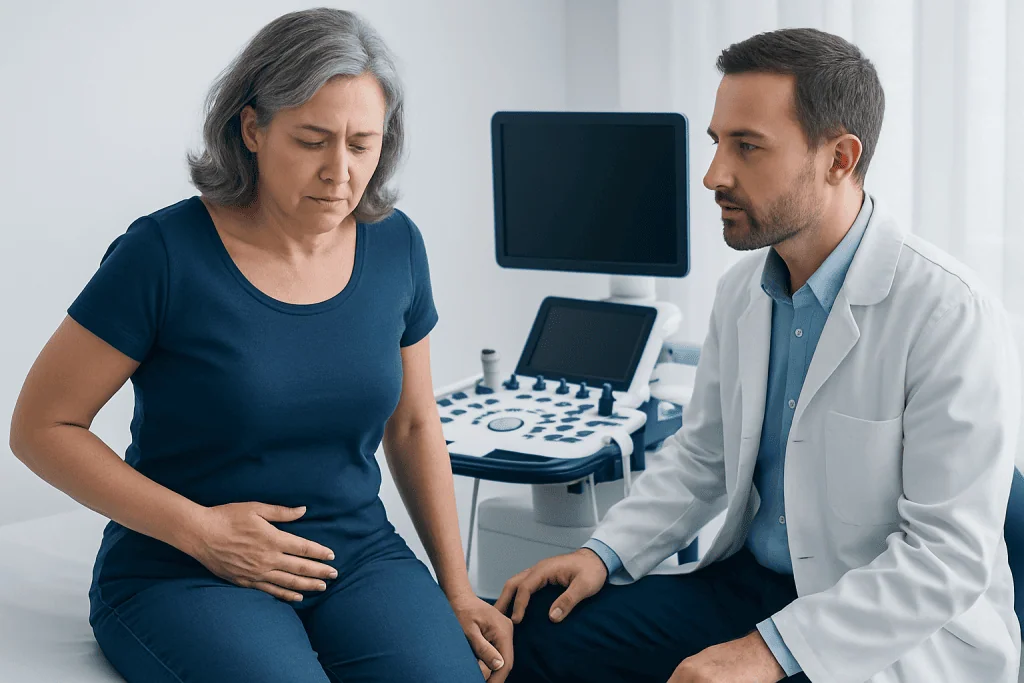
The most typical symptom of pelvic organ prolapse is a feeling of pressure, heaviness or dragging in the pelvis. Some women describe the sensation as sitting on a small ball or feeling that something is coming down. Symptoms may be mild in the morning and become more noticeable after standing for long periods, lifting, coughing or straining.
A vaginal bulge is another common sign. It may be felt with washing, noticed at the vaginal opening or seen in a mirror. The bulge may move in and out depending on position and activity. Some women gently push the tissue back to feel more comfortable or to help with urination or bowel movements, though this should not replace medical assessment.
Pelvic organ prolapse can also affect nearby organs. Possible symptoms include:
- Frequent urination, urgency or difficulty starting the urine stream
- A feeling that the bladder does not empty completely
- Urinary leakage, sometimes with coughing or exercise
- Constipation, incomplete bowel emptying or the need to support the vaginal wall during a bowel movement
- Low back or pelvic aching that improves when lying down
- Discomfort with sexual activity or reduced confidence during intimacy
The severity of the bulge does not always match the severity of symptoms. A small prolapse can be very bothersome for one person, while another person with a larger prolapse may have few symptoms. Treatment decisions are therefore guided by both examination findings and how the condition affects daily life.
Causes and Risk Factors
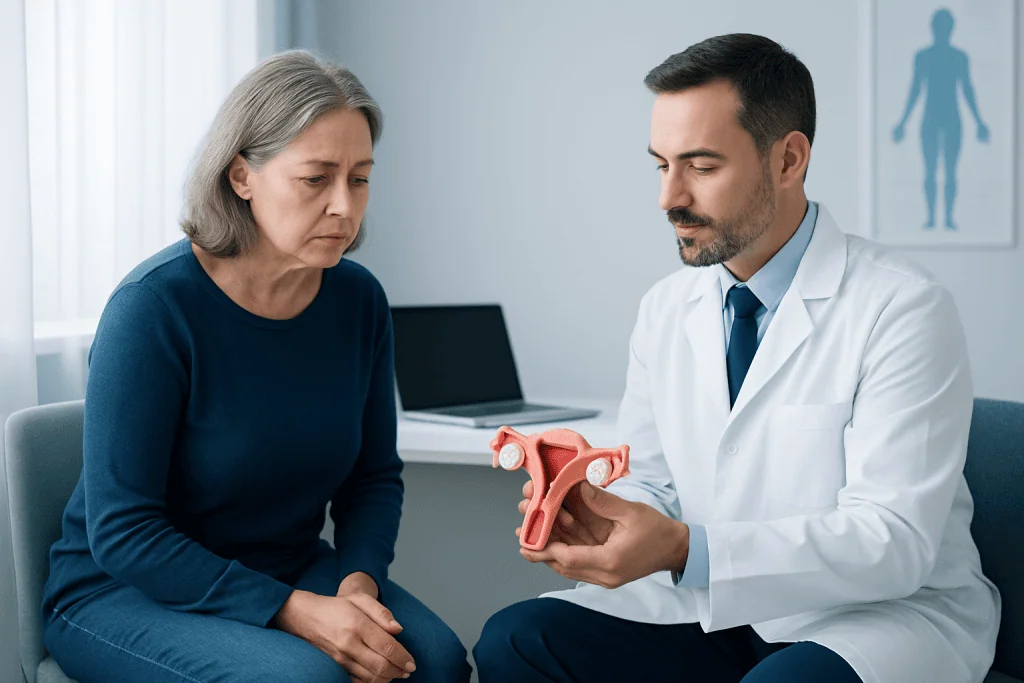
Pelvic organ prolapse develops when the pelvic floor support system is stretched, weakened or injured over time. Pregnancy and vaginal childbirth are important contributors because they can stretch muscles and connective tissues and affect pelvic floor nerves. The risk may be higher after difficult deliveries, forceps-assisted births, larger babies or multiple births, although prolapse can also occur in women who have never given birth.
Menopause is another common factor. Lower estrogen levels can change the elasticity and thickness of vaginal and pelvic tissues. Aging itself also affects connective tissue strength. Genetics may play a role, as some women have naturally more flexible or weaker connective tissue and may notice prolapse even without many traditional risk factors.
Any long-term increase in abdominal pressure can make prolapse more likely or worsen existing prolapse. Examples include chronic cough, constipation with straining, repetitive heavy lifting and excess body weight. Previous pelvic surgery, including hysterectomy, can also change support structures. Some connective tissue disorders and neurological conditions may contribute, although these are less common.
Risk factors do not mean that prolapse is a woman’s fault. Many causes are related to normal life events and tissue changes. Understanding the contributing factors helps clinicians recommend practical steps, such as constipation management, cough treatment, weight support when appropriate and pelvic floor rehabilitation.
Diagnosis and Pelvic Floor Assessment
Pelvic organ prolapse is usually diagnosed with a medical history and pelvic examination. The clinician asks about pressure, bulge symptoms, bladder and bowel habits, sexual comfort, previous pregnancies, surgeries and daily activities. Women are encouraged to describe when symptoms occur and what makes them better or worse, because prolapse can change with position and activity.
During the pelvic examination, the clinician may examine the vagina at rest and while the patient bears down, similar to having a bowel movement. This helps show which compartment is descending and how far. The examination may be done lying down, and sometimes standing if symptoms are difficult to reproduce. A standardized staging system may be used to describe the degree of prolapse.
Additional tests are not always necessary. If urinary leakage, difficulty emptying the bladder, recurrent urinary infections or complex symptoms are present, tests may include a urine test, measurement of urine left after voiding or urodynamic testing. Imaging such as pelvic ultrasound, MRI or defecography may be considered when the diagnosis is unclear or bowel symptoms are significant.
A complete assessment also checks pelvic floor muscle strength and tenderness. Some women have weak pelvic floor muscles, while others have tight or painful muscles that need a different therapy approach. This is one reason individualized care is important; the best treatment is based on anatomy, symptoms, general health, sexual activity, future pregnancy plans and personal preferences.
Non-Surgical Treatment Options
Many women improve with non-surgical care, especially when symptoms are mild to moderate or when surgery is not desired. Observation is reasonable if prolapse is found on examination but is not bothersome. Regular follow-up can monitor changes, while the woman focuses on bowel health, safe activity and pelvic floor support.
Pelvic floor muscle training, often guided by a specialized pelvic floor physiotherapist, can reduce symptoms and improve support. These exercises are sometimes called Kegel exercises, but effective therapy is more than simply squeezing muscles. A therapist can teach correct contraction, relaxation, breathing and coordination during lifting, coughing and exercise. For women with pelvic pain or muscle tightness, relaxation and manual techniques may be needed before strengthening.
A vaginal pessary is a removable medical device placed in the vagina to support prolapsed tissues. Pessaries come in different shapes and sizes and are fitted by a trained clinician. They can be used short term, long term, before or after surgery in selected cases, or by women who want to avoid surgery. Some women remove and clean the pessary themselves, while others return to the clinic for care.
Self-care also supports symptom control. This may include treating constipation, using a footstool to improve bowel posture, avoiding repeated heavy straining, managing chronic cough and maintaining a healthy weight when relevant. Vaginal estrogen may be recommended for some postmenopausal women to improve tissue comfort, especially when using a pessary, but it should be discussed with a clinician to ensure it is appropriate.
Surgical Repair Options
Surgery may be considered when prolapse symptoms remain bothersome despite conservative care, or when a woman prefers a more definitive anatomical repair after discussing benefits and risks. The goal is to restore support, reduce bulge symptoms and improve function. The choice of procedure depends on the compartment involved, severity, previous surgeries, general health, sexual activity, tissue quality and the patient’s priorities.
Native tissue repair uses the patient’s own tissues and sutures to support the vaginal walls or top of the vagina. An anterior repair addresses the front vaginal wall, often related to bladder support. A posterior repair addresses the back vaginal wall, often related to rectocele symptoms. Apical support procedures support the uterus or top of the vagina, which is important because untreated apical weakness can contribute to recurrence.
Some operations preserve the uterus, while others include hysterectomy if the uterus is prolapsed or if there are other gynecological reasons. Hysterectomy is not automatically required for prolapse, and uterine-sparing procedures may be suitable for selected women. For women who are no longer sexually active and do not wish to preserve vaginal intercourse, an obliterative procedure such as colpocleisis can provide strong support by closing part or most of the vaginal canal.
Mesh use in prolapse surgery is a nuanced topic. Transvaginal mesh for prolapse has been restricted or withdrawn in several countries because of safety concerns. Abdominal or laparoscopic sacrocolpopexy, which may use mesh to support the vaginal vault or uterus, remains an option in selected patients when performed by experienced surgeons, with careful counseling about risks and follow-up. Every surgical approach has possible complications, including bleeding, infection, pain, urinary or bowel changes, recurrence and the need for further treatment, so shared decision-making is essential.
Recovery, Prevention and Self-Care
Recovery depends on the type of treatment. After pessary fitting, women can often return to normal activities quickly, although follow-up is important to check comfort, vaginal tissue health and symptom relief. After surgery, recovery may take several weeks, and the care team provides individualized guidance on walking, lifting, bathing, driving, sexual activity and return to work.
Preventing worsening or recurrence focuses on reducing strain and improving pelvic floor function. No strategy can guarantee prevention, but everyday habits can make a meaningful difference. Women are usually advised to avoid constipation, respond to bowel urges without prolonged straining, use good lifting mechanics and gradually return to exercise under professional guidance when needed.
Helpful self-care measures include:
- Eating enough fiber and drinking fluids unless medically restricted
- Discussing chronic cough, allergies or lung symptoms with a doctor
- Learning how to exhale during effort rather than holding the breath
- Maintaining pelvic floor exercises when they are appropriate and correctly performed
- Seeking help early if a pessary causes discomfort, discharge, bleeding or difficulty urinating
Emotional wellbeing also matters. Some women feel embarrassed about prolapse, but clinicians who treat pelvic floor conditions discuss these symptoms every day. Open communication helps women receive practical support and choose care that fits their health needs and lifestyle.
When to See a Doctor
A woman should consider seeing a gynecologist, urogynecologist or pelvic floor specialist if she feels vaginal pressure, a new bulge, difficulty emptying the bladder or bowel, urinary leakage, recurrent urinary infections or discomfort with sexual activity. An evaluation is also recommended if symptoms limit exercise, work or daily routines. Early assessment can provide reassurance and broaden the range of non-surgical options.
Prompt medical advice is appropriate if there is vaginal bleeding after menopause, severe pelvic pain, inability to pass urine, fever, foul-smelling discharge or a pessary that cannot be removed when removal is needed. These symptoms may have causes other than prolapse and should be assessed by a qualified clinician.
Patients who are considering surgery should ask about all reasonable options, expected recovery, how the chosen procedure addresses the top of the vagina or uterus, the chance of recurrence, possible effects on bladder, bowel and sexual function, and the surgeon’s experience with the recommended technique. Acibadem International’s multidisciplinary specialists and JCI-accredited hospitals diagnose and treat pelvic floor conditions for international patients, including women seeking evaluation of prolapse and individualized repair options.
Frequently asked questions
Is pelvic organ prolapse dangerous?
Pelvic organ prolapse is usually not dangerous or life-threatening. It can, however, cause uncomfortable pressure, urinary or bowel symptoms and limitations in daily activities. A medical evaluation helps confirm the diagnosis and identify the most suitable treatment options.
Can pelvic organ prolapse go away on its own?
Mild prolapse may become less noticeable with pelvic floor therapy, improved bowel habits and reduced strain, but the underlying support changes often do not fully reverse on their own. Symptoms may stay stable for a long time or progress gradually. Follow-up with a clinician is helpful if symptoms change.
What does a prolapse bulge feel like?
Many women describe a bulge as pressure, fullness or a soft lump at the vaginal opening. It may feel worse after standing, lifting, coughing or straining and better when lying down. The sensation can vary from day to day.
Is a pessary uncomfortable?
A well-fitted pessary should usually feel comfortable, and many women do not notice it during daily activities. It may take more than one fitting to find the best size and shape. Follow-up is important to check vaginal tissue health and adjust the device if needed.
Will pelvic floor exercises fix prolapse?
Pelvic floor exercises can reduce symptoms and improve support, especially for mild to moderate prolapse. They are most effective when performed correctly and consistently, often with guidance from a pelvic floor physiotherapist. Exercises may not remove a large bulge completely, but they can still improve function and comfort.
When is surgery recommended for prolapse?
Surgery is usually considered when symptoms are bothersome, affect quality of life, and non-surgical treatments do not provide enough relief or are not preferred. The best procedure depends on the type of prolapse, health history, sexual activity, future pregnancy plans and personal goals. A specialist should explain the benefits, risks and alternatives before any decision is made.
References
- American College of Obstetricians and Gynecologists
- International Urogynecological Association
- National Institute for Health and Care Excellence
- Mayo Clinic
- Royal College of Obstetricians and Gynaecologists
This article is for general information only and is not a substitute for professional medical advice. Please consult a qualified doctor about your individual situation.
Pelvic Organ Prolapse in Turkey — costs, top hospitals & a free quote
JCI-accredited · board-certified surgeons · reply within 24h

More from the Health Library



Related Specialists

Dr. Burcu Sena Günaydın Şahin
Pediatrics
Prof. Dr. Hakan Seçkin
Neurosurgery
Ody. Şevval Sarioğlu Özcan
Audiology
Prof. Dr. Hayati Özkan
Cardiovascular Surgery