Colposcopy: Why It Is Done After an Abnormal Pap or HPV Test
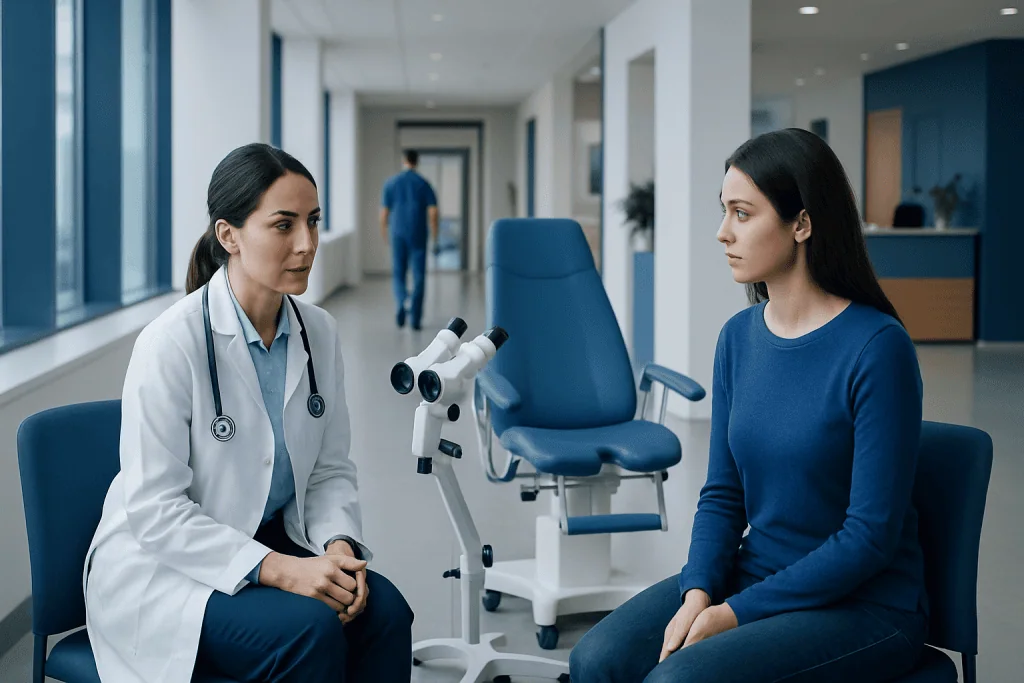
Colposcopy is a diagnostic examination used after certain abnormal Pap or HPV test results. The procedure allows the doctor to inspect the cervix under magnification and take a small biopsy if needed.
Key Takeaways
- Colposcopy is a diagnostic examination used after certain abnormal Pap or HPV test results.
- The procedure allows the doctor to inspect the cervix under magnification and take a small biopsy if needed.
- An abnormal screening result does not mean a person has cervical cancer; many changes are mild or temporary.
- Most people can return to normal activities soon after colposcopy, although spotting or mild cramping can occur.
- Follow-up is important because management depends on biopsy results, age, HPV type, pregnancy status, and previous screening history.
Colposcopy is a close examination of the cervix, usually recommended when a Pap test or HPV test shows changes that need a clearer look. It helps doctors find or rule out precancerous cervical changes early, often before any symptoms develop.
Overview: What Is Colposcopy?
Colposcopy is a medical examination that allows a gynecologist to look closely at the cervix, vagina, and sometimes the vulva using a special magnifying instrument called a colposcope. The colposcope stays outside the body and provides a bright, enlarged view of the tissues. This helps the doctor identify areas that may not be visible during a routine pelvic exam.
The test is most often done after cervical cancer screening shows a result that needs further evaluation. Screening tests, such as a Pap test or HPV test, can suggest that cervical cells may be changing, but they do not show the exact location or severity of those changes. Colposcopy bridges that gap by helping the doctor decide whether a biopsy is needed.
For many patients, the word abnormal can feel worrying. However, an abnormal Pap or HPV result is common and does not mean cancer is present. In many cases, the immune system clears HPV infection over time, and mild cervical cell changes may improve without treatment. Colposcopy is a careful next step to make sure any important changes are found early and managed appropriately.
Why Colposcopy Is Done After an Abnormal Pap or HPV Test
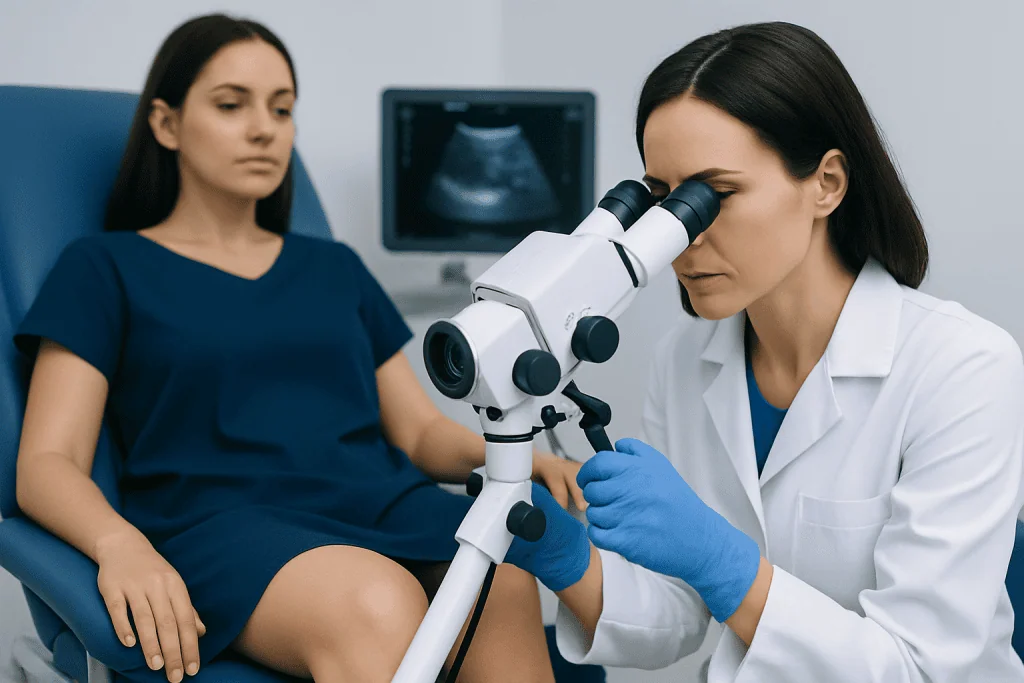
A Pap test looks for changes in cervical cells, while an HPV test checks for high-risk types of human papillomavirus that are linked to cervical precancer and cancer. If either test shows certain findings, colposcopy may be recommended to evaluate the cervix more directly. The decision depends on the exact result, the patient’s age, previous screening history, and current clinical guidelines.
Common reasons for colposcopy include abnormal cervical cells reported on a Pap test, a positive high-risk HPV test, persistent HPV infection, or results that suggest a higher-grade change. It may also be recommended if the cervix looks unusual during a pelvic exam, even when screening results are not clearly abnormal.
During colposcopy, the doctor applies gentle solutions to the cervix that make abnormal areas easier to see. If an area appears suspicious, a small tissue sample, called a cervical biopsy, may be taken. The biopsy is then examined under a microscope by a pathologist, which provides more accurate information than screening alone.
The goal is not only to detect cancer, but more importantly to identify precancerous changes before they become serious. When these changes are found early, doctors can recommend observation, follow-up testing, or treatment based on the level of risk.
What Abnormal Pap and HPV Results Can Mean

Cervical screening results can be reported using different terms, and each term carries a different level of concern. Mild abnormalities may reflect inflammation, irritation, a recent infection, or early HPV-related cell changes. Other results may suggest a greater chance of precancerous changes and therefore require closer assessment.
HPV is a very common virus transmitted through intimate skin-to-skin contact. High-risk HPV types can cause changes in cervical cells, but infection does not usually cause symptoms. Many HPV infections clear naturally, especially in younger people, but persistent infection with high-risk types can increase the chance of precancerous changes.
Examples of results that may lead to colposcopy include:
- A Pap result showing atypical or abnormal cervical cells
- A positive high-risk HPV test, especially if it persists over time
- Detection of certain HPV types considered higher risk
- Results suggesting low-grade or high-grade squamous intraepithelial lesions
- Previous abnormal results that require follow-up
The terminology can be confusing, so patients should ask their doctor to explain their result in plain language. The most important point is that screening results guide the next step; they are not a final diagnosis.
How to Prepare and What Happens During the Procedure
Colposcopy is usually performed in an outpatient gynecology clinic and often takes only a short visit. Preparation is simple. Patients may be advised to avoid vaginal intercourse, tampons, vaginal creams, or douching for a short time before the appointment, depending on the clinic’s instructions. If possible, the procedure is usually scheduled when menstrual bleeding is not heavy, because blood can make the cervix harder to see.
The examination begins much like a Pap test. The patient lies on an examination table, and a speculum is placed in the vagina to view the cervix. The doctor then looks through the colposcope and applies solutions, often acetic acid and sometimes iodine, to highlight areas of concern. These solutions may cause a mild stinging or cool sensation.
If no concerning areas are seen, a biopsy may not be necessary. If a biopsy is taken, the patient may feel a brief pinch or cramp. Sometimes a sample from the cervical canal, called endocervical sampling, is also collected. The doctor may apply a paste or solution afterward to reduce bleeding from the biopsy site.
Patients should tell the healthcare team if they are pregnant, may be pregnant, take blood-thinning medication, have allergies to iodine or other products, or have had fainting during pelvic procedures before. Colposcopy can often be performed safely during pregnancy when needed, but some steps may be adjusted.
After Colposcopy: Recovery, Results, and Follow-Up
Most people can return to routine daily activities soon after colposcopy. If no biopsy is performed, there may be little or no discomfort afterward. If a biopsy is taken, mild cramping, light spotting, or dark discharge from the medication used to control bleeding can occur for a few days.
The clinic may recommend avoiding tampons, vaginal intercourse, or swimming for a short period after biopsy to allow the cervix to heal. Patients should follow the specific instructions they receive, because recommendations can vary based on what was done during the procedure. Over-the-counter pain relief may be suggested by a doctor if mild cramps occur.
Biopsy results are usually reviewed with the patient once the pathology report is available. The results may show no significant abnormality, low-grade changes, high-grade precancerous changes, or, rarely, cancer. Follow-up may include repeat Pap and HPV testing, another colposcopy, or treatment to remove abnormal tissue.
It is important not to miss follow-up appointments, even if symptoms are absent. Cervical cell changes often do not cause pain or visible signs, so ongoing monitoring is the safest way to make sure the cervix remains healthy.
Treatment Options if Abnormal Cells Are Found
Treatment is not always needed after colposcopy. If changes are mild, the doctor may recommend observation and repeat testing because many low-grade changes improve naturally. This approach is especially common when the risk of progression is low and the patient can attend follow-up visits.
If high-grade precancerous changes are found, treatment may be recommended to remove or destroy the abnormal tissue. Common procedures include loop electrosurgical excision procedure, often called LEEP, cone biopsy, cryotherapy, or laser treatment. The choice depends on the biopsy result, size and location of the abnormal area, age, pregnancy plans, and previous treatment history.
Before treatment, the doctor should explain the benefits, possible risks, and expected recovery. Some excisional treatments can have implications for future pregnancy, so it is reasonable for patients to discuss fertility and pregnancy plans before deciding. In many cases, treatment is straightforward and performed as an outpatient procedure.
If cancer is suspected or diagnosed, the patient is referred for specialized gynecologic oncology care. This is less common than precancerous findings, but prompt evaluation ensures that the most appropriate treatment plan can be made.
Prevention, Self-Care, and When to See a Doctor
The best protection against cervical cancer is regular screening, timely follow-up of abnormal results, and HPV vaccination when appropriate. Screening schedules differ by age, test type, country, and medical history, so patients should follow their doctor’s recommendation. Those with a history of abnormal results may need more frequent monitoring than those with consistently normal tests.
Self-care also includes avoiding smoking, using barrier protection to reduce sexually transmitted infections, and seeking care for unusual symptoms. While HPV is common and often clears naturally, maintaining general health and attending follow-up visits supports early detection and prevention.
Patients should contact their doctor after colposcopy if they have heavy bleeding, fever, worsening pelvic pain, foul-smelling discharge, or symptoms that feel unusual for them. They should also seek guidance if they are pregnant, immunocompromised, or unsure about the meaning of their results.
For international patients who need evaluation or treatment, Acibadem International’s multidisciplinary specialists and JCI-accredited hospitals can diagnose and manage cervical screening abnormalities, including colposcopy and follow-up care. Patients should always discuss their individual results and options with a qualified gynecologist.
Frequently asked questions
Does needing a colposcopy mean I have cervical cancer?
No. Colposcopy is usually recommended because screening found changes that need a closer look, not because cancer has been diagnosed. Many abnormal Pap or HPV results are related to mild, temporary changes or HPV infection that may clear over time.
Is colposcopy painful?
Most patients describe colposcopy as similar to a Pap test, with pressure from the speculum. The solutions applied to the cervix may sting slightly. If a biopsy is taken, there may be a brief pinch or cramp.
What is the difference between a Pap test and colposcopy?
A Pap test collects cervical cells to look for abnormal changes under a microscope. Colposcopy allows the doctor to visually examine the cervix under magnification and take a targeted biopsy if needed. Pap testing is a screening test, while colposcopy is a diagnostic evaluation.
Can colposcopy be done during pregnancy?
Colposcopy can often be performed during pregnancy when there is a clear medical reason. The doctor may modify the examination and usually avoids certain procedures unless they are necessary. Pregnant patients should always tell the clinic before the appointment.
How long does it take to get biopsy results?
The timing varies by clinic and laboratory, but results are usually available after the tissue has been processed and reviewed by a pathologist. The healthcare team will explain when and how the patient should expect to receive results. Follow-up should not be skipped, even if the patient feels well.
What happens if the biopsy shows precancerous cells?
Management depends on whether the changes are low-grade or high-grade, as well as the patient’s age, pregnancy plans, and medical history. Low-grade changes may be monitored with repeat testing, while high-grade changes are more often treated. The doctor will recommend the safest option based on the full clinical picture.
References
- World Health Organization
- American College of Obstetricians and Gynecologists
- American Society for Colposcopy and Cervical Pathology
- National Cancer Institute
- Centers for Disease Control and Prevention
This article is for general information only and is not a substitute for professional medical advice. Please consult a qualified doctor about your individual situation.
Oncology care in Turkey — second opinion and treatment plan
JCI-accredited · board-certified surgeons · reply within 24h