TAVI: Aortic Valve Replacement Without Open Heart Surgery

TAVI treats severe aortic stenosis by placing a new valve inside the diseased aortic valve through a catheter. Most procedures are performed through an artery in the groin, avoiding open heart surgery and use of a heart-lung machine in many cases.
Key Takeaways
- TAVI treats severe aortic stenosis by placing a new valve inside the diseased aortic valve through a catheter.
- Most procedures are performed through an artery in the groin, avoiding open heart surgery and use of a heart-lung machine in many cases.
- Eligibility depends on symptoms, valve anatomy, overall health, surgical risk and a detailed heart team assessment.
- Recovery is usually shorter than traditional surgery, but careful follow-up and medication adherence are essential.
- Like all heart procedures, TAVI has potential risks, including bleeding, stroke, rhythm problems and valve-related complications.
TAVI is a minimally invasive procedure that replaces a narrowed aortic valve without opening the chest. It can help selected patients with severe aortic stenosis breathe easier, move more comfortably and reduce strain on the heart.
Overview
TAVI, or transcatheter aortic valve implantation, is a procedure used to treat severe aortic stenosis. Aortic stenosis means that the aortic valve, the main valve through which blood leaves the heart, has become narrowed and stiff. When this happens, the heart must work harder to pump blood to the body.
Unlike traditional surgical aortic valve replacement, TAVI does not require the breastbone to be opened. Instead, doctors guide a replacement valve to the heart through a thin tube called a catheter, most often inserted through an artery in the groin. The new valve is expanded inside the diseased valve, where it immediately begins to help blood flow more freely.
TAVI was first developed for people who were too high risk for open heart surgery, but its use has expanded as evidence and device technology have improved. Today, it may be considered for many patients with severe symptomatic aortic stenosis, depending on age, anatomy, other medical conditions and shared decision-making with a specialist heart team.
Why TAVI Is Performed
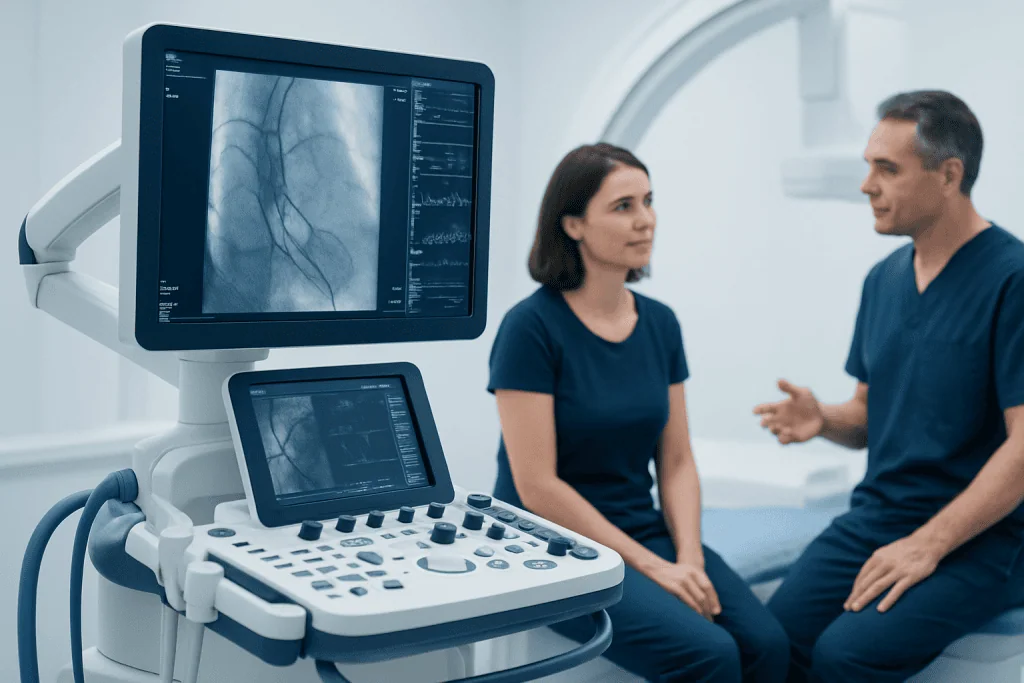
The most common reason for TAVI is severe aortic stenosis caused by age-related calcium buildup on the valve. Over time, the valve leaflets become thickened and less flexible. This restricts blood flow and may lead to symptoms such as shortness of breath, chest discomfort, fainting or reduced ability to exercise.
Severe symptomatic aortic stenosis is a serious condition because the narrowed valve places ongoing pressure on the heart muscle. Medication may help manage some symptoms or associated conditions, but it cannot reopen a severely narrowed valve. Valve replacement is the main treatment when symptoms and test results show that the stenosis is significant.
TAVI may be an option when a patient is considered suitable for a catheter-based approach. Factors include the size and shape of the aortic valve, the condition of the blood vessels used to reach the heart, the presence of other valve or coronary artery disease, kidney function, lung disease, frailty and previous heart surgery. The decision is individualized rather than based on a single test.
Who May Be Eligible

Eligibility for TAVI is assessed by a multidisciplinary heart team, usually including interventional cardiologists, cardiac surgeons, imaging specialists, anesthesiologists and nurses experienced in valve disease. The team reviews the diagnosis, procedural risk and the patient’s goals of care. This collaborative approach helps determine whether TAVI, surgical valve replacement or another plan is most appropriate.
Patients who may be considered include those with severe symptomatic aortic stenosis who are at increased surgical risk, those who are older or frail, and some people with prior chest surgery or other conditions that make open surgery more complex. In selected lower-risk patients, TAVI may also be considered if anatomy and long-term planning are favorable.
TAVI is not suitable for everyone. Some patients may have valve anatomy, active infection, blood vessel disease, other heart conditions or life expectancy considerations that make surgery or conservative management more appropriate. A careful assessment aims to match the treatment to the person, not simply to the diagnosis.
How the Procedure Is Done
Before TAVI, patients usually undergo several tests. These may include echocardiography, electrocardiography, blood tests, coronary angiography and CT imaging of the heart and blood vessels. These tests help confirm the severity of aortic stenosis, measure the valve, choose the correct valve size and plan the safest access route.
The most common approach is transfemoral TAVI, in which the catheter enters through the femoral artery in the groin. In some cases, alternative access routes may be used, such as through an artery near the shoulder or another carefully selected pathway. The procedure is performed in a specialized cardiac catheterization laboratory or hybrid operating room with advanced imaging.
During the procedure, the replacement valve is delivered to the diseased aortic valve on a catheter. Depending on the valve type, it is expanded with a balloon or self-expands into position. The new valve pushes the old leaflets aside and takes over their function. Doctors confirm the result using imaging and pressure measurements before removing the catheter.
Anesthesia varies by patient and center. Some people receive general anesthesia, while others may have conscious sedation with local anesthesia. The care team monitors heart rhythm, blood pressure, oxygen levels and other vital signs throughout the procedure.
Benefits, Risks and Safety Considerations
A major benefit of TAVI is that it avoids the larger incision and chest bone opening required for conventional surgery. Many patients experience a shorter hospital stay and a quicker return to gentle daily activity compared with open heart surgery. Improvement in symptoms, especially breathlessness and exercise tolerance, may occur gradually over days to weeks.
However, TAVI is still a significant heart procedure and carries risks. Possible complications include bleeding or injury at the catheter access site, blood vessel damage, stroke, heart rhythm disturbances, kidney injury, valve leakage around the implant and infection. Some patients may need a permanent pacemaker if the heart’s electrical system is affected.
The likelihood of complications depends on many factors, including age, vascular anatomy, other medical conditions and the complexity of the valve disease. For this reason, pre-procedure planning and experienced team care are essential. Patients should ask their doctor to explain personal risks and benefits in clear terms before giving consent.
Long-term considerations are also important. Replacement valves are durable, but they do not last forever. Younger patients may need careful lifetime planning, including how future valve procedures would be managed if the TAVI valve wears out years later.
Recovery and Follow-Up Care
After TAVI, patients are monitored in hospital while the care team checks heart rhythm, blood pressure, kidney function and the catheter access site. Some people go home within a few days, while others need longer observation, especially if they have other medical conditions or require additional support.
At home, patients are usually advised to increase activity gradually. Heavy lifting and strenuous exercise are avoided until the doctor confirms it is safe. Mild soreness or bruising near the groin access site can occur, but worsening swelling, bleeding, fever, chest pain, fainting or sudden shortness of breath should be reported promptly.
Medication plans vary. Many patients need antiplatelet or blood-thinning treatment for a period of time, especially if they have atrial fibrillation, coronary stents or other conditions. It is important not to stop these medicines without medical advice, because the balance between preventing clots and avoiding bleeding must be carefully managed.
Follow-up visits typically include clinical assessment and echocardiography to check how the new valve is working. Good dental hygiene and infection prevention are also important, because bacteria in the bloodstream can rarely infect heart valves. Patients should tell dentists and doctors that they have a replacement heart valve.
When to See a Doctor
Anyone with known aortic stenosis should attend regular cardiology follow-up, even if symptoms are mild. Symptoms that deserve medical attention include shortness of breath during activity, chest pressure, dizziness, fainting, unexplained fatigue, reduced exercise capacity or swelling in the legs. These changes may mean the valve disease is progressing.
Urgent medical care is needed for severe chest pain, fainting, sudden breathlessness, signs of stroke such as facial drooping or weakness on one side, or uncontrolled bleeding after a procedure. After TAVI, patients should also contact their care team if they develop fever, chills, worsening groin pain, palpitations or new swelling.
Patients considering TAVI should seek evaluation at a center with experience in structural heart disease, advanced imaging and both interventional cardiology and cardiac surgery expertise. For international patients, Acibadem International offers assessment and treatment of heart valve disease through multidisciplinary specialists in JCI-accredited hospitals, with care planning based on individual medical needs.
Frequently asked questions
Is TAVI the same as open heart valve surgery?
No. TAVI replaces the aortic valve using a catheter, usually inserted through an artery in the groin, rather than opening the chest. Both procedures can treat severe aortic stenosis, but the best option depends on the patient’s anatomy, health status, age and long-term treatment plan.
How long does a TAVI valve last?
TAVI valves are designed to function for many years, but durability varies from person to person. Follow-up echocardiograms help doctors monitor valve performance over time. Younger patients should discuss lifetime valve planning with their heart team.
Will symptoms improve immediately after TAVI?
Some people notice easier breathing or improved energy soon after the procedure, while others improve gradually as the heart adapts. Recovery also depends on other conditions such as lung disease, anemia, coronary artery disease or general fitness. Regular follow-up helps distinguish normal recovery from concerns that need attention.
Is TAVI painful?
During the procedure, anesthesia or sedation is used to keep the patient comfortable. Afterward, there may be mild tenderness or bruising at the catheter access site. Significant pain, swelling or bleeding should be reported to the medical team.
Can TAVI be done in patients with other heart problems?
Many patients with aortic stenosis also have conditions such as coronary artery disease, atrial fibrillation or heart failure. These do not automatically prevent TAVI, but they require careful assessment and planning. Sometimes additional procedures or medication adjustments are needed before or after valve replacement.
What lifestyle changes are important after TAVI?
Patients are usually encouraged to stay active within medical guidance, follow prescribed medicines, attend cardiac follow-up and manage risk factors such as high blood pressure, diabetes and high cholesterol. Avoiding smoking, eating a heart-healthy diet and maintaining dental hygiene can also support long-term health.
References
- European Society of Cardiology
- American College of Cardiology
- American Heart Association
- Society of Thoracic Surgeons
- National Institute for Health and Care Excellence
This article is for general information only and is not a substitute for professional medical advice. Please consult a qualified doctor about your individual situation.
TAVI in Turkey — costs, top hospitals & a free quote
JCI-accredited · board-certified surgeons · reply within 24h