Migraine: Triggers, Acute Treatment, and Prevention

Migraine is more than a headache; it is a neurological disorder with symptoms that may include nausea, sensitivity to light or sound, and aura. Common triggers include irregular sleep, skipped meals, stress changes, hormonal shifts, alcohol, certain foods, dehydration, and environmental factors.
Key Takeaways
- Migraine is more than a headache; it is a neurological disorder with symptoms that may include nausea, sensitivity to light or sound, and aura.
- Common triggers include irregular sleep, skipped meals, stress changes, hormonal shifts, alcohol, certain foods, dehydration, and environmental factors.
- Acute treatment works best when taken early and may include simple pain relievers, anti-nausea medicines, triptans, gepants, ditans, or other doctor-recommended options.
- Preventive treatment may be considered when attacks are frequent, prolonged, disabling, or when acute medicines are needed too often.
- A headache diary, healthy routines, and medical review help tailor treatment and reduce the risk of medication-overuse headache.
Migraine is a common neurological condition that can cause intense headache attacks, nausea, light sensitivity, and temporary disruption of daily life. With the right diagnosis, trigger management, acute treatment, and prevention plan, many people can reduce the frequency and impact of attacks.
Overview
Migraine is a long-term neurological condition that causes repeated attacks of head pain and other symptoms. The pain is often throbbing or pulsating and may affect one side of the head, although it can occur on both sides. Migraine attacks can last for hours to several days and may interfere with work, study, sleep, family life, and travel.
Migraine is not simply a severe headache. During an attack, the brain becomes more sensitive to light, sound, smell, movement, and sometimes touch. Many people also experience nausea, vomiting, dizziness, fatigue, or difficulty concentrating. Some have warning symptoms before the headache phase, known as aura, which can include visual changes such as flashing lights or blind spots.
The good news is that migraine is treatable. A care plan usually combines identification of triggers, timely acute treatment, lifestyle measures, and preventive therapy when needed. Because migraine patterns vary from person to person, a tailored plan guided by a qualified doctor is often the most effective approach.
Migraine Symptoms and Phases
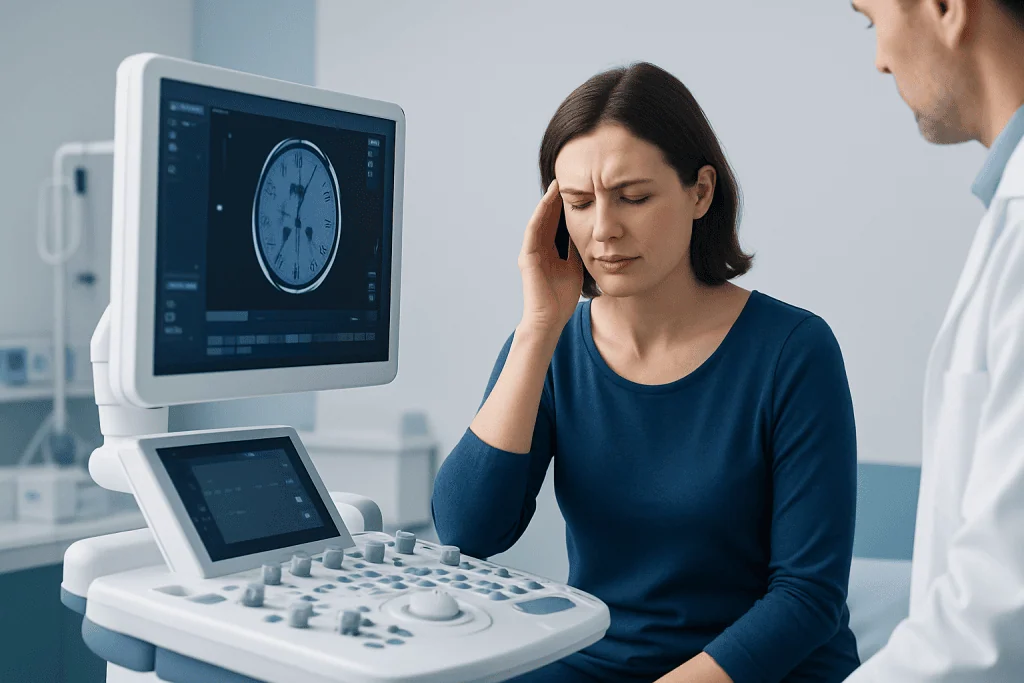
Migraine symptoms can occur in phases, although not everyone experiences every phase. The prodrome phase may begin hours or a day before headache pain and can include yawning, food cravings, mood changes, neck stiffness, increased urination, fatigue, or unusual sensitivity to light and sound. Recognizing these early signs can help some people start treatment or adjust activities before the attack becomes more intense.
Aura occurs in some people with migraine and is usually temporary. Visual aura is the most common type and may appear as shimmering lights, zigzag lines, blind spots, or blurred vision. Less commonly, aura can involve tingling, numbness, speech difficulty, or weakness. New, prolonged, or unusual neurological symptoms should always be assessed promptly, because other conditions can mimic migraine aura.
The headache phase often includes moderate to severe pain that worsens with movement. Nausea, vomiting, and sensitivity to light, sound, or odors are frequent. After the pain improves, the postdrome phase may leave a person feeling drained, foggy, irritable, or unusually refreshed for up to a day. Understanding these phases can make migraine feel more predictable and can support earlier, more effective treatment.
Common Migraine Triggers

A trigger is a factor that may increase the likelihood of an attack in a person who is already prone to migraine. Triggers do not act the same way for everyone, and one trigger may not always cause an attack. Often, several factors build up together, such as poor sleep plus stress plus dehydration, before migraine begins.
Common migraine triggers include irregular sleep, skipped meals, dehydration, stress or the let-down after stress, bright or flickering light, strong smells, weather changes, alcohol, and hormonal changes related to menstruation, pregnancy, perimenopause, or hormonal medicines. Some people report food-related triggers such as aged cheese, processed meats, chocolate, or foods containing certain additives, but food triggers are highly individual and should not lead to overly restrictive diets without medical or dietitian guidance.
- Routine-related triggers: sleep deprivation, oversleeping, shift work, jet lag, missed meals, and sudden caffeine changes.
- Environmental triggers: glare, screen flicker, loud noise, strong perfume, smoke, heat, or weather pressure changes.
- Body-related triggers: hormonal shifts, illness, neck tension, dehydration, and intense physical exertion in some people.
- Diet and substances: alcohol, especially red wine or spirits in some individuals, excessive caffeine, caffeine withdrawal, and individually sensitive foods.
A headache diary can help identify patterns more reliably than memory alone. Useful details include sleep, meals, hydration, stress level, menstrual cycle timing, weather changes, foods or drinks, medicines taken, and how well treatment worked. The goal is not to avoid all possible triggers, but to understand the most relevant ones and reduce the overall migraine load.
Diagnosis and Evaluation
Migraine is usually diagnosed through a careful medical history and neurological examination. A doctor will ask about the location and quality of pain, attack duration, associated symptoms, frequency, family history, triggers, medications, and how headaches affect daily activities. The pattern of recurrent attacks with migraine features is often enough to make the diagnosis.
Imaging tests such as MRI or CT scans are not required for every person with migraine. They may be recommended if there are warning signs, an abnormal neurological examination, a sudden new severe headache, headaches that are progressively worsening, new headaches after a certain age, headaches after head injury, or symptoms suggesting another condition. Blood tests or other investigations may be used when the history suggests a specific medical cause.
It is also important to review all medicines and supplements. Frequent use of pain relievers or migraine-specific medicines can lead to medication-overuse headache, where headaches become more common and treatment becomes less effective. A doctor can help distinguish migraine from tension-type headache, cluster headache, sinus-related pain, medication-overuse headache, and secondary headaches that need different care.
Acute Migraine Treatment
Acute treatment aims to stop or reduce a migraine attack after it starts. Treatment is generally most effective when taken early, while pain is still mild to moderate, and with enough water if nausea allows. Resting in a quiet, dark room, applying a cold pack, limiting screen exposure, and avoiding strong smells can provide additional comfort during an attack.
Some people respond to over-the-counter pain relievers such as paracetamol or nonsteroidal anti-inflammatory drugs, when these are safe for them. Others may need prescription options. Triptans are commonly used migraine-specific medicines for suitable patients. Newer prescription medicines, including gepants and ditans, may be options for some people, especially when triptans are not suitable or not effective. Anti-nausea medicines may be added when nausea or vomiting prevents oral medicine from working well.
Not every medicine is appropriate for every patient. People with certain cardiovascular conditions, kidney or liver disease, stomach ulcers, pregnancy, breastfeeding, medication allergies, or complex medical histories should discuss safe options with a doctor. It is also important not to use acute medicines too often, because frequent use can increase headache frequency over time.
A practical acute plan should answer three questions: what to take first, what to do if symptoms do not improve, and when urgent medical advice is needed. Patients who have prolonged attacks, severe vomiting, or repeated emergency visits may benefit from a written rescue plan developed with a neurologist or headache specialist.
Migraine Prevention Options
Prevention is considered when migraine attacks are frequent, prolonged, disabling, poorly responsive to acute treatment, or when acute medicines are needed often. Preventive care does not usually eliminate migraine completely, but it can reduce attack frequency, severity, and duration. It may also improve response to acute treatment and restore confidence in daily planning.
Preventive strategies include both lifestyle-based and medical approaches. Regular sleep and wake times, consistent meals, hydration, appropriate physical activity, stress management, and avoiding large caffeine fluctuations can be helpful. Relaxation training, cognitive behavioral strategies, biofeedback, physiotherapy for associated neck issues, and treatment of sleep disorders may also support migraine control.
Prescription preventive medicines may include several established classes, such as certain blood pressure medicines, antidepressants, anti-seizure medicines, or other medications selected according to the patient’s health profile. For chronic migraine or frequent attacks, options may include botulinum toxin injections or newer therapies targeting calcitonin gene-related peptide, known as CGRP, through monoclonal antibodies or oral medicines. The choice depends on migraine pattern, other medical conditions, pregnancy plans, possible side effects, access, and patient preference.
Preventive treatment usually requires patience and follow-up. Doctors often evaluate benefit over several weeks to months and may adjust the plan if improvement is incomplete or side effects occur. A headache diary is especially useful during this period, as it shows whether attack days, medicine use, and disability are decreasing.
Prevention and Self-Care in Daily Life
Self-care is not a substitute for medical treatment, but it can make the nervous system more resilient to migraine triggers. Consistency is often more helpful than strict rules. Many people benefit from keeping a stable sleep schedule, eating balanced meals at regular times, drinking enough fluids, and building moderate physical activity into the week.
Stress management is an important part of migraine care, because both stress and sudden relaxation after stress can be associated with attacks. Techniques such as paced breathing, mindfulness, gentle stretching, journaling, or planned breaks may help. People who notice screen-related headaches can try adjusting brightness, reducing glare, using regular visual breaks, and checking whether eye strain needs assessment.
Caffeine deserves special attention. Small, consistent amounts may not be a problem for some people, and caffeine is included in certain headache medicines. However, heavy intake, irregular intake, or sudden withdrawal can contribute to attacks. Alcohol can also be a strong trigger for some individuals, so personal patterns should guide decisions.
Patients should avoid blaming themselves when migraine occurs. Even with excellent routines, attacks can still happen because migraine is a biological condition. The aim is to reduce risk where possible, treat early when attacks occur, and seek medical support when the pattern changes or remains disruptive.
When to See a Doctor
A medical assessment is recommended for recurrent headaches that interfere with daily life, headaches that require frequent medication, or symptoms that suggest migraine but have not been formally diagnosed. People should also seek advice if their usual treatment no longer works, if attacks become more frequent, or if nausea and vomiting make it difficult to take medicines or stay hydrated.
Urgent medical care is needed for a sudden, severe headache that reaches maximum intensity quickly; a headache with weakness, confusion, fainting, seizure, fever, stiff neck, vision loss, or difficulty speaking; a new headache after head injury; or a new type of headache during pregnancy or after delivery. New headaches in people with cancer, immune suppression, or significant systemic illness should also be assessed promptly.
Specialist care may be helpful when diagnosis is uncertain, when preventive treatment is being considered, or when migraine is chronic or complex. Acibadem International’s multidisciplinary specialists and JCI-accredited hospitals diagnose and treat neurological conditions, including migraine, for international patients who need coordinated evaluation and care. Patients should consult a qualified healthcare professional to choose the safest and most appropriate treatment plan for their individual situation.
Frequently asked questions
What is the difference between a migraine and a regular headache?
Migraine is a neurological disorder that often includes symptoms beyond head pain, such as nausea, light sensitivity, sound sensitivity, and sometimes aura. A regular tension-type headache is usually milder, more pressure-like, and less likely to worsen with movement. Because headache types can overlap, a medical evaluation is helpful when headaches are recurrent or disabling.
Can migraine be cured permanently?
There is currently no guaranteed permanent cure for migraine, but many people achieve good control with the right plan. Treatment can reduce attack frequency, make attacks less severe, and improve daily functioning. Migraine patterns may also change over time, so periodic review with a doctor is useful.
When should acute migraine medicine be taken?
Acute treatment usually works best when taken early in an attack, before pain becomes severe. People with aura should follow their doctor’s specific instructions, as timing may vary depending on the medicine. If vomiting, prolonged attacks, or poor response are common, the treatment plan should be reviewed.
How often is too often to use pain relievers for migraine?
Using acute headache medicines too frequently can contribute to medication-overuse headache. The exact threshold depends on the type of medicine and the individual situation, so patients should ask their doctor for a safe monthly limit. A need for frequent acute medicine is often a sign that preventive treatment should be considered.
Are food triggers the same for everyone with migraine?
No. Food triggers vary widely, and many people with migraine do not have clear food triggers at all. A headache diary can help identify consistent patterns, but broad restrictive diets are usually not recommended unless guided by a healthcare professional.
Is exercise safe for people with migraine?
Regular moderate exercise is generally helpful for overall health and may support migraine prevention. However, sudden intense exercise can trigger attacks in some people, especially when dehydrated, hungry, or sleep-deprived. Building activity gradually and warming up can make exercise more tolerable.
Can children and teenagers have migraine?
Yes, migraine can occur in children and teenagers, and symptoms may differ from adults. Children may have shorter attacks, pain on both sides of the head, stomach pain, nausea, or sensitivity to light and sound. A pediatrician or pediatric neurologist can confirm the diagnosis and recommend age-appropriate treatment.
References
- World Health Organization
- International Headache Society
- American Migraine Foundation
- National Institute for Health and Care Excellence
- European Headache Federation
This article is for general information only and is not a substitute for professional medical advice. Please consult a qualified doctor about your individual situation.
Migraine in Turkey — costs, top hospitals & a free quote
JCI-accredited · board-certified surgeons · reply within 24h

More from the Health Library

Related Specialists

Fzt. Elif Tokgöz Nizam
Physical Medicine and Rehabilitation
Prof. Dr. Özlem Sönmez
Internal Medicine
Prof. Dr. Yusufhan Süoğlu
Otorhinolaryngology
Dr. Lerzan Doğan
Anesthesiology