Sleep Apnea: Snoring, CPAP Therapy, and Health Risks

Loud, frequent snoring can be a sign of sleep apnea, especially when it is accompanied by pauses in breathing, gasping, or daytime sleepiness. Obstructive sleep apnea is the most common type and occurs when the upper airway repeatedly becomes blocked during sleep.
Key Takeaways
- Loud, frequent snoring can be a sign of sleep apnea, especially when it is accompanied by pauses in breathing, gasping, or daytime sleepiness.
- Obstructive sleep apnea is the most common type and occurs when the upper airway repeatedly becomes blocked during sleep.
- A sleep study is the standard way to diagnose sleep apnea and assess its severity.
- CPAP therapy is a leading treatment that keeps the airway open by providing gentle air pressure during sleep.
- Lifestyle changes, oral appliances, positional therapy, and selected surgical options may also help, depending on the cause and severity.
- Untreated sleep apnea may affect heart health, blood pressure, concentration, mood, and overall quality of life.
Sleep apnea is a common sleep-related breathing disorder in which breathing repeatedly slows or stops during sleep. With proper diagnosis and treatment, many people sleep better, feel more alert, and reduce related health risks.
Overview
Sleep apnea is a sleep disorder in which breathing repeatedly becomes shallow or briefly stops during sleep. These breathing interruptions can happen many times during the night and may reduce oxygen levels, fragment sleep, and prevent the body from reaching deeper, restorative sleep stages. Many people with sleep apnea are not fully aware of the breathing pauses and first notice symptoms such as loud snoring, morning tiredness, or daytime sleepiness.
The most common form is obstructive sleep apnea, which occurs when muscles and soft tissues in the throat relax and narrow or block the upper airway. Less commonly, central sleep apnea occurs when the brain does not consistently send the right signals to the breathing muscles. Some people have a combination of both, known as complex or treatment-emergent sleep apnea.
Sleep apnea is treatable. A correct diagnosis can help the medical team choose the most appropriate approach, which may include continuous positive airway pressure, known as CPAP therapy, lifestyle measures, oral appliance therapy, or other treatments. The goal is to keep breathing stable during sleep, improve sleep quality, and support long-term health.
Symptoms and Signs
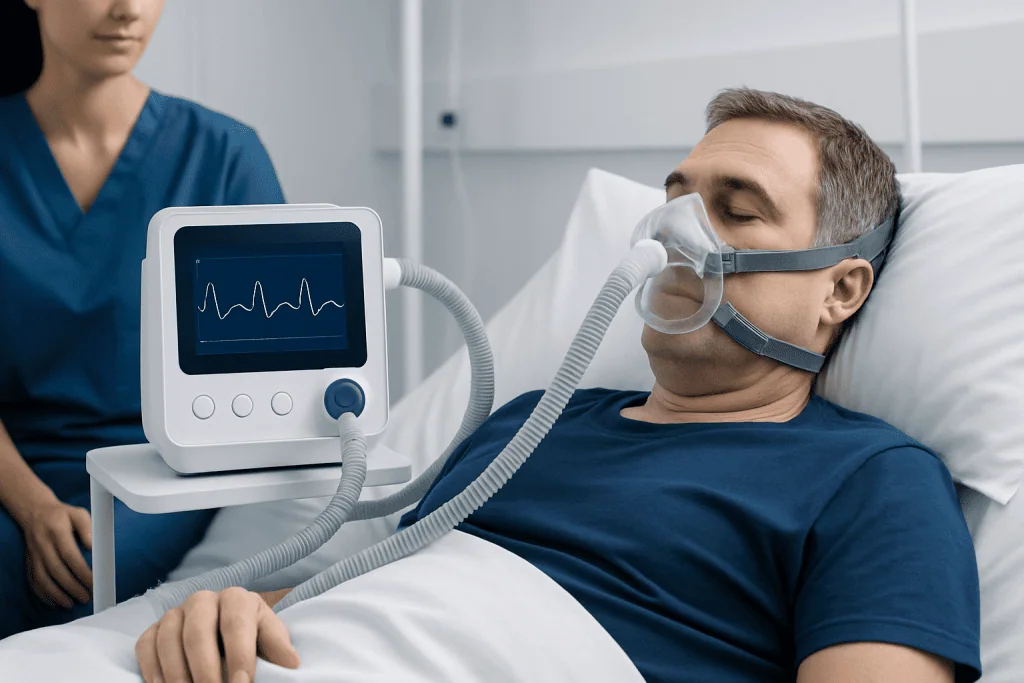
Snoring is one of the best-known signs of obstructive sleep apnea, but not everyone who snores has sleep apnea. Snoring becomes more concerning when it is loud, persistent, or interrupted by choking, gasping, or silent pauses in breathing. Often, a bed partner or family member notices these episodes before the person with sleep apnea does.
Daytime symptoms may include waking unrefreshed, morning headaches, dry mouth, difficulty concentrating, irritability, reduced work or school performance, and sleepiness while reading, watching television, or sitting quietly. Some people wake frequently during the night to urinate or experience restless sleep without knowing why. Children may show different signs, such as hyperactivity, learning difficulties, bedwetting, or mouth breathing.
Common symptoms and signs include:
- Loud, habitual snoring
- Observed pauses in breathing during sleep
- Gasping, choking, or snorting during the night
- Excessive daytime sleepiness or fatigue
- Morning headaches or dry mouth
- Poor concentration, mood changes, or reduced memory
- High blood pressure that is difficult to control
Symptoms can vary from mild to significant, and some people with moderate or severe sleep apnea may report only subtle daytime effects. For this reason, persistent snoring with breathing pauses should be assessed even if the person feels they are coping well.
Causes and Risk Factors
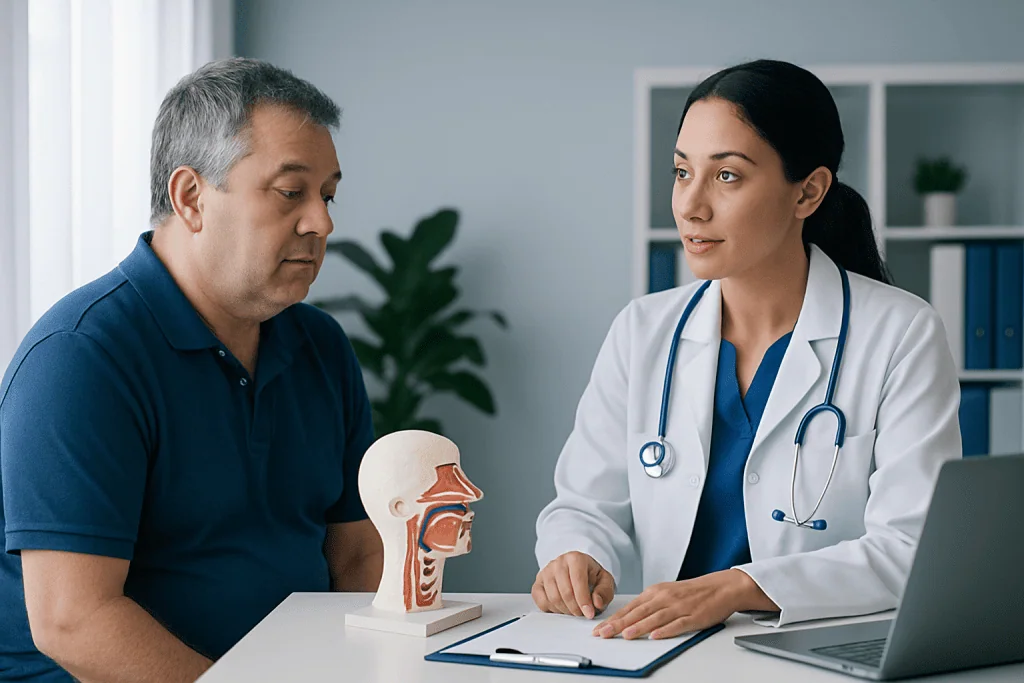
Obstructive sleep apnea develops when the upper airway becomes narrowed or blocked during sleep. During sleep, the muscles of the tongue, soft palate, and throat naturally relax. In some people, this relaxation allows the airway to collapse enough to reduce airflow. The brain senses the change and briefly arouses the person to reopen the airway, often without full awareness.
Several factors can increase the likelihood of sleep apnea. Excess body weight is an important risk factor because fatty tissue around the neck and airway can contribute to narrowing. However, sleep apnea can also affect people who are not overweight. Anatomy plays a role, including a small jaw, large tonsils, a large tongue, nasal obstruction, or a naturally narrow throat.
Other risk factors include older age, male sex, family history, smoking, alcohol use close to bedtime, sedative medications, and sleeping on the back. Nasal congestion from allergies or structural problems may worsen snoring and airway resistance. Medical conditions such as high blood pressure, heart disease, type 2 diabetes, stroke history, and hypothyroidism are also associated with a higher risk of sleep apnea.
In children, enlarged tonsils and adenoids are common contributors. Childhood sleep apnea should be taken seriously because quality sleep is important for growth, learning, behavior, and development. Evaluation by a pediatrician, ear, nose, and throat specialist, or sleep medicine physician may be recommended when symptoms are present.
Diagnosis and Sleep Study
Diagnosis usually begins with a medical history, sleep symptom review, and physical examination. The doctor may ask about snoring, witnessed breathing pauses, daytime sleepiness, work or driving alertness, medications, alcohol use, nasal symptoms, and existing medical conditions. Because sleep apnea often affects people during periods they do not remember, input from a bed partner can be very helpful.
The standard diagnostic test is a sleep study, also called polysomnography. An overnight study in a sleep laboratory records breathing, oxygen levels, heart rate, sleep stages, body position, and movements. In selected adults with a high likelihood of uncomplicated obstructive sleep apnea, a home sleep apnea test may be appropriate. Home tests typically measure fewer signals, so they may not be suitable for everyone, especially people with significant heart or lung disease, neurological conditions, or suspected central sleep apnea.
Sleep apnea severity is often described using the apnea-hypopnea index, which estimates how many breathing pauses or reductions occur per hour of sleep. Doctors also consider oxygen changes, sleep disruption, symptoms, and other health conditions. A person’s treatment plan should be based on the full clinical picture, not only on a number from the sleep study.
Additional evaluation may include assessment by an ear, nose, and throat specialist, dental sleep medicine specialist, cardiologist, or other clinician when appropriate. This team-based approach can be useful when anatomy, nasal obstruction, jaw structure, or other medical issues may influence treatment choices.
CPAP Therapy and Other Treatment Options
CPAP therapy is one of the most effective and widely used treatments for obstructive sleep apnea. CPAP stands for continuous positive airway pressure. The device delivers a steady stream of gently pressurized air through a mask worn during sleep. This air pressure acts like a splint to keep the airway open, helping prevent breathing pauses and improve oxygen levels.
There are different mask styles, including nasal masks, nasal pillow masks, and full-face masks. Comfort and fit are important for successful use. Some people need time to adjust to the sensation of air pressure or wearing a mask. Practical steps such as trying different masks, using humidification, adjusting straps correctly, managing nasal congestion, and gradually increasing nightly use can make therapy easier. Follow-up with the sleep team helps address leaks, dryness, pressure discomfort, or other challenges.
Other positive airway pressure options may be used in certain cases. Auto-adjusting PAP devices vary pressure through the night based on breathing patterns. Bi-level PAP provides different pressures for inhalation and exhalation and may be recommended for selected patients. The choice depends on the diagnosis, sleep study findings, comfort, and other medical conditions.
For mild to moderate obstructive sleep apnea, or for people who cannot tolerate CPAP, an oral appliance may be considered. These custom-fitted dental devices usually work by moving the lower jaw slightly forward to help keep the airway open. Positional therapy may help people whose sleep apnea is worse when lying on the back. Surgery may be an option for selected patients when a specific anatomical blockage is identified, such as enlarged tonsils, certain nasal problems, or jaw structure issues. Treatment should be individualized after careful assessment.
Health Risks of Untreated Sleep Apnea
Untreated sleep apnea can affect health because repeated breathing pauses place stress on the body and interrupt normal sleep. Poor sleep quality can contribute to daytime sleepiness, reduced attention, slower reaction time, mood changes, and lower quality of life. For people who drive or operate machinery, excessive sleepiness is an important safety concern that should be discussed with a doctor.
Sleep apnea is also linked with cardiovascular and metabolic conditions. It may contribute to high blood pressure and can place additional strain on the heart. It is commonly seen in people with coronary artery disease, heart rhythm problems, heart failure, stroke history, and type 2 diabetes. The relationship can be complex, and treating sleep apnea is one part of broader medical care.
Many people notice improvements after effective treatment, including more refreshing sleep, better daytime alertness, fewer morning headaches, and reduced snoring. Treatment may also support blood pressure control and overall cardiovascular risk management, especially when combined with healthy lifestyle habits and appropriate medical care for other conditions.
The purpose of discussing health risks is not to alarm patients, but to highlight the value of evaluation and treatment. Sleep apnea is common, and clinicians have several tools to diagnose and manage it. Early recognition gives patients more options and may prevent symptoms from becoming more disruptive.
Prevention, Lifestyle Measures, and Self-Care
Not all cases of sleep apnea can be prevented, especially when anatomy or genetics are involved. However, certain lifestyle measures can reduce symptoms and improve treatment success. For people with overweight or obesity, gradual weight loss may reduce airway narrowing and improve obstructive sleep apnea. Even when weight loss is helpful, it should not replace prescribed therapy unless a doctor confirms that sleep apnea has improved.
Avoiding alcohol close to bedtime may help because alcohol relaxes throat muscles and can worsen snoring and airway collapse. Sedative medications can have similar effects, so patients should discuss sleep aids, anxiety medicines, or pain medicines with a qualified clinician. Smoking can irritate the upper airway and increase inflammation, so smoking cessation may benefit sleep and overall health.
Good sleep habits can support treatment. These include keeping a regular sleep schedule, creating a comfortable sleep environment, limiting late caffeine, and treating nasal allergies or congestion when present. Some people benefit from sleeping on their side if their apnea is position-dependent. Elevating the head of the bed may reduce snoring for some, although it is not a substitute for medical treatment when sleep apnea is confirmed.
People using CPAP should clean and maintain equipment according to manufacturer and clinician instructions. Replacing masks, tubing, and filters when recommended can improve comfort and reduce leaks. If therapy feels difficult, patients should not simply stop; small adjustments often solve common problems.
When to See a Doctor
A doctor should be consulted if a person has loud regular snoring, witnessed pauses in breathing, gasping during sleep, unexplained daytime sleepiness, morning headaches, or difficulty staying alert. Medical advice is also important if snoring is accompanied by high blood pressure, heart disease, irregular heartbeat, stroke history, diabetes, or significant weight changes.
Urgent medical attention may be needed if sleepiness is severe enough to create safety concerns, such as falling asleep while driving. People should avoid driving or other high-risk activities when they feel excessively sleepy and should seek professional assessment promptly.
Patients already using CPAP or another treatment should arrange follow-up if symptoms return, the mask leaks, the device feels uncomfortable, or weight, medications, or health conditions change. Treatment settings and equipment sometimes need reassessment over time.
For international patients, Acibadem International’s multidisciplinary specialists and JCI-accredited hospitals can evaluate and treat sleep apnea, including sleep studies and individualized therapy planning. As with any medical condition, the most appropriate care plan should be decided after assessment by qualified healthcare professionals.
Frequently asked questions
Is snoring always a sign of sleep apnea?
No. Many people snore without having sleep apnea, especially during a cold, after alcohol, or when sleeping on the back. Snoring is more concerning when it is loud, frequent, and associated with pauses in breathing, gasping, choking, or daytime sleepiness. A sleep study can determine whether sleep apnea is present.
What is CPAP therapy and how does it work?
CPAP therapy uses a bedside device that sends gently pressurized air through a mask during sleep. This pressure helps keep the upper airway open and reduces breathing pauses. It does not breathe for the person; it supports normal breathing by preventing airway collapse.
How long does it take to get used to CPAP?
Adjustment time varies. Some people feel comfortable within a few nights, while others need several weeks of mask fitting, pressure adjustment, and practice. Follow-up with the sleep team is important because leaks, dryness, congestion, or discomfort can often be corrected.
Can sleep apnea go away with weight loss?
Weight loss can improve obstructive sleep apnea in many people with excess weight, but it may not fully resolve the condition. Anatomy, age, genetics, and other factors can still contribute. Patients should continue prescribed treatment until a doctor reassesses them, often with repeat sleep testing if appropriate.
Are oral appliances as effective as CPAP?
Oral appliances can be helpful for selected people, especially those with mild to moderate obstructive sleep apnea or those who cannot tolerate CPAP. CPAP is often more effective for keeping the airway open in moderate to severe cases, but the best treatment is the one that is medically appropriate and used consistently. A sleep physician and qualified dental specialist can guide the choice.
Can children have sleep apnea?
Yes. Children can have sleep apnea, often related to enlarged tonsils or adenoids, nasal obstruction, or certain craniofacial features. Symptoms may include snoring, restless sleep, mouth breathing, bedwetting, learning difficulties, or behavior changes. Children with these signs should be evaluated by a pediatrician or appropriate specialist.
References
- American Academy of Sleep Medicine
- Mayo Clinic
- National Heart, Lung, and Blood Institute
- World Health Organization
- European Respiratory Society
This article is for general information only and is not a substitute for professional medical advice. Please consult a qualified doctor about your individual situation.
Sleep Apnea in Turkey — costs, top hospitals & a free quote
JCI-accredited · board-certified surgeons · reply within 24h
Check your numbers in seconds
BMI, calories, due date, blood pressure and 30+ more clinical calculators — free, instant, doctor-reviewed ranges.

More from the Health Library


Related Specialists

Dr. Selvi Okundu
Neurology
Prof. Dr. Hayati Özkan
Cardiovascular Surgery
Assoc. Prof. Dr. İlker Özgür Koska
Radiology
Assoc. Prof. Dr. Fatma Ölmez
Gynecology & Obstetrics