Fracture Healing: Casts, Surgery, and Signs of Complications

Most fractures heal in stages, beginning with inflammation and gradually forming new bone that strengthens over time. Casts, splints, and braces help keep bones aligned and protected while healing occurs.
Key Takeaways
- Most fractures heal in stages, beginning with inflammation and gradually forming new bone that strengthens over time.
- Casts, splints, and braces help keep bones aligned and protected while healing occurs.
- Surgery may be recommended for displaced, unstable, open, joint-related, or complex fractures.
- Pain, swelling, and bruising often improve gradually, but worsening symptoms should be checked by a doctor.
- Numbness, increasing tightness in a cast, fever, drainage, severe pain, or color changes in fingers or toes can be warning signs.
- Rehabilitation and safe return to activity are important parts of full recovery.
Medically reviewed by the Acıbadem International Medical Board — June 20, 2026
Fracture healing is a natural repair process that may require a cast, splint, brace, or surgery depending on the type and location of the broken bone. Knowing what is normal during recovery and what symptoms may signal a complication helps patients protect healing and seek timely care.
Overview
A fracture is a break or crack in a bone. It can happen after a fall, sports injury, traffic accident, twisting injury, or from a medical condition that weakens bone, such as osteoporosis. Some fractures are small and stable, while others are displaced, involve a joint, or break the skin. Treatment depends on the bone involved, the fracture pattern, the patient’s age and health, and how well the bone pieces are aligned.
Fracture healing is a biological repair process. The body forms a blood clot around the break, brings in healing cells, creates soft tissue called callus, and gradually replaces it with stronger bone. Even after X-rays show healing, the bone may continue to remodel and strengthen for months. This is why recovery usually includes both bone protection and gradual return to movement.
Many fractures heal well with non-surgical treatment such as a cast, splint, or removable brace. Other fractures need surgery to restore alignment, stabilize the bone, or protect a nearby joint. In all cases, the goal is to help the bone heal in the best possible position while maintaining circulation, nerve function, and muscle strength as much as possible.
How Bones Heal After a Fracture
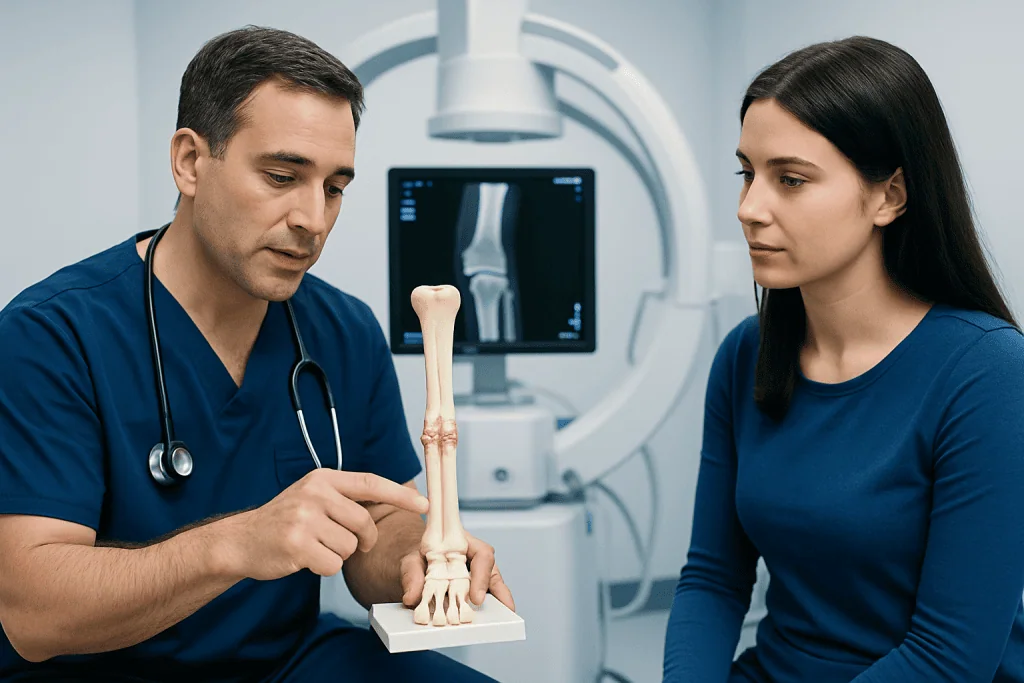
Bone healing generally occurs in overlapping stages. During the first stage, bleeding at the fracture site creates a clot and inflammation. This may cause pain, swelling, warmth, and bruising. These symptoms are part of the early healing response, although they should gradually become easier to manage with appropriate care.
Next, the body forms a soft callus around the broken ends. This early repair tissue acts like a bridge, but it is not yet strong enough for normal use. Over time, minerals are deposited and the callus becomes harder. This stage is often when X-rays begin to show new bone formation, although the timing varies by bone, fracture type, and patient factors.
The final stage is remodeling. The body reshapes the newly formed bone in response to normal forces and movement. Children often remodel bone more quickly than adults. In adults, full strength can take longer, especially for fractures of the leg, pelvis, wrist, shoulder, or bones with limited blood supply.
Healing time is influenced by many factors, including fracture severity, stability, blood flow, nutrition, smoking, diabetes, certain medications, infection, and whether instructions about weight-bearing and activity are followed. A healthcare professional can explain the expected timeline for a specific fracture because recovery can differ widely from one patient to another.
Casts, Splints, and Braces

Casts, splints, and braces are used to immobilize a fracture and help maintain alignment while bone healing occurs. A splint is often used soon after injury because it allows room for swelling. A cast may be applied once swelling is controlled or when firmer support is needed. Some fractures are treated with a removable brace or walking boot, especially during later stages of recovery.
Proper cast care helps prevent skin problems and protects the fracture. The cast should be kept dry unless the care team has provided a specific waterproof option and instructions. Objects should not be placed inside the cast to scratch the skin, as this can cause cuts or infection. If itching occurs, the patient should ask the healthcare team for safe ways to manage it.
Patients are often advised to elevate the injured limb in the first days after injury, move free fingers or toes if allowed, and avoid putting weight on the limb unless instructed. Swelling may make a cast feel snug at first, but it should not cause increasing pain, numbness, tingling, or color changes. These symptoms require prompt medical advice.
A cast or brace should never be removed or altered at home unless a clinician has instructed the patient to do so. If the cast cracks, becomes very loose, develops a bad odor, gets soaked, or causes rubbing and sores, the treating team should be contacted for assessment and replacement if needed.
When Surgery Is Needed
Surgery is not necessary for every fracture. It is considered when a broken bone is unlikely to heal well with casting alone, when the bone ends cannot be kept in a good position, or when the fracture affects joint alignment. Surgery may also be needed for open fractures, fractures with blood vessel or nerve injury, multiple injuries, or fractures that remain unstable after reduction.
Common surgical methods include plates and screws, rods placed inside the bone, pins, wires, or external fixation devices outside the body. These implants hold the bone in a stable position so healing can occur. The choice depends on the location and shape of the fracture, bone quality, soft tissue condition, and the patient’s overall needs.
After fracture surgery, pain control, wound care, swelling management, and safe movement are important. Some patients can begin gentle exercises early, while others must limit weight-bearing for a period of time. Follow-up X-rays are used to check alignment and healing progress. Implants may stay in place permanently unless they cause irritation, infection, or another medical reason for removal.
As with any operation, fracture surgery has risks, including infection, bleeding, blood clots, stiffness, delayed healing, or hardware-related symptoms. The orthopedic surgeon explains the expected benefits and risks based on the individual fracture and helps the patient decide on the safest treatment plan.
Normal Recovery Symptoms and Follow-up
Some discomfort, bruising, and swelling are expected after a fracture, especially during the first days. Pain usually becomes more manageable as the bone is stabilized and swelling improves. The injured area may remain tender for some time, and muscles can feel weak or stiff after immobilization. These changes are common and usually improve with guided activity and rehabilitation.
Follow-up appointments are an essential part of fracture healing. The doctor checks pain levels, skin condition, circulation, nerve function, joint motion, and X-ray healing. Sometimes a cast is changed as swelling decreases. In other cases, treatment is adjusted if alignment shifts or healing is slower than expected.
Patients should follow instructions about weight-bearing, lifting, sports, driving, and work activities. Returning too quickly can increase the risk of displacement, re-injury, or delayed healing. On the other hand, safe movement of nearby joints can help reduce stiffness and swelling when permitted by the clinician.
Recovery also depends on general health. A balanced diet with adequate protein, calcium, vitamin D, and overall calories supports tissue repair. Patients who smoke are usually encouraged to stop because smoking can reduce blood flow and slow bone healing. Medical conditions such as diabetes, thyroid disease, or osteoporosis should be well managed during recovery.
Signs of Possible Complications
Most fractures heal without serious problems, but it is important to know which symptoms should be checked. A complication does not always mean something severe is happening; it means the care team should assess the situation early. Patients should contact a healthcare professional if symptoms are worsening instead of gradually improving.
Warning signs may include severe or increasing pain that is not relieved by prescribed measures, a cast that feels too tight, numbness or tingling, inability to move fingers or toes, or fingers or toes that become pale, blue, cold, or very swollen. These symptoms may indicate pressure on nerves or blood vessels and should be assessed promptly.
Other signs needing medical attention include fever, chills, increasing redness, warmth, pus-like drainage, a bad smell from under a cast, wound opening after surgery, or new calf pain and swelling. Open fractures and surgical wounds require especially careful monitoring for infection. Patients should also report chest pain, shortness of breath, or sudden dizziness urgently.
Delayed union means a fracture is taking longer than expected to heal, while nonunion means the bone has not healed after an extended period. Malunion means the bone heals in an imperfect position. These issues are more likely with severe fractures, poor blood supply, infection, smoking, or certain medical conditions, and they may require additional treatment.
Rehabilitation, Self-care, and Return to Activity
Rehabilitation is often needed after a cast is removed or after surgery. Immobilization protects the bone but can lead to stiffness, muscle loss, and reduced balance or coordination. A physiotherapist may guide exercises to restore range of motion, strength, posture, and safe walking or hand function, depending on the injured area.
Self-care includes keeping follow-up visits, taking medications only as prescribed, protecting the injured limb, and gradually increasing activity. Patients should avoid high-impact sports, heavy lifting, or risky movements until cleared by the treating clinician. If a walking aid such as crutches or a walker is recommended, correct use can reduce the risk of falls.
Prevention is also part of long-term care. Adults with low-energy fractures may need assessment for osteoporosis or vitamin D deficiency. Fall prevention, strength and balance exercises, safe footwear, and reviewing medications that may cause dizziness can help reduce future fracture risk. Athletes may benefit from technique training and protective equipment.
Patients traveling for care should keep copies of X-rays, operative notes, implant details, and follow-up recommendations. Acibadem International’s multidisciplinary specialists and JCI-accredited hospitals diagnose and treat fractures for international patients, including those who need orthopedic evaluation, surgery, imaging, or rehabilitation planning.
When to See a Doctor
Any suspected fracture should be evaluated by a qualified healthcare professional. Signs include pain after an injury, swelling, bruising, deformity, inability to bear weight, difficulty using a limb, or tenderness directly over a bone. Medical assessment may include physical examination and imaging such as X-ray, CT, or MRI when needed.
Patients already receiving fracture treatment should seek medical advice if pain suddenly worsens, the cast becomes uncomfortable, the injured limb changes color or temperature, or numbness and weakness develop. After surgery, increasing wound redness, drainage, fever, or new swelling should also be reported.
Emergency care is needed for an open fracture, major deformity, loss of circulation, uncontrolled pain, or symptoms such as chest pain or shortness of breath. Prompt care helps protect the bone, nerves, blood vessels, and soft tissues, and supports the best possible recovery.
Frequently asked questions
How long does fracture healing usually take?
Healing time depends on the bone, fracture type, age, general health, and treatment method. Some small stable fractures heal within several weeks, while complex fractures may take several months. The doctor uses symptoms, examination, and imaging to judge healing rather than time alone.
Is pain normal while a fracture is healing?
Some pain and tenderness are normal, especially early after the injury or surgery. Pain should generally become more manageable over time. Severe, increasing, or new pain under a cast or around a surgical wound should be checked by a healthcare professional.
Can a fracture heal without a cast?
Yes, some fractures can heal with a splint, brace, boot, sling, or careful activity restriction instead of a traditional cast. The choice depends on how stable the fracture is and whether the bone can stay aligned. A clinician should decide the safest form of support.
What should not be done with a cast?
A cast should not be cut, heated, soaked, or filled with objects to scratch the skin. Patients should not walk on a cast unless the doctor has confirmed it is safe. If the cast is damaged, too tight, too loose, wet, or causing sores, the care team should be contacted.
Why might surgery be recommended for a broken bone?
Surgery may be recommended when the fracture is displaced, unstable, open, involves a joint, or cannot be held in a good position with casting. Surgical fixation can restore alignment and provide stability while the bone heals. The orthopedic surgeon explains the options based on the specific injury.
What are the most important warning signs after a fracture?
Important warning signs include increasing pain, numbness, tingling, cold or blue fingers or toes, major swelling, fever, drainage, or a bad smell from under a cast. Shortness of breath, chest pain, or sudden severe symptoms require urgent care. When in doubt, it is safest to contact a medical professional.
Will the bone be as strong as before after healing?
Many healed fractures regain good strength and function, especially when alignment is restored and rehabilitation is completed. The bone continues to remodel after initial healing, but muscles and joints may need time to recover. The final result depends on the fracture, treatment, and the patient’s overall health.
References
- American Academy of Orthopaedic Surgeons
- NHS
- Mayo Clinic
- National Institute for Health and Care Excellence
- AO Foundation
This article is for general information only and is not a substitute for professional medical advice. Please consult a qualified doctor about your individual situation.
Explore treatments in Turkey — costs, top hospitals & a free quote
JCI-accredited · board-certified surgeons · reply within 24h