Cataplexy in Narcolepsy: Sudden Muscle Weakness and Treatment Options

Cataplexy is most often linked to narcolepsy type 1 and usually occurs while the person remains awake and aware. Episodes may involve mild facial drooping or knee weakness, or less commonly a full-body collapse lasting seconds to a few minutes.
Key Takeaways
- Cataplexy is most often linked to narcolepsy type 1 and usually occurs while the person remains awake and aware.
- Episodes may involve mild facial drooping or knee weakness, or less commonly a full-body collapse lasting seconds to a few minutes.
- Strong emotions, especially laughter, are common triggers, but triggers and severity vary from person to person.
- Diagnosis usually includes a careful sleep history, overnight sleep study, and multiple sleep latency test.
- Treatment may combine sleep routines, planned naps, safety strategies, and prescription medicines chosen by a sleep specialist or neurologist.
- New or unexplained sudden weakness should be assessed by a doctor to rule out other neurological or heart-related causes.
Cataplexy in narcolepsy is a sudden, brief loss of muscle tone that often happens with strong emotions such as laughter, surprise, or excitement. Although episodes can be unsettling, accurate diagnosis, safety planning, and treatment can help many people manage symptoms and maintain daily activities.
Overview
Cataplexy is a sudden, temporary loss of muscle tone that happens while a person is awake. It is strongly associated with narcolepsy type 1, a neurological sleep-wake disorder in which the brain has difficulty regulating wakefulness and rapid eye movement sleep. During a cataplexy episode, the person usually remains conscious and can often hear and understand what is happening, even if speaking or moving is temporarily difficult.
Cataplexy can be very mild, such as a brief slackening of the jaw, drooping eyelids, or weakness in the knees. In some people, it may affect many muscles at once and cause the person to slump or fall. Episodes are typically brief, often lasting seconds to a few minutes, and muscle strength returns on its own.
The condition is not a sign of poor willpower, emotional instability, or a psychological weakness. It reflects changes in brain systems that help control sleep, wakefulness, and muscle tone. With a clear diagnosis and a practical care plan, many people reduce the frequency and impact of cataplexy and improve confidence in school, work, travel, and social life.
Symptoms of Cataplexy
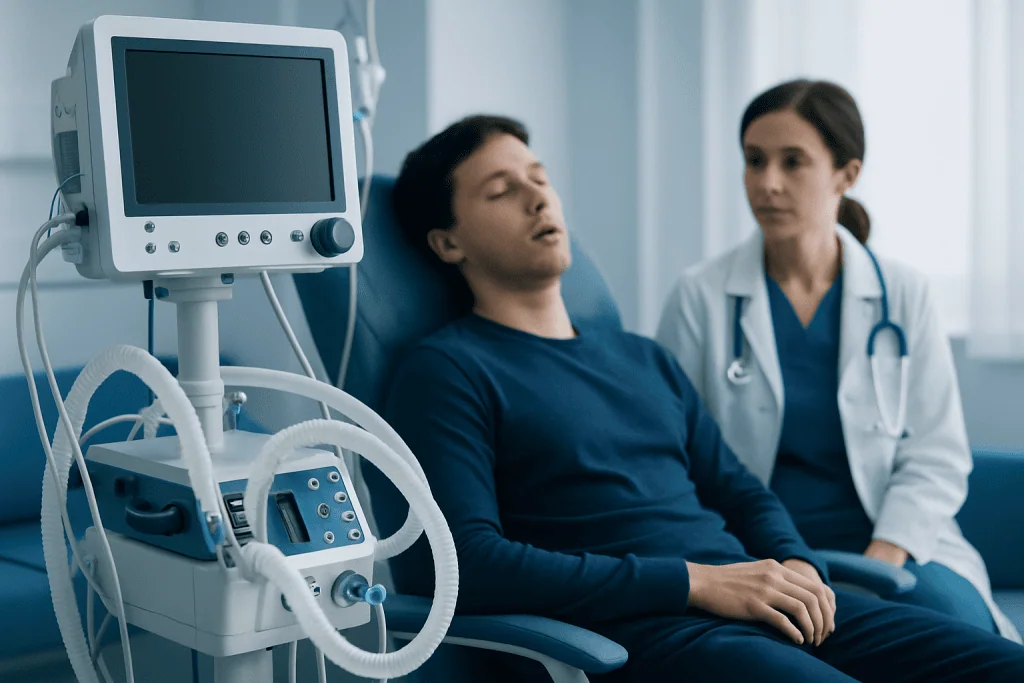
Cataplexy symptoms vary widely. Some people have only occasional, subtle episodes, while others experience more frequent or more noticeable attacks. The key feature is sudden muscle weakness triggered by emotion, with awareness usually preserved. Unlike fainting, the person does not typically lose consciousness. Unlike many epileptic seizures, cataplexy usually does not cause confusion afterward.
Common signs may include:
- Drooping eyelids, blurred facial expression, or head nodding
- Jaw slackening, slurred speech, or difficulty finishing a sentence
- Weakness in the arms, hands, knees, or neck
- Buckling knees or the need to sit down quickly
- Brief full-body loss of tone, sometimes leading to a fall
- Temporary inability to move or speak despite being aware
Episodes are often triggered by laughter, joking, excitement, surprise, anger, or sudden joy. Some people notice that episodes are more likely when they are tired, sleep deprived, stressed, or experiencing intense emotions. After the episode ends, muscle strength returns, and the person can usually continue activities, although they may feel embarrassed, cautious, or tired.
Causes and Risk Factors

Cataplexy in narcolepsy is most often related to a shortage of hypocretin, also called orexin. Hypocretin is a brain chemical that helps stabilize wakefulness and prevents features of rapid eye movement sleep from appearing at the wrong time. In narcolepsy type 1, the cells that produce hypocretin in the hypothalamus are reduced or absent in many patients. Researchers believe an autoimmune process may contribute, meaning the immune system may mistakenly target these cells in susceptible people.
Cataplexy is considered a defining feature of narcolepsy type 1. Narcolepsy type 2 causes excessive daytime sleepiness but does not include cataplexy and usually has normal hypocretin levels. Rarely, cataplexy-like symptoms can occur with other neurological conditions or brain injuries affecting sleep-wake pathways, which is why medical evaluation is important when symptoms are new or unusual.
Risk factors include a personal pattern of excessive daytime sleepiness beginning in childhood, adolescence, or young adulthood, although narcolepsy can be diagnosed at different ages. Genetic factors may influence susceptibility, but narcolepsy is not inherited in a simple predictable way. In some people, symptoms appear after infections or other immune triggers, but a direct cause is not always identified.
How Cataplexy Is Diagnosed
Diagnosis begins with a detailed history. A clinician will ask about daytime sleepiness, sudden weakness, emotional triggers, sleep schedule, snoring, medications, mental health symptoms, and safety events such as falls or near-misses while driving. Family members or partners may help describe episodes. Short videos of typical events can sometimes be useful for the medical team, if recorded safely and respectfully.
Sleep testing is commonly needed. An overnight polysomnogram records brain waves, breathing, oxygen levels, heart rhythm, and body movements to assess sleep quality and look for other sleep disorders such as obstructive sleep apnea. The next day, a multiple sleep latency test measures how quickly the person falls asleep during several scheduled naps and whether rapid eye movement sleep appears unusually quickly. These findings can support a diagnosis of narcolepsy.
Doctors may also ask the patient to keep a sleep diary or wear an actigraphy device to document sleep-wake patterns before testing. In selected cases, a lumbar puncture may be used to measure cerebrospinal fluid hypocretin levels, especially when the diagnosis remains uncertain. Blood tests or neurological evaluation may be recommended if symptoms could have another cause, such as seizures, fainting, medication effects, muscle disorders, or certain metabolic conditions.
Treatment Options
Treatment for cataplexy is individualized. The goals are to reduce cataplexy episodes, improve daytime alertness, protect safety, and support quality of life. Management often combines lifestyle strategies with prescription medicines. Because narcolepsy affects sleep-wake regulation throughout the day, treatment is usually guided by a sleep medicine specialist, neurologist, or other clinician experienced in sleep disorders.
Several medicines may help reduce cataplexy, depending on the patient’s symptoms, age, medical history, and local availability. Options may include sodium oxybate or low-sodium oxybate, certain antidepressant medicines that suppress rapid eye movement sleep features, and other wake-promoting or narcolepsy-specific therapies. Medicines for excessive daytime sleepiness may also be prescribed, such as wake-promoting agents or stimulants. The choice of medication requires careful review of benefits, side effects, interactions, driving needs, pregnancy considerations, and other health conditions.
Non-medication care is also important. A regular sleep schedule, adequate nighttime sleep, planned short naps, and avoiding sleep deprivation can reduce vulnerability to symptoms. People with cataplexy may benefit from learning personal triggers and planning safer responses, such as sitting down during intense laughter or emotionally charged situations when possible.
Treatment is usually adjusted over time. Patients are encouraged to report changes in episode frequency, falls, daytime sleepiness, mood, headaches, blood pressure concerns, or medication side effects. A good treatment plan is practical, realistic, and centered on the person’s daily responsibilities, including school, work, caregiving, travel, and driving.
Prevention, Safety, and Self-Care
Cataplexy cannot always be prevented, but many people can reduce risk by improving sleep consistency and planning around known triggers. Maintaining a regular bedtime and wake time, scheduling brief naps, limiting alcohol, and avoiding sleep deprivation can help stabilize wakefulness. Caffeine may be part of some routines, but it should be used thoughtfully, especially later in the day, because it can disrupt nighttime sleep.
Safety planning is practical rather than restrictive. People with frequent or severe cataplexy may choose to sit during activities that reliably trigger episodes, use handrails on stairs, avoid standing at heights, and take precautions around hot surfaces, sharp tools, swimming, or heavy machinery. Driving rules vary by country and depend on symptom control. Anyone with sleep attacks, uncontrolled cataplexy, or drowsy driving should discuss driving safety and legal requirements with a qualified clinician.
Emotional well-being also matters. Because cataplexy may occur during laughter or social enjoyment, some people begin to avoid friends, humor, or public settings. Education can reduce shame and misunderstanding. Support from family, teachers, employers, and patient communities can help the person participate more fully while using reasonable accommodations, such as scheduled rest breaks or flexible timing for demanding tasks.
When to See a Doctor
A medical evaluation is recommended when a person experiences sudden muscle weakness, especially if episodes are repeated, triggered by emotions, or associated with strong daytime sleepiness. New episodes that cause falls, injuries, driving risk, or difficulty at school or work should be discussed promptly with a healthcare professional. It is also important to seek care if symptoms include loss of consciousness, chest pain, irregular heartbeat, prolonged confusion, one-sided weakness, or speech problems that do not quickly resolve, as these may suggest other conditions needing urgent assessment.
People already diagnosed with narcolepsy should contact their clinician if cataplexy becomes more frequent, medicines seem less effective, side effects occur, or life circumstances change, such as pregnancy planning, a new job involving driving, or a shift-work schedule. Children and adolescents with suspected symptoms should be evaluated because untreated sleepiness can affect learning, mood, and safety.
For international patients, Acibadem International provides evaluation and treatment through multidisciplinary specialists in JCI-accredited hospitals, including neurology and sleep medicine services. Regardless of where care is received, the most helpful approach is a careful diagnosis, an individualized treatment plan, and regular follow-up with a qualified medical team.
Frequently asked questions
Is cataplexy the same as fainting?
No. In cataplexy, the person usually stays awake and aware, although they may be unable to move or speak briefly. Fainting involves a temporary loss of consciousness, often related to reduced blood flow to the brain. A doctor can help distinguish between the two based on symptoms and testing.
Does everyone with narcolepsy have cataplexy?
No. Cataplexy is typical of narcolepsy type 1, but people with narcolepsy type 2 have excessive daytime sleepiness without cataplexy. Some symptoms can overlap between sleep disorders, so formal sleep evaluation is often needed.
Can cataplexy happen without laughter?
Yes. Laughter is a common trigger, but surprise, excitement, anger, embarrassment, or sudden joy may also bring on an episode. Some people notice that tiredness or stress makes episodes easier to trigger.
Is cataplexy dangerous?
The episode itself is usually brief and reversible, but falls or loss of muscle control in unsafe settings can lead to injury. Safety planning, treatment, and avoiding high-risk activities during periods of poor symptom control can reduce risk. Driving and work safety should be discussed with a clinician.
Can cataplexy be cured?
There is currently no cure that restores the lost hypocretin system in typical narcolepsy type 1. However, many people achieve meaningful symptom control with medication, sleep routines, planned naps, and safety strategies. Follow-up is important because treatment needs may change over time.
What should someone do during a cataplexy episode?
If possible, the person should move to a safe seated or lying position when early signs appear. Bystanders can help by keeping the area safe, speaking calmly, and allowing the episode to pass without shaking or restraining the person. If the person loses consciousness, is injured, or has unusual symptoms, medical help should be sought.
References
- American Academy of Sleep Medicine
- National Institute of Neurological Disorders and Stroke
- European Academy of Neurology
- Mayo Clinic
- Sleep Foundation
This article is for general information only and is not a substitute for professional medical advice. Please consult a qualified doctor about your individual situation.
Narcolepsy in Turkey — costs, top hospitals & a free quote
JCI-accredited · board-certified surgeons · reply within 24h