

Mental Health During Pregnancy and After Birth: Warning Signs Not to Ignore

Emotional changes are common in pregnancy and after birth, but symptoms that are intense, persistent, or worsening should not be ignored. Baby blues usually improve within about two weeks, while postpartum depression and anxiety last longer and interfere with daily life.
Key Takeaways
- Emotional changes are common in pregnancy and after birth, but symptoms that are intense, persistent, or worsening should not be ignored.
- Baby blues usually improve within about two weeks, while postpartum depression and anxiety last longer and interfere with daily life.
- Warning signs include hopelessness, panic, severe sleep problems, difficulty bonding with the baby, and thoughts of self-harm or harming the baby.
- Perinatal mental health conditions can happen during pregnancy or after birth and are not a sign of weakness or poor parenting.
- Early treatment may include counseling, practical support, lifestyle measures, and sometimes medication under medical guidance.
- Urgent medical help is needed for suicidal thoughts, hallucinations, delusions, or extreme confusion.
Mental health changes during pregnancy and after birth are common, treatable, and important to recognize early. Knowing the difference between expected emotional ups and downs and warning signs that need professional support can help protect both parent and baby.
Overview
Mental health during pregnancy and after birth is an important part of overall maternal and family wellbeing. Hormonal changes, physical discomfort, lack of sleep, major life adjustment, relationship changes, and previous mental health history can all affect mood and emotional balance. Many people experience temporary tearfulness, irritability, or feeling overwhelmed, especially in the first days after delivery.
At the same time, some emotional symptoms are more than a normal adjustment. Perinatal mental health conditions can begin during pregnancy, soon after birth, or in the months that follow. They include depression, anxiety, panic symptoms, obsessive worries, trauma-related symptoms, and in rare cases, postpartum psychosis.
These conditions are common and treatable. Early recognition matters because mental health affects sleep, nutrition, bonding, day-to-day functioning, and the ability to care for oneself and the baby. Seeking help early is a positive step, not a sign of failure.
Symptoms and Warning Signs Not to Ignore
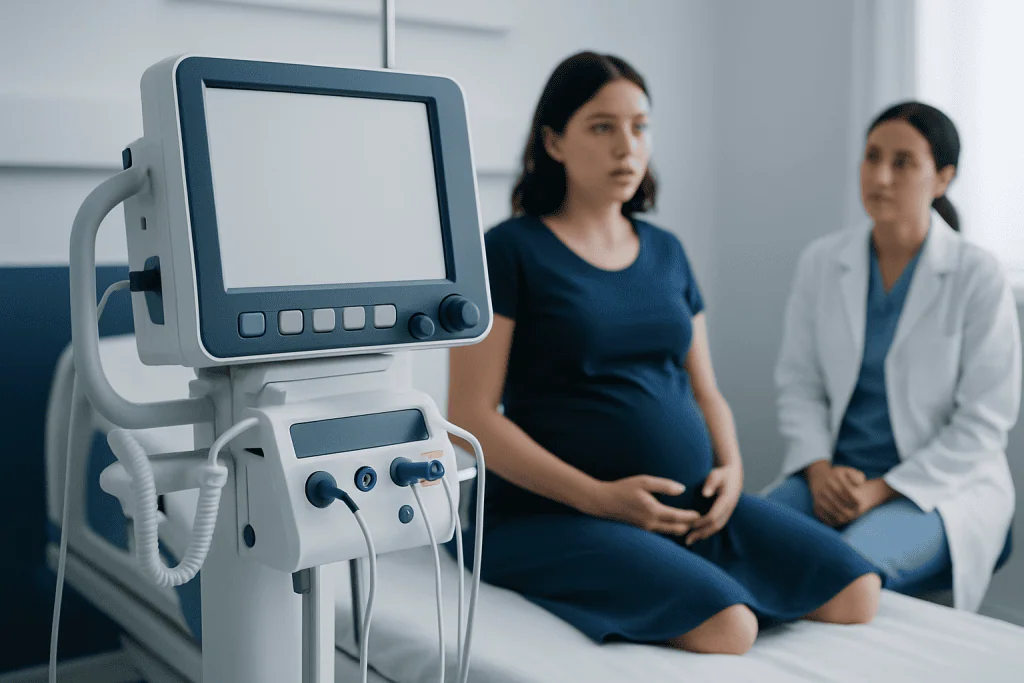
Some emotional changes are expected in the perinatal period. A person may feel more sensitive, cry more easily, or worry about labor, feeding, or parenting. However, symptoms deserve attention when they last, become more intense, or interfere with daily life, work, relationships, or caring for the baby.
Warning signs can vary from person to person. They may include persistent sadness, loss of interest in usual activities, constant worry, panic attacks, irritability, guilt, feelings of worthlessness, severe fatigue, appetite changes, poor concentration, or sleep problems that are not only due to newborn care. Some parents describe feeling emotionally numb or disconnected from the baby.
Signs that should never be ignored include thoughts of self-harm, thoughts that the baby would be better off without the parent, thoughts of harming the baby, hearing or seeing things that others do not, paranoia, extreme agitation, or confusion. These symptoms need urgent medical attention.
- Baby blues: mood swings, tearfulness, and emotional sensitivity that usually peak in the first few days after birth and improve within about two weeks.
- Postpartum depression: low mood, hopelessness, lack of pleasure, guilt, or withdrawal that lasts longer and affects functioning.
- Perinatal anxiety: constant worry, racing thoughts, physical tension, restlessness, or panic.
- Obsessive symptoms: unwanted frightening thoughts, often with repeated checking or reassurance-seeking, while recognizing these thoughts as distressing and not wanted.
- Postpartum psychosis: a rare emergency with confusion, delusions, hallucinations, or severely disturbed behavior.
Causes and Risk Factors

There is no single cause of mental health difficulties during pregnancy and after birth. Usually, several factors interact. Hormonal shifts can influence mood regulation, while physical pain, nausea, medical complications, sleep deprivation, breastfeeding challenges, and the demands of newborn care can increase stress.
Personal history also matters. People with previous depression, anxiety, bipolar disorder, trauma, or postpartum mental health problems have a higher risk of symptoms returning. A family history of mood disorders may also increase vulnerability. Emotional stressors such as relationship conflict, financial strain, lack of support, infertility treatment, pregnancy loss, traumatic birth, or a baby needing intensive care can add to the burden.
Risk factors do not mean someone will definitely develop a condition, and people without obvious risk factors can still struggle. Mental health symptoms are medical and emotional experiences, not a reflection of character, commitment, or love for the baby. Families and clinicians should take concerns seriously even when outwardly everything seems fine.
How Doctors Diagnose Perinatal Mental Health Conditions
Diagnosis usually starts with a conversation about mood, anxiety, sleep, appetite, energy, concentration, past mental health history, current stressors, and how symptoms affect daily life. Doctors, midwives, obstetricians, family physicians, pediatricians, and mental health professionals may all play a role in recognizing concerns during pregnancy and after birth.
Screening questionnaires are often used to identify symptoms early, but they do not replace a full clinical assessment. The clinician may ask when symptoms began, whether they are getting worse, and whether there are any thoughts of self-harm or harm to the baby. This helps distinguish temporary baby blues from more significant conditions such as postpartum depression or anxiety disorders.
Because some medical problems can affect mood, doctors may also consider other causes such as thyroid problems, anemia, medication effects, or severe sleep deprivation. If symptoms include hallucinations, delusions, extreme confusion, or very rapid mood changes, urgent psychiatric assessment is needed to rule out postpartum psychosis or another serious condition.
Treatment Options and Support
Treatment depends on the type and severity of symptoms, the stage of pregnancy or postpartum recovery, medical history, and personal preferences. Many people improve with a combination of practical support, psychotherapy, better sleep strategies where possible, and help from family or community resources. Counseling approaches such as cognitive behavioral therapy or interpersonal therapy are often helpful for depression and anxiety.
When symptoms are moderate to severe, medication may be considered. Decisions about medicine during pregnancy or breastfeeding should be made together with a qualified doctor who can balance benefits and risks for both parent and baby. Treatment plans are individualized, and stopping or starting medication without medical advice is not recommended.
Some people also benefit from treatment for related concerns such as birth trauma, persistent anxiety, or sleep disturbance. If there is severe depression, psychosis, or significant risk to safety, urgent psychiatric care and sometimes hospital treatment may be necessary. In complex cases, coordinated care between obstetrics, pediatrics, and psychiatry can provide more complete support.
Near the end of the postpartum period, some parents continue to need structured follow-up for mood, anxiety, or relationship stress. Where appropriate, support from psychology services, parent-infant counseling, or family therapy may be recommended. Acibadem International’s multidisciplinary specialists and JCI-accredited hospitals also diagnose and treat perinatal mental health conditions for international patients.
Self-care, Prevention, and Family Support
Not all mental health conditions can be prevented, but early planning can lower stress and make it easier to get help quickly. During pregnancy, it can help to discuss mental health history with the care team, identify trusted support people, and make a practical postpartum plan for meals, rest, transport, and help with the baby or older children.
Daily self-care does not need to be complicated. Small, realistic steps matter: eating regularly, drinking enough fluids, resting when possible, accepting help, getting gentle movement if medically allowed, and spending a little time outside or with supportive people. Social connection often protects mental wellbeing, especially when new parents feel isolated.
Family members can help by noticing changes in mood, sleep, or behavior without judgment. Instead of saying someone should simply be happy, it is better to ask how they are coping, help with practical tasks, and encourage professional support. If a partner or relative notices frightening thoughts, extreme hopelessness, or unusual behavior, they should seek medical advice promptly.
People with a history of depression, anxiety, bipolar disorder, eating disorders, or trauma may benefit from a mental health plan before delivery. This can include regular check-ins, therapy appointments, and discussion of medication options if needed. Prevention is strongest when emotional health is treated as an essential part of prenatal and postpartum care, not an afterthought.
When to See a Doctor
A doctor should be consulted if low mood, anxiety, irritability, or emotional numbness lasts more than two weeks after birth, starts during pregnancy and does not improve, or begins to interfere with sleep, eating, relationships, work, or caring for the baby. Help is also important if bonding feels very difficult, worries feel impossible to control, or panic symptoms keep returning.
Urgent help is needed right away if there are thoughts of self-harm, thoughts of harming the baby, hearing voices, strong false beliefs, severe confusion, or behavior that seems unsafe or very out of character. These symptoms are medical emergencies, especially if postpartum psychosis is possible. A trusted family member should stay with the parent and seek immediate emergency care.
Parents do not need to wait until symptoms become severe to ask for support. Speaking to an obstetrician, midwife, family doctor, pediatrician, or mental health professional early can lead to faster relief and safer recovery. Early care can also reduce the risk that symptoms become more persistent over time.
Frequently asked questions
What is the difference between baby blues and postpartum depression?
Baby blues are mild mood changes, tearfulness, and emotional sensitivity that usually begin soon after birth and improve within about two weeks. Postpartum depression is more intense, lasts longer, and can affect sleep, daily function, bonding, and the ability to enjoy life. If symptoms persist or worsen, professional evaluation is important.
Can mental health problems start during pregnancy, not only after birth?
Yes. Depression, anxiety, panic symptoms, and trauma-related symptoms can begin during pregnancy as well as after delivery. Emotional changes during pregnancy should be taken seriously, especially if they are persistent or interfere with daily life.
Is it normal to feel anxious all the time after having a baby?
Some worry is expected with a new baby, but constant fear, racing thoughts, panic attacks, or being unable to relax may point to postpartum anxiety. If anxiety feels overwhelming or affects sleep, feeding, or daily care, it is a good idea to speak with a doctor.
Are intrusive thoughts after birth always a sign that someone will harm the baby?
No. Some parents experience unwanted, distressing intrusive thoughts and feel frightened by them, which is different from wanting to act on them. Even so, these thoughts should be discussed with a qualified clinician, especially if they are frequent, upsetting, or hard to manage.
Can breastfeeding and sleep deprivation affect mental health?
Yes. Feeding challenges, physical recovery, and severe sleep disruption can worsen mood and anxiety symptoms. Support with feeding, nighttime help when possible, and early medical advice can make a meaningful difference.
Is it safe to treat depression or anxiety during pregnancy or while breastfeeding?
Many treatment approaches, including therapy and some medications, may be considered during pregnancy or breastfeeding depending on the individual situation. The safest plan should be decided with a doctor who understands both mental health and perinatal care. Treatment decisions are personalized and should not be made without professional guidance.
References
- World Health Organization
- American College of Obstetricians and Gynecologists
- National Institute of Mental Health
- Royal College of Psychiatrists
- Postpartum Support International
This article is for general information only and is not a substitute for professional medical advice. Please consult a qualified doctor about your individual situation.
Explore treatments in Turkey — costs, top hospitals & a free quote
JCI-accredited · board-certified surgeons · reply within 24h
Add us as a Preferred Source to see more of our trusted health content across Google Search, AI Overviews and Discover.

More from the Health Library



Related Specialists

Prof. Dr. Gökhan Bozkurt
Neurosurgery
Prof. Dr. Güler Berkiten
Otorhinolaryngology
Prof. Dr. S. Sami Kartı
Hematology
Dr. Fuad Alakbarli
Orthopedic Surgery & Traumatology