

Can Anxiety Cause Movement Symptoms? Understanding Stress-Linked Tremors and Jerks

Anxiety can trigger physical movement symptoms, including tremors, jerks, shaking, and muscle tension. Stress-related movement symptoms are genuine physical experiences, not “imagined” symptoms.
Key Takeaways
- Anxiety can trigger physical movement symptoms, including tremors, jerks, shaking, and muscle tension.
- Stress-related movement symptoms are genuine physical experiences, not “imagined” symptoms.
- A medical evaluation is important to rule out neurological, metabolic, medication-related, or other causes.
- Treatment often combines reassurance, stress management, mental health support, and care for any underlying condition.
- Sudden severe symptoms, weakness, loss of consciousness, or new one-sided symptoms need urgent medical attention.
Anxiety and stress can sometimes cause or worsen movement symptoms such as trembling, shaking, muscle jerks, twitching, and a sense of inner restlessness. These symptoms are real, often related to the body’s stress response, and should be assessed if they are new, troubling, or persistent.
Overview: Can Anxiety Cause Movement Symptoms?
Yes. Anxiety can cause or worsen movement symptoms in some people. Common examples include trembling, shakiness, muscle twitching, sudden jerks, internal vibrations, restlessness, and a feeling that the body cannot fully relax. These symptoms are connected to the body’s stress response, which can increase muscle tension, alertness, and adrenaline release.
Stress-linked movement symptoms are real physical symptoms. They do not mean a person is pretending, exaggerating, or “making it up.” Anxiety can affect how the brain and nervous system regulate muscles and movement, especially during periods of emotional strain, sleep loss, panic, or ongoing worry.
At the same time, not every tremor or jerk is caused by anxiety. Similar symptoms may happen with medication side effects, thyroid problems, caffeine overuse, low blood sugar, sleep deprivation, essential tremor, seizures, or other neurological conditions. That is why proper assessment is important, especially when symptoms are new or changing.
In some cases, clinicians may consider a functional movement disorder, where abnormal movement patterns occur because of changes in nervous system functioning rather than structural damage. Anxiety and stress can contribute, but diagnosis should always be made by a qualified clinician.
What Stress-Linked Tremors and Jerks May Feel Like
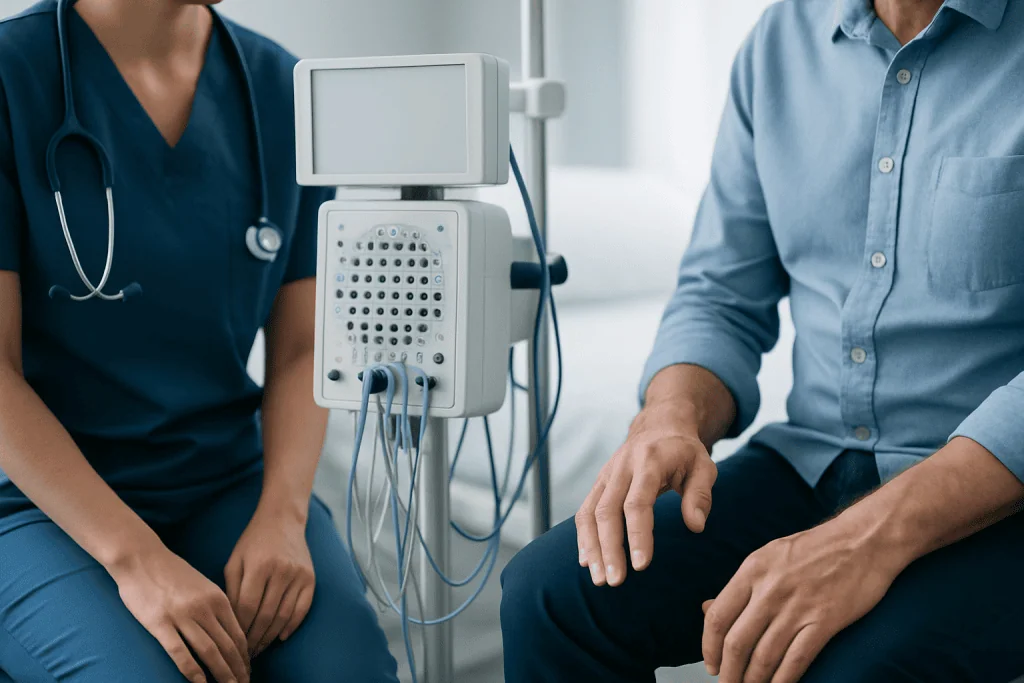
Anxiety-related movement symptoms can look different from person to person. Some people notice a fine hand tremor when they are nervous, speaking in public, or under pressure. Others feel brief muscle jerks when falling asleep, repeated twitches in the eyelids or legs, jaw tension, or a sense of internal shaking even when little movement is visible.
These symptoms may come and go. They often become more noticeable during panic, strong emotions, fatigue, after too much caffeine, or when a person pays close attention to body sensations. They may lessen with distraction, rest, relaxation, or once the stressful situation passes.
- Trembling in the hands, legs, or voice
- Sudden muscle jerks or startle-like movements
- Muscle twitching, especially around the eyes, face, or calves
- Restlessness or an urge to keep moving
- Jaw clenching, neck tightness, or shoulder tension
- A sensation of internal vibration or buzzing
Although anxiety can explain these symptoms, their pattern matters. A doctor may ask whether they happen at rest or with action, whether one side is more affected, whether there is pain or weakness, and whether symptoms interfere with daily activities such as writing, walking, eating, or sleeping.
Why Anxiety Can Affect Movement

When a person feels anxious, the brain activates the “fight, flight, or freeze” response. Stress hormones such as adrenaline prepare the body to react quickly. Heart rate rises, breathing may become faster, muscles tighten, and the nervous system becomes more alert. This state can make small natural body movements more noticeable and may also trigger shaking or jerky movements.
Hyperventilation can also play a role. Rapid or shallow breathing may change carbon dioxide levels in the blood, which can contribute to lightheadedness, tingling, tightness, and a sense of shakiness. At the same time, long periods of muscle tension can lead to fatigue, twitching, and aches.
Several factors can increase the chance of stress-linked movement symptoms. These include panic disorder, generalized anxiety, emotional trauma, poor sleep, dehydration, stimulant use, heavy caffeine intake, some asthma medications, certain antidepressants, and intense physical exhaustion. In some people, symptoms become part of a cycle: anxiety causes shaking, the shaking feels frightening, and that fear then worsens the shaking.
Other conditions can overlap with anxiety. For example, a person may already have essential tremor or another movement disorder, and stress may make it more obvious. This is one reason careful diagnosis is helpful, especially if symptoms have been present for a long time or are becoming more disruptive.
How Doctors Diagnose the Cause
Diagnosis usually begins with a careful medical history and neurological examination. The doctor asks when the movements started, how often they happen, what they look and feel like, and whether stress, fatigue, caffeine, or certain situations trigger them. They also ask about medications, alcohol or substance use, sleep, family history, and mental health symptoms such as panic, worry, low mood, or trauma-related stress.
The examination helps identify whether the movement is a tremor, tic, myoclonus, dystonia, restlessness, or another pattern. Doctors also look for signs that suggest another neurological condition, such as weakness, stiffness, balance problems, changes in sensation, or coordination difficulties. Video recordings taken during symptoms can sometimes be useful if the movement is intermittent.
Depending on the situation, tests may be ordered to rule out other causes. These can include blood tests for thyroid function, glucose, electrolytes, vitamin deficiencies, or other metabolic issues. In selected cases, doctors may use EEG, EMG, or brain imaging. If episodes involve loss of awareness, blackouts, or unusual nighttime movements, further evaluation may be needed.
If symptoms are complex, a person may be referred for neurological evaluation or specialist assessment in a movement disorders clinic. The goal is not only to rule out serious disease but also to identify the exact type of symptom and the factors that maintain it, including stress, sleep issues, and coexisting anxiety.
Treatment Options and Symptom Management
Treatment depends on the cause. If anxiety is the main trigger, care often focuses on calming the nervous system and reducing the fear-symptom cycle. Education and reassurance can be very helpful, because understanding why the body is reacting this way may reduce further escalation. A doctor may also review medications, caffeine intake, sleep habits, and any other factors that may be contributing.
Psychological treatment is often an important part of care. Cognitive behavioral therapy and other evidence-based therapies can help people recognize stress patterns, manage panic symptoms, and reduce body-focused fear. For some patients, doctors may discuss medication for anxiety or related conditions, but treatment choices should be individualized and guided by a qualified clinician.
Physical approaches may also help, especially when movements affect posture, walking, or daily function. Relaxation breathing, gradual exercise, sleep improvement, and physical therapy can reduce tension and improve confidence in movement. In selected cases, referral for physical therapy and rehabilitation or psychiatric support may be appropriate as part of a broader plan.
If another condition is identified, treatment is directed accordingly. For example, a person with a persistent or unusual tremor may need assessment similar to that used for Parkinson’s disease or other movement disorders, even if anxiety is also present. Near the end of the diagnostic process, some international patients may choose centers such as Acibadem International, where multidisciplinary specialists in JCI-accredited hospitals evaluate and treat movement and stress-related neurological symptoms.
Self-care, Prevention, and Daily Strategies
Self-care cannot replace medical evaluation, but it can reduce symptom intensity for many people. Regular sleep, steady meals, good hydration, and limiting caffeine or other stimulants often make a noticeable difference. Gentle movement, stretching, and paced breathing can also calm the body’s stress response and lessen shakiness.
Many people benefit from tracking triggers. A simple diary may note the time of symptoms, stress level, sleep quality, caffeine use, meals, and any emotional events. Over time, patterns may become clearer and help the person and clinician build a more effective plan.
- Practice slow breathing during rising anxiety
- Reduce excess caffeine, nicotine, and energy drinks
- Keep a regular sleep schedule
- Take breaks during prolonged stress or screen time
- Use relaxation techniques such as mindfulness or progressive muscle relaxation
- Seek support early if anxiety begins to interfere with work, school, or relationships
It may also help to avoid repeatedly testing or checking the symptom. Constantly watching the hands, repeatedly trying to “stop” a tremor, or searching for worst-case explanations can increase anxiety and make the movement feel stronger. A balanced approach is best: take symptoms seriously, but seek calm, structured evaluation rather than fearful self-diagnosis.
When to See a Doctor
A doctor should assess movement symptoms that are new, recurring, worsening, or interfering with daily life. This is especially important if the person is not sure anxiety is the cause, or if symptoms continue even when stress is lower. Medical review helps rule out other conditions and provides guidance on treatment and follow-up.
Urgent medical attention is needed if movement symptoms occur with chest pain, fainting, confusion, severe headache, loss of consciousness, new weakness, numbness, difficulty speaking, or symptoms affecting only one side of the body. These features are not typical of simple anxiety and may point to another medical or neurological emergency.
Children, older adults, pregnant people, and anyone with significant medical conditions should seek evaluation promptly when new shaking or jerking develops. It is also wise to seek help if symptoms begin after starting a new medication, changing a dose, or stopping alcohol or sedative medicines.
Even when anxiety is ultimately found to be the main trigger, support is available. Early care can improve quality of life, reduce fear, and help the person feel more in control of both the physical symptoms and the stress that may be driving them.
Frequently asked questions
Can anxiety really cause tremors and muscle jerks?
Yes. Anxiety can trigger trembling, shaking, muscle tension, twitching, and sudden jerks through the body's stress response. These symptoms are real physical experiences, but a clinician should evaluate persistent or unusual symptoms to confirm the cause.
How can someone tell whether a tremor is from anxiety or another condition?
The pattern of symptoms matters. Anxiety-related tremors often worsen during stress, panic, lack of sleep, or caffeine use and may improve with rest or distraction, but only a medical assessment can reliably distinguish them from other causes such as medication effects, thyroid problems, or neurological disorders.
Are stress-linked movement symptoms dangerous?
They are often not dangerous in themselves, but they can feel very distressing and should not be dismissed. New, severe, one-sided, or disabling symptoms need prompt medical review, especially if they occur with weakness, confusion, fainting, or trouble speaking.
What kind of doctor should evaluate anxiety-related movement symptoms?
A primary care doctor can start the assessment and may refer the person to a neurologist, especially if the diagnosis is unclear. If anxiety, panic, trauma, or persistent stress are important factors, a mental health professional may also be part of the care team.
Can lack of sleep and caffeine make anxiety tremors worse?
Yes. Poor sleep, too much caffeine, nicotine, energy drinks, and physical exhaustion can all increase shakiness and muscle twitching. Reducing these triggers often helps, although it should not replace medical evaluation when symptoms are new or persistent.
Do anxiety movement symptoms go away with treatment?
They often improve when the underlying triggers are addressed. Treatment may include reassurance, stress management, therapy, lifestyle changes, and care for any other contributing condition, but recovery can take time and varies from person to person.
References
- National Institute of Neurological Disorders and Stroke
- National Institute of Mental Health
- Mayo Clinic
- Cleveland Clinic
- American Academy of Neurology
This article is for general information only and is not a substitute for professional medical advice. Please consult a qualified doctor about your individual situation.
Tremor in Turkey — costs, top hospitals & a free quote
JCI-accredited · board-certified surgeons · reply within 24h
Add us as a Preferred Source to see more of our trusted health content across Google Search, AI Overviews and Discover.
Check your numbers in seconds
BMI, calories, due date, blood pressure and 30+ more clinical calculators — free, instant, doctor-reviewed ranges.

Neurology
Diagnosis and treatment of disorders of the brain, spinal cord, nerves and muscles.
51 specialists in this unitMore from the Health Library



Related Specialists

Prof. Dr. Mustafa Seyhan
Orthopedic Surgery & Traumatology
Assoc. Prof. Dr. Selin Özaltın
Gynecology & Obstetrics
Prof. Dr. Ferda Özdemir
Physical Medicine & Rehabilitation
Prof. Dr. Mehmet Zafer Berkman
Neurosurgery