Brain Fog After COVID-19: When Neuropsychology Testing May Help

Brain fog after COVID-19 may include trouble concentrating, forgetfulness, slowed thinking, and mental fatigue. Symptoms can have more than one cause, including post-viral effects, poor sleep, stress, pain, or mood changes.
Key Takeaways
- Brain fog after COVID-19 may include trouble concentrating, forgetfulness, slowed thinking, and mental fatigue.
- Symptoms can have more than one cause, including post-viral effects, poor sleep, stress, pain, or mood changes.
- Neuropsychology testing does not diagnose every cause, but it can measure cognitive strengths and weaknesses in detail.
- Results may help guide rehabilitation, workplace or school accommodations, and follow-up care.
- Medical review is important if symptoms are new, worsening, or accompanied by neurological warning signs.
Brain fog after COVID-19 is a common term for changes in attention, memory, processing speed, and mental clarity that can continue after the infection has passed. When these symptoms interfere with daily life, neuropsychology testing may help clarify what is happening and support a more targeted recovery plan.
Overview
Many people use the phrase brain fog after COVID-19 to describe a feeling of reduced mental sharpness following a COVID-19 infection. This is not a single medical diagnosis. Instead, it is a practical term for symptoms such as poor concentration, forgetfulness, slower thinking, difficulty finding words, and feeling mentally overwhelmed by tasks that once felt routine.
These symptoms can appear during recovery from the initial illness or persist for weeks to months afterward. They may occur in people who had mild infections as well as those who were seriously ill. In some cases, brain fog is part of a broader pattern of ongoing post-COVID symptoms, often called long COVID or post-COVID condition.
Because cognitive symptoms can affect work, study, family responsibilities, driving, and emotional well-being, proper evaluation matters. Neuropsychology testing may be helpful when symptoms are persistent, unclear, or disruptive. It can provide an objective picture of thinking skills and help distinguish between different possible contributors.
Common Symptoms of Brain Fog After COVID-19
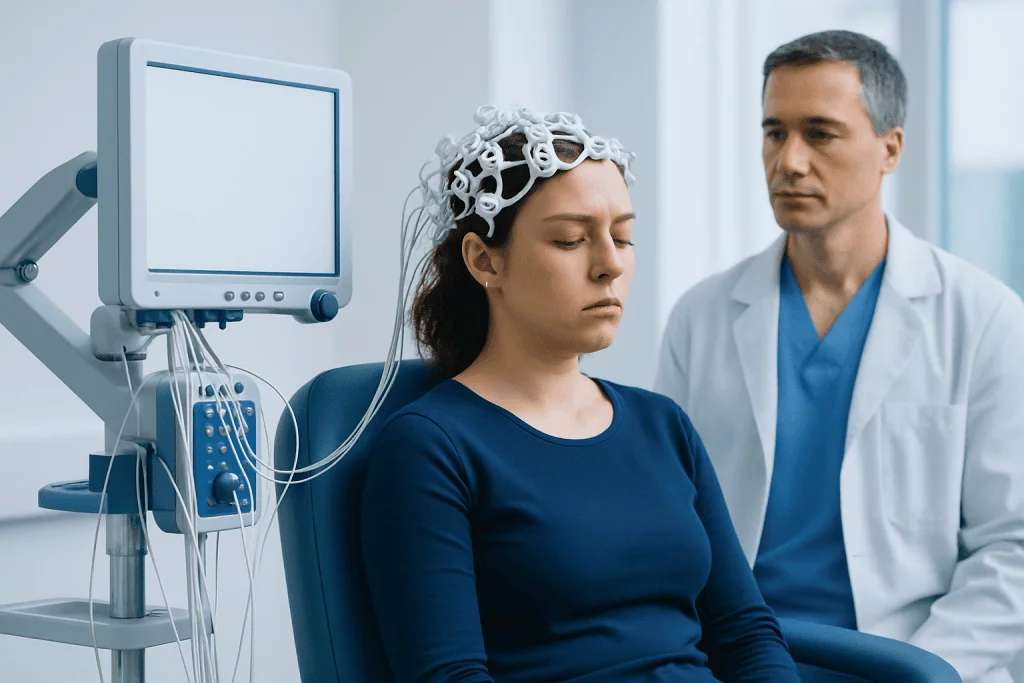
People describe brain fog in different ways. Some notice that they cannot stay focused during meetings or reading. Others feel that their thinking is slower than usual, or that they lose track of conversations more easily. Mental fatigue is also common, especially after multitasking or extended screen time.
Symptoms may involve one or more areas of cognition, including attention, short-term memory, working memory, language, planning, and processing speed. A person may know what they want to say but struggle to retrieve the right word quickly. Another may remember information if given time, but find it hard to learn new details under pressure.
- Difficulty concentrating or sustaining attention
- Forgetfulness in daily tasks
- Slower thinking or problem-solving
- Trouble finding words or following conversations
- Mental fatigue after ordinary activities
- Reduced organization or multitasking ability
Symptoms can fluctuate from day to day. Some people feel relatively clear in the morning and worse later in the day. Others notice that stress, poor sleep, pain, or physical exertion make the problem more noticeable. This variability is one reason structured testing and clinical assessment can be useful.
Why It Happens and Who May Be at Risk

Researchers are still learning why some people experience ongoing cognitive symptoms after COVID-19. There may not be one single explanation. Current understanding suggests that several factors can contribute, including the body’s inflammatory response, sleep disruption, fatigue, headaches, autonomic symptoms, reduced physical conditioning, anxiety, depression, and the stress of illness itself.
Brain fog does not always mean there has been permanent brain damage. In many people, symptoms improve over time. However, even temporary cognitive changes can feel distressing and may significantly affect daily life. That is why a careful, balanced approach is important: taking symptoms seriously without assuming the worst.
Risk may be higher in people with severe infections, hospitalization, preexisting neurological or mental health conditions, significant sleep problems, or high levels of ongoing fatigue. Still, brain fog can also happen after a relatively mild infection. A doctor may also consider whether another health problem is contributing, such as thyroid disease, vitamin deficiency, medication effects, or another neurological condition.
Because similar symptoms can also occur in conditions such as memory disorders or mood-related cognitive difficulties, assessment often aims to look at the whole picture rather than attributing every symptom to COVID-19 alone.
When Neuropsychology Testing May Help
Neuropsychology testing may be helpful when brain fog lasts beyond the expected recovery period, interferes with work or school, affects safety, or creates uncertainty about what is causing the symptoms. A neuropsychologist uses standardized tests to measure thinking skills in a detailed and objective way. These tests can assess attention, memory, language, executive function, visual-spatial skills, and processing speed.
Testing is especially useful when symptoms are subtle but persistent, or when a person feels their daily performance has changed despite normal basic examination results. It can also help identify patterns. For example, some people mainly show slowed processing and fatigue, while others have more prominent attention or memory difficulties.
The purpose is not simply to assign a label. Rather, it is to understand strengths and weaknesses, compare current functioning with what would be expected for a person’s age and background, and support practical recommendations. These findings may inform neuropsychological assessment-based care plans, cognitive rehabilitation strategies, return-to-work planning, or referral to other specialists.
Neuropsychology testing may also be appropriate if there are questions about capacity to manage complex tasks, drive safely, or return to demanding professional roles. In some cases, it reassures patients by showing preserved abilities alongside a few targeted areas that need support.
How Diagnosis and Evaluation Are Done
Evaluation usually begins with a medical review. A clinician may ask when symptoms started, how they affect daily life, whether they fluctuate, and whether there are related issues such as headaches, sleep problems, dizziness, low mood, or shortness of breath. A neurological examination and basic medical tests may be considered to rule out other causes.
Neuropsychology testing itself usually includes an interview, questionnaires, and a series of paper-based or computerized tasks. These tasks are designed to measure specific abilities rather than general intelligence alone. Performance is interpreted in context, including education, language, cultural background, mood, fatigue, and any sensory or motor limitations.
Depending on the situation, doctors may also recommend additional evaluation such as blood tests, sleep assessment, or brain MRI if there are concerning neurological features. If symptoms are accompanied by numbness, weakness, severe headaches, or episodes suggestive of seizures, urgent medical assessment becomes more important.
The final interpretation often combines medical, emotional, and cognitive factors. This matters because concentration problems caused by poor sleep or anxiety may need a different approach than difficulties related mainly to processing speed or post-viral fatigue. A thorough assessment helps avoid oversimplifying the problem.
Treatment and Recovery Options
There is no single treatment that fits every case of brain fog after COVID-19. Care usually focuses on the factors driving symptoms and on reducing their impact on daily life. Recovery may involve pacing activities, improving sleep, treating headaches or mood symptoms, managing stress, and using practical compensatory strategies such as reminders, calendars, task lists, and shorter work blocks.
For some people, structured rehabilitation is useful. This may include cognitive rehabilitation to strengthen attention, memory strategies, and executive functioning skills in everyday tasks. Occupational therapy, speech-language therapy, or psychological support may also be appropriate depending on the symptom pattern.
If fatigue is prominent, clinicians often advise balancing activity with rest rather than pushing through severe exhaustion. Sleep hygiene, hydration, regular meals, gradual physical activity when medically appropriate, and reducing unnecessary multitasking can all support recovery. Where anxiety or depression is part of the picture, addressing those symptoms may improve cognition as well.
Specialist care may be needed if symptoms are prolonged or complex. Near the end of the care pathway, some patients may benefit from a coordinated team approach; Acibadem International’s multidisciplinary specialists in JCI-accredited hospitals evaluate and treat cognitive symptoms after illness for international patients when appropriate.
Self-care, Daily Strategies, and Prevention
Self-care does not replace medical evaluation, but it can make daily functioning easier while recovery is ongoing. Many people do better when they reduce cognitive overload. This may mean tackling one task at a time, scheduling the most demanding mental work during the time of day when they feel sharpest, and building in short breaks before mental fatigue becomes severe.
Helpful strategies include keeping routines consistent, using written reminders, simplifying complex tasks into smaller steps, and limiting distractions such as background noise or constant app notifications. Family members, teachers, or employers may also help by allowing more time for tasks, written instructions, or reduced multitasking demands.
- Prioritize sleep and a regular daily schedule
- Use calendars, alarms, and notes for memory support
- Break large tasks into smaller steps
- Take planned rest breaks before exhaustion builds
- Discuss persistent symptoms with a qualified doctor
Prevention is not always possible because not everyone who has COVID-19 develops long-term cognitive symptoms. However, overall recovery may be supported by following medical advice after infection, managing existing health conditions, and seeking help early if concentration, memory, or fatigue problems do not improve as expected.
When to See a Doctor
Medical advice is recommended if brain fog lasts for several weeks, worsens over time, or interferes with work, study, finances, medication management, or daily safety. It is also important to seek assessment if family members notice a change in memory, judgment, or personality, especially if the person affected is minimizing the problem.
Urgent medical attention is needed if cognitive symptoms occur with chest pain, trouble breathing, new weakness, facial drooping, severe headache, seizures, fainting, confusion that comes on suddenly, or difficulty speaking. These symptoms may suggest a problem that needs immediate care rather than routine follow-up.
Even when symptoms are not urgent, patients do not need to simply wait without guidance. A doctor can help identify reversible causes, decide whether referral for neurology consultation or neuropsychology testing is appropriate, and recommend practical steps for recovery. Early support may reduce frustration and make it easier to return to normal activities safely.
Frequently asked questions
Is brain fog after COVID-19 real?
Yes. Many patients report genuine difficulties with concentration, memory, word-finding, and mental stamina after COVID-19. These symptoms can happen even after a mild infection and deserve proper medical attention if they persist.
How long can brain fog last after COVID-19?
The duration varies from person to person. Some improve within weeks, while others continue to have symptoms for months. If symptoms are not improving or are interfering with daily life, a medical review is a sensible next step.
What does neuropsychology testing involve?
Neuropsychology testing usually includes an interview and structured tasks that measure memory, attention, language, processing speed, and problem-solving. The goal is to understand which thinking skills are affected and which remain strong, so care can be more targeted.
Can neuropsychology testing diagnose long COVID?
Neuropsychology testing does not by itself diagnose long COVID. Instead, it documents cognitive functioning and helps show whether there are measurable difficulties that fit the person’s symptoms. Doctors use these results together with medical history and other assessments.
Will brain fog after COVID-19 go away?
Many people do improve over time, especially with supportive care and management of contributing factors such as poor sleep, fatigue, stress, or mood symptoms. Recovery can be gradual, so progress may be easier to notice over weeks rather than day by day.
Should someone work or study while recovering from post-COVID brain fog?
That depends on symptom severity and the demands of the role. Some people can continue with adjustments such as shorter work periods, fewer distractions, and extra time for tasks. If performance or safety is affected, a doctor or neuropsychologist may recommend temporary accommodations.
References
- World Health Organization
- Centers for Disease Control and Prevention
- National Institute of Neurological Disorders and Stroke
- National Institute for Health and Care Excellence
- American Psychological Association
This article is for general information only and is not a substitute for professional medical advice. Please consult a qualified doctor about your individual situation.
Neuropsychology in Turkey — costs, top hospitals & a free quote
JCI-accredited · board-certified surgeons · reply within 24h
Add us as a Preferred Source to see more of our trusted health content across Google Search, AI Overviews and Discover.