TMS for Depression: How Neuromodulation Works and Who May Benefit
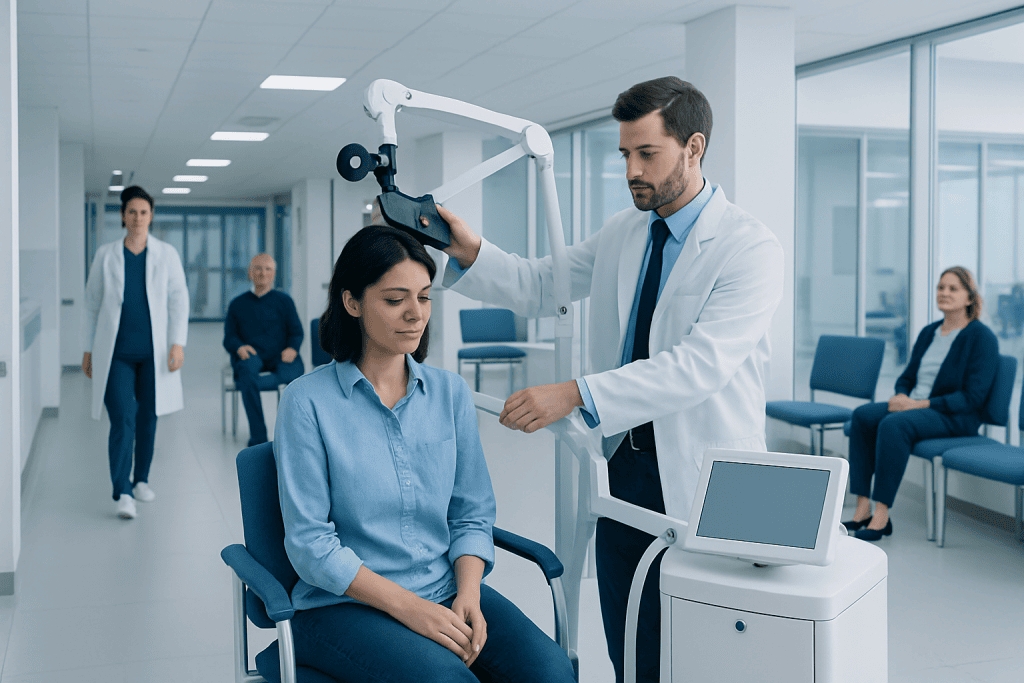
TMS for depression uses magnetic pulses to target brain circuits involved in mood regulation. It is noninvasive, does not require surgery, and is typically performed without anesthesia.
Key Takeaways
- TMS for depression uses magnetic pulses to target brain circuits involved in mood regulation.
- It is noninvasive, does not require surgery, and is typically performed without anesthesia.
- TMS may help people with depression that has not responded adequately to standard treatment.
- Treatment usually involves repeated outpatient sessions over several weeks.
- Common side effects are often mild, such as scalp discomfort or headache.
TMS for depression is a noninvasive neuromodulation treatment that uses magnetic pulses to stimulate specific brain areas linked to mood. It may be considered for people whose depression has not improved enough with medications, psychotherapy, or both.
Overview of TMS for Depression
Transcranial magnetic stimulation, often called TMS, is a type of neuromodulation used to treat depression. It delivers focused magnetic pulses through a coil placed on the scalp. These pulses stimulate targeted brain regions involved in mood, especially areas that may be underactive in major depressive disorder.
TMS is different from medication and talk therapy, although it may be used alongside both. It does not involve surgery, implanted devices, or electrical currents passing directly through the body. Because it is noninvasive, people are usually awake, seated comfortably, and able to return to normal daily activities shortly after each session.
Doctors may consider TMS for adults with depression when symptoms remain significant despite adequate trials of antidepressant medication, psychotherapy, or both. In some cases, it may also be discussed when medications cause troublesome side effects or when a person prefers a non-drug option as part of a broader treatment plan.
How Neuromodulation Works in Depression
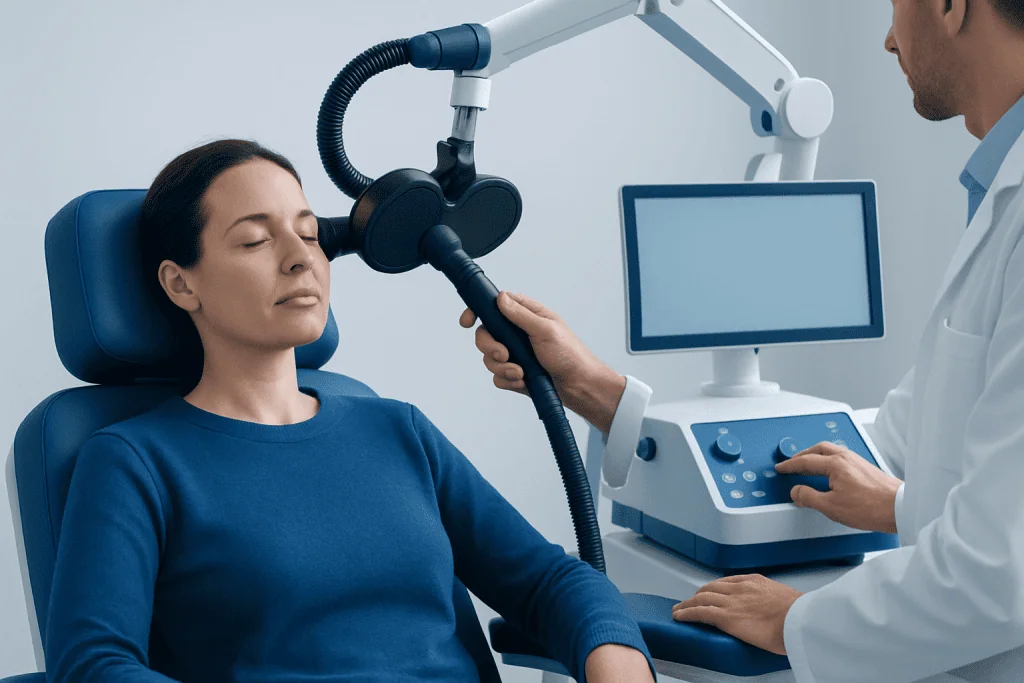
Depression is linked to changes in brain networks that regulate mood, motivation, attention, sleep, and emotional processing. TMS aims to influence these networks by stimulating selected parts of the cerebral cortex, most commonly the left dorsolateral prefrontal cortex. This area plays an important role in emotional regulation and decision-making.
The magnetic field created by the TMS coil passes painlessly through the skull and generates small electrical currents in brain tissue beneath it. Repeated stimulation can alter the activity of nerve cells and the communication between brain circuits over time. This process is known as neuromodulation, and it is intended to encourage healthier patterns of brain activity associated with improved mood.
TMS does not work instantly for most people. Instead, it gradually affects neural connections across multiple sessions. Depending on the protocol used, stimulation may increase or decrease activity in certain circuits to help rebalance network function. This is why a full course of treatment is usually recommended before judging whether it has been helpful.
TMS is one of several brain-based therapies used in mental health care. In selected situations, doctors may also discuss related approaches in broader depression management and other advanced treatments depending on symptom severity, prior treatment response, and overall health needs.
Who May Benefit From TMS

TMS is most often considered for people with major depressive disorder who have not had enough improvement after standard treatment. A clinician usually reviews whether previous treatments were taken at an appropriate dose and for a sufficient length of time. This helps determine whether depression is truly treatment-resistant or whether another treatment strategy should be tried first.
People who may benefit include those who cannot tolerate antidepressant side effects, prefer to avoid additional medications, or need another option in combination with psychotherapy and ongoing psychiatric care. TMS may also be considered when depression significantly interferes with work, relationships, sleep, or everyday functioning despite treatment efforts.
TMS is not suitable for everyone. Careful screening is needed for people with certain metal implants or devices in or near the head, such as some aneurysm clips, cochlear implants, or other implanted medical hardware that may interact with magnetic fields. A history of seizures, neurological illness, or other mental health conditions does not always rule out treatment, but it should be discussed in detail with the doctor.
Assessment also includes evaluating symptom type and severity. If a person has psychotic symptoms, bipolar disorder, active substance misuse, or urgent safety concerns, the care team may recommend a different or more immediate treatment approach first.
What to Expect Before and During Treatment
Before starting TMS, the doctor performs a detailed clinical assessment. This usually includes reviewing the depression diagnosis, current symptoms, past treatments, medications, medical history, and any possible contraindications. The care team may also use rating scales to measure symptom severity and monitor improvement during treatment.
At the first treatment session, the TMS coil is positioned over the scalp, and the team identifies the correct target area and stimulation intensity. People often feel tapping sensations on the scalp and hear clicking sounds from the machine. Ear protection is commonly provided. Anesthesia is not usually needed, and the person remains awake throughout the session.
A typical treatment course involves sessions on most weekdays for several weeks, although exact schedules vary by protocol. Some newer approaches use shorter or differently timed sessions. During each visit, the person sits in a treatment chair while the magnetic pulses are delivered in repeated patterns. Afterward, most people can drive themselves home and continue with their regular activities unless their doctor advises otherwise.
TMS is often part of a broader care plan that may still include psychiatric care, psychotherapy, lifestyle support, and medication management when appropriate. Regular follow-up helps the team decide whether to continue, adjust, or combine treatments.
Benefits, Effectiveness, and Possible Side Effects
The main goal of TMS is to reduce depressive symptoms and improve daily functioning. Some people notice better energy, concentration, motivation, or sleep before mood lifts fully. Others experience a more gradual overall improvement. As with many depression treatments, response varies from person to person, and not everyone will benefit to the same degree.
One advantage of TMS is that it does not usually cause the systemic side effects commonly associated with antidepressant medications, such as weight change, gastrointestinal upset, or sexual side effects. Because there is no sedation or general anesthesia, there is also no typical recovery period after each visit.
Common side effects are usually mild to moderate and temporary. They can include scalp discomfort, facial muscle twitching during stimulation, headache, lightheadedness, or sensitivity at the treatment site. These symptoms often lessen as treatment continues, and the team can sometimes adjust settings to improve comfort.
Serious side effects are uncommon but can occur. The most important rare risk is a seizure. This is why careful screening, proper treatment settings, and supervision by trained professionals are important. If symptoms are severe, unusual, or worsening, the treating team should be informed promptly.
How TMS Compares With Other Depression Treatments
TMS is one of several evidence-based options for depression. Antidepressant medications and psychotherapy remain common first-line treatments, and many people improve with them. TMS is generally considered when these approaches have not brought enough relief, cannot be tolerated well, or need to be supplemented.
Unlike electroconvulsive therapy, or ECT, TMS does not require anesthesia and does not intentionally trigger a seizure. ECT may still be the preferred option in some situations, such as severe depression with psychosis, catatonia, or urgent need for rapid improvement. The best choice depends on the person’s symptoms, medical history, safety considerations, and treatment goals.
In a comprehensive care plan, clinicians may combine TMS with psychotherapy, medication adjustment, sleep treatment, or management of coexisting conditions such as anxiety. In some cases, support from psychological therapy can help a person build coping skills and maintain gains made during neuromodulation treatment.
If symptoms remain difficult to treat, doctors may explore additional neurological or psychiatric evaluation, especially when overlapping conditions affect concentration, sleep, or mood. Broader assessment may sometimes include review for related problems such as obsessive-compulsive disorder or anxiety disorders when clinically relevant.
Self-care, Follow-up, and Maintaining Improvement
TMS works best when it is part of an overall treatment plan rather than a stand-alone solution. Ongoing follow-up with a qualified clinician helps track symptom changes, identify side effects, and decide whether maintenance treatment is needed. Some people may benefit from additional sessions later if symptoms return, while others maintain improvement with standard mental health care alone.
Healthy daily habits can also support recovery from depression. Regular sleep, physical activity, balanced nutrition, reducing alcohol or substance use, stress management, and social support may all contribute to better mental health. These measures are not replacements for treatment, but they can strengthen overall wellbeing.
It is important not to stop antidepressants or other prescribed medications without medical advice. If TMS is helping, the care team can guide any changes gradually and safely. People should also continue psychotherapy or counseling if it is part of their plan, since symptom improvement often creates a better foundation for emotional and behavioral work.
Near the end of treatment, the team usually reviews response and long-term next steps. For international patients seeking coordinated care, Acibadem International’s multidisciplinary specialists in JCI-accredited hospitals evaluate and treat depression using individualized plans that may include advanced neuromodulation and neurological assessment when appropriate.
When to See a Doctor
A doctor should be consulted when low mood, loss of interest, hopelessness, changes in sleep or appetite, poor concentration, or fatigue last for more than two weeks or begin to interfere with daily life. Depression is a medical condition, and timely assessment can help identify the most suitable treatment options.
Anyone who has tried medication or therapy without enough improvement should ask whether a review of the diagnosis and treatment plan is needed. This is especially important if symptoms are worsening, side effects are limiting treatment, or there are signs of another condition affecting mental health.
Urgent medical help is needed if a person has thoughts of self-harm, suicidal thinking, psychotic symptoms, extreme agitation, or inability to care for themselves. Family members or caregivers should seek immediate support if safety is a concern. In such situations, emergency evaluation is more important than waiting for an outpatient TMS consultation.
Frequently asked questions
Is TMS for depression painful?
TMS is generally not described as painful, but it can feel uncomfortable at first. Many people notice tapping on the scalp and hear clicking sounds during treatment. Mild scalp sensitivity or headache may happen, especially early in the course.
How long does a course of TMS usually take?
A full course usually involves repeated outpatient sessions over several weeks. The exact schedule depends on the protocol, the clinic, and the person's needs. The treating doctor explains how often sessions are needed and when progress will be reviewed.
Can TMS be used together with antidepressants or therapy?
Yes, TMS is often used alongside antidepressant medication, psychotherapy, or both. For many people, it is part of a broader treatment plan rather than a replacement for all other care. Any medication changes should be guided by the treating clinician.
Who should not have TMS?
TMS may not be suitable for people with certain metal implants or devices in or near the head that could interact with magnetic fields. A history of seizures or some neurological conditions does not always prevent treatment, but it requires careful review. A full screening helps determine safety.
How soon can someone expect results from TMS?
Some people notice improvement within the first few weeks, while others respond later in the treatment course. Benefits are usually gradual rather than immediate. It is important to complete the recommended treatment plan before deciding how effective it has been.
Does TMS cure depression permanently?
TMS can reduce symptoms significantly for some people, but it is not a guaranteed permanent cure. Depression can return, and some individuals may need maintenance care or further treatment in the future. Ongoing follow-up helps support long-term management.
References
- National Institute of Mental Health
- National Institute for Health and Care Excellence
- American Psychiatric Association
- Mayo Clinic
- U.S. Food and Drug Administration
This article is for general information only and is not a substitute for professional medical advice. Please consult a qualified doctor about your individual situation.
Neuromodulation in Turkey — costs, top hospitals & a free quote
JCI-accredited · board-certified surgeons · reply within 24h
Add us as a Preferred Source to see more of our trusted health content across Google Search, AI Overviews and Discover.