

How to Handle Food Allergies and Special Diets During Treatment in Turkey

Food allergies and special diets during treatment in Turkey can be managed safely by sharing your needs early and coordinating meals with your care team.
If you are traveling for treatment, managing food allergies or a special diet can feel like one more major detail to solve. With early planning, clear communication, and support from your hospital’s international patient team, you can make meals safer, simpler, and less stressful during your time in Turkey.
At a glance
- Best time to tell the hospital: Before you travel, ideally when your treatment is being scheduled
- What to prepare: A written list of allergies, intolerance triggers, and your usual diet in simple English
- Who can help on site: Your doctor, nursing team, dietitian if needed, and international patient services
- Useful backup: Safe snacks, translated allergy notes, and your prescribed emergency medication
- Accommodation tip: Choose a hotel or residence with flexible meal options if you have strict dietary needs
Start planning your dietary needs before you arrive
When you are arranging treatment abroad, food may not be the first thing on your checklist, but it matters more than many patients expect. If you have a food allergy, coeliac disease, diabetes-related meal needs, religious dietary requirements, or a medically necessary eating plan, it helps to treat meals as part of your care planning rather than a separate travel detail.
The most helpful step is to share your needs early, ideally when your treatment dates are being discussed. Send a clear written list of what you must avoid, what happens if you are exposed, whether cross-contamination is a concern, and what you usually eat safely. This gives the hospital time to note your needs in advance and helps the international patient team coordinate with clinical and catering staff.
If your needs are complex, ask whether a dietitian or nutrition professional may be involved during your stay. At Acibadem International, international patient services can help communicate practical needs before arrival, including language support and coordination across departments. That can make a big difference if your diet is part of your medical safety, not just a preference.
Be specific about allergies, intolerance, and special diets

Not all dietary needs are understood in the same way across countries, so clarity is important. Instead of saying only that you have a “special diet,” explain exactly what that means. For example, write “severe peanut allergy,” “strict gluten-free due to coeliac disease,” “no pork for religious reasons,” “lactose intolerance,” or “soft foods only after treatment.”
It also helps to separate what is medically dangerous from what is uncomfortable or preferred. If a food causes anaphylaxis, state that very clearly. If small traces matter, say that cross-contact or shared preparation surfaces are not safe for you. If your diet is texture-based, low-salt, diabetic-friendly, renal, vegetarian, or vegan, list practical examples of foods you can and cannot eat.
A short written note is often the safest format. Include your full name, your allergy or dietary condition, emergency medicine you carry, and a contact person if needed. If English is not your first language, use simple terms rather than long explanations, and ask for that note to be shared with your care team and, where relevant, food service staff.
How hospital meals are usually managed during treatment
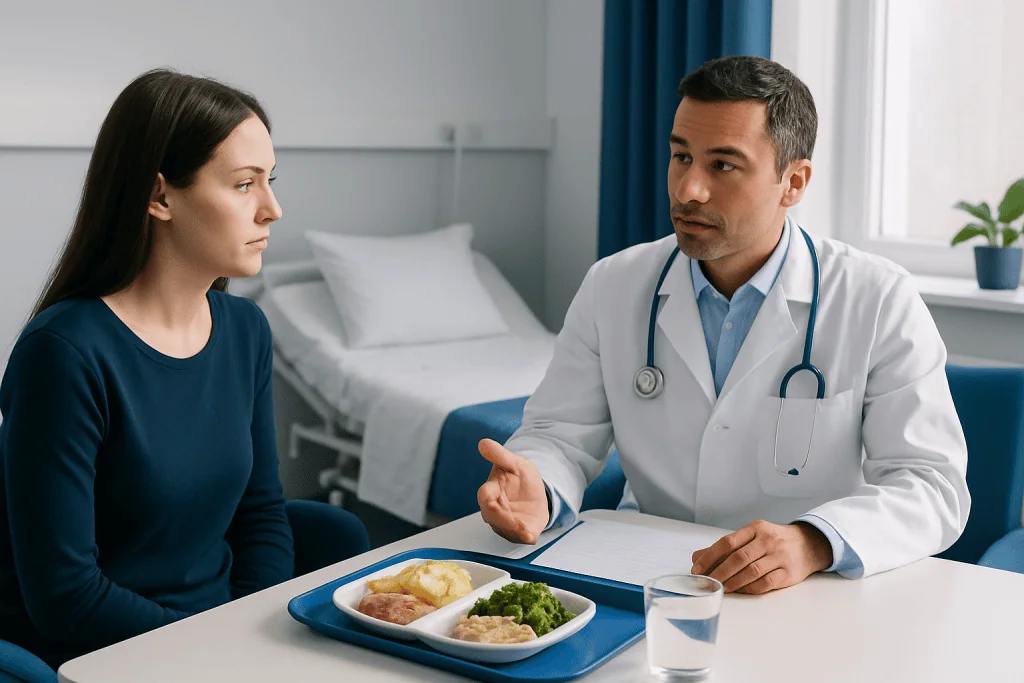
During treatment in Turkey, your meals may depend on why you are in hospital, whether you are having surgery or another procedure, and what stage of recovery you are in. Some patients need fasting periods before treatment, then a gradual return to liquids, soft foods, or a regular diet. Others may have restrictions because of nausea, swallowing difficulty, blood sugar management, or digestive sensitivity.
This is why your meal plan should always follow the medical team’s instructions first. Even if you normally eat a certain way at home, your doctor or nurse may adjust your diet temporarily for safety and recovery. If you have both a medical treatment diet and a food allergy, remind the team about both so they can be balanced together.
In a large hospital setting, several teams may be involved in your food arrangements. Nursing staff may confirm what you are allowed to eat, a physician may approve the type of diet, and catering teams may prepare the meal itself. In JCI-accredited hospitals such as those within Acibadem International, structured communication and patient safety processes can help reduce misunderstandings, but your own clear reminders are still valuable.
If anything on a meal tray looks unfamiliar, unlabeled, or worrying, pause before eating and ask. It is always appropriate to check ingredients, preparation methods, or whether a substitution can be made. A quick question is far better than taking a risk when you are already focused on treatment and recovery.
Practical ways to reduce risk during your stay in Turkey
Bring your essential safety items with you, especially if you have a history of severe reactions. This may include your prescribed adrenaline auto-injector, antihistamines, inhalers, or other medication advised by your doctor at home. Keep these in your hand luggage when flying, and carry a copy of your prescription or medical letter in case airport staff ask about them.
It is also wise to travel with a small supply of safe, sealed snacks that fit your condition, particularly for arrival day, transfer times, or unexpected schedule changes. Examples might include allergy-safe snack bars, gluten-free crackers, or medically appropriate nutritional items you know you tolerate well. Do not rely entirely on airport, hotel, or convenience food if your diet is strict.
Outside the hospital, restaurants and hotel buffets can be harder to manage because ingredient details and preparation methods may vary. Choose simple dishes where ingredients are easier to identify, ask questions before ordering, and avoid foods with uncertain sauces, marinades, desserts, or shared serving utensils if cross-contact is a concern. If your accommodation has a kitchenette or flexible dining options, that can make your stay easier.
If you are staying with Acibadem International support pathways, the international patient team can often help with practical logistics such as interpretation and guidance around your stay. That can be especially helpful if you need to explain a medically necessary diet repeatedly to different people during appointments, admission, recovery, and accommodation planning.
Use interpreters and written translations to avoid misunderstandings
Language is one of the biggest practical concerns for international patients with food allergies. Even when staff speak English, your specific medical meaning may be lost if the wording is too broad. A translated allergy card or short written statement can help you explain your needs consistently to drivers, hotel staff, nurses, or restaurant teams.
Your written note should name the exact foods or ingredients you must avoid and state the level of seriousness. For example, “I have a severe nut allergy. Even small amounts may cause a serious reaction,” is clearer than simply writing, “No nuts.” If you need to avoid gluten, dairy, eggs, soy, shellfish, sesame, or certain additives, list them separately.
Professional interpretation is especially valuable during admission, consent discussions, meal planning after procedures, and any situation where you feel unwell. Acibadem International supports international patients with interpreter and coordination services, which can help reduce stress when you need practical information quickly. Even so, keep your own written summary with you rather than assuming every team member has already seen your notes.
What to do if your appetite changes or eating becomes difficult
Treatment can change your appetite, taste, digestion, or energy level, even if your original dietary plan was clear. You may feel nauseated, tired, bloated, sore, or simply less interested in food than usual. This is common, and it is worth telling your nurse or doctor early rather than waiting until meals become a bigger problem.
Ask whether your meals can be adjusted in consistency, timing, portion size, or ingredient choice. Small, plain meals may be easier than large ones, and some patients cope better with frequent light snacks if medically permitted. If you are diabetic or have another condition where meal timing matters, remind staff if poor intake is affecting your usual routine.
Hydration also matters. If you are not eating well, ask what fluids are appropriate and whether you should avoid anything because of your treatment. If you cannot maintain intake, feel weak, or are vomiting or having diarrhea, tell the clinical team promptly so they can guide you safely rather than trying to manage it alone.
For some patients, family members or companions help keep track of what has been eaten and what symptoms follow. This can be useful when you are tired or recovering from anesthesia. A simple record on your phone can make conversations with the care team clearer and faster.
Prepare for discharge, hotel stays, and your return journey
Your food planning should continue beyond the hospital itself. Before discharge, ask whether there are any temporary diet rules you should follow, such as soft foods, low-fat meals, hydration goals, blood sugar monitoring, or foods to avoid while taking medication. Make sure you understand which restrictions are short term and which are part of your longer-term condition.
If you are moving to a hotel or serviced apartment after treatment, check in advance how meals will work there. Ask whether breakfast ingredients can be identified clearly, whether room service can accommodate restrictions, and whether a refrigerator is available for safe foods or medication if needed. If you have a companion, it may help for them to shop for a few dependable staples after arrival.
Before your flight home, pack enough safe snacks, check medication access, and allow extra time in transit in case airport dining is limited. Keep allergy medicines in your hand luggage and carry your treatment summary if your diet has changed during care. A calm, prepared travel day is much easier when you have already thought through what you will be able to eat and drink on the way.
Step by step
- Share your dietary needs when booking treatment. Tell the hospital about allergies, intolerances, and special diets as soon as your care is being planned. Early notice gives the international patient team time to record your needs and advise on practical arrangements before you travel.
- Prepare a clear written food safety note. Write down exactly what you cannot eat, whether cross-contamination is dangerous, and what emergency medicine you carry. Keep it short, specific, and easy to show at admission, during meals, and in restaurants or hotels.
- Pack medication and reliable backup snacks. Bring your prescribed allergy medicines in your hand luggage and keep them accessible at all times. Add a small supply of sealed, safe foods for airport delays, arrival day, or times when meal options are limited.
- Confirm meal arrangements after admission. Once you are admitted, remind the nursing team and ask how your dietary needs will be handled during fasting, recovery, and routine meals. If anything seems unclear, ask for ingredients or alternatives before eating.
- Use interpreter support when needed. If you are not fully confident discussing food safety in English or Turkish, ask for interpreter help. This is especially useful when your diet is medically necessary or when treatment has temporarily changed what you are allowed to eat.
- Monitor symptoms and speak up early. If you feel unwell after eating, struggle with nausea, or cannot tolerate the meals offered, tell your care team promptly. Small adjustments made early are usually easier than solving a bigger nutrition or hydration problem later.
- Plan for discharge and travel home. Before leaving hospital, ask what diet you should follow over the next days and whether any medications affect eating. Then prepare your hotel and flight plans so you have safe, practical food choices during recovery and return travel.
Your checklist
- Send your allergy or diet list to the hospital before you travel
- State clearly whether traces or cross-contact are dangerous for you
- Carry prescribed emergency allergy medication in hand luggage
- Pack a few sealed, safe snacks for transfers and delays
- Save a translated allergy note on your phone and on paper
- Ask about fasting and post-treatment diet instructions on admission
- Check ingredients before eating unfamiliar meals or buffet foods
- Arrange accommodation with flexible meal options if your diet is strict
Key takeaways
- Tell your hospital about food allergies and special diets before you arrive in Turkey
- Use clear written notes that explain exact triggers and whether cross-contamination matters
- Keep emergency medication and safe backup snacks with you throughout the trip
- Ask questions about meal trays, fasting, and recovery diets instead of guessing
- Interpreter and international patient support can make food safety communication much easier
Frequently asked questions
When should I tell the hospital about my food allergy or special diet?
Tell the hospital as early as possible, ideally when your treatment dates are first being arranged. This gives the care team and international patient coordinators time to record your needs and plan practical meal support before admission.
Can hospitals in Turkey accommodate special diets?
Many hospitals can support common medical and practical dietary needs, but the best results come from early, specific communication. Your exact diet may also depend on your procedure, recovery stage, and your doctor’s instructions during treatment.
Should I bring my own food to Turkey for treatment?
It is sensible to bring a small supply of sealed, familiar snacks that you know are safe for you. This is especially helpful for flights, transfers, late arrivals, or times when you are unsure about available options, but always follow hospital rules about outside food once admitted.
What if I have a severe allergy and worry about language barriers?
Carry a written allergy card in simple English and, if possible, a Turkish translation. Also ask for interpreter support during admission and meal-related discussions so your allergy is explained clearly and consistently.
Will my normal diet change because of treatment?
Possibly, yes. Depending on your procedure or recovery, you may need fasting, liquids only, soft foods, or temporary restrictions, so always follow the medical team’s guidance even if your usual diet at home is different.
How can Acibadem International help with dietary concerns?
Acibadem International supports international patients with practical coordination, including communication support that can help you explain important dietary needs. In its JCI-accredited hospital environment, your care may involve multiple teams, so having structured support can make your stay smoother and less stressful.
Is it safe to eat in hotels or restaurants during recovery?
It can be, but you should be more cautious than usual if you have allergies or strict restrictions. Choose simple foods, ask direct questions about ingredients, and avoid uncertain sauces, mixed dishes, or buffet items if cross-contact is a risk.

More Patient Guides
Mobility Aids in Turkey: Renting a Wheelchair, Walker, or Crutches
Mobility aids in Turkey can be rented through medical suppliers, pharmacies, and hospital-linked services in Istanbul and other cities.
9 min read
Traveling to Turkey with Food Allergies or Special Diet Needs
Traveling to Turkey with food allergies or special diet needs is manageable with planning, translated allergy cards, and hotel and hospital support…
9 min read
Flying to Turkey with Limited Mobility: Airport, Transfer, and Hotel Planning Tips
Flying to Turkey with limited mobility is easier with pre-booked airport assistance, accessible transfers, and hotel checks in Istanbul.
9 min read