

Staying Near the Hospital in Turkey: How to Choose the Right Area

Staying near the hospital in Turkey is easiest when you choose an area with short transfers, safe walking routes, and nearby daily essentials.
Choosing where to stay can make your treatment trip feel calmer, easier, and more predictable. This guide helps you pick the right area near your hospital in Turkey based on travel time, comfort, support needs, and day-to-day practicalities.
At a glance
- Best for: International patients and companions choosing accommodation near the hospital
- Main goal: Reduce stress by balancing transfer time, comfort, and local convenience
- Most important factor: Reliable door-to-door travel time, not just map distance
- Good area signs: Easy transport, pharmacy, grocery, quiet streets, safe access
- Extra support: Interpreter and travel coordination can simplify planning
- Useful city tip: In Istanbul, traffic can greatly affect even short distances
Why your area matters more than the hotel itself
When you travel for treatment, your accommodation is not only a place to sleep. It becomes part of your care routine. The right area can make early appointments easier, reduce tiring transfers, help your companion stay organized, and give you a more comfortable space to rest between hospital visits.
Many patients first look at star ratings, room photos, or tourist landmarks. These matter, but for medical travel, the area around your accommodation often matters more. A simple, quiet neighborhood with a short and predictable route to the hospital may serve you better than a more luxurious option that involves long travel times or busy roads.
This is especially important in larger cities such as Istanbul, where traffic patterns can change the practical distance between two places. A hotel that looks close on a map may still be inconvenient at appointment times. If you are visiting Acibadem International, the international patient services team can often help you think through transfer times, companion needs, and suitable areas near the relevant hospital.
Start with the hospital location and your treatment schedule
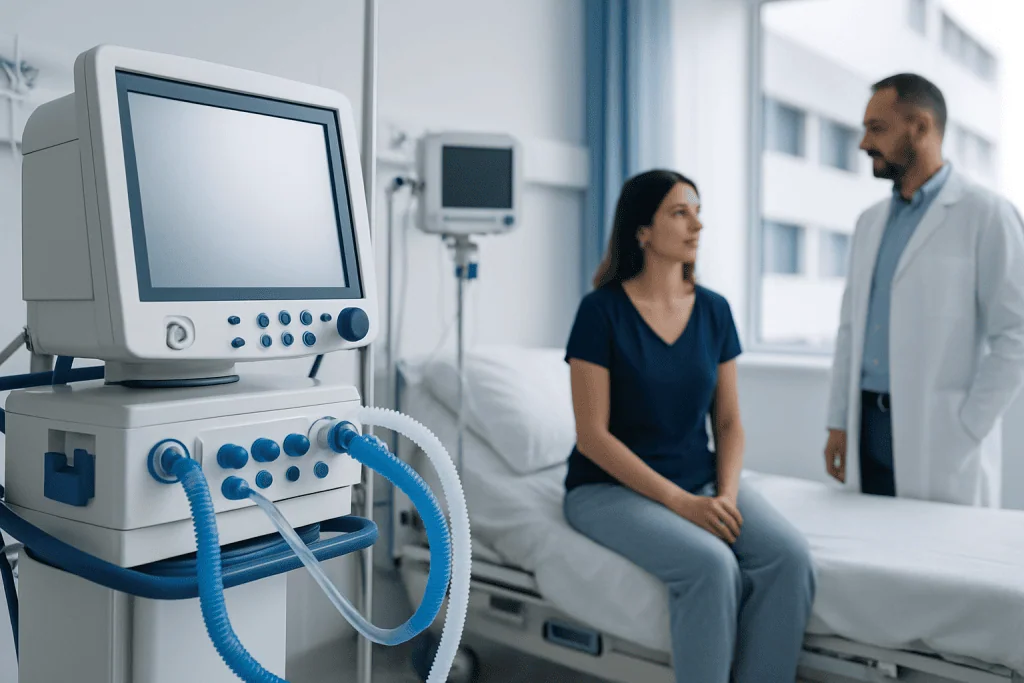
Before choosing any area, confirm exactly which hospital or clinic building you will be visiting and how often. Some treatments involve only a few visits, while others may require repeated appointments, tests, or check-ups over several days. Your ideal location depends on whether you need to be at the hospital once, daily, or at short notice.
If you expect early morning admissions, fasting blood tests, imaging, or same-day discharge, staying nearby can be especially helpful. You may feel tired, uncomfortable, or less able to manage a long transfer after a procedure. If your mobility is limited, or if you are traveling with a child or an older family member, keeping the journey straightforward becomes even more important.
Ask practical questions when planning. Will you need to return the next day? Could your schedule change? Will your companion travel back and forth alone? A realistic view of your treatment rhythm will help you choose an area that supports you, rather than one that looks attractive but creates extra strain.
How to judge an area: think in minutes, not kilometers

The most useful way to compare locations is by real travel time from your door to the hospital entrance. A 15-minute reliable transfer is usually better than a technically shorter route that becomes difficult in rush hour. In Istanbul in particular, bridges, major roads, and business districts can add unpredictability to travel plans.
Check the route at the times you are most likely to travel, such as early morning or late afternoon. Look at whether pickup by taxi or private transfer is easy, whether the entrance is simple to find, and whether there are steep hills, stairs, or long walking sections. If you are recovering from treatment, even a short walk can feel long.
Also consider the area immediately around your accommodation. It helps to have a pharmacy, small grocery store, café, and cash machine or card-friendly shops nearby. You may not want sightseeing options; you may simply want somewhere that lets you get water, soup, basic toiletries, or a light meal without extra effort.
- Prioritize reliable transfer time over map distance
- Check daytime and peak-traffic travel estimates
- Look for step-free or easy access where possible
- Choose an area with basic daily essentials close by
Matching the area to your recovery and comfort needs
Your medical situation should shape your accommodation choice. If you may feel sore, fatigued, or sensitive to noise, a quieter residential area can be more suitable than a lively central district. If you are likely to need rest during the day, look for a location that feels calm and practical rather than highly touristic.
Room setup also matters, but the surrounding area influences comfort too. Consider whether elevators are available, whether streets are crowded, and how easy it will be to enter and leave the building. If your companion will be helping you, an easy route from the hospital to the room can make a meaningful difference after appointments.
If you have dietary requirements, a child with you, or reduced mobility, check what the neighborhood supports. It may help to be near supermarkets, family-friendly dining, or quieter walking routes. Acibadem International often supports patients with interpreters and travel guidance, which can be particularly useful if you want help choosing an area that fits your recovery plan rather than a standard tourist itinerary.
Choosing between central districts and hospital-focused convenience
Some patients want to be in a central part of Istanbul so they can enjoy the city between appointments. Others prefer to stay as close to the hospital as possible and keep the trip simple. There is no single right answer; the best choice depends on your energy level, length of stay, and the flexibility of your schedule.
A central area may give you more restaurant choice, familiar international hotel brands, and sightseeing access for your companion. However, this can come with more traffic, noise, and longer transfer times. If your schedule is dense or your treatment may leave you tired, convenience usually matters more than having a well-known tourist location outside your window.
If your treatment is brief and non-demanding, a somewhat more central base may work well. If you expect multiple hospital visits or recovery downtime, staying in a hospital-focused area is often the calmer option. A practical middle ground can be an area that is not tourist-heavy but still has everyday shops, easy roads, and straightforward access to the hospital.
Questions to ask before you book
Once you narrow down a few options, ask direct questions that reflect medical travel realities. Confirm the actual transfer time to your hospital, whether reception can help call taxis, whether early check-in or late check-out may be possible, and whether the room has features you need such as a lift, walk-in shower, or twin beds for you and your companion.
Ask about noise, stairs, and food access. If you may return from the hospital needing rest right away, a quiet room away from nightlife can be more valuable than a better view. If you are arriving after a long flight, 24-hour reception can make your first evening much smoother.
It is also wise to check cancellation flexibility in case your medical schedule changes. Treatment plans can shift after consultation or testing. International patient teams at providers such as Acibadem International can often help coordinate practical details and point you toward options that fit your appointment location and support needs.
- How long is the transfer to the exact hospital entrance?
- Is the building easy to access with limited mobility?
- Are there quiet rooms and lift access?
- What essentials are within a short walk?
- Is there flexibility if medical plans change?
Making your stay easier once you arrive
After check-in, do a quick practical setup rather than waiting until you are tired. Identify the fastest route to the hospital, the nearest pharmacy, a place to buy bottled water and simple food, and where your companion can wait or work if needed. Small preparations at the start can save energy later.
Keep key information together: hospital address, department name, contact numbers, appointment times, passport copy, insurance or payment documents, and transfer details. If you are not confident in the local language, save the hospital name and accommodation address in writing on your phone so you can show them easily to drivers or reception staff.
If you are staying through Acibadem International coordination, use the support available to you. JCI-accredited hospital systems, international patient services, interpreters, and travel assistance can help reduce uncertainty and improve communication. Even when everything seems arranged, having one clear contact point can be reassuring during a treatment trip.
Step by step
- Confirm your exact hospital and visit pattern. Start by checking which hospital campus, clinic, or department you will attend and how many visits you expect. A good area for one consultation may not be ideal for daily tests or post-treatment reviews.
- Set your maximum comfortable transfer time. Decide how long you are realistically willing to travel each way, especially after a procedure or on an early morning. For many patients, a shorter and more predictable route is worth more than extra city-center convenience.
- Shortlist areas, not just hotels. Compare neighborhoods based on traffic, safety, noise level, and access to essentials. Then look at hotels or apartments within those areas that match your mobility, privacy, and companion needs.
- Check practical building features. Review whether there is a lift, step-free entry, 24-hour reception, simple bathroom access, and easy pickup for taxis or private transfers. These details matter much more during treatment travel than they do on a regular city break.
- Think about your companion's routine. If someone is traveling with you, make sure the area also works for them. They may need food options, a quiet place to rest, easy transport, or somewhere to wait while you are in the hospital.
- Confirm flexibility before booking. Ask about cancellation terms, early arrival, late departure, and luggage storage. Medical schedules can change, so a booking with some flexibility can reduce stress and extra cost.
- Prepare a simple arrival plan. Before you fly, save the hospital and accommodation addresses, transfer contacts, and appointment details in one place. Knowing exactly how you will get from the airport to your accommodation and then to the hospital helps the trip start smoothly.
Your checklist
- Confirm the exact hospital name and campus before booking accommodation
- Choose by real transfer time, especially in Istanbul traffic
- Look for a quiet area with a pharmacy and grocery nearby
- Check lift access, step-free entry, and easy bathroom setup
- Make sure taxis or private transfers can reach the entrance easily
- Ask about flexible booking terms in case appointments change
- Consider your companion's meals, transport, and waiting time
- Save all addresses and contacts in writing on your phone
Key takeaways
- Pick your area based on reliable hospital access, not tourist appeal alone
- In Turkey, and especially in Istanbul, travel time can matter more than physical distance
- Quiet surroundings and nearby essentials can make recovery days much easier
- Your treatment schedule, mobility, and companion's needs should guide the choice
- International patient support can help you match accommodation to your care plan
Frequently asked questions
How close should I stay to the hospital in Turkey?
There is no single perfect distance, but shorter and more predictable transfers are usually best. If you have early appointments, repeated visits, or expect to feel tired after treatment, staying in a nearby area can make the trip much easier.
Is it better to stay in central Istanbul or near the hospital?
If your priority is comfort and smooth hospital days, staying near the hospital is often the better choice. A central district can be enjoyable for companions or light schedules, but traffic, noise, and longer transfers may add stress during treatment.
What should I look for in the area around my accommodation?
Focus on practical things: a pharmacy, grocery store, simple food options, safe access, and easy taxi pickup. A quiet street and straightforward route back from the hospital are often more valuable than being near major attractions.
Should I choose a hotel or an apartment?
Either can work, depending on your stay and support needs. Hotels may offer easier reception help, daily housekeeping, and more predictable service, while apartments may suit longer stays or families who want more space and kitchen access.
How do I account for Istanbul traffic when choosing where to stay?
Check travel times at the actual hours you expect to go to and from the hospital, not just the general map distance. In Istanbul, routes that seem short can become tiring if they cross busy roads or depend on peak-hour travel.
Can Acibadem International help with accommodation planning?
Acibadem International can often help international patients with practical planning around their treatment journey, including travel coordination and guidance on staying near the relevant hospital. Their international patient services and interpreter support can also make communication easier once you arrive.
What if my treatment schedule changes after I book?
This is why flexible booking terms are important. Before confirming accommodation, check cancellation rules, date change options, and whether early or late check-in arrangements are possible if your appointments shift.

More Patient Guides

Traveling to Turkey with CPAP: Sleep Apnea Checklist for Hospital Patients
Traveling to Turkey with CPAP is manageable with the right checklist for flights, power, hospital admission, and recovery planning in Turkey.
9 min read
Medical Fitness to Fly to Turkey: When You Need Clearance Before Travel
Medical fitness to fly to Turkey means checking if you need clearance before travel, plus airline letters, medicines and airport support.
9 min read
Arriving in Turkey with Mobility Equipment: Wheelchairs, Walkers, and Assistance
Arriving in Turkey with mobility equipment is manageable with airline notice, airport assistance, and hotel planning in Turkey or Istanbul.
9 min read