

Preparing for Your Return Flight After Treatment in Turkey: Timing, Clearance, and Comfort

Preparing for your return flight after treatment in Turkey means getting medical clearance, timing your trip safely, and planning comfort and support.
Going home after treatment in Turkey is easier when you know when it is safe to fly, what paperwork you may need, and how to stay comfortable during travel. This guide helps you plan your return journey step by step, with practical advice on timing, clearance, airport logistics, and in-flight comfort.
At a glance
- Best time to plan: Before your treatment date is confirmed
- Most important step: Get written medical clearance before flying
- Who can help: Your treating team and international patient services
- Key travel concerns: Timing, mobility, pain control, medication, and airport support
- Documents to carry: Discharge summary, fit-to-fly note, prescriptions, and passport
- If unsure: Delay travel until your doctor confirms it is safe
Why your return flight needs planning
After treatment, your journey home is part of your recovery. Even if your procedure went smoothly, flying too soon can be uncomfortable and, in some cases, unsafe. The right timing depends on the type of treatment you had, how long your procedure lasted, whether you had anesthesia, your mobility, and how your body is recovering in the first few days.
You may also need to think about practical details that feel small at first but matter a lot on travel day: walking long distances in the airport, lifting bags, standing in queues, taking medication on time, eating and drinking regularly, and finding a comfortable position during the flight. If you are traveling with a companion, they may be able to help with some of this, but it is still best to prepare in advance.
At Acibadem International, international patient services teams often help patients coordinate these non-clinical parts of their journey, including discharge planning, interpreter support, and practical travel guidance. This does not replace medical advice from your doctor, but it can make the last part of your stay in Turkey feel more organized and less stressful.
When is it safe to fly after treatment?
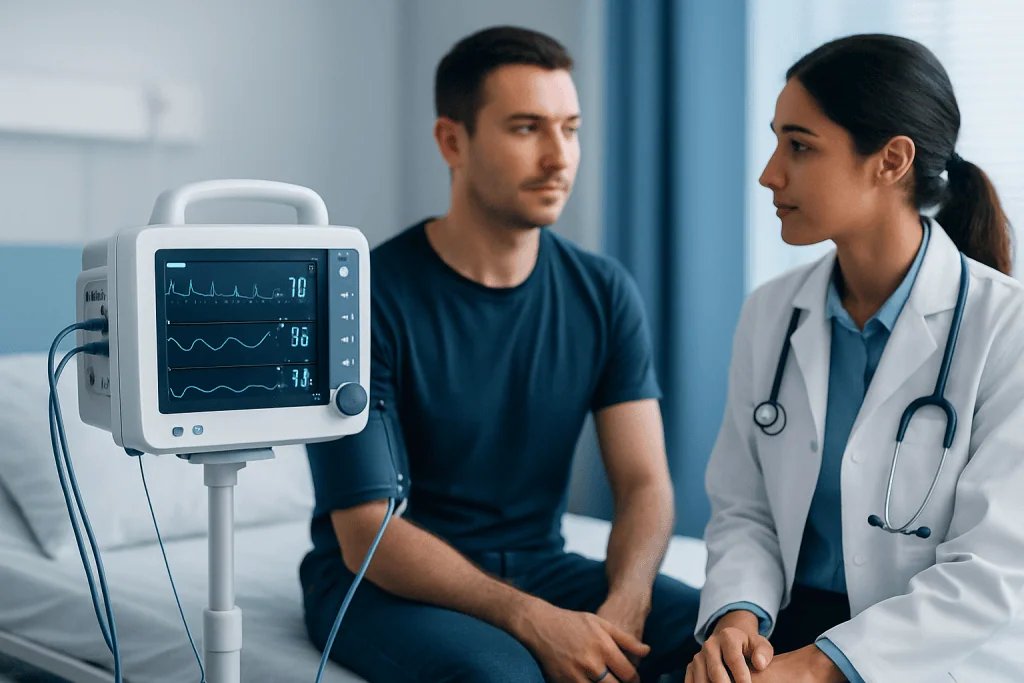
There is no single rule for everyone. Some patients can travel relatively soon after minor treatment, while others need more time in Turkey before boarding a plane. Your doctor will consider your wound healing, pain level, swelling, risk of bleeding, risk of blood clots, need for dressings or drains, and whether you are able to sit comfortably and move safely.
If you had surgery, sedation, or general anesthesia, your body may need extra time before flying. You may also need to stay nearby for follow-up checks, dressing changes, or early review if symptoms change. If you had treatment affecting the chest, abdomen, face, eyes, or circulation, timing can be especially important, so do not rely on general internet timelines alone.
The safest approach is simple: do not book a fixed return flight that is too tight unless your care team has advised that timeline. If possible, choose flexible tickets or allow a buffer of extra days. This gives your doctor room to assess your recovery properly instead of trying to fit your body to the flight schedule.
What medical clearance usually involves

Before you fly home, ask your treating team whether you need formal medical clearance or a fit-to-fly letter. Airlines have their own policies, and some require extra documentation if you recently had surgery, need a wheelchair, are carrying medication or injections, or require oxygen or special assistance during the journey.
Your discharge paperwork should usually include a summary of your treatment, current medications, wound care instructions, and warning signs to watch for after you arrive home. If you have stitches, a drain, compression garments, or any temporary restrictions, make sure these are clearly written down. Keep both printed and digital copies in case airport staff, your airline, or a doctor at home asks for them.
If you are receiving care at Acibadem International, ask the international patient team to help you gather documents before discharge, especially if you need them in English. This can be useful not only for your flight but also for your local doctor or follow-up care after you return home.
- Discharge summary
- Fit-to-fly note if advised
- Prescription list and medication schedule
- Copies of imaging or test results if relevant
- Emergency contact numbers
- Follow-up plan after you return home
How to make the trip more comfortable
Comfort matters because it supports recovery. Choose the least complicated route you can, ideally with fewer connections, less walking, and shorter waiting times. If your budget and medical advice allow, extra legroom or a more spacious seat may make a meaningful difference, especially if you are sore, swollen, or wearing a brace or compression garment.
Plan ahead for pain relief, hydration, snacks, and easy access to essential items. Keep medication, your documents, a phone charger, tissues, dressings, and any medically necessary supplies in your hand luggage. Do not place important medicines in checked baggage, as delays or lost luggage can create unnecessary problems.
If you may struggle with stairs, queues, or long walks, request wheelchair assistance from the airline before travel day. This is one of the most helpful services for patients flying after treatment. It can reduce strain, conserve energy, and make security and boarding much more manageable.
Reducing common travel risks after treatment
Long periods of sitting can be tiring after treatment and may increase discomfort or swelling. Depending on your doctor’s advice, try to move your ankles and feet regularly, change position when you can, and take short walks during the flight if it is safe for you to do so. Wear any prescribed compression garments exactly as instructed, and do not substitute them with non-medical items unless your doctor says that is acceptable.
Dehydration can make you feel worse during recovery, so sip water regularly unless you have been given fluid restrictions. Limit alcohol, and be careful with sleeping tablets or sedating medication unless your doctor has specifically approved them for travel. You want to stay comfortable, but also alert enough to move, manage your medication, and notice any changes in how you feel.
Know the warning signs that mean you should seek help urgently rather than continue traveling as planned. These may include chest pain, shortness of breath, heavy bleeding, a high fever, worsening swelling, severe pain that is not controlled by medication, fainting, confusion, or new weakness. If symptoms appear before your flight, contact your hospital team immediately and do not assume you should travel anyway.
Airport, airline, and arrival planning
Try to keep your travel day as simple as possible. Arrive early so you are not rushing, but avoid excessive waiting if standing or sitting upright is uncomfortable. If someone can accompany you to the airport, that support can be very helpful for check-in, baggage, medication reminders, and simply reducing stress.
Before you leave Turkey, confirm your transport from the hospital or hotel to the airport, especially if you need extra space, a smoother ride, or help with luggage. Many international patients also arrange accommodation close to the hospital for the final night or two, so they are not managing a long city transfer immediately after discharge. In Istanbul, traffic can be unpredictable, so leave enough time for the journey.
After you land at home, plan the next stage too. Think about who will collect you, whether you need help getting into your home, where you will rest, and how you will obtain food, fluids, and medication for the first 24 to 48 hours. If you have a follow-up appointment with your doctor at home, schedule it in advance if possible.
Step by step
- Ask about travel timing early. As soon as your treatment plan is discussed, ask when you may be able to fly home and whether that timeline could change. This helps you avoid booking a return date that is too optimistic.
- Choose flexible travel arrangements. If possible, book flights that can be changed without major difficulty. Recovery does not always follow a perfect schedule, and a little flexibility can reduce pressure on you and your care team.
- Get your discharge and fit-to-fly documents. Before leaving the hospital, make sure you have all necessary paperwork in English if needed. Include medication instructions, aftercare advice, and contact details in case questions come up during travel.
- Arrange airport assistance in advance. Contact the airline as early as possible if you need wheelchair support, priority boarding, or help with transfers. Assistance is usually much easier when arranged beforehand rather than requested at the airport.
- Pack your hand luggage carefully. Keep medicines, dressings, water, snacks, documents, and a change of essentials with you. This prevents problems if checked baggage is delayed and makes it easier to manage your recovery during the trip.
- Follow your doctor's in-flight advice. Use compression garments, pain relief, mobility exercises, or wound care instructions exactly as recommended. Small steps during the journey can make a big difference to comfort and safety.
- Plan support for when you get home. Arrange transport, help with bags, and a quiet place to rest after arrival. If you are likely to be tired or sore, having support in place can make your first day home much easier.
Your checklist
- Passport, visa documents if applicable, and boarding pass
- Discharge summary and fit-to-fly note if advised
- All medications in hand luggage, in original packaging if possible
- Written medication schedule, including pain relief timing
- Phone charger, emergency contacts, and hospital contact details
- Compression garments, dressings, or medical supplies you were told to use
- Airline wheelchair or special assistance confirmed
- Airport transfer and home pickup arranged
- Snacks and water plan for the journey
Key takeaways
- Your safe return flight timing depends on your treatment, recovery, and medical review.
- Always ask your doctor whether you need formal clearance or a fit-to-fly letter.
- Flexible tickets, airport assistance, and smart hand-luggage packing can make travel much easier.
- Stay alert to warning signs such as chest pain, shortness of breath, heavy bleeding, or worsening swelling.
- Plan not only the flight itself, but also your trip to the airport and your first day at home.
Frequently asked questions
How soon can you fly after treatment in Turkey?
It depends on the type of treatment, your recovery progress, and your doctor's assessment. Some patients can fly relatively soon after minor care, while others need several extra days or longer for safe review and recovery.
Do you need a fit-to-fly letter after surgery?
You may need one, especially if you had recent surgery, anesthesia, reduced mobility, or need special assistance or medical supplies during the flight. Airline rules differ, so check with both your hospital team and your airline before travel.
What documents should you carry on your return flight?
Carry your discharge summary, prescriptions, medication list, passport, and any fit-to-fly or airline medical forms if required. It is also helpful to keep digital copies on your phone in case printed papers are misplaced.
Can you travel alone after treatment?
Some patients can, but it depends on how well you are moving, how tired you are, what treatment you had, and whether you may need help with luggage or medication. If your doctor recommends a companion, take that advice seriously.
Should you request wheelchair assistance at the airport?
Yes, if long walks, standing, stairs, or carrying bags will be difficult after your treatment. Even patients who usually walk independently often find airport assistance very helpful during recovery.
What should you do if you feel unwell before your flight home?
Contact your treating team immediately and do not assume you should continue with travel. Symptoms such as fever, heavy bleeding, shortness of breath, severe pain, chest pain, or sudden swelling need medical review before you fly.
How can Acibadem International help with return travel planning?
Acibadem International can help coordinate practical support around discharge, documentation, interpreter needs, and general travel logistics for international patients. Its JCI-accredited hospitals and multidisciplinary teams can also advise when you should seek medical review before leaving Turkey.
Add us as a Preferred Source to see more of our trusted health content across Google Search, AI Overviews and Discover.

More Patient Guides

Arriving in Turkey for Surgery: Your First 48 Hours Explained
Arriving in Turkey for surgery is easiest when you know what happens at the airport, hotel, and hospital in your first 48…
9 min read
How to Plan a Low-Stress Arrival Day Before Treatment Starts
Arrival day before treatment in Turkey is easiest with a simple plan for airport pickup, hotel check-in, documents, rest, and your first…
9 min read
Traveling to Turkey for Treatment While Pregnant: Questions to Ask Before You Book
Traveling to Turkey for treatment while pregnant means checking airline rules, timing, records and local support before you book in Turkey or…
9 min read