

Gut Reset, Gut Cleanse and Colon Cleanse: What the Trends Promise and What the Colon Actually Needs
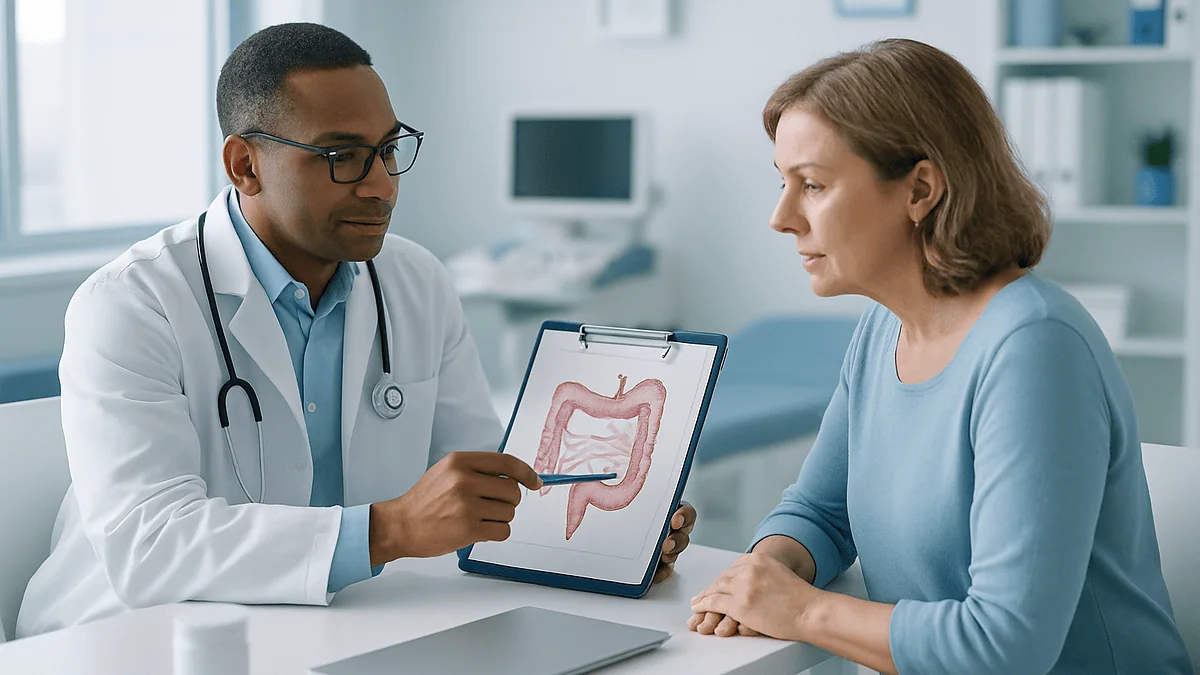
Key Takeaways
- The cells lining the colon are replaced roughly every four to five days, so nothing can remain “caked” to the wall for years.
- No randomized trial has shown that any gut cleanse, gut reset or colon cleanse removes toxins, improves energy or produces lasting weight loss.
- The 2020 American Gastroenterological Association guideline advises against routine probiotic use for most digestive conditions outside clinical trials, citing low-quality evidence.
- Documented harms of colonic irrigation include bowel perforation, infection and dangerous electrolyte shifts, and the FDA clears irrigation devices only for medical use.
- The “mucoid plaque” shown in post-cleanse photos is a rubbery cast formed by psyllium and clay powders, not residue from the colon itself.
- The only evidence-based colon cleanse is colonoscopy preparation, and US guidance now recommends screening from age 45 for adults at average risk.
A gut cleanse, gut reset or colon cleanse is not needed for health: the colon clears itself through daily bowel movements, a self-renewing lining and bacteria that feed on fiber. No randomized trials show that cleanses remove toxins or improve health, while laxative kits and colonic irrigation can cause dehydration, electrolyte imbalance and, rarely, bowel injury. Fiber, fluids, movement and sleep do the real work.
The video is 28 seconds long. A woman holds a glass of cloudy green liquid, pats her stomach, and promises that by day seven her “gut cleanse” will have flushed out pounds of waste she did not know she was carrying. Below it, thousands of comments ask the same two things: does it work, and where do I start?
As of this writing in 2025, searches for gut reset and colon cleanse plans are climbing again, pushed by short-form video, a new generation of herbal capsule kits and the very real excitement around microbiome science. The vocabulary of serious research, “microbiome diversity”, “gut barrier”, has migrated onto product labels, and it lends the whole category a borrowed authority.
So it is worth asking a quieter question than the videos do. Not “which cleanse is best?” but “what does a colon actually need, and what happens to it when you try to scrub it?” The answers are more interesting, and more useful, than a before-and-after photo.
Why the gut cleanse trend is everywhere right now
Type “gut cleanse” into a search bar and the autocomplete finishes the thought for you: for bloating, three days, at home. The phrase has become shorthand for a feeling many people recognize: heavy, puffy, sluggish after a stretch of travel food, late dinners or too little sleep.
Three forces are feeding it. The first is genuine science. The gut microbiome, the community of trillions of bacteria, fungi and viruses living mostly in the large intestine, is linked in real research to digestion, immune signaling and even mood, and that credibility rubs off on products that borrow the vocabulary. The second is short-form video, where a flat-stomach reveal and a tea sachet make a tidy story. The third is embarrassment. Constipation and bloating are common at every age, as the NHS notes, yet many people would rather buy a kit than describe their bowel habits to a clinician.
The wellness market has answered with herbal “colon cleanse” capsules, juice-only “gut reset” plans, charcoal drinks, enema kits and colonic hydrotherapy studios. They share one narrative: old waste is caked onto the colon wall, toxins seep from it into the blood, and flushing it all out restores energy and a flat abdomen.
It is a vivid story. The trouble is that no mainstream gastroenterology body endorses it, and the colon it describes does not resemble the one a doctor sees through a colonoscope. The gap between the marketing and the organ is what the rest of this article is about.
What changed recently in gut cleanse research and guidance
Nothing dramatic has happened to the colon. What has shifted is the volume of claims and the clarity of the pushback from mainstream medicine.

In 2020 the American Gastroenterological Association published its first clinical practice guideline on probiotics and, to the surprise of many shoppers, recommended against routine probiotic use for most digestive conditions outside clinical trials, citing low-quality evidence. The NIH Office of Dietary Supplements summarizes that position in its probiotics fact sheet, which was last reviewed in 2023. The guideline sits awkwardly beside gut reset kits whose central promise is a probiotic refill.
In May 2021 the US Preventive Services Task Force lowered the recommended starting age for colorectal cancer screening from 50 to 45 for people at average risk, a change the CDC now reflects in its screening guidance. That matters here because bowel preparation before a colonoscopy is the only evidence-backed “colon cleanse” in medicine, and it exists so a clinician can see the lining, not to detoxify anyone.
Regulators have drawn a line too. The US Food and Drug Administration has cleared colonic irrigation systems only for medical purposes, such as cleansing before radiologic or endoscopic examination; devices marketed for general wellness cleansing fall outside that clearance. Mayo Clinic’s consumer guidance, updated in recent years, states that there is no good evidence colon cleansing improves health and lists dehydration, electrolyte imbalance, bowel perforation and infection as reported harms.
Harvard Health’s long-running analysis of “detox” regimens reaches the same conclusion from the dietary side: the body already has organs for this job, and no trial shows a cleanse adds to their work. The trend is new. The verdict is not.
What your colon actually does every day (and why it does not need a scrub)
Picture the colon as a roughly five-foot tube that spends its day doing two unglamorous jobs: reclaiming water and hosting a fermentation.
By the time food reaches it, the small intestine has already absorbed the nutrients. What arrives is a slurry of water, salts, undigested fiber and bacteria. The colon pulls back about a liter or more of water a day, which is why stool firms up as it travels. Waves of muscle contraction called peristalsis push the contents along, and several times a day, often after a meal, a stronger “mass movement” shifts a load toward the rectum. That reflex is the reason a morning coffee and breakfast so reliably produce a bathroom visit.
Meanwhile, the bacteria feed. They ferment fiber the body cannot digest into short-chain fatty acids, small molecules such as butyrate that are the preferred fuel of the cells lining the colon. In other words, the lining is fed by the very fermentation that cleanse marketing calls “rot”.
The lining itself is not a static pipe. It is a layer of cells coated in protective mucus, and those cells are replaced roughly every four to five days, among the fastest turnover rates in the body. Anything that stuck to it would be shed within a week.
This is why gastroenterologists who have looked inside thousands of colons do not recognize the “caked waste” of cleanse advertising. After a standard bowel prep, the wall is smooth, pink and glistening. No plaque. No years-old residue. Just an organ that has been cleaning itself since before you were born.
Gut cleanse, gut reset or colon cleanse: what do these terms actually mean?
The three phrases are used interchangeably online, but they describe different products with different risks, so it helps to pull them apart.
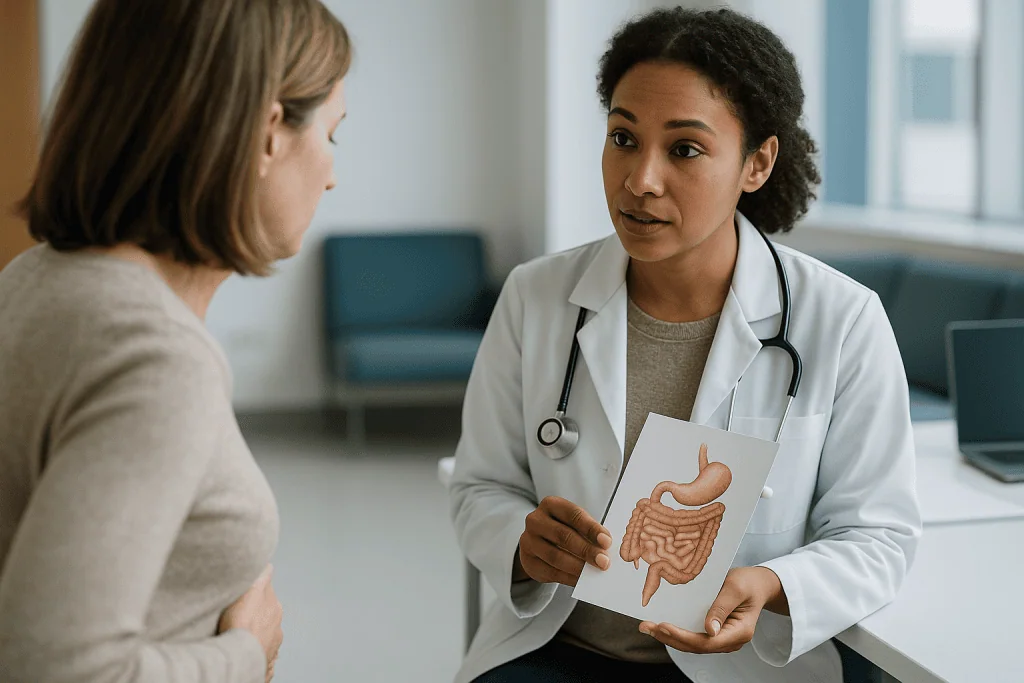
A colon cleanse is the oldest and most literal. It means physically emptying the large intestine, either with oral agents (herbal laxative capsules, “cleansing” teas, fiber-and-clay powders, saline flushes) or from below, through enemas or colonic irrigation. Colonic irrigation, also sold as colon hydrotherapy, is a procedure in which a practitioner pumps large volumes of water into the colon through a tube in the rectum and drains it out again, sometimes repeatedly over an hour.
A gut cleanse usually means a short restrictive diet, often juices, broths or a very narrow list of “clean” foods for three to ten days, frequently paired with supplements such as activated charcoal, chlorella or digestive enzymes. The promise is less about the toilet and more about “toxins” and inflammation.
A gut reset is the newest label and the vaguest. Some versions are simply a week of whole foods, fermented foods and sleep, which is sensible if unremarkable. Others are an elimination diet that strips out gluten, dairy, sugar and legumes at once, followed by a probiotic “reseeding” phase. The implication is that the microbiome can be wiped and reinstalled like software.
Here is the distinction that matters for safety: diet-based resets mostly risk being pointless or nutritionally thin, while laxative kits and irrigation carry physical risks. And here is the distinction that matters for honesty: none of the three has a randomized trial behind its headline claim.
What the evidence actually says about gut cleanses
Medical evidence comes in tiers. Randomized controlled trials, where people are assigned by chance to a treatment or a comparison, sit at the top because they can show cause and effect. Observational studies, which track what happens to people who choose something, sit below. Expert opinion and case reports sit lower still. Cleanses fare poorly at every level.
On randomized trials: there are none showing that any colon cleanse, gut cleanse or gut reset removes toxins, improves energy, aids lasting weight loss or “heals” the gut. A few small pilot studies have tested colonic irrigation for constipation or irritable bowel symptoms; they are too small and too short to support the claims made for the procedure, and mainstream reviews describe the evidence as insufficient.
On observational data: the literature is dominated by case reports of harm rather than benefit. Documented complications of irrigation and aggressive laxative use include dehydration, electrolyte imbalance (electrolytes are minerals such as sodium and potassium that keep nerves and the heart firing properly), kidney strain, bowel perforation and infection from poorly cleaned equipment. Mayo Clinic lists these explicitly.
On expert opinion: Mayo Clinic, Harvard Health and national gastroenterology bodies converge on the same statement. Cleansing is unnecessary for health, and the premise of “autointoxication” was abandoned by medicine more than a century ago when it failed to hold up.
Compare that with the evidence for what the colon actually needs. Dietary fiber has decades of randomized and cohort data for regularity and cardiovascular health, summarized by MedlinePlus. Physical activity and adequate fluids have consistent observational support for constipation. Bowel prep before colonoscopy has trial-grade evidence for its real purpose, a clear view of the lining.
Strong evidence for the boring things. No evidence for the dramatic ones. That asymmetry is the whole story.
Will a gut cleanse help with bloating?
Bloating is the symptom that sells cleanses, so it deserves a straight answer: a cleanse may make your abdomen feel flatter for a day or two, and then it will not.
Bloating is the sensation of pressure or fullness; distension is the measurable increase in girth. They overlap but are not identical, and both have several causes. Gas from bacterial fermentation is normal and varies with what you ate. Constipation adds bulk and slows the exit of gas. Swallowed air from fast eating, chewing gum or carbonated drinks contributes. In irritable bowel syndrome, a disorder of how the gut and brain communicate, the bowel is also more sensitive, so ordinary gas feels like a lot.
A laxative-based cleanse temporarily empties the colon, so there is less stool and less gas to feel. That is the “flat stomach” in the reveal photo. Within days, normal eating refills the colon and the sensation returns. If stimulant laxatives are repeated, the rebound constipation that follows can make bloating worse than before.
A juice-only gut cleanse works by a different route: it removes most fiber and most fermentable carbohydrate, so bacterial gas falls. It also removes most protein and many nutrients, which is why it cannot be a long-term plan.
What actually helps, per NHS and Mayo Clinic guidance, is less cinematic. Increase fiber gradually rather than all at once, since a sudden jump produces more gas. Eat slowly. Walk after meals. Treat constipation if it is present. If bloating is persistent, a clinician may suggest a structured low-FODMAP trial (FODMAPs are short-chain carbohydrates that ferment quickly) under dietitian supervision, or testing for celiac disease, which should be excluded before any gluten-free experiment.
How can I clean my gut fast? What laxative teas, enemas and colonics really do
The honest reply to “how do I clean my gut fast?” is that speed is exactly what makes these methods risky. Each works by forcing the colon to do in hours what it normally does over a day or two.
“Detox” and “slimming” teas typically contain senna or similar stimulant laxative herbs. Senna is a medicine, available in pharmacies for short-term constipation, and in a tea it is simply an unmeasured version of that medicine. It works by irritating the colon wall into contracting. Used nightly for weeks, stimulant laxatives can cause cramping, low potassium and, over time, a bowel that struggles to move without them. The NHS advises that laxatives are a short-term measure and that persistent constipation should be discussed with a pharmacist or doctor.
Saline flushes and magnesium-based “cleanses” are osmotic laxatives: they pull water into the bowel to produce a watery evacuation. The water has to come from somewhere, which is why dehydration and dizziness are common complaints. People with kidney disease or heart failure, and anyone on medicines that affect electrolytes, are particularly vulnerable.
Enemas introduce fluid into the rectum and lower colon. Occasional medical use is well established, but frequent home enemas can irritate the lining, disturb electrolytes and, if the tip is misdirected, injure the rectum.
Colonic irrigation goes furthest, cycling many liters of water through the entire colon. Reported harms in the medical literature include perforation, infection from contaminated equipment, water intoxication and dangerous electrolyte shifts. People with diverticulitis, inflammatory bowel disease, recent bowel surgery or hemorrhoids face higher risk.
None of this “cleans” anything in a meaningful sense. It evacuates stool that was leaving anyway, and it does so by overriding the colon’s own pacing.
What are the 7 signs of an unhealthy gut? A reality check
Scroll long enough and you will meet a list: bloating, gas, irregular bowel habits, fatigue, skin breakouts, sugar cravings and food intolerances. Sometimes bad breath or trouble sleeping stands in for one of them. The “seven signs” rarely match from post to post, which is the first clue.
These symptoms are real, and some are legitimately linked to digestion. The problem is that they are non-specific. Fatigue has dozens of causes, from iron deficiency to sleep apnea to depression. Acne is driven largely by hormones and skin biology. Sugar cravings track with sleep debt and stress. Bloating, as described above, has several ordinary explanations. None of them points reliably to a disordered microbiome, and no validated clinical test exists that can look at a stool sample and declare a gut “unhealthy” in the way these lists imply.
Direct-to-consumer microbiome tests add to the confusion. They can describe which bacterial groups are present, but there is no agreed definition of a healthy microbiome to compare against, and the same person can produce different results from samples taken days apart. Gastroenterology societies do not use these tests to guide care.
What clinicians do pay attention to is change and persistence. A bowel habit that has been stable for years and then shifts for more than a few weeks is worth a conversation, as is any bleeding, unintended weight loss or pain that wakes you at night. Those are not “signs of an unhealthy gut” to be fixed with a tea; they are symptoms that deserve a proper evaluation, covered in the “When to see a doctor” section below.
The viral list invites you to diagnose yourself and buy a product. Medicine invites you to describe your symptoms to someone who can examine you.
How to do a 7 day gut reset the evidence-based way
If you want a week-long project for your digestion, there is a version worth doing. It will not photograph well, and it rests on the same evidence that supports healthy eating generally, but a week is long enough to notice changes in regularity, energy and bloating.
Start with plants, and variety more than volume. The bacteria that make short-chain fatty acids thrive on a range of fibers, so aim to add different vegetables, fruits, whole grains, beans and nuts across the week rather than the same salad daily. MedlinePlus puts the general fiber target at roughly 25 to 30 grams a day, which most adults fall well short of. Raise intake gradually; a sudden doubling guarantees gas.
Add fermented foods if you enjoy them: plain yogurt, kefir, sauerkraut, kimchi. A small randomized trial in 2021 found that a high-fermented-food diet increased microbiome diversity over ten weeks, which is encouraging but far from proof of health benefit, and the effect was not seen in a week.
Drink enough that your urine is pale, because fiber without fluid can stall. Move daily; even a 20-minute walk shortens transit time in observational studies. Protect sleep, since the gut has its own circadian rhythm and disrupted nights are associated with disrupted bowels. Give yourself unhurried time in the bathroom after breakfast, when the mass movement reflex is strongest.
Leave out what the trend adds. No laxative teas, no enemas, no charcoal, no supplement stack. If you take prescribed medicines, keep taking them exactly as directed; a gut reset is never a reason to pause them.
At the end of seven days you will not have “reset” anything. You may well feel better, and you will have practiced habits that, continued, are what the colon actually responds to.
Trend claim versus colon biology: a side-by-side comparison
Laid out next to each other, the promises of a colon cleanse and the facts of the organ barely overlap. The table below summarizes the main claims, what mainstream evidence says, and how strong that evidence is.
| Trend claim | What the evidence shows | Evidence strength |
|---|---|---|
| Years of waste are stuck to the colon wall | The lining renews every 4–5 days and appears smooth and clean at colonoscopy after standard prep | Direct observation; expert consensus |
| Toxins leak from the colon into the blood | The liver and kidneys clear metabolic waste continuously; the “autointoxication” theory was abandoned in the early 20th century | Established physiology |
| A gut cleanse flattens the stomach | Laxative emptying reduces bulk briefly; bloating returns with normal eating and may rebound | Expert opinion; no trials |
| A gut reset reinstalls a healthy microbiome | Diet shifts bacterial composition within days, but it reverts when the diet does; no trial shows a “reset” | Small short-term studies |
| Probiotic capsules repopulate the gut | Most strains pass through without colonizing; AGA 2020 guideline advises against routine use for most digestive conditions | Guideline; low-quality trials |
| Colonic irrigation is natural and safe | Case reports of perforation, infection and electrolyte imbalance; FDA clearance limited to medical use | Case series; regulatory position |
| Fiber, fluids, movement and sleep improve regularity | Consistent benefit for constipation and long-term colon and heart health | Randomized and cohort data |
Read down the right-hand column and the pattern is plain. The bold claims rest on nothing stronger than opinion or single case reports; the modest ones rest on decades of data. That is unusual for a health trend. Usually the evidence is mixed. Here it points one way.
Do probiotics or detox supplements reset the microbiome?
Most gut reset kits end with a “reseeding” phase, and that is where the money is. So it is worth being precise about what probiotic and detox supplements can and cannot do.
Probiotics are live microorganisms taken in amounts intended to confer a health benefit. The NIH Office of Dietary Supplements notes that effects are strain-specific, that most ingested strains do not take up permanent residence, and that the evidence for particular uses ranges from moderate to very weak. The American Gastroenterological Association’s 2020 guideline found enough evidence to suggest specific strains in a few narrow situations, such as preventing a particular infection in some adults on antibiotics or in preterm infants, and recommended against routine use for irritable bowel syndrome, Crohn’s disease, ulcerative colitis or general wellness outside of trials. Whether a probiotic makes sense for an individual is a question for the treating clinician, not a kit.
Activated charcoal binds some substances in the gut, which is why emergency departments use it for certain poisonings. Taken daily, it can also bind nutrients and medicines, including contraceptives, reducing how well they work. There is no evidence it removes “toxins” from a healthy person.
Chlorella, spirulina and herbal “cleansing” blends have no trial evidence for detoxification. Some herbal mixtures, particularly those sold for liver or colon cleansing, appear in case reports of liver injury. In the US, dietary supplements are not reviewed for effectiveness before sale, so the claim on the label has not been checked by anyone.
“Parasite cleanses” deserve a separate note. Intestinal parasites are diagnosed by a stool test ordered by a clinician and treated with specific prescription medicines. Wormwood tinctures and the “parasites” seen in post-cleanse toilet photos, which are typically mucus and fiber casts, are not medicine.
Common myths about gut cleanses, corrected
Some claims recur so often that they have hardened into common knowledge. Here are the ones that most need unpicking.
Myth: the average adult carries several pounds of impacted waste. There is no such reservoir. Stool moves through the colon in roughly one to three days, and fecal impaction, when it does occur, is a medical condition seen mostly in frail older adults, not a hidden universal state.
Myth: dark stool or stringy material after a cleanse is “toxins” or “mucoid plaque”. The “plaque” is produced by the cleanse itself. Psyllium and bentonite clay powders form rubbery casts in the bowel that take the shape of the colon on the way out. Colonoscopies in people who have never cleansed show no such layer.
Myth: if you feel lighter afterward, it worked. You feel lighter because your colon is empty and you are mildly dehydrated. Weight on the scale returns within days. Nothing about the body’s detoxification capacity has changed.
Myth: a cleanse is a safe way to “start fresh” before a healthy diet. You can start the healthy diet today. Beginning with a laxative purge risks electrolyte disturbance and does nothing to prepare the gut; the bacteria you want to encourage respond to the fiber you eat tomorrow, not to being flushed tonight.
Myth: cleanses lower colon cancer risk by removing waste. No study supports this. Colorectal cancer risk is reduced by screening from age 45 (or earlier with risk factors), not smoking, limiting alcohol and processed meat, staying active and eating fiber. A cleanse can also wash away or disguise early symptoms such as bleeding, delaying the conversation that matters.
The thread through all five is the same: the cleanse manufactures the evidence of its own success, and the body quietly undoes it.
Who should never try a colon cleanse, and the one cleanse that is medically necessary
Even setting aside the lack of benefit, some people face real danger from laxative kits and irrigation, and the lists on product packaging rarely say so.
Anyone with kidney disease or heart failure handles fluid and electrolyte shifts poorly; a watery evacuation that a healthy person shrugs off can tip them into a dangerous potassium or sodium imbalance. People taking diuretics, certain blood pressure medicines, lithium or digoxin are similarly exposed. Those with inflammatory bowel disease, diverticulitis, a history of bowel surgery, severe hemorrhoids or a known weakness in the bowel wall carry a higher risk of perforation from irrigation. Pregnancy, an eating disorder, diabetes (where fasting-based resets destabilize glucose) and age over 65 all warrant particular caution. Children should never be given cleanses.
If you take any prescribed medicine, remember that laxatives and charcoal can speed it through the gut or bind it before it is absorbed. Do not pause or adjust a prescription to fit a cleanse plan; that decision belongs to your prescriber.
There is one scenario in which a thorough colon cleanse is not only safe but essential: preparation for colonoscopy. The prep is a prescribed osmotic laxative regimen, taken under medical instruction, so the gastroenterologist can inspect every fold of the lining for polyps. Trial evidence shows that a well-prepared colon finds more precancerous polyps than a poorly prepared one.
The CDC, following the 2021 US Preventive Services Task Force update, recommends that adults at average risk begin regular colorectal cancer screening at age 45 and continue through 75, with options including stool-based tests and colonoscopy. People with a family history of colorectal cancer, inflammatory bowel disease or certain inherited syndromes may need to start earlier, and that timing is set with a clinician. This is the colon cleanse worth doing. It is also the only one that has been shown to save lives.
When to see a doctor
Most bloating, gas and irregularity settles with time, fiber and movement. Some symptoms should not be waited out, and none of them should be treated with a cleanse.
Arrange an appointment promptly if you notice blood in or on your stool, black or tarry stools, a change in bowel habit lasting more than three weeks, unintended weight loss, persistent abdominal pain, pain that wakes you at night, or ongoing fatigue and breathlessness that could signal anemia. These are evaluation triggers, not a diagnosis; most turn out to have benign explanations, but the explanation needs to come from an examination, not a search result.
Seek urgent or emergency care for severe or worsening abdominal pain, a swollen rigid abdomen, repeated vomiting, inability to pass stool or gas, fever with abdominal pain, or heavy rectal bleeding.
If you have already done a cleanse or colonic, get medical help the same day for dizziness or fainting, a racing or irregular heartbeat, muscle cramps or weakness, confusion, very low urine output, or abdominal pain and fever in the days afterward. These can indicate electrolyte imbalance, dehydration, infection or bowel injury, all of which are treatable when caught early.
Bring your questions about probiotics, laxatives, elimination diets or microbiome testing to the same visit. A primary care clinician or gastroenterologist can tell you whether a specific strain or a supervised dietary trial makes sense for your situation, check for celiac disease or other causes before any restrictive diet, and review whether a prescribed medicine is contributing to constipation. Never stop or change a prescription on the basis of a cleanse plan; every such decision rests with the clinician who prescribed it.
If you are 45 or older and have not been screened for colorectal cancer, ask about it. Of everything in this article, that is the conversation most likely to matter.
Frequently asked questions
What is the best way to cleanse my gut?
The best approach is to support the colon’s own cleaning rather than override it. Eat a wide variety of fiber-rich plants and raise intake gradually, drink enough fluid, walk daily, protect sleep and allow unhurried bathroom time after breakfast. These habits have decades of evidence for regularity and long-term colon health. Laxative teas, enemas and colonics have no trial evidence of benefit and carry documented risks.
How can I clean my gut fast?
You cannot clean the gut faster than it already cleans itself without risk. Stimulant teas, saline flushes and colonics force a rapid evacuation and can cause dehydration, low potassium and, with irrigation, bowel injury or infection. If constipation is the real problem, a pharmacist or doctor can advise a short-term laxative appropriate for you, and persistent constipation should be medically evaluated rather than purged.
What are the 7 signs of an unhealthy gut?
The viral lists usually name bloating, gas, irregular bowel habits, fatigue, skin problems, sugar cravings and food intolerances, but these symptoms are non-specific and have many causes unrelated to the microbiome. No validated test defines an “unhealthy gut”. What clinicians take seriously is persistent change: a new bowel habit lasting more than three weeks, bleeding, unexplained weight loss or night pain, which warrant an appointment.
How do I do a 7 day gut reset?
An evidence-based week focuses on habits, not products: add different plant foods each day for fiber variety, include fermented foods if you enjoy them, drink enough fluid, move daily and sleep regularly. Skip laxatives, charcoal and supplement stacks, and keep taking any prescribed medicines exactly as directed. A week is long enough to notice regularity and comfort improve, though the microbiome shifts only as long as the diet continues.
Does a colon cleanse remove toxins?
No. The liver and kidneys clear metabolic waste continuously, and the colon sheds its own lining every few days. The idea that waste rots in the colon and poisons the body, called autointoxication, was abandoned by medicine in the early 20th century. Mayo Clinic and Harvard Health both state there is no good evidence that colon cleansing or detox regimens remove toxins or improve health.
Is colonic irrigation safe?
It carries real, documented risks and no proven benefit for wellness. Case reports describe bowel perforation, infection from contaminated equipment, water intoxication and dangerous electrolyte imbalances. The FDA clears colonic irrigation systems only for medical uses such as preparation before examinations. People with kidney or heart disease, inflammatory bowel disease, diverticulitis or prior bowel surgery are at higher risk and should avoid it entirely.
Will a gut cleanse help with bloating?
Only briefly, if at all. Emptying the colon with laxatives reduces bulk and gas for a day or two, then normal eating refills it and bloating returns, sometimes worse after stimulant laxative rebound. Lasting relief comes from identifying the cause: gradual fiber increases, slower eating, treating constipation, and, when symptoms persist, a clinician-guided assessment that may include celiac testing or a supervised low-FODMAP trial.
Do probiotics reset the gut microbiome?
Not in the way kits suggest. Most probiotic strains pass through without colonizing, and the NIH Office of Dietary Supplements notes that evidence is strain-specific and often weak. The 2020 American Gastroenterological Association guideline recommends against routine probiotic use for most digestive conditions outside clinical trials. Whether a particular strain might help you is a decision for your treating clinician.
Can a gut reset diet cause harm?
Diet-only resets are mostly low risk for healthy adults, but juice-only or very restrictive versions can leave you short on protein, calories and nutrients, destabilize blood glucose in people with diabetes, and trigger relapse for anyone with a history of disordered eating. Cutting gluten before testing can also mask celiac disease. Versions that add laxatives, enemas or charcoal carry the physical risks described above.
Is colonoscopy prep the same as a colon cleanse?
It is the one medically necessary form of colon cleansing, and it is quite different from wellness products. Prep uses a prescribed osmotic laxative regimen under medical instruction so a gastroenterologist can inspect the lining for polyps; trials show better-prepared colons yield more polyp detection. US guidance recommends screening from age 45 for average-risk adults, earlier for those with family history or inflammatory bowel disease.
References
This article is for general information only and is not a substitute for professional medical advice. Please consult a qualified doctor about your individual situation.

More from the Blog

The Low-FODMAP Diet: How It Works, Who It Is For and Why It Is Not Forever
The low FODMAP diet temporarily removes fermentable carbohydrates, such as lactose, fructans, excess fructose, galacto-oligosaccharides and polyols, that pull water into the bowel and…

Which Tests Find the Cause of Hepatitis? Viral Markers, Liver Panels and Ultrasound
Doctors find the cause of hepatitis with a stepwise set of tests. A liver panel (ALT, AST, ALP and bilirubin) shows how inflamed the…

What Reflux Monitoring and Other Acid Disorder Tests Tell Your Doctor
A reflux monitoring test records how often stomach contents rise into the esophagus, usually over 24 to 96 hours, using a thin nasal catheter…

Getting Ready for Hiatal Hernia Surgery: Blood Thinners, Fasting and Pre-Op Checks
Preparing for hiatal hernia surgery usually means a pre-op visit with blood tests and an anesthesia review, a medicine check in which your surgical…

Do Gallstones Always Need Surgery? Watchful Waiting vs Gallbladder Removal Explained
No. Most gallstones cause no symptoms and are usually left alone under watchful waiting, with no routine treatment needed. Gallbladder removal, called cholecystectomy, is…

Your First Liver Clinic Visit: The Reports, Scans and Medication Lists Worth Bringing
For a first hepatology appointment, bring every liver-related blood test report from the past few years, any ultrasound, CT, MRI or elastography reports with…