

Reishi and Cordyceps: Functional Mushrooms Under the Evidence Lens
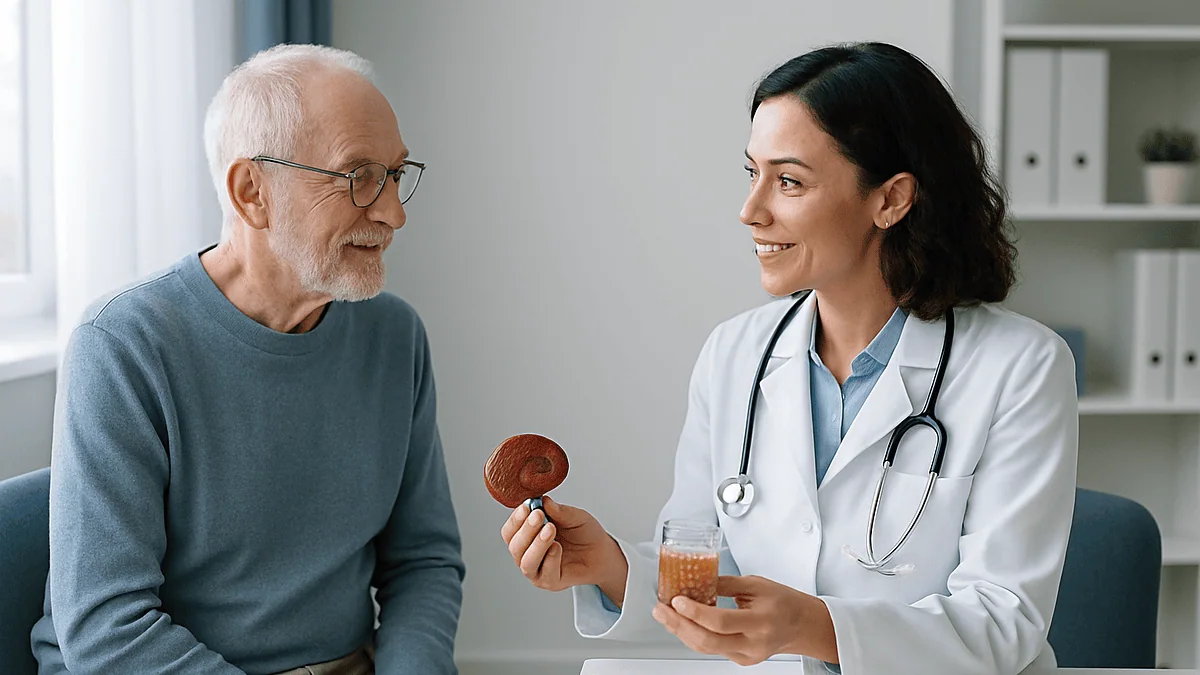
Key Takeaways
- The strongest reishi evidence, a Cochrane review of five randomized trials in 373 cancer patients, graded the data low quality and found no benefit from reishi used alone.
- Cordyceps improved oxygen-use measures in some small trials of older adults but showed no performance effect in trained athletes, so results depend heavily on who is studied.
- Reishi can reduce platelet clumping and modestly lower blood pressure and blood glucose, which is why it matters most for people on anticoagulants, antihypertensives or diabetes medicines.
- Rare but serious liver injury has been reported after one to two months of reishi powder, so jaundice, dark urine or right-sided abdominal pain while taking it warrants prompt medical review.
- Most cultivated cordyceps on shelves is Cordyceps militaris grown on grain, not the wild caterpillar fungus, and mycelium-on-grain products can be largely starch.
- Lion's mane has preliminary cognition data and reishi does not, while reishi has more sleep and immune tradition than trials; neither is 'better' because they are marketed for different things.
Reishi and cordyceps are edible fungi sold as supplements for immunity, sleep, stress and stamina. The research behind those claims is mostly small, short randomized trials and laboratory studies, graded low to moderate quality, so no health benefit is firmly established. Both are generally well tolerated for short periods, but they can interact with blood thinners, blood pressure, diabetes and immune-suppressing medicines, so anyone taking prescription drugs should check with their clinician first.
Walk into any coffee shop this autumn and you will probably find a chalkboard offering a latte with “adaptogenic mushrooms” stirred in. Reishi gummies sit beside the checkout at the pharmacy. Cordyceps, a fungus most people first heard of as a zombie plot device in a hit television series, is now marketed as a pre-workout. As of September 2026, searches for reishi mushroom benefits have climbed steadily for three years, fed by viral videos promising deeper sleep, calmer nerves and a bulletproof immune system.
The mushrooms themselves are not new. Reishi has appeared in East Asian pharmacopoeias for roughly two thousand years, and wild cordyceps has been traded across the Himalayan plateau for centuries. What is new is the scale of the claims, the lab-grown versions filling the shelves, and a growing pile of small studies that both sides quote selectively.
So we did what a hospital magazine should do: pulled the trials, read the safety reports, and asked a simple question. Where does enthusiasm end and evidence begin?
What changed recently to put reishi and cordyceps in the spotlight?
Three things converged. First, supply. Wild cordyceps (Ophiocordyceps sinensis) grows only at high altitude when a fungus colonizes a caterpillar, and overharvesting has made it scarce. Producers switched to a cultivated cousin, Cordyceps militaris, grown on grain in climate-controlled rooms. That shift, described in the Cleveland Clinic explainer on cordyceps, turned a rare medicinal curiosity into a mass-market powder.
Second, format. Mushroom extracts moved from capsules into coffee, chocolate, gummies and sparkling drinks. When a supplement becomes a beverage, people stop thinking of it as a supplement, and the usual caution about interactions quietly disappears.
Third, the evidence base grew without getting much stronger. The most rigorous synthesis on reishi remains the Cochrane review of Ganoderma lucidum as an add-on treatment in cancer, published in 2016 and still the benchmark clinicians cite. It pooled five randomized trials with 373 participants and judged the overall quality of evidence low. Nothing published since has replaced it with a large, well-controlled trial. Cleveland Clinic’s 2023 and 2024 consumer summaries on reishi and cordyceps reflect that same picture: promising mechanisms, thin human data.
Regulators have not changed course either. In the United States, both mushrooms are sold as dietary supplements, which the NIH Office of Dietary Supplements reminds consumers are not reviewed for effectiveness before they reach the shelf. Manufacturers may not claim a product treats or prevents disease, yet “supports immune health” is permitted, and social media fills the gap between those two phrases. The trend, in other words, is driven by marketing and culture far more than by any breakthrough in the science.
What are reishi and cordyceps, and what is actually in them?
Reishi, known to mycologists as Ganoderma lucidum, is a glossy, kidney-shaped bracket fungus that grows on dying hardwood trees. It is too tough and bitter to eat as food, so it has always been consumed as a tea, tincture or dried powder. Cordyceps is a genus of parasitic fungi; the two species you will meet on labels are wild Ophiocordyceps sinensis and cultivated Cordyceps militaris, the bright orange club-shaped mushroom that grows readily on rice.
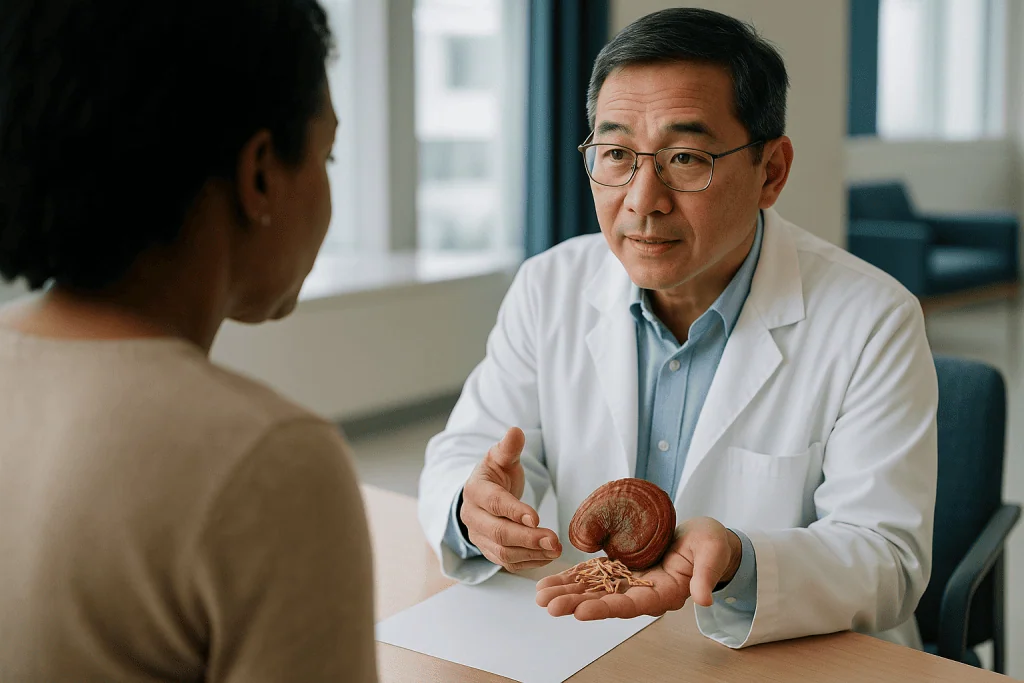
Both contain a family of compounds that generate most of the scientific interest:
- Beta-glucans, long chains of glucose molecules found in fungal cell walls, which can bind to receptors on immune cells in laboratory studies and nudge them toward activity.
- Triterpenes, bitter compounds unique to reishi (the ganoderic acids), which have shown anti-inflammatory and blood-pressure-related effects in cell and animal work.
- Cordycepin, a molecule in cordyceps that resembles adenosine, a chemical your body uses to regulate energy and sleep signaling.
- Polysaccharides more broadly, plus small amounts of sterols and minerals.
Here is the catch that marketing rarely mentions. The amount of these compounds varies enormously depending on whether a product uses the fruiting body (the visible mushroom), the mycelium (its root-like network, often grown on grain), or the spores. Mycelium grown on grain can be mostly starch from the grain itself. Two jars labeled “reishi” may differ by a factor of ten or more in active content, and almost no consumer product is standardized the way a prescription medicine would be. That variability alone explains part of why trials disagree with one another.
Reishi mushroom benefits: what the labels promise
Scan a dozen product pages and the promised reishi mushroom benefits cluster into five themes: immune support, better sleep, less stress and anxiety, lower blood pressure and blood sugar, and “longevity” or anti-aging. Reishi’s traditional nickname, the mushroom of immortality, does a lot of heavy lifting here.
Each theme has a plausible mechanism behind it, which is why the claims are sticky. Beta-glucans do interact with immune cells in a petri dish. Triterpenes do relax blood vessel walls in animal tissue. Reishi extracts do shift sleep patterns in rodents. The question for a reader is not whether something interesting happens in a laboratory, but whether that effect survives the journey to a human taking a commercial product at a realistic intake over months.
The evidence-first way to think about a supplement claim is to ask three questions in order. Has the effect been shown in people, not just cells or mice? Was there a comparison group taking a placebo, so that expectation alone cannot explain the result? And was the study large and long enough that chance and dropout do not swamp the signal? Many reishi studies pass the first test, some pass the second, and very few pass the third.
None of this means reishi does nothing. It means the honest answer for most claims is “possibly, in some people, to a modest degree, based on small trials.” That is a legitimate finding worth reporting, and it is quite different from the certainty implied by a glossy label. The following sections take each claim in turn and say how strong the supporting evidence really is.
What the evidence actually says, graded claim by claim
Medical evidence is not one thing. Randomized controlled trials, where people are assigned by chance to a mushroom extract or a placebo, sit at the top because they control for expectation and coincidence. Observational studies, which follow people who happened to use a product, sit lower. Laboratory and animal work, and expert opinion, sit lower still. Here is where each major claim lands.

Immune function (reishi). Several small randomized trials in healthy adults and in people with cancer show changes in immune cell counts or activity markers. Whether those laboratory shifts translate into fewer infections or better outcomes has not been demonstrated. Grade: low, with biological plausibility.
Add-on in cancer care (reishi). The Cochrane review found that people given reishi alongside chemotherapy or radiotherapy were somewhat more likely to show a tumor response and reported better quality of life, but the confidence intervals were wide, trials were small, and reishi alone showed no effect. Grade: low; the authors explicitly did not recommend it as a first-line treatment.
Sleep and anxiety (reishi). Mostly animal studies and a few small, short human trials with self-reported outcomes. Grade: very low to low.
Blood pressure and blood sugar (reishi). Small trials with inconsistent results; some found modest reductions, others none. Grade: low.
Exercise performance (cordyceps). A handful of randomized trials, some showing improved oxygen uptake in older or untrained adults, others showing no change in trained athletes. Grade: low to moderate, inconsistent.
Kidney and liver support (cordyceps). Largely animal and uncontrolled human data. Grade: very low.
Nothing here reaches the standard that would get a medicine approved, and that is the single most important sentence in this article.
Does reishi make you sleepy? Sleep and stress claims examined
This is the question readers ask most, and the honest answer is: it might make some people feel calmer or drowsy, but the trial evidence is thin. The sedation story comes mainly from rodent studies, in which reishi extracts lengthened non-REM sleep, apparently by acting on the same signaling pathways targeted by some sleep medicines. Mice, however, do not drink mushroom lattes before a stressful meeting, and the amounts used in animal work are not comparable to a cup of coffee.
In humans, the research consists of a few small trials in which participants rated their own fatigue, mood or sleep quality after several weeks of reishi. Some reported improvement; the placebo groups often improved too, and self-rated outcomes are notoriously sensitive to expectation. No large trial has measured sleep objectively with polysomnography, the overnight recording of brain waves and breathing used in sleep clinics, in people taking reishi.
Why does the drowsy reputation persist? Part of it is tradition: reishi is bitter and calming in the way a warm herbal tea is calming. Part of it is confounding: people reaching for reishi at bedtime are also, by definition, winding down. And reishi does appear to lower blood pressure slightly in some trials, which can feel like tiredness.
If you notice marked sedation, dizziness or grogginess the next day, that is worth taking seriously rather than celebrating. It can signal an interaction with a blood pressure medicine, a sedative or alcohol. Reishi is sold as a supplement, not a sleep treatment, and persistent insomnia has well-studied causes and well-studied treatments that a clinician can offer. The stress-and-sleep claim deserves to be filed under “plausible, unproven, and no substitute for sleep assessment.”
Reishi, immunity and cancer research: what the Cochrane review found
The immune claim is where reishi has the most human data, and also where the gap between headline and finding is widest. The 2016 Cochrane review, indexed on PubMed, is worth describing precisely because it is so often misquoted.
Reviewers searched for randomized trials in which people with cancer received Ganoderma lucidum in addition to standard treatment. They found five eligible trials with 373 participants in total. Pooled together, the trials suggested that adding reishi to chemotherapy or radiotherapy was associated with a somewhat higher chance of a measurable tumor response than standard treatment alone, but the statistical uncertainty was large enough that no effect remained a real possibility. Participants given reishi were more likely to report improved quality of life, and some trials showed higher counts of certain white blood cells.
The reviewers graded the evidence as low quality. The trials were small, methods were poorly described, and most came from a single country, which raises questions about how widely the results apply. Their conclusion was careful: reishi might be considered as an add-on for some patients because it was well tolerated, but there was no evidence to support using it as a primary treatment and no evidence on survival.
What does this mean for a reader without cancer who wants fewer colds? Very little, because that question has not been tested in a trial of meaningful size. Changes in immune cell markers in a blood sample are not the same as staying healthy through winter. The immune system is not a dial that is better turned up; it is a balance, and an immune stimulant is not automatically a good thing for someone with an autoimmune condition or on medicines that suppress immunity. Anyone receiving cancer treatment should raise any supplement with their oncology team before starting it.
Cordyceps benefits: energy, oxygen and exercise under the microscope
Cordyceps owes much of its fame to a 1993 track meet in which Chinese runners broke several world records and their coach credited cordyceps tea. The story has outlived the records. Three decades later, cordyceps benefits are marketed almost entirely around stamina, oxygen use and “natural energy.”
The proposed mechanism is reasonable. Cordycepin resembles adenosine, a molecule central to how cells store and spend energy, and cordyceps extracts increased the production of ATP, the body’s energy currency, in animal muscle tissue. Human trials are where the picture gets murky.
In the better-designed studies, older adults assigned to a cordyceps preparation for several weeks showed small improvements in measures such as the ventilatory threshold, the exercise intensity at which breathing becomes labored, compared with placebo. In studies of young, trained endurance athletes, cordyceps generally produced no measurable change in oxygen uptake, time to exhaustion or performance. Several trials lasted only a week or two and enrolled fewer than thirty people.
Two reasonable interpretations exist. One is that cordyceps helps people who have the most room to improve and does little for those already fit. The other is that the small positive findings are statistical noise in small samples. Current data cannot distinguish between them, which is why Cleveland Clinic’s dietitians describe the evidence as early and inconsistent rather than established.
Fatigue itself deserves a mention. Persistent tiredness has a long list of medical causes, including anemia, thyroid disorders, sleep apnea, depression and medication side effects. A supplement that masks or delays attention to those is not a benefit. If cordyceps interests you as an exercise aid, the evidence supports treating it as an experiment with modest expectations, not as a substitute for training, sleep and iron-rich food.
Is lion's mane or reishi better? Comparing the popular functional mushrooms
Readers often frame this as a contest, but the three mushrooms most often sold together are marketed for different purposes and rest on different amounts of evidence. Lion’s mane (Hericium erinaceus), a shaggy white mushroom that is genuinely delicious cooked, is promoted for memory and focus on the strength of compounds that stimulate nerve growth factor in laboratory studies and one or two small trials in older adults with mild cognitive impairment.
The table below summarizes where each stands. “Evidence grade” reflects the best available human research, not the volume of marketing.
| Mushroom | Main marketed claim | Best human evidence | Evidence grade | Key safety notes |
|---|---|---|---|---|
| Reishi (Ganoderma lucidum) | Immunity, sleep, stress | Five small RCTs as cancer add-on; a few small sleep and mood trials | Low | Possible interaction with blood thinners and blood pressure drugs; rare liver injury reports |
| Cordyceps (C. sinensis, C. militaris) | Energy, stamina, oxygen use | Several small RCTs; benefit in older adults, none in trained athletes | Low to moderate, inconsistent | May affect blood sugar and clotting; theoretical interaction with immunosuppressants |
| Lion’s mane (Hericium erinaceus) | Memory, focus, mood | One or two small RCTs in mild cognitive impairment; small mood trials | Low | Allergic reactions reported; limited long-term data |
So which is “better”? Neither, in the sense the question implies. Reishi is not a cognitive supplement and lion’s mane has no meaningful sleep data. If your goal is cognition, lion’s mane has the more relevant, though still preliminary, research. If your goal is immune or sleep support, reishi has more tradition than trials. Blended “mushroom complex” products often contain too little of each to match even the small studies, which is a quiet problem the comparison headlines never address.
What happens if you take reishi every day? Reishi mushroom benefits versus daily-use risks
For most healthy adults, daily reishi for a few weeks to a few months appears to be well tolerated. In the trials pooled by Cochrane, adverse effects were uncommon and mild, and the most frequently reported were digestive: nausea, an unsettled stomach, dry mouth or throat, and occasionally dizziness or a skin rash. These typically faded when people stopped taking it.
Beyond a few months, the data largely run out. Almost no trial has followed daily reishi users for a year or longer, so questions about cumulative effects on the liver, kidneys or immune balance remain genuinely unanswered rather than reassuringly settled.
The liver deserves specific attention. The NIH LiverTox database and published case reports describe a small number of people who developed liver injury, in some cases severe, after taking reishi powder for one to two months. These are rare events among millions of users, and in several cases other causes could not be excluded, but the pattern was consistent enough that hepatologists list reishi among supplements worth asking about when unexplained liver test abnormalities appear.
Reishi may also reduce platelet clumping, the first step in forming a blood clot, in laboratory and small human studies. For someone with normal clotting that is unlikely to matter; for someone on anticoagulant medicine or heading into surgery, it could.
The practical upshot: daily use is not reckless, but it is a decision worth making deliberately. Pick a single-ingredient product, note the start date, watch for new symptoms over the first weeks, and tell your clinician it is on your list. The reishi mushroom benefits that remain plausible, modest immune modulation and a sense of calm, do not require taking anything indefinitely, and a pause every few months is a reasonable way to check whether it is doing anything at all for you.
What not to mix reishi with: medicines and situations that call for caution
Supplements interact with medicines through the same biology that makes them interesting, and reishi touches several systems at once. The interactions below come from pharmacology, case reports and small human studies rather than large trials, so they are precautions, not proven harms. That is exactly why they belong in a conversation with your prescriber.
- Blood thinners and antiplatelet medicines. Reishi’s effect on platelet aggregation could add to the effect of warfarin, direct oral anticoagulants, aspirin or clopidogrel, raising bruising and bleeding risk.
- Blood pressure medicines. Small trials suggest reishi can lower blood pressure modestly. Combined with prescribed antihypertensives, that may cause light-headedness, especially on standing.
- Diabetes medicines. Reishi and cordyceps have both lowered blood glucose in some studies. Added to insulin or oral agents, this could tip someone toward hypoglycemia.
- Immunosuppressants. People taking medicines to prevent transplant rejection or to control autoimmune disease are prescribed those drugs to dampen immunity. An immune stimulant works against that goal, at least in theory.
- Chemotherapy and targeted cancer drugs. The Cochrane data were as an add-on under study conditions; outside a trial, your oncology team needs to know about every supplement to assess interactions and liver load.
- Other supplements with similar effects. Fish oil, ginkgo, garlic extract and high-dose vitamin E also affect clotting; stacking them with reishi compounds the uncertainty.
Timing matters as well. Many surgical and anesthesia teams ask patients to stop herbal supplements, including mushroom extracts, in the weeks before an operation because of bleeding and blood pressure concerns. Alcohol is a sensible thing to limit alongside any product with liver case reports attached. None of these points means a person on medication can never use reishi; it means the decision belongs with the clinician who knows the full prescription list.
Who should avoid reishi and cordyceps altogether?
Some groups have little to gain and a clearer path to harm, simply because the safety data do not exist for them. Pregnancy and breastfeeding top the list. No controlled studies have examined either mushroom in pregnant or lactating women, and the compounds that affect clotting, blood pressure and immune signaling are precisely the ones a developing baby does not need introduced. The standard medical advice, echoed by MedlinePlus and Cleveland Clinic, is to avoid both.
Children are a similar story. Mushroom gummies marketed with cartoon packaging are a recent development, and there is no pediatric dosing research, no safety trial and no reason for a healthy child to take an immune-modulating extract.
People with bleeding disorders, those scheduled for surgery, and anyone with a history of low blood pressure or fainting should treat reishi in particular as a medicine-like substance and discuss it before use. Anyone with existing liver disease, or who has had a previous reaction to a supplement, falls into the same category because of the case reports described earlier.
Autoimmune conditions deserve nuance rather than blanket rules. The theoretical concern is that stimulating immune cells could worsen diseases driven by an overactive immune response, such as lupus, rheumatoid arthritis or multiple sclerosis. No trial has shown this happening, but none has shown it does not, and a rheumatologist or neurologist is the right person to weigh the uncertainty.
Finally, allergy. Reishi spores are a recognized airborne allergen, and both mushrooms have triggered skin reactions and, rarely, more severe responses. Anyone with mold or mushroom allergy should proceed carefully, and any swelling of the lips, tongue or throat after taking a product is an emergency, not a detox symptom.
How mushroom supplements are regulated, and why quality varies so much
In the United States, reishi and cordyceps products are regulated as dietary supplements under a 1994 law that treats them more like foods than like medicines. The NIH Office of Dietary Supplements spells out the consequences plainly: manufacturers are responsible for ensuring their products are safe and accurately labeled, but they do not need to prove effectiveness, and no agency reviews the product before sale. Enforcement happens after problems emerge, not before.
For mushrooms specifically, this creates three recurring quality problems.
Species confusion comes first. Products labeled simply “cordyceps” may contain wild Ophiocordyceps sinensis, cultivated Cordyceps militaris, or fermented mycelium of a related strain, each with a different chemical profile. Independent testing has repeatedly found products whose DNA did not match the label.
Starch dilution comes second. Mycelium grown on rice or oats is often harvested together with the grain, so a powder can be mostly carbohydrate with a modest mushroom fraction. Labels that specify “fruiting body” and give beta-glucan content are more informative than those that list “proprietary blend.”
Contamination comes third. Wild-harvested cordyceps has been found adulterated with heavy metals and, in some seizures, with weighted inserts to increase mass. Mushrooms also absorb metals from their growing medium, which is a reason to prefer products with third-party testing certificates from recognized independent laboratories.
Mayo Clinic’s guidance on supplements applies neatly here: look for products verified by an independent organization, be skeptical of claims that sound like medical promises, and remember that “natural” is a marketing word, not a safety category. None of this is unique to mushrooms, but the gap between what a label implies and what a jar contains is wider in this corner of the market than in most.
Common myths about reishi and cordyceps, corrected
Viral claims survive because each contains a sliver of truth. Here are the ones that circulate most, alongside what the evidence actually supports.
“Reishi is a proven cancer treatment.” The Cochrane review found low-quality evidence that reishi added to standard treatment might modestly improve response and quality of life. It found no evidence that reishi works alone, no survival data, and explicitly advised against using it as a primary therapy. That is the opposite of “proven.”
“Cordyceps boosts athletic performance for everyone.” Small trials show possible gains in older or sedentary adults and consistently show nothing in trained athletes. The 1993 record-breaking runners also trained at altitude under a notoriously punishing regimen, which is a more plausible explanation than tea.
“Functional mushrooms have no side effects because they are natural.” Digestive upset is common enough to appear in trial reports, platelet effects are documented, and rare but serious liver injury has been described. Natural describes origin, not safety.
“Reishi detoxes the liver.” There is no clinical trial showing reishi improves liver function in people, and there are case reports of it harming the liver. The healthy liver already clears toxins without assistance.
“More is better, and blends are best.” No dose-response data exist in humans to support escalating intake, and multi-mushroom blends typically contain less of each ingredient than the studies used.
“Reishi replaces sleep medicine or antidepressants.” No head-to-head trial has ever compared it with any prescribed treatment, and stopping a prescribed medicine for a supplement carries real, documented risks. Any change to prescribed treatment should run through the clinician who prescribed it.
The pattern across every myth is the same: a laboratory signal or a small study inflated into a certainty. Correcting it does not require dismissing the mushrooms, only describing them accurately.
When to see a doctor about reishi, cordyceps or the symptoms they are taken for
Two separate questions belong here: when a reaction to the supplement needs medical attention, and when the symptom you are self-treating deserves a proper look.
Stop the product and seek care promptly if you notice any of the following after starting reishi or cordyceps:
- Yellowing of the skin or eyes, dark urine, pale stools, persistent nausea or pain under the right ribs, which can indicate liver injury.
- Unusual bruising, nosebleeds that are hard to stop, blood in urine or stool, or bleeding gums, especially if you also take a blood thinner or aspirin.
- Fainting, severe dizziness on standing, or a resting heart rate or blood pressure reading well outside your normal range.
- Shakiness, sweating, confusion or a low blood glucose reading if you take diabetes medicine.
- Swelling of the face, lips or throat, hives, or wheezing, which are signs of an allergic reaction and need emergency care.
- New or worsening symptoms of an autoimmune condition.
Separately, see a clinician rather than reaching for a supplement if the underlying problem is persistent. Fatigue lasting more than a few weeks, insomnia on most nights for a month or longer, recurrent infections, unexplained weight change, or anxiety interfering with daily life all have established causes that can be investigated and managed. A mushroom extract can quietly delay that investigation.
Bring the actual container to appointments. Clinicians cannot assess an interaction from the word “mushroom coffee,” and a label listing the species, plant part and extraction method tells them far more. If you are already taking prescription medicines, undergoing cancer treatment, pregnant, planning surgery or managing a chronic condition, the decision to start, continue or stop any supplement belongs with the clinician who knows your history. That is not caution for its own sake; it is how the thin evidence we have gets applied safely to a real person.
Frequently asked questions
What happens if you take reishi every day?
Daily reishi for a few weeks to months is generally well tolerated in healthy adults, with mild digestive upset, dry mouth or dizziness the most common complaints. Long-term data beyond a few months are scarce, and rare liver injury has been reported. People on blood thinners, blood pressure or diabetes medicines should discuss daily use with their prescriber, and a periodic pause helps you judge whether it is doing anything.
Is lion's mane or reishi better?
Neither is better overall because they are marketed for different purposes. Lion’s mane has small preliminary trials for memory and focus; reishi has small trials for immune markers and self-reported sleep and mood, plus a low-quality Cochrane review as a cancer add-on. Choose based on the goal and the actual human evidence, and be aware that blended products often contain less of each than the studies used.
What should you not mix reishi with?
The main concerns are anticoagulant and antiplatelet medicines, because reishi may reduce platelet clumping; blood pressure medicines, because it may lower pressure further; diabetes medicines, because it may lower glucose; and immunosuppressants, because it may work against them. Other clot-affecting supplements and alcohol add to the uncertainty. These are precautions from small studies and case reports, best weighed by your prescribing clinician.
Does reishi make you sleepy?
Possibly, for some people. Rodent studies show reishi extracts lengthen non-REM sleep, and a few small human trials report better self-rated sleep, but no large trial has measured sleep objectively. A calming effect is plausible; marked drowsiness, dizziness or next-day grogginess may signal an interaction with blood pressure medicine, sedatives or alcohol and deserves attention rather than celebration.
What are the proven cordyceps benefits?
Strictly speaking, none are proven. The best human research consists of small randomized trials showing modest improvements in oxygen-use measures in older or untrained adults and no effect in trained athletes. Claims about kidney, liver or immune support rest mainly on animal and uncontrolled studies. Cordyceps appears well tolerated short term, but the evidence is early and inconsistent rather than established.
Can reishi help with anxiety and stress?
The evidence is weak. A few small trials found participants reported less fatigue or anxiety after several weeks of reishi, but placebo groups often improved too and outcomes were self-rated. No trial has compared reishi with established treatments. If anxiety interferes with daily life, evidence-based options exist and a clinician can help; reishi should not replace or delay that conversation.
Is reishi safe for the liver?
Usually, but not always. Most trial participants showed no liver problems, yet the NIH LiverTox database and case reports describe a small number of people who developed liver injury, sometimes severe, after one to two months of reishi powder. Anyone with existing liver disease should ask a clinician first, and jaundice, dark urine or right-sided abdominal pain while taking reishi needs prompt evaluation.
Is cultivated Cordyceps militaris the same as wild cordyceps?
No. Wild Ophiocordyceps sinensis grows on caterpillars at high altitude and is scarce and often adulterated. Cordyceps militaris is a different species grown on grain in controlled conditions and contains more cordycepin but a different overall profile. Most consumer products now use militaris or fermented mycelium, so check the species on the label when comparing a product with any study.
Can you take reishi or cordyceps during cancer treatment?
Only with your oncology team’s knowledge and agreement. The Cochrane review found low-quality evidence that reishi added to chemotherapy or radiotherapy might modestly improve response and quality of life, but it was studied under trial conditions. Outside a trial, interactions with chemotherapy, effects on clotting and liver load all need assessing, and the decision belongs with the treating oncologist.
Should pregnant women or children take functional mushrooms?
Current guidance is to avoid them. No controlled safety studies exist in pregnancy, breastfeeding or childhood, and the very properties that interest researchers, effects on clotting, blood pressure, glucose and immune signaling, are reasons for caution in these groups. Mushroom gummies aimed at children have no pediatric research behind them. A clinician can suggest evidence-based alternatives for the underlying concern.
This article is for general information only and is not a substitute for professional medical advice. Please consult a qualified doctor about your individual situation.

More from the Blog

Spermidine: The Autophagy Supplement: Evidence From Cells, Mice and (Few) Humans
Spermidine is a natural polyamine found in wheat germ, aged cheese, soybeans and mushrooms, and the body also makes it. In yeast, worms, flies…

Vitamin D3 and K2 Together: Why the Pairing Is Popular and What the Evidence Says
Vitamin D3 and K2 are sold together on the theory that D3 raises calcium absorption while K2 activates proteins that help deposit calcium in…

Reishi and Cordyceps: Functional Mushrooms Under the Evidence Lens
Reishi mushroom benefits are mostly supported by laboratory and small human studies, not by large randomized trials. Modest, uncertain effects have been reported on…

Lion’s Mane: What Human Trials Show for Memory and Focus, and the Side Effects Reported
Lion's mane benefits for memory and focus rest on a handful of small, short randomized trials: older adults with mild cognitive impairment scored better…

Iodine Supplements: Who Is Actually Deficient and Why More Is Not Better
Most people who eat iodized salt, dairy, eggs or seafood do not need an iodine supplement. Genuine deficiency is most likely in pregnancy and…

NMN Supplements: What the Human Trials Show, and NMN vs NAD+ Explained
An NMN supplement is a form of vitamin B3 that the body converts into NAD+, a molecule cells use to make energy and repair…